The Power of Partnership: Benefits of Collaborating with Nonprofits

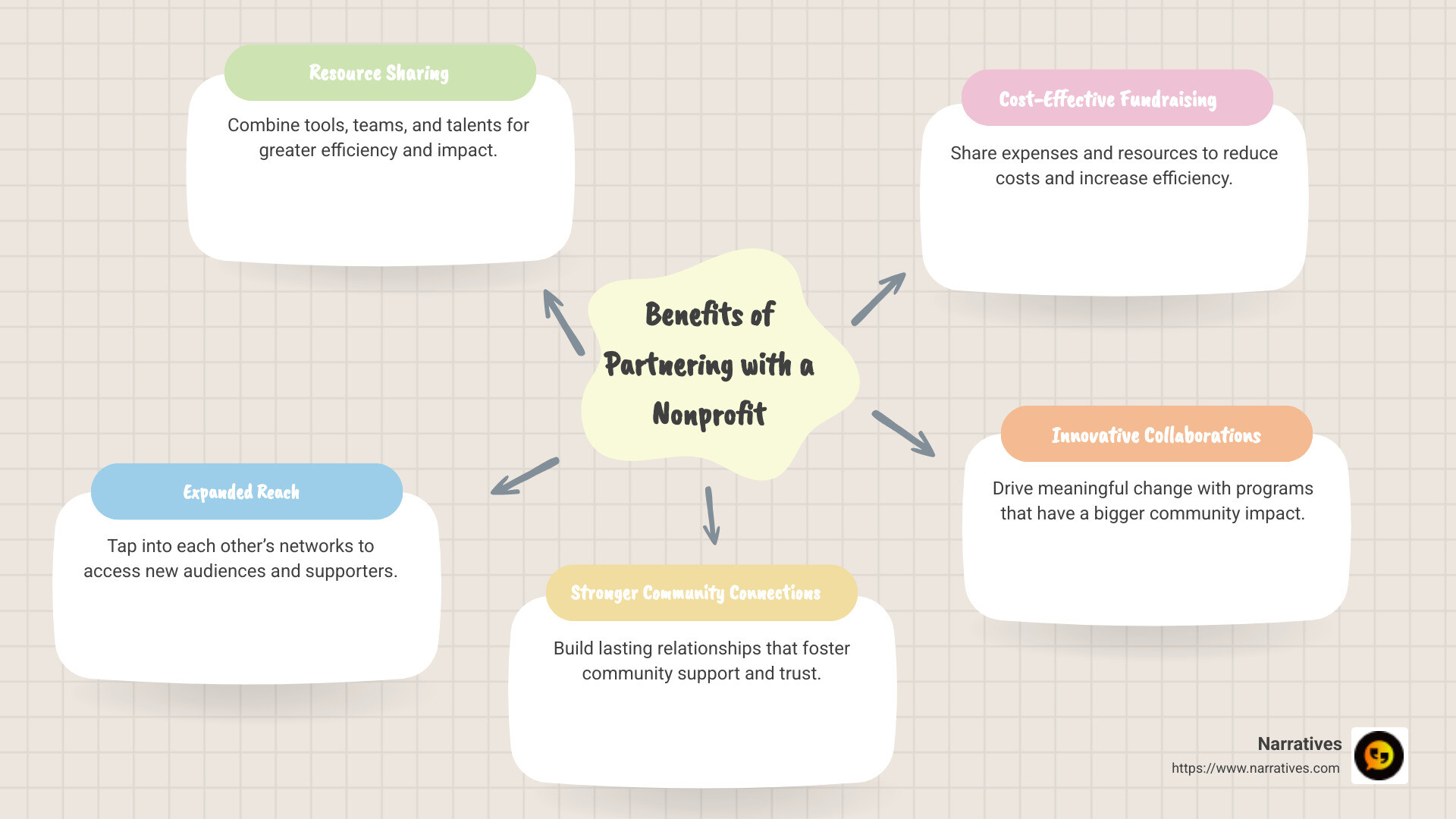
Benefits of partnering with a non profit can amplify your impact and drive meaningful change. Collaborating strategically with nonprofits open ups a host of advantages:
- Resource Sharing: Combine tools, teams, and talents for greater efficiency and impact.
- Expanded Reach: Tap into each other’s networks to access new audiences and supporters.
- Stronger Community Connections: Build lasting relationships that foster community support and trust.
- Cost-Effective Fundraising: Share expenses and resources to reduce costs and increase efficiency.
Strategic partnerships with nonprofits aren't just about the short-term. They foster innovation and programs with a bigger community impact. When organizations come together, they often find shared goals that catalyze greater success and visibility.
Consider a scenario where a child-welfare nonprofit partners with a clothing company. The apparel brand improves its reputation by aligning with child protection initiatives, while the nonprofit gains a broader audience and potentially increased funding.
This kind of collaboration is a win-win, creating a ripple effect of positive change.
The benefits of partnering with a non profit extend beyond traditional boundaries, bringing together diverse resources, networks, and expertise to fuel substantial social good.
Quick look at benefits of partnering with a non profit:
Benefits of Partnering with a Nonprofit
Partnering with a nonprofit can bring a wealth of benefits that drive both social impact and organizational growth. Let's explore some key advantages:
Resource Sharing
When nonprofits team up, they can pool their resources. This means sharing tools, knowledge, and even volunteers. By collaborating, nonprofits can access skills and resources they might not have internally. For instance, one organization might excel in marketing, while another has a strong volunteer base. Together, they can achieve more.
Think of it like a potluck dinner—each partner brings their best dish, creating a feast for all.
Audience Reach
By partnering with a nonprofit, you can tap into new audiences. Each organization has its own network of supporters and stakeholders. When you collaborate, you gain access to these networks, expanding your reach. This can lead to increased awareness and support for your cause.
A joint campaign can attract media attention, providing free publicity for both organizations. This not only boosts visibility but also improves credibility.
Creative Fundraising
Collaborating with nonprofits opens doors to innovative fundraising strategies. By combining efforts, organizations can host larger, more engaging events. They can also access grants that require collaboration. This shared approach reduces costs and increases efficiency.
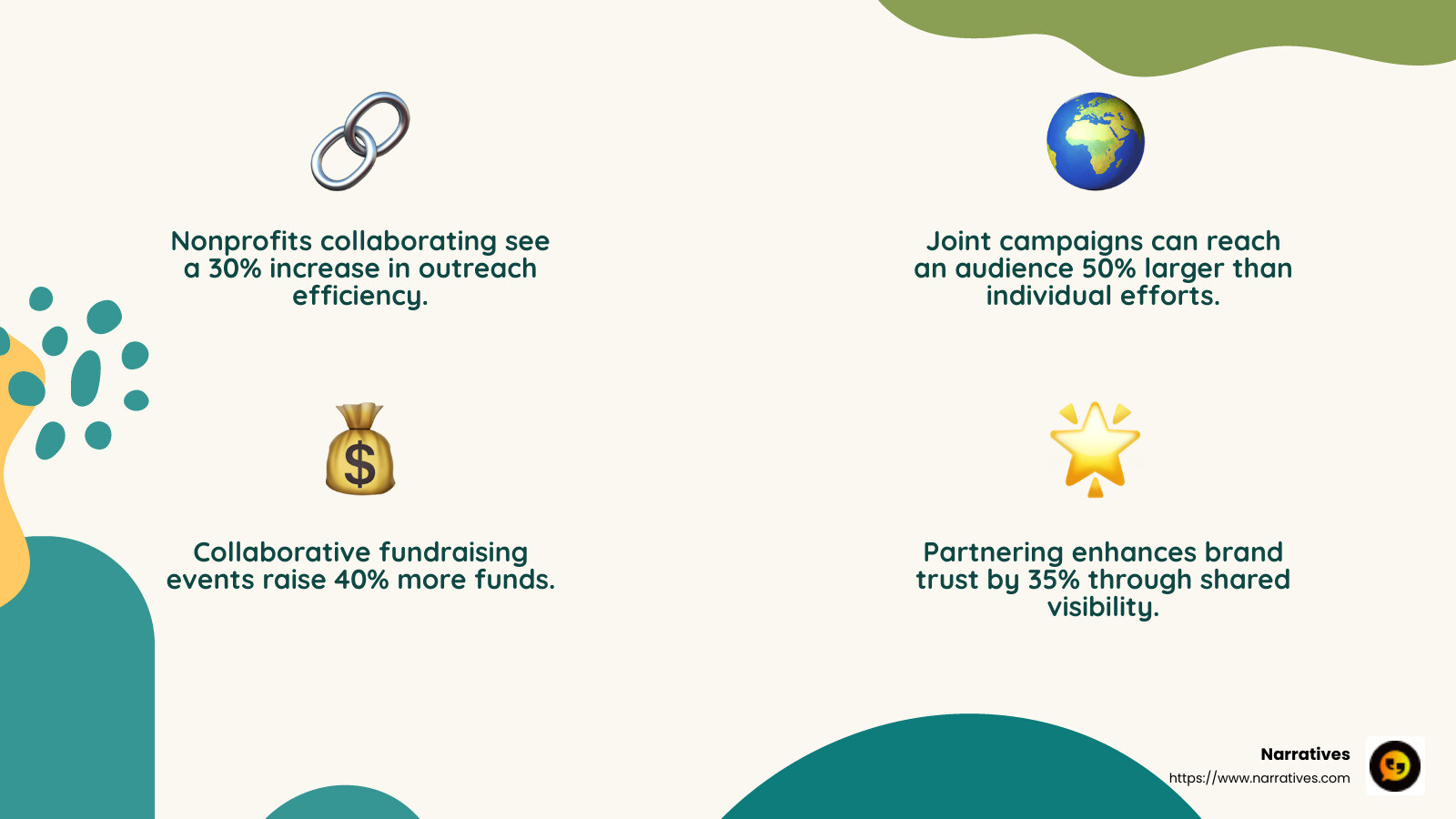
Consider hosting a webinar together or organizing a joint fundraising event. These activities not only raise funds but also strengthen community ties and build lasting partnerships.
In summary, the benefits of partnering with a non profit are vast. By sharing resources, reaching new audiences, and engaging in creative fundraising, organizations can amplify their impact and drive meaningful change. These collaborations are a powerful way to achieve shared goals and create lasting social good.
Types of Nonprofit Partnerships
Nonprofit partnerships come in various forms, each offering unique opportunities to amplify impact and achieve shared goals. Let's explore three key types: corporate sponsorships, joint campaigns, and public-private partnerships.
Corporate Sponsorships
Corporate sponsorships are a common form of partnership where businesses provide financial or in-kind support to nonprofits. This relationship is mutually beneficial: companies improve their brand image and fulfill Corporate Social Responsibility (CSR) objectives, while nonprofits gain vital resources and increased visibility.
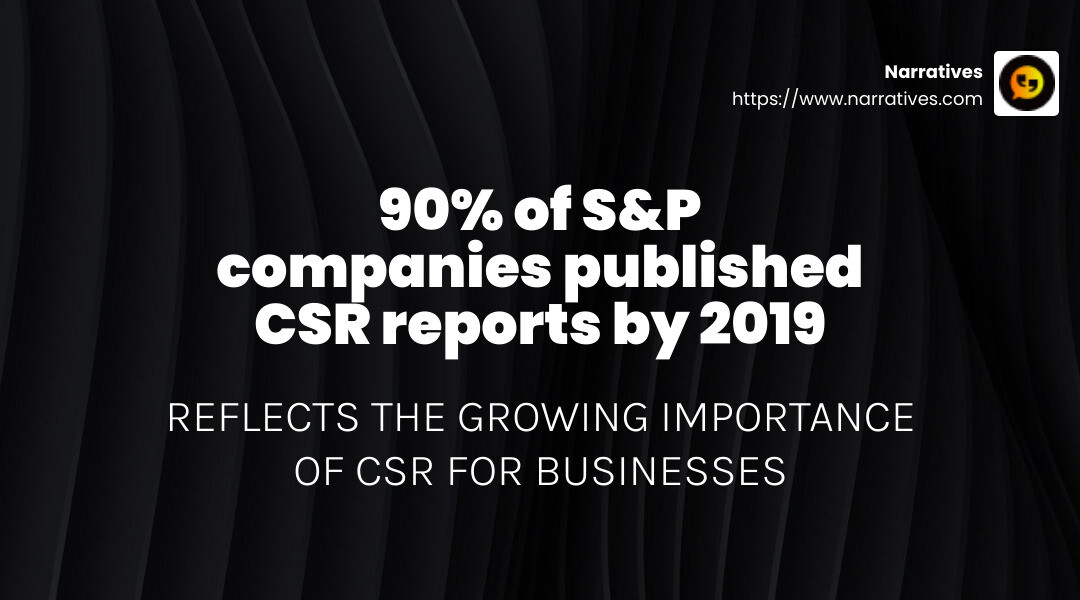
Harvard Business School highlights that 90% of companies on the S&P index published CSR reports by 2019, up from 20% in 2011. This trend underscores the growing importance of CSR for businesses. Partnering with nonprofits can generate positive press and public goodwill, reinforcing a company's reputation.
Joint Campaigns
Joint campaigns involve collaboration between two or more nonprofits to tackle common issues. By combining skills, networks, and resources, these partnerships can achieve goals that might be unattainable individually. The synergy created often leads to innovative solutions and broader reach.
For instance, a joint campaign can attract more media attention than solo efforts. This not only amplifies the campaign's impact but also boosts the credibility of all involved organizations. Think of it as a team effort where each nonprofit brings its strengths to the table, multiplying the overall effectiveness.
Public-Private Partnerships
Public-private partnerships (PPPs) involve collaboration between government entities and nonprofits to address social needs. These partnerships leverage the strengths of both sectors to deliver public services more efficiently. Nonprofits offer expertise and community connections, while the public sector provides resources and regulatory support.
PPPs are particularly effective in areas like education, healthcare, and infrastructure development. By aligning goals and pooling resources, these partnerships can drive significant social change and improve community well-being.
Nonprofit partnerships—whether through corporate sponsorships, joint campaigns, or public-private collaborations—offer powerful avenues to achieve greater impact. Each type brings unique strengths, enabling organizations to tackle challenges more effectively and create lasting benefits for society.
10 Ways Nonprofit Partnerships Benefit All
Partnering with a nonprofit can bring a wealth of benefits to all parties involved. Let's explore the top ten ways these collaborations can make a significant impact.
1. Contributions
Nonprofit partnerships often lead to increased contributions. By working together, organizations can pool their resources to attract larger donations. This collaborative approach can also open doors to grants that specifically require partnerships, boosting financial support for all involved.
2. In-Kind Contributions
Beyond financial support, nonprofits can exchange in-kind contributions. This means sharing tools, knowledge, and strategies. For example, one nonprofit might offer marketing expertise, while another provides logistical support. This exchange strengthens both organizations and improves their fundraising efforts.
3. Marketing
Partnerships can boost marketing efforts. Collaborations are often newsworthy, attracting media attention that provides free publicity. Sharing success stories and outcomes on social media or blogs can increase visibility and build positive sentiment for both partners.
4. Volunteers
Volunteers are the backbone of many nonprofits. By partnering, organizations can tap into each other's volunteer pools. This access to a broader base of volunteers can make it easier to plan and execute large-scale events.
5. Matching Gifts
Corporate partners often offer matching gifts programs, where they match employee donations to nonprofits. This doubles the impact of each donation and encourages more employees to contribute, benefiting the nonprofit and enhancing the company's CSR efforts.
6. Brand Image
Being associated with a reputable nonprofit can significantly boost a company's brand image. According to the Cone research study, 87% of consumers are more likely to buy from companies that support causes they care about. This partnership can transform public perception and increase customer loyalty.
7. CSR Platform
A strong partnership with a nonprofit improves a company's CSR platform. It aligns business operations with social good, showcasing the company's commitment to making a positive impact. This alignment is crucial in today's market, where consumers expect companies to address broader societal challenges.
8. Employee Engagement
Nonprofit partnerships provide unique opportunities for employee engagement. Employees can participate in volunteer activities, boosting morale and creating a sense of purpose. This engagement can lead to higher job satisfaction and retention rates, as employees feel connected to the company's values.
9. Competitive Advantage
Companies gain a competitive advantage by partnering with nonprofits. As highlighted in the 2017 Cone CSR Report, consumers prefer to buy from socially responsible businesses. This preference can differentiate a company from its competitors and attract more customers.
10. Social Capital
Finally, these partnerships build social capital. By working together, organizations strengthen community ties and foster relationships that can evolve into ongoing support. This social capital can lead to collaborations beyond a single project, creating a lasting impact on the community.
In summary, nonprofit partnerships offer a multitude of benefits that extend far beyond financial gains. They improve brand image, improve employee engagement, and build social capital, ultimately driving positive change in society.
How to Build Effective Nonprofit Partnerships
Building a successful nonprofit partnership requires careful planning and strategic thinking. Here’s how to do it right.
Identify Compatible Partners
Start by finding organizations that share your values and goals. Compatibility is key. When both parties are aligned in their mission, it makes collaboration smoother and more impactful. Make sure both sides are committed to the success of the partnership.
Define Clear Objectives
Before you dive in, it's crucial to set clear objectives. What do you hope to achieve together? Whether it’s raising a certain amount of funds, expanding services, or increasing awareness about an issue, specific goals help everyone stay on track. They also make it easier to measure success.
Communicate Effectively
Good communication is the backbone of any successful partnership. Keep all lines open and share updates regularly. Be clear about your needs and expectations from the start. Regular meetings and updates ensure everyone stays informed and engaged.
Review and Adapt
Finally, regularly review how the partnership is doing. Evaluate whether you're meeting your goals and look for ways to improve. Being open to change and adapting strategies as needed will maximize the partnership's effectiveness. This approach ensures continued benefits for all involved.
By focusing on these key areas—compatible partners, clear objectives, effective communication, and adaptability—you can build strong, effective nonprofit partnerships that help achieve more than you could alone.
Frequently Asked Questions about Nonprofit Partnerships
What are nonprofit partnerships?
Nonprofit partnerships are strategic alliances between two or more organizations that share common goals. These partnerships aim to leverage each other's strengths to achieve greater impact. For example, a nonprofit focused on environmental conservation might partner with a tech company to develop apps that help track wildlife populations. By working together, they can combine resources, reach wider audiences, and create more effective solutions.
How do corporate sponsorships work?
Corporate sponsorships involve a business providing financial support or in-kind contributions to a nonprofit. In return, the company often gains brand exposure. This can happen through event sponsorships, where a company sponsors a charity gala and gets its logo featured prominently. Corporate sponsorships can also include cause-related marketing, where a portion of sales from a product is donated to the nonprofit. This not only provides funds for the nonprofit but also improves the corporation's image as a socially responsible entity.
What is the role of public-private partnerships?
Public-private partnerships involve collaboration between government entities and private organizations to address social needs and provide public services. These partnerships can be instrumental in areas like infrastructure development, education, and healthcare. For instance, a city government might partner with a nonprofit and a private company to build a community center. The government provides the land, the nonprofit offers expertise in community engagement, and the private company contributes funding and construction resources. Together, they create a facility that benefits the community and meets public needs more efficiently than if any entity worked alone.
Conclusion
In today's world, effective storytelling is more crucial than ever for nonprofits seeking to make a difference. At Narratives, we believe in the power of digital storytelling to lift underrepresented voices and inspire action. By partnering with us, nonprofits can harness the benefits of partnering with a nonprofit, reaching broader audiences and amplifying their impact.
Our approach focuses on community-driven storytelling, ensuring that the stories we tell resonate with the heart of the communities they aim to support. This strategy not only builds trust but also fosters a strong connection between nonprofits and their audiences. By sharing authentic and emotionally engaging stories, we help nonprofits capture the attention and support they need to thrive.
Through our expertise in creating high-quality multimedia content, we empower nonprofits to communicate their mission and achievements effectively. This not only increases their visibility but also attracts potential partners and donors who share their vision. This leads to stronger community bonds and greater social impact.
If you're a nonprofit looking to improve your storytelling efforts and reach new heights, we invite you to learn more about how Narratives can help. Together, we can create stories that inspire change and make a lasting difference.


.avif)