How B2B Content Syndication Works: A Comprehensive Guide

Content syndication for b2b is a powerful digital marketing tool used to amplify content reach, drive lead generation, and create meaningful connections with target audiences. For those new to the concept, here's a quick breakdown:
- Content Syndication: The process of distributing content through third-party platforms to reach broader audiences.
- Lead Generation: Generating potential sales leads by targeting specific B2B audiences interested in your content.
- Digital Marketing Boost: Enhancing your digital presence by leveraging syndication to increase brand visibility and engagement.
Today, organizations are recognizing the value of sharing knowledge rather than just pushing sales messages. This strategy aligns well with research showing that a staggering 87% of B2B marketers now prioritize educational content to attract and retain consumers.
Effective content syndication plays a critical role in marketing strategies, especially in sectors like technology. It involves distributing valuable content across external platforms to cultivate high-quality business leads and improve brand recognition.
B2B marketers, especially in non-profits focused on storytelling, can expand their mission through content syndication. By sharing their impactful narratives across diverse platforms, they not only lift their cause but also engage new audience segments, driving greater brand advocacy and impact.
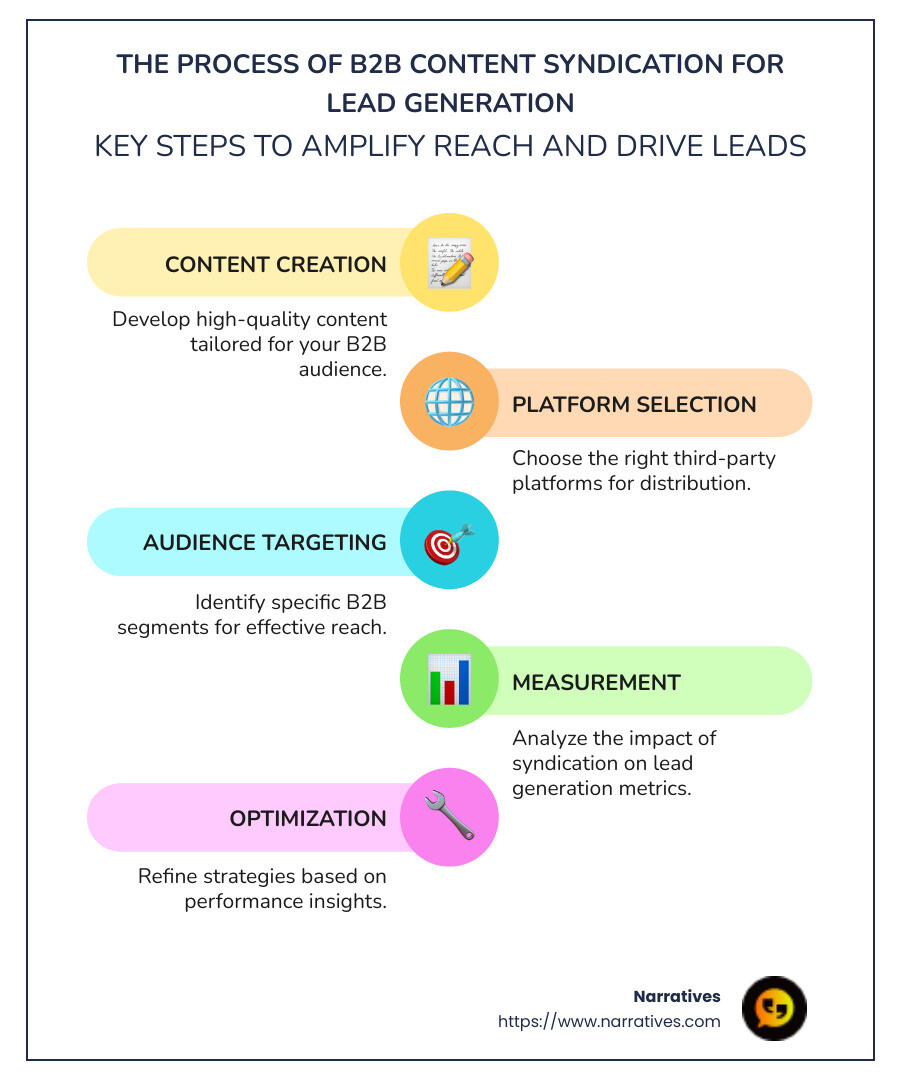
Content syndication for b2b helpful reading:
Understanding Content Syndication for B2B
What is B2B Content Syndication?
B2B Content Syndication is all about sharing your content on other websites to reach more people. Think of it as a way to get your message out there without having to create new content from scratch. You take your existing digital content—like blog posts, videos, or infographics—and distribute it through third-party websites. This is called content duplication, but don't worry, it's not about spamming the internet with copies!
Why do this? Simple. It helps you expand your audience reach. By getting your content onto platforms that your target audience already visits, you increase your brand awareness. It's like being featured in a popular magazine but in the digital world.
Here's a quick breakdown of how this works:
- Content Distribution: You share your content on different platforms to reach more people.
- Third-Party Websites: These are the sites that host your content, giving it a wider audience.
- Digital Content: This includes anything from articles to videos that you want to share.
How Does B2B Content Syndication Work?
Now, let's talk mechanics. How does content syndication actually work in practice?
Distribution Channels: These are the paths your content takes to reach new audiences. Think LinkedIn, Medium, or specialized industry websites. Each channel has its own audience, so choose wisely based on where your potential customers hang out.
Syndication Networks: These are groups of websites that agree to share content. By tapping into these networks, your content can appear on many sites at once, multiplying your reach.
Canonical Tags: This is a bit technical but important. When you duplicate content, you need to ensure search engines know where the original content lives. You do this with canonical tags. They tell search engines, "Hey, this is the main version of this content," preventing any SEO penalties for duplicate content.
By using these elements effectively, content syndication for B2B can boost your brand's visibility and help you connect with audiences you might not have reached otherwise. It’s a strategic way to leverage existing content for maximum impact.
Benefits of B2B Content Syndication
Generating High-Quality Leads
B2B content syndication is a powerhouse for generating high-quality leads. Why? Because it targets audiences who are already interested in what you offer. By distributing your content to platforms frequented by your target market, you attract potential customers who are more likely to convert.
Think of it like fishing in a pond full of fish that are already hungry for what you’re serving. The result? Higher conversion rates and a better return on investment (ROI) for your marketing efforts.

When your content is relevant and valuable, it naturally draws in leads who are genuinely interested. This means less time wasted on cold calls and more focus on nurturing leads that are likely to turn into paying customers.
Enhancing SEO with Content Syndication
Content syndication isn’t just about lead generation; it’s also a secret weapon for boosting your SEO. By placing your content on high-authority sites, you gain backlinks that point back to your website. These backlinks are like votes of confidence from other sites, telling search engines that your content is worth ranking.
But wait, there’s more. Canonical links play a crucial role here. They ensure that search engines know where the original content is located, preventing any penalties for duplicate content. This means your site maintains its search engine ranking while still benefiting from the exposure that content syndication offers.
Content syndication allows you to kill two birds with one stone: you get to reach new audiences while also improving your search engine visibility. This dual benefit not only improves your brand engagement but also sets the stage for long-term success in the digital landscape.
In summary, content syndication for B2B is a strategic move that not only amplifies your reach but also strengthens your brand’s online presence. It’s about working smarter, not harder, to get your content in front of the right people.
Strategies for Effective B2B Content Syndication
Organic vs. Paid Content Syndication
When it comes to content syndication for B2B, you have two main options: organic and paid. Each has its own perks and can be strategically used based on your goals and budget.
Organic content syndication is like planting seeds in a garden. You share your content on free platforms like LinkedIn, Medium, or Quora. This approach is cost-effective and can help you reach a broader audience without spending a dime. However, the challenge lies in standing out amidst the vast sea of content. Success here relies heavily on creating high-quality, engaging content that resonates with your audience.
On the flip side, paid content syndication acts like a fast-track ticket. You pay to have your content distributed across targeted syndication networks, ensuring it reaches millions of potential customers. This method guarantees visibility and can deliver leads more quickly. But remember, it requires a budget and careful management to ensure a good return on investment.
Choosing between organic and paid syndication depends on your resources and objectives. A balanced mix of both can often yield the best results, combining the broad reach of organic with the targeted precision of paid.
Choosing the Right Syndication Platforms
Selecting the right platforms is crucial for effective B2B content syndication. The goal is to align your content with platforms that match your audience and industry.
Platform selection should start with understanding where your audience spends their time online. Are they professionals on LinkedIn? Or perhaps they are avid readers on Medium? Knowing this helps you choose platforms that will maximize your content's impact.
Audience alignment is key. A platform may have a large audience, but if it doesn't align with your target market, it's not the right fit. Look for platforms that cater to your industry or niche.
Content relevance is another factor to consider. Some platforms are better suited for certain types of content. For example, SlideShare is ideal for presentations, while Substack is great for newsletters. Match your content format to the platform's strengths to improve engagement.
By carefully selecting the right syndication platforms, you ensure that your content not only reaches a wider audience but also resonates with those who are most likely to engage with it. This strategic approach to content syndication for B2B helps you maximize your efforts and achieve your marketing goals efficiently.
Frequently Asked Questions about Content Syndication for B2B
What types of content can be syndicated?
In the field of content syndication for B2B, there are several types of content that can be effectively syndicated to reach a wider audience. Here are some popular options:
Blog Posts: These are a staple in content marketing. Syndicating blog posts allows businesses to share their insights and expertise with a broader audience, driving traffic back to their main site.
Videos: As a fast-growing medium, videos can engage audiences in dynamic ways. Syndicating videos, such as tutorials or product demos, can capture attention quickly and effectively.
Webinars: These are great for in-depth discussions and presentations. Syndicating recorded webinars can extend their reach and continue to generate leads long after the live event.
Each type of content serves a different purpose and can be chosen based on the target audience's preferences and the message you want to convey.
How does content syndication affect SEO?
When it comes to SEO, content syndication for B2B can be a double-edged sword. Here's how it impacts your search engine optimization:
Duplicate Content: Syndicated content is essentially duplicated content. Search engines like Google typically prefer unique content and may penalize duplicate content by not indexing it. This is where the risk lies.
Canonical Tags: To mitigate SEO penalties, using canonical tags is crucial. These tags tell search engines which version of the content is the original. By doing so, you can ensure that your website maintains its SEO value while still benefiting from the exposure that syndication provides.
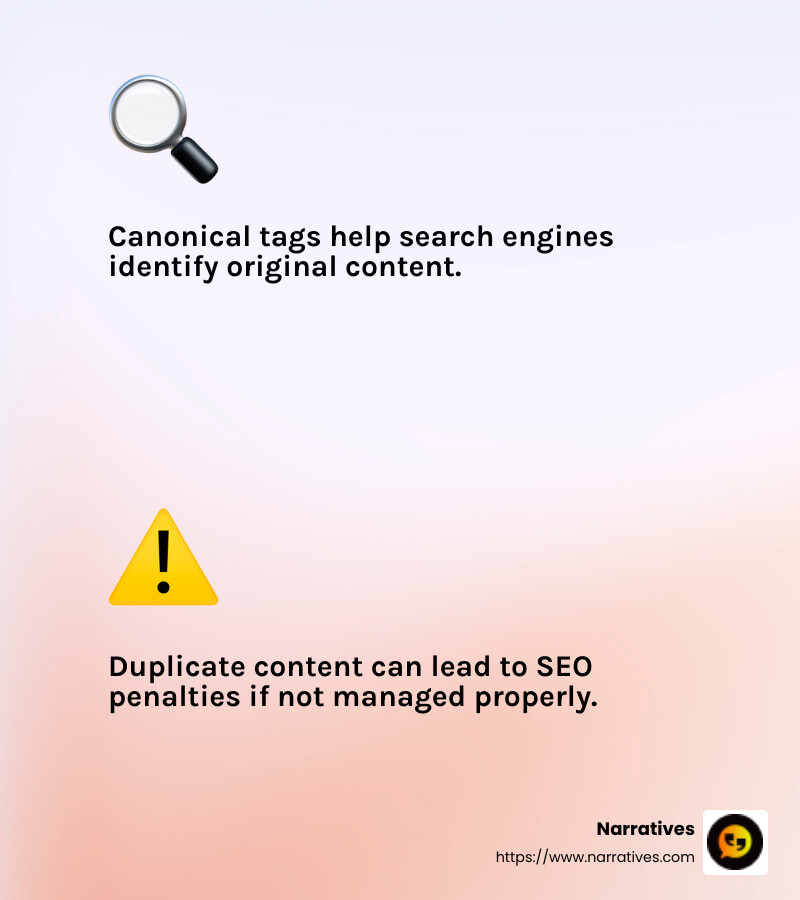
By carefully managing these aspects, businesses can enjoy the benefits of content syndication without sacrificing their SEO performance.
Should non-profits use content syndication?
Absolutely! For non-profits, content syndication for B2B offers unique advantages:
Brand Visibility: Syndicating content can significantly improve a non-profit's visibility. By appearing on reputable platforms, non-profits can raise awareness about their mission and initiatives.
Audience Engagement: Engaging a wider audience is vital for non-profits. Syndicated content can reach new supporters and volunteers who resonate with the cause.
Storytelling: Non-profits thrive on storytelling. Syndicating stories about impact, challenges, and successes can inspire and motivate audiences, fostering deeper connections.
Incorporating content syndication into their strategies can help non-profits amplify their message and achieve their goals more effectively.
Conclusion
As we wrap up this guide on content syndication for B2B, it's clear that this strategy is a game-changer, especially for non-profits and purpose-driven organizations like Narratives. By leveraging digital storytelling, we can lift underrepresented voices and create emotionally resonant content that truly connects with audiences.
Narratives stands out as a partner for non-profits, focusing on high-quality multimedia content that inspires action and builds trust. Through strategic partnerships, we help non-profits share their impact stories in ways that increase visibility and engagement. This approach not only improves brand awareness but also strengthens community ties.
For non-profits, content syndication opens doors to new audiences and potential supporters. By syndicating content across trusted platforms, non-profits can boost their brand visibility and engage with a broader audience. This is crucial for driving support and achieving their mission.
Incorporating content syndication into your digital strategy can transform your outreach efforts. Whether you're looking to improve SEO, generate leads, or simply tell your story more effectively, content syndication is a powerful tool.
Ready to explore the potential of content syndication for your organization? Learn more about how Narratives can help you amplify your message and make a real impact.
By embracing content syndication and digital storytelling, we can help non-profits thrive in today's digital landscape, making a difference one story at a time.


.avif)