Nonprofit Success: A Comprehensive Guide to Digital Marketing

The Power of Digital Marketing for Nonprofits
Digital marketing for non-profits is a vital tool in today's connected world. It provides a way for nonprofits to reach supporters, share their mission, and achieve their goals. With the majority of potential donors and volunteers already online, here's why digital marketing is essential for nonprofits:
- Improves Engagement: Connect with supporters through custom messages on social media, email, and more.
- Boosts Awareness: Increase visibility and recognition in your community.
- Drives Donations: Compel online audiences to contribute to your cause with compelling campaigns.
- Fosters Relationships: Create and maintain meaningful ties with donors and volunteers.
These key benefits highlight why embracing digital marketing can amplify the impact of your nonprofit. As the digital landscape evolves, mastering online outreach becomes crucial to your success.
Consider this insight from John Suart of the Non-Profit Marketer: "Digital marketing allows people to get to know your organization and its values." With a strategic approach, nonprofits can not only grow their online presence but also drive real-world change.
By setting clear, measurable goals, nonprofits can harness digital marketing to not only increase donations but foster community engagement. Whether expanding your email list or boosting social media followers, each goal aligns with your mission.
Why Digital Marketing is Crucial for Nonprofits
Digital marketing for non-profits is not just an option—it's a necessity. It offers nonprofits the ability to engage with supporters, build brand awareness, and establish a strong online presence. Here's how these elements contribute to the success of nonprofit organizations:
Engagement
Digital marketing enables nonprofits to connect with their audience in a personal and interactive way. Through platforms like social media and email, organizations can tailor their messages to resonate with different segments of their audience. This two-way communication fosters a sense of community and encourages supporters to become more involved.
For instance, responding to comments on social media or sending personalized thank-you emails can make supporters feel valued. This approach not only boosts engagement but also strengthens the relationship between nonprofits and their community.
Brand Awareness
Increasing brand awareness is crucial for nonprofits looking to expand their reach. Digital marketing allows organizations to share their mission and values with a broader audience. By consistently sharing compelling stories and impactful visuals, nonprofits can capture the attention of potential supporters.
Consider the impact of video marketing. A well-crafted video can convey a nonprofit's mission powerfully and memorably, helping to differentiate it from others in the crowded digital space. This can lead to increased recognition and support for the cause.
Online Presence
A strong online presence is essential for nonprofits to thrive. With most donors and volunteers beginning their search online, having an active and engaging digital footprint is crucial. This includes maintaining an updated website, optimizing for search engines, and being active on social media platforms.
Search Engine Optimization (SEO) is particularly important. By using relevant keywords, nonprofits can improve their visibility in search engine results, making it easier for people to find them. As a result, they can attract more visitors to their website and convert them into supporters.
In summary, digital marketing is a powerful tool that helps nonprofits engage with their audience, build brand awareness, and establish a robust online presence. By leveraging these strategies, nonprofits can amplify their impact and achieve their mission more effectively.
Crafting a Digital Marketing Strategy for Nonprofits
Creating a digital marketing strategy for non-profits is like building a roadmap to success. It guides how you engage with your audience, achieve your goals, and grow your impact. Here's how you can craft an effective strategy:
SMART Goals
Setting SMART goals is the first step in your digital marketing journey. SMART stands for Specific, Measurable, Attainable, Relevant, and Time-based. These goals help you focus your efforts and measure your success.
Specific: Clearly define what you want to achieve. Instead of saying "increase supporters," aim for "add 200 new email subscribers through newsletter sign-ups."
Measurable: Use concrete numbers to track progress. For example, aim for "50 new donors acquired by year-end."
Attainable: Set realistic goals that challenge but don't overwhelm your team. This keeps everyone motivated and on track.
Relevant: Ensure your goals align with your nonprofit's mission. Every effort should contribute to your core objectives.
Time-based: Set a deadline to maintain momentum. For instance, "achieve 200 new sign-ups by the end of the year."
By using SMART goals, you lay a solid foundation for your digital marketing efforts.
Audience Segmentation
Understanding your audience is crucial for effective communication. Segmenting your audience allows you to tailor messages to different groups, increasing engagement.
Identify Segments: Group supporters based on characteristics like donation history, event attendance, or interests. For example, separate those interested in volunteering from those who prefer donating.
Personalize Messages: Address each segment's unique needs and motivations. Personalized communication makes supporters feel valued and understood.
Use Behavioral Analytics: Tools like Feathr can help you analyze behavior, such as site visits or giving page interactions, to refine your segments further.
By segmenting your audience, you ensure your messages resonate with the right people, enhancing your outreach effectiveness.
Email Automation
Email remains a powerful tool for nonprofits. Automating your email campaigns saves time and ensures timely communication.
Trigger-Based Emails: Set up automated emails triggered by specific actions, like signing up for a newsletter or making a donation. This ensures immediate engagement.
Welcome Series: Create a series of emails to introduce new subscribers to your nonprofit, share your mission, and invite them to get involved.
Thank-You Messages: Automatically send personalized thank-you emails to donors and volunteers. This simple gesture strengthens relationships and encourages continued support.
By leveraging email automation, you maintain consistent communication with your audience, fostering long-term engagement.
In crafting a digital marketing strategy, setting SMART goals, segmenting your audience, and using email automation are key steps. These strategies ensure your efforts are focused, personalized, and efficient, helping your nonprofit achieve its mission.
Digital Marketing for Non-Profits: Key Platforms and Tools
Nonprofits have a vast array of tools and platforms at their disposal to expand their reach and amplify their impact. Let's explore the essential platforms and tools that can lift your nonprofit's digital marketing efforts.
Social Media
Social media is a powerhouse for nonprofits, offering a direct line to supporters and potential donors. Channels like Facebook, Instagram, and Twitter allow you to share stories, promote events, and engage with your community.
Visual Storytelling: Use images and videos to tell compelling stories about your mission. Platforms like Instagram are perfect for visual content that captures attention.
Engagement: Encourage your audience to like, comment, and share your posts. This not only builds community but also extends your reach.
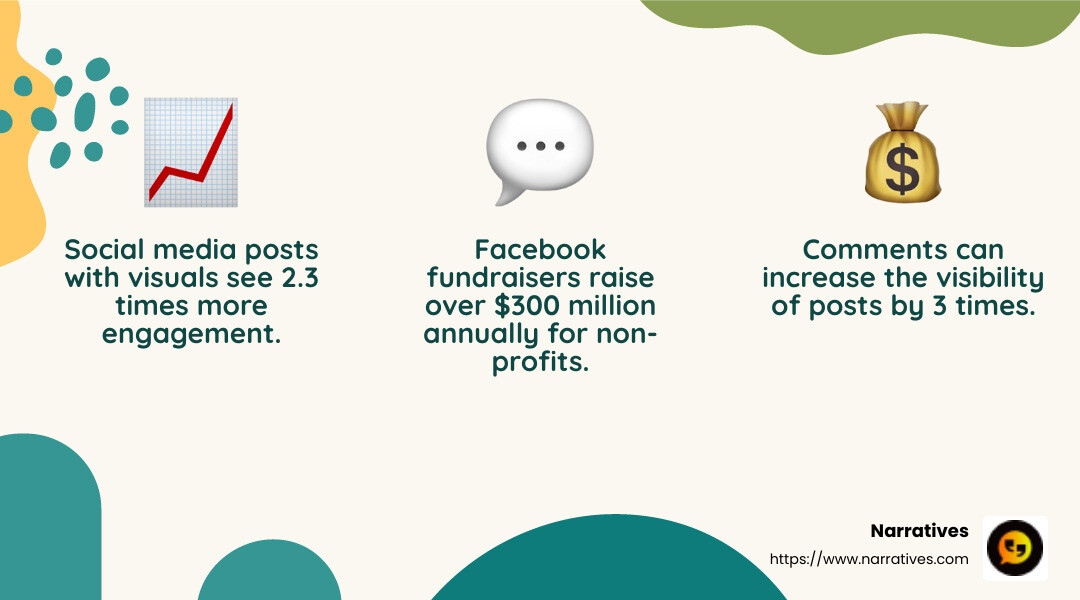
Fundraising Features: Platforms like Facebook offer fundraising tools that allow supporters to create donation drives on your behalf.
SEO (Search Engine Optimization)
SEO is about making your nonprofit more visible online. When someone searches for terms related to your cause, you want your organization to appear at the top of search results.
Keyword Research: Identify keywords that supporters might use to find your services. For instance, if you run an animal shelter, use terms like "adopt a pet" or "animal rescue."
Content Creation: Write blog posts and articles that incorporate these keywords naturally. This helps improve your search rankings.
Local SEO: Optimize for local searches if your services are location-specific. Include your city or region in your keywords.
Google Ads
Google Ads can be a game-changer for nonprofits, especially with programs like Google Ad Grants offering $10,000 in free monthly advertising credits.
Targeted Ads: Create ads that target specific keywords related to your mission. This ensures your nonprofit appears at the top of search results when potential supporters are looking for causes like yours.
Measurable Impact: Use Google Ads' analytics to track the performance of your campaigns and adjust your strategy accordingly.
Email Marketing
Email remains a staple in digital marketing for nonprofits, driving significant engagement and donations.
Regular Newsletters: Keep supporters informed about your work, upcoming events, and successes. Consistent communication helps build trust and loyalty.
Segmentation: Tailor your messages to different segments of your audience, such as donors, volunteers, or event attendees, to increase relevance and engagement.
Automated Campaigns: Set up automated emails for new subscribers, donation confirmations, and thank-you notes to maintain connection and appreciation.
Video Marketing
Video content is a powerful tool for storytelling and engagement. It can convey emotion and urgency like no other medium.
Mission Videos: Create short videos that explain your mission and showcase your impact. Share these on social media and your website.
Live Streams: Host live events or Q&A sessions to engage with your audience in real-time. This adds a personal touch and encourages interaction.
Testimonial Videos: Share stories from those you've helped. Authentic testimonials can inspire others to support your cause.
By leveraging these platforms and tools, nonprofits can effectively reach and engage their audience, driving awareness and support for their mission. Next, let’s explore some powerful strategies that can further amplify your digital marketing efforts.
Six Powerful Digital Marketing Strategies for Nonprofits
To make the most of digital marketing for non-profits, consider these six strategies that can lift your outreach and engagement efforts.
1. Google Ad Grants
Google Ad Grants is a fantastic opportunity for nonprofits to gain visibility online without the hefty price tag. Google offers eligible nonprofits up to $10,000 per month in free advertising credits. This allows your organization to appear at the top of search results when people look for causes like yours.
- Eligibility: Make sure your nonprofit is registered with TechSoup and Google for Nonprofits.
- Targeted Campaigns: Create ads focused on specific keywords relevant to your mission. This ensures your message reaches the right audience.
- Performance Tracking: Use Google Ads' analytics tools to monitor and optimize your campaigns, ensuring that your efforts yield the best results.
2. Video Marketing
Video marketing is a compelling way to connect with your audience emotionally. Videos can tell your story in a dynamic and engaging way, inspiring viewers to take action.
- Emotional Impact: Craft videos that highlight your mission and the people you serve. Authentic stories can move viewers to support your cause.
- Budget-Friendly Production: Use available resources to produce high-quality videos even on a tight budget. Many tools and platforms can help you create impactful content without breaking the bank.
- Distribution: Share your videos on platforms like YouTube and social media to maximize reach and engagement.
3. Social Media Promotion
Social media is a cost-effective platform for promoting your nonprofit's content and engaging with your community.
- Paid Promotions: Allocate a budget for boosting your posts on platforms like Facebook and Instagram. This increases visibility and engagement.
- Interactive Content: Encourage followers to interact with your posts through likes, comments, and shares. This not only builds community but also extends your reach.
- Fundraising Tools: Use features like Facebook's "Donate Now" button to facilitate donations directly through social media.
4. Influencer Partnerships
Partnering with influencers who align with your mission can significantly expand your reach and credibility.
- Network Building: Reach out to influencers who are passionate about your cause. Their endorsement can introduce your organization to a broader audience.
- Collaborative Campaigns: Work with influencers to create content that highlights your mission and encourages their followers to get involved.
- Local Partnerships: Collaborate with local businesses or community leaders to strengthen your presence and engagement within your community.
5. Email Marketing
Email remains a powerful tool for nonprofit communication and fundraising.
- Segmentation: Tailor your emails to different audience segments, such as donors, volunteers, and event attendees. Personalized messages resonate more with recipients.
- Automation: Set up automated emails for tasks like welcoming new subscribers or thanking donors. This ensures consistent communication and builds loyalty.
- Compelling Content: Craft engaging subject lines and include images or videos to capture attention and convey your message effectively.
6. Storytelling
Storytelling is at the heart of effective nonprofit marketing. It humanizes your mission and makes it relatable.
- Narrative Crafting: Share stories of individuals or communities you've helped. Highlight the impact of your work in a way that resonates emotionally with your audience.
- Visual Storytelling: Use images and videos to complement your stories. Visual content can improve the emotional appeal and make your message more memorable.
- Consistent Messaging: Ensure that your storytelling aligns with your brand's mission and values across all platforms.
By implementing these strategies, nonprofits can improve their digital marketing for non-profits efforts, fostering greater awareness and support for their mission. Next, we'll discuss how to evaluate and optimize these marketing efforts for continued success.
Evaluating and Optimizing Your Digital Marketing Efforts
Once you've launched your digital marketing campaigns, it's crucial to evaluate their effectiveness. This helps you understand what works and what doesn’t, ensuring your efforts are aligned with your goals.
Key Metrics to Track
To determine the success of your digital marketing for non-profits, focus on these essential metrics:
Email Open and Click-Through Rates: These indicate how engaging your email content is. If your rates are low, consider revising your subject lines or content.
Campaign Conversion Rate: This measures the percentage of people who complete a desired action, like donating or signing up for a newsletter. High conversion rates mean your messaging is effective.
Supporter Acquisition Cost: Calculate how much it costs to gain a new supporter. Lower costs generally indicate more efficient marketing strategies.
Return on Investment (ROI): This is the overall profit from your campaigns compared to what you spent. A positive ROI means your efforts are paying off.
Donor Retention Rate: Retaining donors is often more cost-effective than acquiring new ones. Track how many donors continue to support you over time.
Performance Analysis
Analyzing these metrics helps you identify patterns in your digital marketing efforts. For example, if you notice a trend of low email open rates, you might need to adjust your content or timing. Use tools like Google Analytics for detailed insights.
Trend Identification: Look at your strategy as a whole to spot trends. This might reveal which platforms or messages are most effective.
Comparative Analysis: Compare your current metrics with past performance. This shows whether your strategies are improving or need adjustments.
Optimizing for Better Results
Optimization is about making small, data-driven changes to improve your outcomes. Here’s how:
A/B Testing: Experiment with different versions of your content to see what works best. This could be email subject lines, ad copy, or social media posts.
Feedback Loops: Gather feedback from your supporters to understand what they value. Use surveys or direct conversations to gain insights.
Goal Adjustment: As you gather data, adjust your goals to be more challenging or realistic. This keeps your team motivated and focused.
By continuously evaluating and optimizing your efforts, your nonprofit can maximize its impact and ensure that your digital marketing for non-profits is as effective as possible.
Next, we'll explore some frequently asked questions about digital marketing strategies for nonprofits.
Frequently Asked Questions about Digital Marketing for Non-Profits
How can nonprofits use social media effectively?
Social media is a powerful tool for nonprofits, allowing them to reach a wide audience with minimal cost. Here are some tips to make the most of it:
Choose the Right Platforms: Start with platforms like Facebook, Instagram, and Twitter, which have broad reach and user-friendly tools for nonprofits.
Engage Your Audience: Share stories, updates, and calls to action. Encourage interaction by asking questions and responding to comments.
Leverage Visual Content: Use images and videos to tell your story. Visual content is more engaging and can help convey your message quickly.
Use Social Media Ads: Even with a small budget, promoting posts can significantly increase your reach. For example, Facebook Ads can target specific demographics interested in your cause.
Track Your Impact: Use analytics tools provided by social platforms to monitor engagement and adjust your strategy as needed.
What are the benefits of Google Ad Grants for nonprofits?
Google Ad Grants is a fantastic opportunity for nonprofits to gain visibility without straining their budget. Here's why it's beneficial:
Free Advertising Budget: Eligible nonprofits receive $10,000 per month in Google Ads credit, allowing them to appear in search results without cost.
Increased Visibility: Your ads can appear when users search for keywords related to your cause, driving more traffic to your website.
Targeted Reach: You can tailor your ads to specific audiences based on geography, interests, and search behavior.
Data-Driven Insights: Google Ads provides detailed analytics, helping you understand what works and where to improve.
Amplified Impact: With strategic use, these ads can significantly boost donations, volunteer sign-ups, and event attendance.
How does email marketing benefit nonprofits?
Email marketing remains one of the most effective ways for nonprofits to engage with their audience. Here's how it benefits your organization:
Personalized Communication: Tailor messages to different segments of your audience, making your outreach more relevant and impactful.
Cost-Effective Outreach: With high ROI, email marketing is budget-friendly, generating about $40 for every $1 spent.
Builds Relationships: Regular newsletters and updates keep your supporters informed and connected to your mission.
Encourages Action: Clear calls to action in emails can drive donations, volunteer sign-ups, and event participation.
Measurable Results: Track open rates, click-through rates, and conversions to refine your strategy and improve results over time.
By leveraging these digital marketing tools and strategies, nonprofits can improve their outreach and achieve their mission more effectively.
Conclusion
Storytelling has become more than just a way to share a message—it's a powerful tool for community engagement. At Narratives, we believe in the transformative power of stories to lift underrepresented voices and inspire action. By crafting emotionally resonant content, nonprofits can connect with their audience on a deeper level, building trust and increasing visibility.
Narratives specializes in helping nonprofits create high-quality video and multimedia content that showcases their impact. This approach not only highlights the good work being done but also invites others to join the cause. Through storytelling, nonprofits can turn passive followers into active participants, fostering a community that is invested in their mission.
Community engagement is about more than just reaching people; it's about creating a space where individuals feel connected and inspired to contribute. Whether through a heartfelt video or a compelling blog post, the stories we share can motivate others to take action, donate, or volunteer.
As you consider your nonprofit's digital marketing strategy, effective storytelling is key. By focusing on authentic narratives, you can engage your community and drive meaningful change.
To learn more about how Narratives can help your nonprofit succeed through impactful storytelling, visit our page. Let's tell stories that make a difference.


.avif)