From Story to Support: Digital Storytelling Strategies for Fundraising

Digital storytelling for fundraising is changing how nonprofits connect with their supporters. At its core, digital storytelling for fundraising allows organizations to share their mission in powerful, engaging ways. By combining technology with traditional storytelling elements, nonprofits can effectively communicate their cause and drive donations.
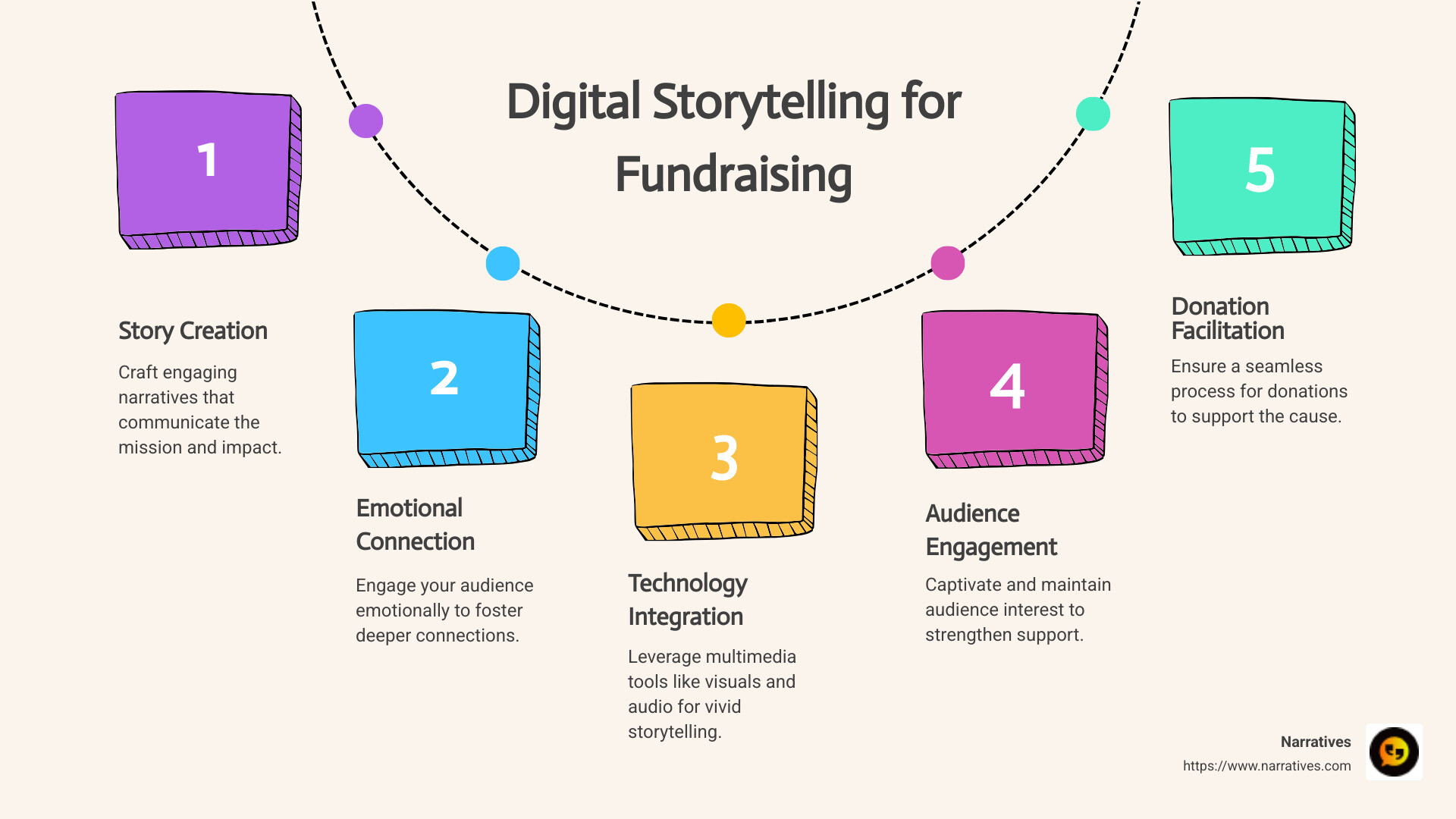
Here are the key points:
Tells a Story: Communicate your mission and impact through narratives.
Engages Emotionally: Connect with audiences on a deeper level, pulling on heartstrings.
Leverages Technology: Use visuals, audio, and multimedia to make your story more vivid and accessible.
The integration of storytelling with fundraising is more than just a trend—it's a necessity in today's digital landscape. Nonprofits are competing for attention in an increasingly crowded field. With the right stories, they can captivate audiences and strengthen their support base.
To succeed, nonprofits must harness the power of digital tools to craft stories that resonate, inspire, and indeed, generate support.
Quick Digital storytelling for fundraising definitions:
The Power of Digital Storytelling for Fundraising
Digital storytelling for fundraising is revolutionizing how nonprofits engage with donors. It's not just about telling stories; it's about creating connections and sparking emotions that drive action.
Storytelling as a Tool
Think of storytelling like a bridge. It connects your nonprofit's mission with the hearts of potential donors. By weaving narratives that highlight your cause, you can make your mission relatable and urgent.
For example, the Wildlife Conservation Society's "96 Elephants" campaign used a simple yet powerful story to rally support against elephant poaching. This narrative wasn't just about elephants; it was about a global crisis that needed immediate attention. The campaign successfully brought together various stakeholders, showing the power of a well-told story.
Building Donor Connections
Stories are more than just words; they're experiences. When donors hear a story that resonates, they feel connected to the cause. This connection is vital for long-term support.
A study by Scientific American found that 65% of our conversations are based on storytelling. This statistic highlights how intrinsic stories are to human communication and connection. For nonprofits, this means using stories to transform passive listeners into active supporters.
Emotional Engagement
Emotions are at the heart of effective fundraising. A compelling story can evoke empathy, inspire generosity, and motivate action. When a donor feels emotionally engaged, they're more likely to contribute and continue supporting the cause.
Research shows that stories stimulate the release of oxytocin, a hormone that improves feelings of trust and empathy. This chemical reaction is what makes storytelling such a powerful fundraising tool. It turns abstract concepts into personal commitments.
Nonprofits must leverage storytelling to cut through the noise and connect with audiences on a deeper level. By doing so, they not only raise funds but also build a community of committed supporters.
Integrating Technology with Storytelling
Integrating technology with storytelling is key to successful fundraising. This approach not only improves the storytelling experience but also makes the donation process seamless and efficient.
Multimedia Tools
Using multimedia tools can transform a simple story into an engaging experience. Videos, images, and interactive elements can bring your narrative to life, making it more relatable and impactful.
For instance, Narratives, a content agency, leverages multimedia to highlight the communities they serve. By using videos and images, they humanize stories and create a deep emotional connection with the audience. This strategy not only captures attention but also encourages engagement and support.
Seamless Donation Process
A challenge nonprofits face is maintaining the flow from storytelling to fundraising. This is where technology comes in. Storyraise is a prime example of a platform that integrates storytelling with a seamless donation process.
With Storyraise, readers can donate without leaving the story. This integration eliminates friction points that can deter potential donors. It allows for a smooth transition from feeling inspired to taking action, all within the same narrative.
This kind of frictionless experience is crucial. It increases conversion rates and encourages spontaneous giving. When donating is easy and intuitive, people are more likely to contribute.
Storyraise: A Game Changer
Storyraise not only simplifies donations but also improves the overall storytelling experience. By integrating with platforms like Bloomerang, it provides valuable insights into donor behavior and engagement. This data-driven approach allows nonprofits to refine their strategies and maximize their fundraising efforts.
With tools like Storyraise, nonprofits can capitalize on the emotional impact of their stories. They can turn empathy into action, making it easier for supporters to contribute to the cause.
Incorporating technology into storytelling is no longer optional; it's essential. By embracing these tools, nonprofits can amplify their impact, reach a wider audience, and build a community of dedicated supporters.
Crafting Compelling Fundraising Narratives
Digital storytelling for fundraising hinges on crafting narratives that resonate deeply with your audience. At its core, a compelling narrative ignites empathy, follows a clear structure, and uses the STAR method to guide the storytelling process.
The Role of Empathy in Storytelling
Empathy is the heartbeat of effective storytelling. It allows your audience to feel the emotions of those your organization serves. This emotional connection is crucial for fundraising success. When donors empathize with the story, they are more likely to support the cause.
Research shows that stories activate the brain's emotional centers, releasing hormones like oxytocin, which improves trust and generosity. By telling stories that evoke empathy, nonprofits can create a sense of community and shared purpose among supporters.
Narrative Structure: The Foundation of a Good Story
A well-structured narrative is like a roadmap for your story. It guides the audience from the beginning to the end, ensuring that the message is clear and impactful. The basic elements of a narrative include:
Characters: Introduce the people or communities your organization helps. These characters should be relatable and evoke empathy.
Plot: Outline the journey or challenge faced by the characters. This should include a clear beginning, middle, and end.
Setting: Provide context about where and why the story is happening.
Conflict: Highlight the problem or need that your organization addresses.
Resolution: Show how your organization is making a difference and how donors can be part of the solution.
Using the STAR Method
The STAR method is a simple yet powerful technique to structure your story:
Situation: Describe the context or background of the story.
Task: Explain the challenge or task at hand.
Action: Detail the actions taken by your organization or volunteers to address the challenge.
Results: Share the outcomes and impact of these actions. This is where you show the tangible difference made by your organization.
This method not only clarifies the story but also highlights the positive results of donor support, encouraging further contributions.
Case Studies: Effective Storytelling in Action
Organizations like Sightsavers and WaterAid have mastered the art of storytelling by using immersive multimedia content. For example, Sightsavers' "Once Upon a Time in Malawi" uses maps, photographs, and videos to create an engaging narrative. Similarly, WaterAid's case study on water practices immerses readers with compelling photos and personal stories, driving home the urgency and impact of their work.
By following these storytelling principles, nonprofits can craft narratives that not only inform but also inspire action. Through empathy, a clear narrative structure, and the STAR method, organizations can transform stories into powerful tools for fundraising success.
Leveraging Emerging Technologies
In digital storytelling for fundraising, emerging technologies are game-changers. They offer new ways to engage audiences and boost donations. Let's explore some of these cutting-edge tools: generative AI, blockchain, and interactive experiences.
Generative AI: Crafting Personalized Stories
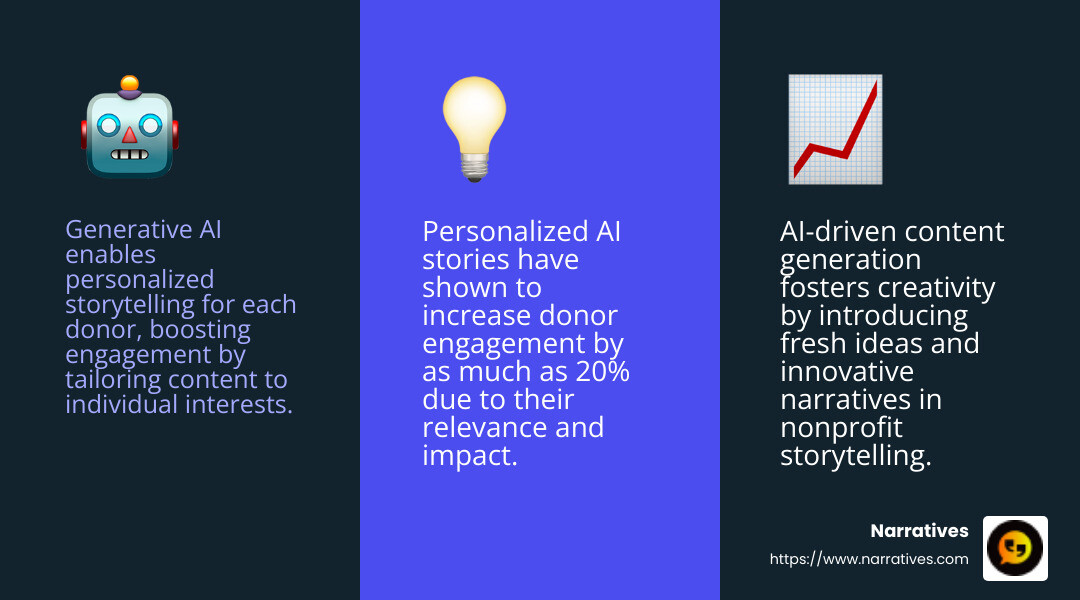
Generative AI is revolutionizing how nonprofits create content. This technology uses algorithms to generate text, images, or even videos. Imagine tailoring a story to fit each donor's interests. AI can analyze data and craft personalized messages that resonate with individual supporters.
- Personalization at Scale: AI can create unique stories for thousands of donors, increasing engagement.
- Improved Creativity: By generating new ideas or content, AI helps nonprofits keep their storytelling fresh and innovative.
Blockchain: Building Trust and Transparency
Blockchain technology provides a secure and transparent way to manage donations. It creates an immutable ledger of transactions, which can build trust among donors.
- Transparency: Donors can see exactly how their contributions are being used, enhancing trust.
- Security: Blockchain ensures that donation records are tamper-proof, protecting against fraud.
This technology can transform how nonprofits manage funds and communicate with supporters, creating a more open and trustworthy fundraising process.
Interactive Experiences: Engaging the Audience
Interactive experiences bring stories to life, making them more engaging and memorable. These can include virtual reality (VR), augmented reality (AR), or interactive web content.
- Immersive Storytelling: VR and AR allow donors to experience the impact of their contributions firsthand. Walking through a virtual school they helped build can be a powerful motivator.
- Interactive Web Content: Tools like quizzes or interactive maps can engage users, making them more likely to donate.
By leveraging these technologies, nonprofits can create dynamic and engaging narratives that captivate their audience and drive support.
Frequently Asked Questions about Digital Storytelling for Fundraising
How can digital storytelling improve donor engagement?
Digital storytelling is a powerful tool for enhancing donor engagement. It allows nonprofits to connect with potential donors on a deeper emotional level. By using multimedia elements like videos, images, and audio, stories become more vivid and relatable. This multi-sensory experience can evoke empathy and inspire action.
For example, WaterAid uses compelling photos and personal stories to immerse readers in their work, encouraging them to support their mission. This approach not only raises awareness but also fosters a sense of urgency and a desire to contribute.
Key Benefits:
- Emotional Connection: Stories that resonate emotionally lead to higher engagement.
- Authenticity: Sharing real-life experiences and testimonials builds trust.
- Memorable Content: Multimedia elements make stories more memorable, increasing the likelihood of donor support.
What are the best practices for creating impactful fundraising stories?
Creating impactful fundraising stories involves a mix of strategy and creativity. Here are some best practices:
Use a Traditional Story Arc: Start with a conflict or problem, showcase the solution, and highlight the impact. This structure keeps the audience engaged from beginning to end.
Play on Emotion: Share stories that evoke a range of emotions, whether it's joy, empathy, or inspiration. This emotional play encourages donors to connect with your cause.
Incorporate Visuals: Use images, videos, and graphics to improve your narrative. Sightsavers effectively uses maps and photos to tell their stories, making them more engaging.
Be Authentic: Authenticity builds trust. Share genuine stories from beneficiaries, volunteers, or donors to create a deeper connection.
Leverage Technology: Use tools like Storyraise to integrate donation options directly into your stories, making it easier for donors to contribute without leaving the narrative.
How can nonprofits measure the success of their digital storytelling efforts?
Measuring the success of digital storytelling efforts is crucial for continuous improvement. Here are some ways nonprofits can track their progress:
Engagement Metrics: Monitor likes, shares, comments, and video views to gauge audience interest and engagement.
Conversion Rates: Track how many story viewers become donors. Tools like Storyraise can help measure this by integrating donation functionalities directly into the narrative.
Donor Feedback: Collect feedback from donors about what stories resonate with them. This can provide valuable insights into what works and what doesn't.
Analytics Tools: Use analytics platforms to track website traffic, time spent on pages, and click-through rates. This data helps refine storytelling strategies for better results.
By focusing on these metrics, nonprofits can optimize their storytelling efforts, ensuring they continue to engage and inspire their audience effectively.
Conclusion
Digital storytelling for fundraising is not just a trend; it's a transformative approach that can significantly amplify a nonprofit's impact. At Narratives, we believe in the power of community-driven storytelling to bring about social change. By elevating underrepresented voices, we help nonprofits tell their stories in a way that resonates deeply with audiences.
Social impact is at the heart of what we do. Through high-quality, emotionally compelling video and multimedia content, we aim to inspire action and build trust. Our approach is simple: share real stories that highlight the challenges communities face and the positive changes nonprofits are making. This not only increases visibility but also fosters a strong emotional connection with supporters.
Community-driven storytelling is about more than just sharing stories; it's about creating a dialogue. We partner with nonprofits to craft narratives that are authentic and engaging, allowing them to connect with their audience on a personal level. This connection is crucial for building long-term support and achieving fundraising goals.
By leveraging the latest in multimedia tools and integrating seamless donation processes, like those offered by Storyraise, we ensure that the storytelling experience is immersive and actionable. This approach not only improves the user experience but also maximizes fundraising outcomes.
At Narratives, we are committed to helping nonprofits harness the full potential of digital storytelling. Together, we can turn stories into support and drive meaningful social impact.

.avif)