Storytelling with Support: Navigating Digital Grants

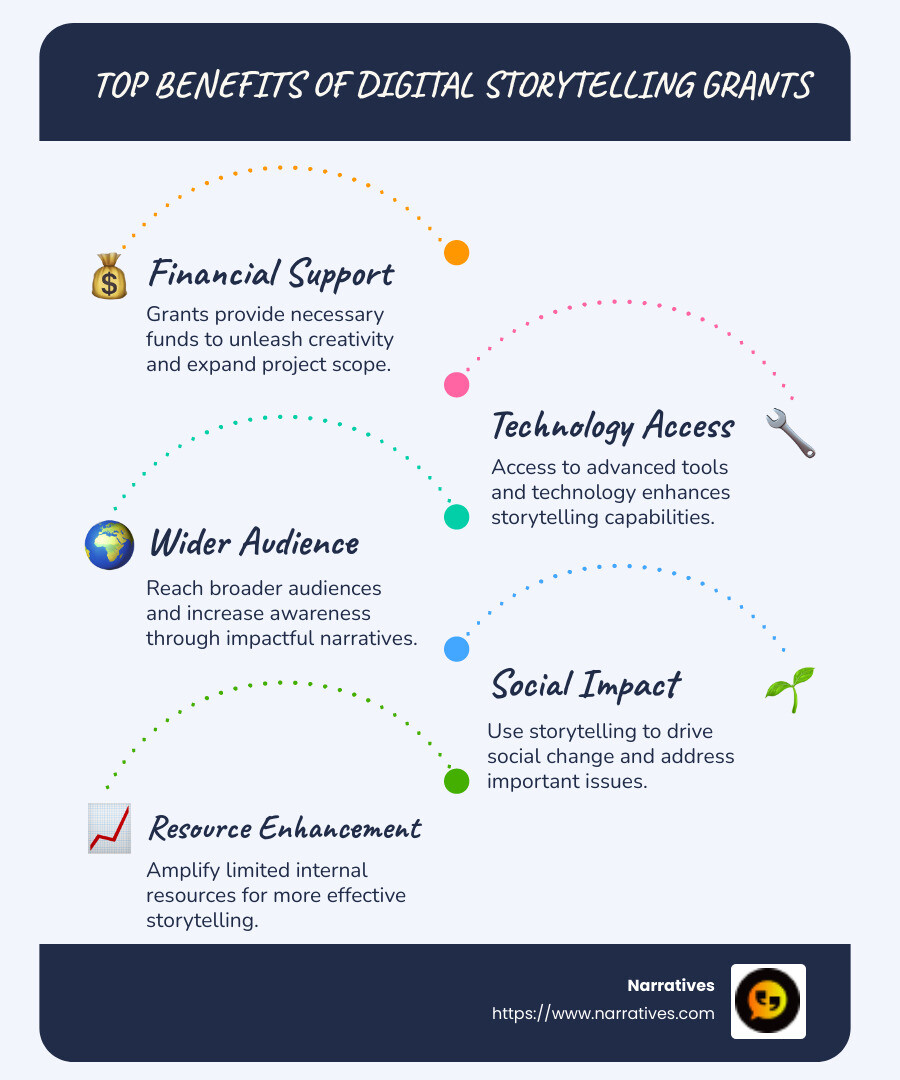
Digital storytelling grants provide essential support for organizations and individuals aiming to craft impactful narratives that resonate deeply with audiences. These grants open up funding opportunities and enable storytellers to tackle significant issues, drive social change, and amplify their mission through compelling digital content.
- Open up creative potential with financial support.
- Access to tools and technology to boost storytelling capabilities.
- Opportunity to engage broader audiences and generate awareness.
For nonprofits, social impact organizations, and brands focused on advocacy, digital storytelling grants serve as a crucial tool. They can improve limited internal resources, allowing these entities to narrate their stories authentically and effectively. From exploring vital cultural histories to driving forward pivotal social justice narratives, the right grant can make the difference between a project that merely expresses and one that empowers.
Navigating digital storytelling grants starts here. Whether you're seeking funding for video projects, multimedia storytelling, or innovative digital initiatives, understanding the available opportunities will guide you in making an impactful difference in your community and beyond.
Understanding Digital Storytelling Grants
When it comes to digital storytelling grants, knowing the ins and outs can make all the difference in securing the support needed for your project. Let's explore the specifics of Level I and Level II grants to help you understand what they offer and how they can fuel your storytelling endeavors.
Level I and Level II Grants
National Geographic's grant program is a notable player in the field of digital storytelling. They offer two main types of grants: Level I and Level II.
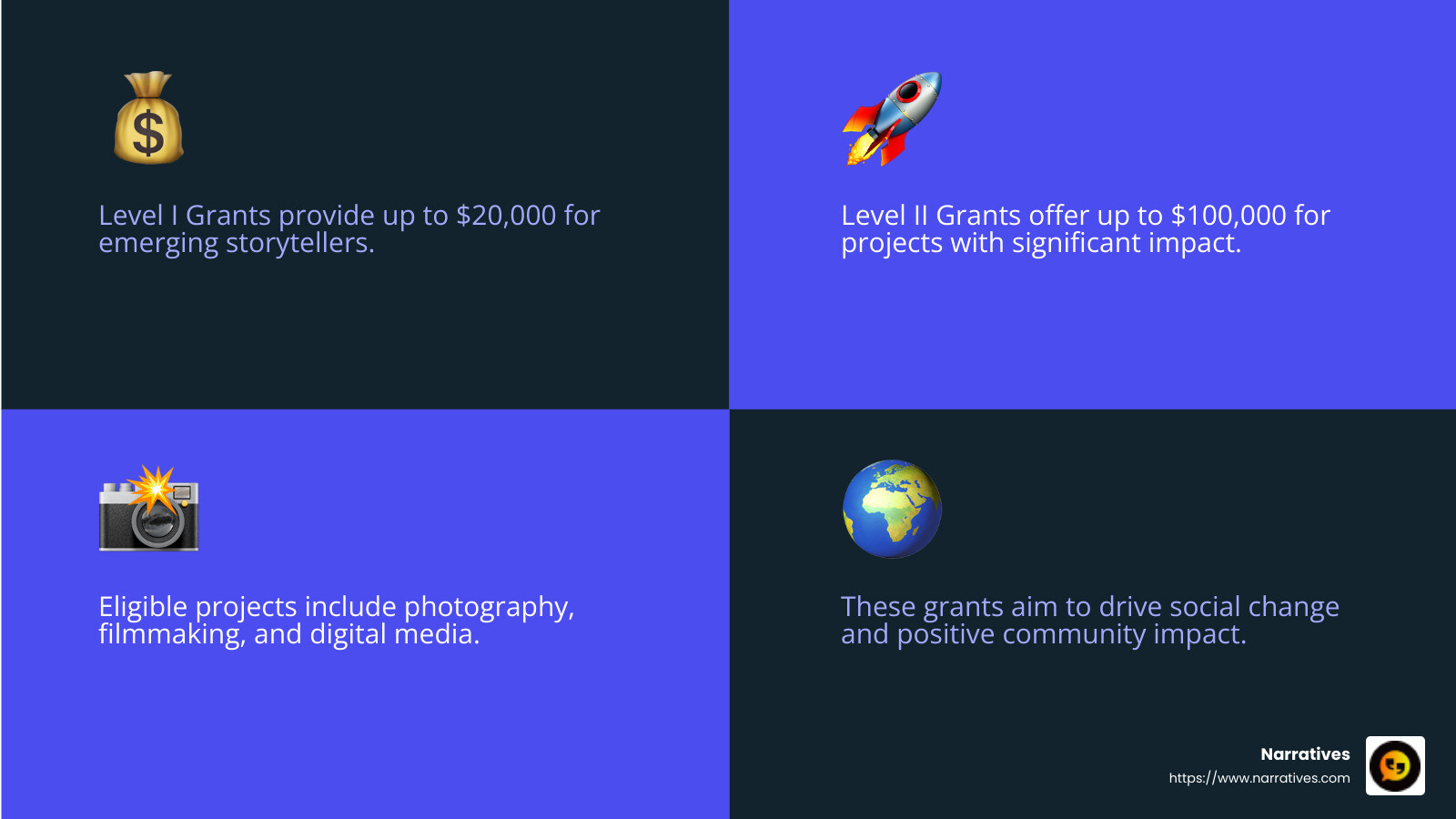
Level I Grants provide funding up to $20,000. These grants are ideal for emerging storytellers or organizations looking to establish themselves. If you can demonstrate how joining the Explorer Community will boost your career, you have a higher chance of receiving this grant.
Level II Grants are more substantial, offering up to $100,000. These are reserved for projects that are already well-established and are pushing boundaries to achieve significant impact. If your project can demonstrate a tangible and meaningful effect, a Level II grant might be the right fit.
Storytelling Projects and Funding Amounts
The types of projects that can benefit from these grants are diverse. They can include photography, filmmaking, cartography, journalism, or digital media. The key is to demonstrate how your project will drive social change or impact your community positively.
Here’s a quick comparison:
| Grant Level | Maximum Funding | Ideal For |
|---|---|---|
| Level I | $20,000 | Emerging storytellers and projects |
| Level II | $100,000 | Established projects with significant impact |
These grants are not just about the money. They provide access to a community of explorers and experts who can offer guidance and support. Being part of this network can open doors to new opportunities and collaborations.
In summary, understanding the types of grants available and the criteria for each can position you to effectively leverage these resources. Whether you're just starting or looking to expand your storytelling project, there are options custom to meet your needs.
Next, we'll explore the top digital storytelling grants for 2025, including those from NEH Digital Projects and the Journalism and Media program. Stay tuned to find the best opportunities for your storytelling journey.
Top Digital Storytelling Grants for 2025
As we look ahead to 2025, several standout digital storytelling grants are paving the way for storytellers to bring their visions to life. Let's explore some of the most promising opportunities, including those from NEH Digital Projects, National Geographic, and the Journalism and Media program.
NEH Digital Projects
The National Endowment for the Humanities (NEH) offers robust support for digital storytelling through its Digital Humanities Advancement Grants. These grants encourage innovative and experimental projects that contribute to the critical infrastructure of the humanities.
Key Details:
- Level II Grants: Up to $150,000
- Level III Grants: Up to $350,000, plus an additional $100,000 in matching funds
These grants are ideal for projects that are pushing the boundaries of digital storytelling, integrating technology with humanistic research. Projects like the World Historical Gazetteer by the University of Pittsburgh exemplify the type of groundbreaking work supported by NEH.
National Geographic Grants
National Geographic continues to be a leader in supporting storytelling that drives social change. Their grants support a wide range of projects, including photography, filmmaking, and digital media.
Grant Levels:
- Level I Grants: Up to $20,000 for emerging storytellers
- Level II Grants: Up to $100,000 for established projects with significant impact
National Geographic's commitment to fostering a community of explorers means grant recipients gain access not only to funds but also to a network of experts and fellow storytellers. This support can be invaluable for projects aiming to make a tangible difference in their communities.
Journalism and Media Program
The Journalism and Media program is another excellent resource for nonprofits and storytellers focused on civic media and journalistic endeavors. This program supports projects that amplify marginalized voices and address pressing social issues through compelling narratives.
While specific funding amounts and deadlines may vary, the program consistently seeks to support initiatives that foster understanding and challenge stereotypes. By focusing on storytelling that highlights social justice issues, this program empowers storytellers to make a profound impact.
These grants represent just a few of the opportunities available to storytellers in 2025. Whether you're an emerging artist or an established organization, there's likely a grant that aligns with your vision.
Next, we'll dive into how to apply for these digital storytelling grants, including application instructions, eligibility criteria, and important deadlines. Stay tuned to ensure you're fully prepared to seize these opportunities.
How to Apply for Digital Storytelling Grants
Applying for digital storytelling grants can seem daunting, but breaking it down into simple steps can make the process manageable. Let's explore the key aspects: application instructions, eligibility criteria, and deadlines.
Application Instructions
First things first, thoroughly read the Notice of Funding Opportunity (NOFO) for each grant. This document contains all the essential details, including the expectations, restrictions, and submission procedures.
Gather Required Materials: Ensure you have all necessary documents ready. This may include a project narrative, budget justification, and letters of commitment.
Follow Submission Guidelines: Use platforms like Grants.gov to submit your application. Ensure your SAM registration is current and create a Login.gov account if needed.
Double-Check Your Submission: After submitting, Grants.gov will send multiple confirmation emails. Verify receipt of all emails to ensure your application is in the system.
Avoid Common Pitfalls: Applications must comply with all requirements marked as "must" in the NOFO. Non-compliance can lead to ineligibility.
Eligibility Criteria
Eligibility varies by grant, but some common factors include:
Project Relevance: Ensure your project aligns with the grant's goals and values. For example, NEH Digital Humanities Advancement Grants focus on innovative projects that improve humanistic research.
Organizational Requirements: Some grants may require collaboration with libraries or archives, as encouraged by the NEH and IMLS partnership.
Nonprofit Status: For grants targeting nonprofits, ensure your organization meets the necessary criteria, such as having a focus on civic media or storytelling.
Deadlines
Staying on top of deadlines is crucial. For instance, the NEH Digital Humanities Advancement Grants have a new deadline in May 2025. Missing a deadline can mean waiting another year to apply.
Mark Your Calendar: Set reminders for all key dates, including submission deadlines and any webinars or workshops that can aid your application process.
Plan Ahead: Give yourself plenty of time to complete the application. Rushing can lead to mistakes or incomplete submissions.
By understanding these key components—application instructions, eligibility criteria, and deadlines—you'll be better equipped to steer digital storytelling grants.
Next, we'll explore how these grants can benefit nonprofits, diving into nonprofit reporting and multimedia storytelling.
Digital Storytelling Grants for Nonprofits
Nonprofits have a unique opportunity to harness digital storytelling grants to amplify their impact. These grants are not just about funding; they're about empowering organizations to tell their stories in compelling ways, reach wider audiences, and drive social change.
Nonprofit Reporting
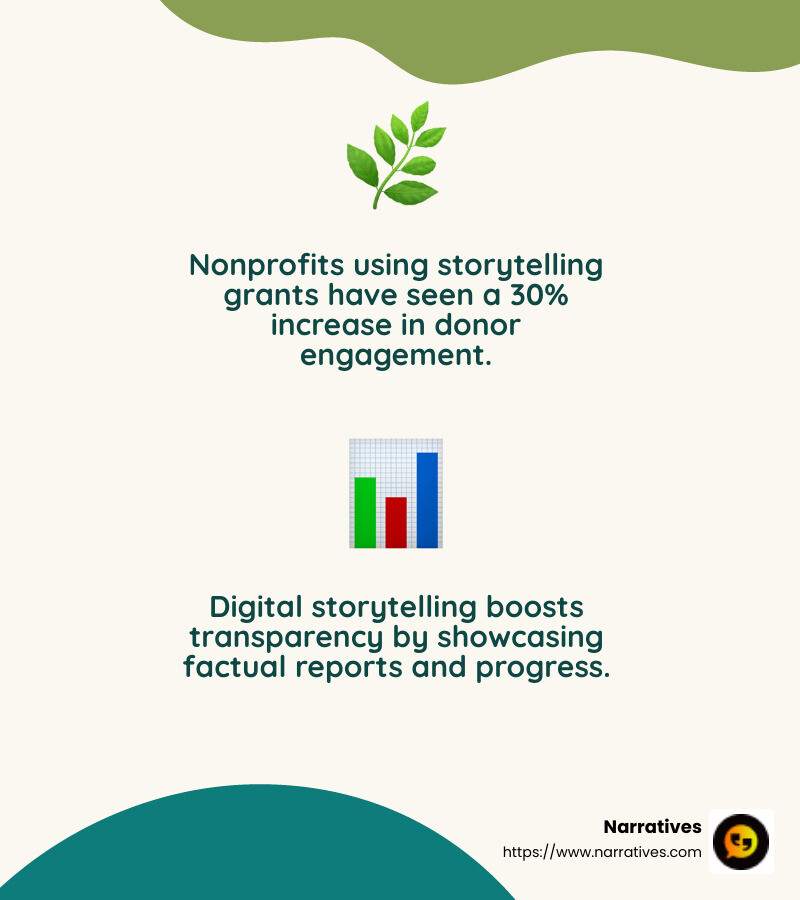
Nonprofit reporting is a critical component of storytelling. It involves sharing your organization's progress, challenges, and successes with stakeholders. With digital grants, nonprofits can improve their reporting through interactive and engaging content. For example, a nonprofit focused on environmental issues could use video storytelling to showcase the impact of their initiatives on local ecosystems.
Multimedia Storytelling
Digital storytelling grants open the door to multimedia storytelling. This means using a mix of video, audio, text, and interactive elements to create rich narratives. Nonprofits can partner with filmmakers or media agencies to produce high-quality content. Take the example of Kiss the Ground, a nonprofit that partnered with Big Picture Ranch to create a film highlighting regenerative agriculture. This approach not only educates but also inspires action among viewers.
Video Production: Grants like those from the Knight Foundation support innovative video projects, enabling nonprofits to experiment with new storytelling techniques.
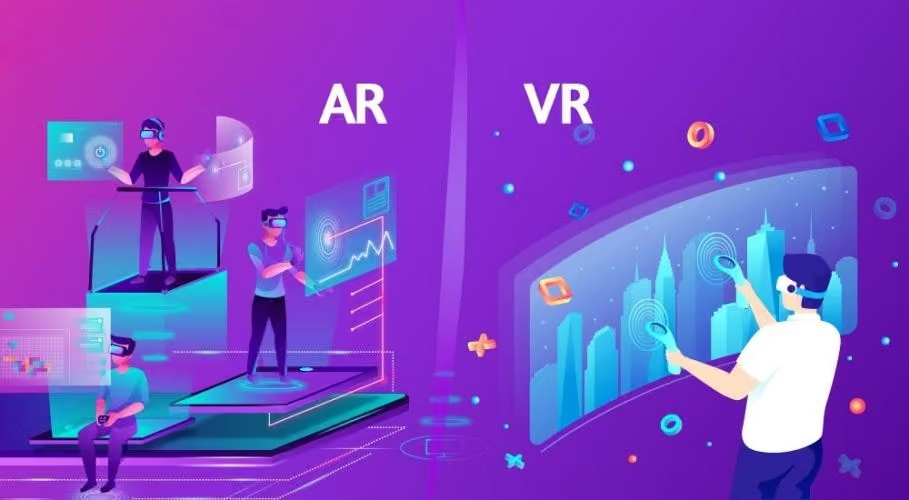
Interactive Content: The NEA grants encourage the exploration of both traditional and contemporary art forms, which can include interactive web-based stories or virtual reality experiences.
Civic Media
Civic media is about engaging communities through storytelling. It’s a powerful tool for nonprofits aiming to foster civic engagement and social change. Grants from organizations like the Ford Foundation focus on projects that address social and economic inequalities, making them ideal for nonprofits dedicated to civic media.
Amplifying Marginalized Voices: The Open Society Foundations Grants, for instance, support projects that amplify marginalized voices and advocate for human rights through video storytelling.
Community Engagement: Nonprofits can use these grants to create content that not only informs but also mobilizes communities to participate in civic activities.
By leveraging digital storytelling grants, nonprofits can improve their reporting, accept multimedia storytelling, and engage in civic media. These grants provide the resources necessary to create impactful narratives that resonate with audiences and drive meaningful change.
Next, let's dive into some frequently asked questions about digital storytelling grants, including eligibility criteria and common challenges.
Frequently Asked Questions about Digital Storytelling Grants
What are the eligibility criteria for digital storytelling grants?
To secure digital storytelling grants, understanding the eligibility criteria is key. Most grants require applicants to be nonprofit organizations, educational institutions, or individuals with a clear mission aligned with the grant's objectives. For instance, the NEH Digital Humanities Advancement Grants are open to projects that innovate in the humanities field. Applicants should ensure their projects are innovative, experimental, and contribute to critical infrastructure.
Key criteria often include:
- Nonprofit Status: Many grants prioritize nonprofit organizations.
- Project Alignment: The project must align with the grant’s goals. For example, a grant focused on environmental storytelling will favor projects that address ecological issues.
- Collaboration: Some grants, like those from the IMLS, encourage collaboration with libraries or archives to strengthen community learning.
How can digital storytelling grants benefit nonprofits?
Digital storytelling grants can significantly benefit nonprofits by providing the resources needed to tell impactful stories. These grants help nonprofits create content that engages audiences and drives their mission forward.
Benefits include:
Improved Visibility: Grants enable nonprofits to produce high-quality multimedia content, increasing their reach and visibility. For example, a nonprofit could use grant funds to produce a documentary that tells its story and attracts new supporters.
Capacity Building: By partnering with media professionals, nonprofits can build their capacity to create compelling narratives. This was seen in the collaboration between nonprofits and filmmakers, such as the partnership between Kiss the Ground and Big Picture Ranch.
Community Engagement: Storytelling can foster deeper connections with communities. Grants focused on civic media, like those from the Ford Foundation, support projects that engage communities and promote social change.
What are the common challenges in applying for digital storytelling grants?
Applying for digital storytelling grants can be challenging, but knowing the common problems can help applicants prepare better.
Common challenges include:
Complex Application Processes: Many grants have detailed application requirements. It's crucial to read the Notice of Funding Opportunity thoroughly and ensure compliance with all instructions.
Competition: With limited funds available, competition can be fierce. Proposals need to be well-crafted and clearly demonstrate the project's impact.
Alignment with Grant Goals: Ensuring the project aligns with the grant’s objectives is essential. Misalignment can lead to rejection, so applicants must tailor their proposals to meet the specific goals of the grant.
By understanding these challenges and preparing accordingly, nonprofits can increase their chances of securing digital storytelling grants.
Next, we'll explore how these grants contribute to community impact and social change, empowering organizations to make a difference.
Conclusion
Digital storytelling grants are more than just financial support—they are catalysts for community impact and social change. At Narratives, we believe in the power of storytelling to lift underrepresented voices and drive meaningful action. By partnering with nonprofits, we help create engaging multimedia content that not only tells stories but also inspires and mobilizes communities.
Empowering Community Impact
Grants provide the resources necessary for nonprofits to amplify their stories and reach wider audiences. With high-quality storytelling, these organizations can highlight the challenges and triumphs of the communities they serve. This visibility can lead to increased support, whether through volunteerism, donations, or policy change. For instance, the Journalism and Media program supports projects that promote accurate and inclusive news, helping to build resilient media ecosystems that serve diverse democratic societies.
Driving Social Change
Storytelling is a powerful tool for social change. By showcasing real-life stories of struggle and success, nonprofits can challenge stereotypes, raise awareness, and advocate for policy changes. Grants focused on participatory civic media, like those from the Ford Foundation, empower grassroots communities to express themselves and organize for social change. These projects not only inform but also engage audiences, encouraging them to act.
Narratives: Your Partner in Storytelling
At Narratives, we are committed to helping nonprofits harness the power of storytelling. Our expertise in creating emotionally resonant content ensures that your stories are not only heard but also felt. By focusing on community-driven storytelling, we help build trust and increase visibility for your cause.
In conclusion, digital storytelling grants are essential tools for nonprofits aiming to make a significant impact. They provide the means to share powerful stories that can transform communities and drive social change. As your storytelling partner, Narratives is here to support your journey in making a difference. Learn more about how we can help.

.avif)