Digital Storytelling Tools: A Comprehensive Guide

Digital tools for storytelling have revolutionized the way we share narratives. These tools allow us to blend text, images, video, and audio to craft stories that resonate. Whether you're looking to engage an audience or amplify a message, here are the essentials:
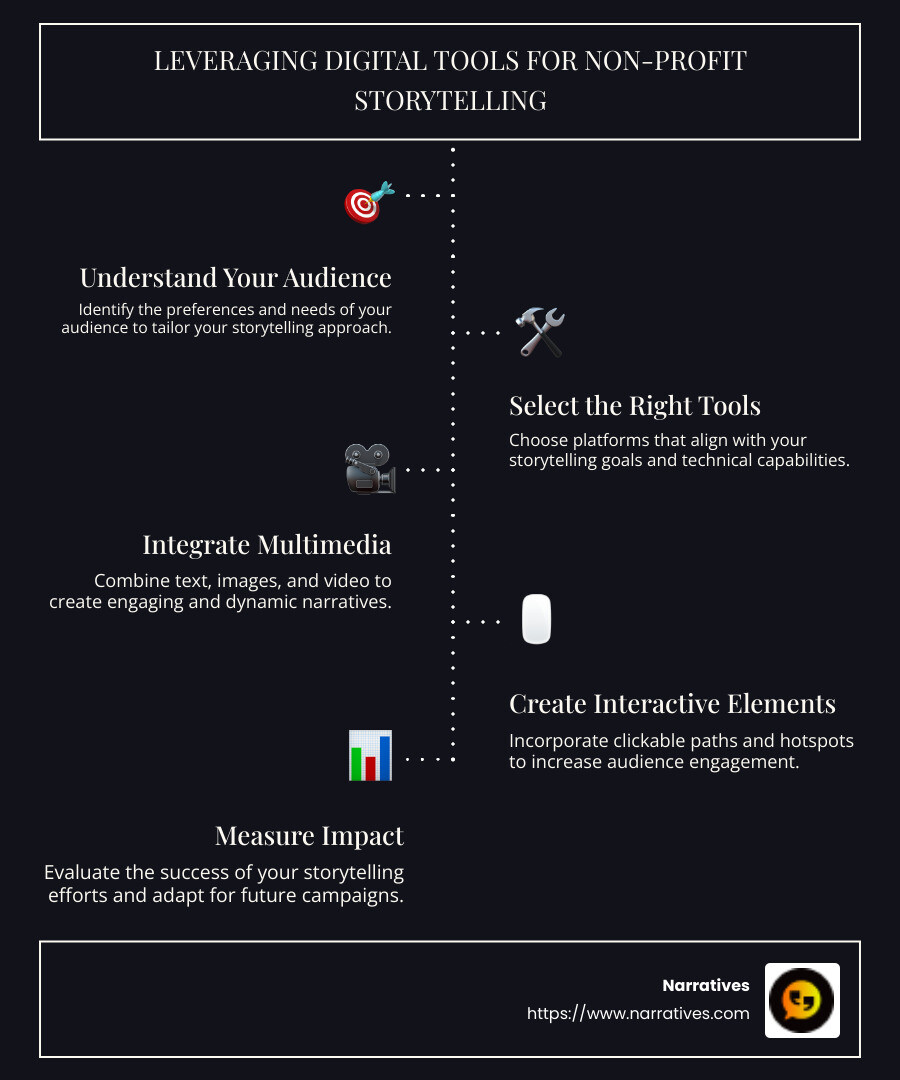
- Multimedia Integration: Combine various media types, like video and text, to create rich narratives.
- Interactive Story Elements: Engage your audience with clickable paths and choices.
- User-Friendly Platforms: Tools like Eko Studio and Canva make storytelling accessible to everyone, no coding required.
Storytelling has evolved tremendously. From traditional text-based tales to multimedia experiences, the landscape has shifted. This change allows us to connect emotionally and visually with our audience, opening up new avenues for expression. Interactive storytelling platforms are empowering non-profits and brands to share their mission vividly, building stronger connections with supporters. Effective storytelling is essential for advocacy, awareness, and community engagement.
Digital tools for storytelling definitions:
- interactive digital storytelling tools
- digital storytelling in education
- digital storytelling guide for educators
Understanding Digital Storytelling
Storytelling is no longer just about words on a page. It's about creating an experience that fully engages the audience. This is where interactive storytelling comes into play. By incorporating various multimedia elements like videos, images, and audio, stories become more than just narratives—they become immersive journeys.
The Power of Interactive Storytelling
Interactive storytelling allows the audience to participate in the narrative. Instead of passively consuming content, they become active participants. For instance, tools like TimelineJS let users explore events through interactive timelines, making history come alive in a way that static text can't.
When audiences can click through paths, make choices, or explore different storylines, engagement skyrockets. This engagement isn't just about holding attention; it's about creating a connection. People remember stories they interact with, and this memory can drive action, whether it's supporting a cause or buying a product.
Multimedia Elements: Bringing Stories to Life
Multimedia elements are the building blocks of engaging digital stories. They transform a simple narrative into a vivid experience. Videos can evoke emotions, images can capture moments, and audio can set the mood.
Consider Canva, a tool that enables users to design stunning visuals with ease. By using templates and customization options, storytellers can create graphics that resonate and improve their narrative.
Audience Engagement: The Heart of Storytelling
At its core, storytelling is about connecting with an audience. Audience engagement is crucial, especially in a world where attention spans are short. Interactive and multimedia storytelling keeps audiences engaged by offering them a role in the story. They aren't just viewers; they're participants.
For non-profits, this engagement can translate into action. Interactive stories can highlight community issues, showcase impact, and inspire support. By using digital tools for storytelling, non-profits can create compelling narratives that resonate emotionally and drive change.
In the next section, we'll explore the top digital tools that are changing storytelling into an interactive and multimedia experience. These tools are not just for professionals; they make it possible for anyone to tell a story that captivates and engages.
Top Digital Tools for Storytelling
In digital storytelling, the right tools can turn a simple narrative into an engaging, interactive experience. Here, we'll explore some top digital tools that are changing the way stories are told.
TimelineJS
TimelineJS is an excellent tool for creating interactive timelines. Developed by the Knight Lab at Northwestern University, this open-source tool allows users to build media-rich timelines without needing advanced coding skills. By using a Google Spreadsheet template, you can easily add dates, events, and media. This tool is perfect for educators and historians looking to make history come alive by letting audiences explore events in a dynamic, interactive format.
Canva
When it comes to graphic design and customization, Canva is a standout tool. It offers a wide range of templates that make it easy to create visually appealing graphics. Whether you're designing infographics, promotional materials, or blog images, Canva's customization options allow you to tailor your visuals to fit your storytelling needs. It's user-friendly, making it accessible for both beginners and seasoned designers.
StoryMapJS
For those interested in map-based narratives, StoryMapJS is a powerful tool. It enables you to create linear storytelling experiences using maps. This is particularly useful for stories that have a geographical element. Users can place map markers in a predefined order, guiding the audience through a narrative journey. Although it doesn't support collaboration like TimelineJS, it excels in creating immersive, multimedia experiences.
Adobe Spark
Adobe Spark is a versatile tool for visual storytelling. It allows users to create image galleries, short stories, and web pages with ease. The platform's intuitive interface and variety of design options make it easy to produce stunning visual content. Whether you're sharing a personal story or crafting a professional presentation, Adobe Spark helps bring your ideas to life with minimal effort.
ThingLink
ThingLink is all about enhancing images with interactive elements. It allows you to add hotspots to images, turning them into interactive experiences. These hotspots can contain text, audio, video, or links, providing a multi-layered storytelling experience. This tool is particularly useful for educators and marketers looking to create engaging, information-rich visuals that invite exploration.
Incorporating these tools into your storytelling toolkit can transform the way you connect with your audience. By leveraging interactive and multimedia elements, storytellers can create experiences that are memorable and impactful.
Benefits of Digital Storytelling for Non-Profits
Digital storytelling offers non-profits a unique opportunity to connect with their audience on a deeper level. By leveraging digital tools for storytelling, organizations can create narratives that not only inform but also inspire and motivate action.
Emotional Resonance
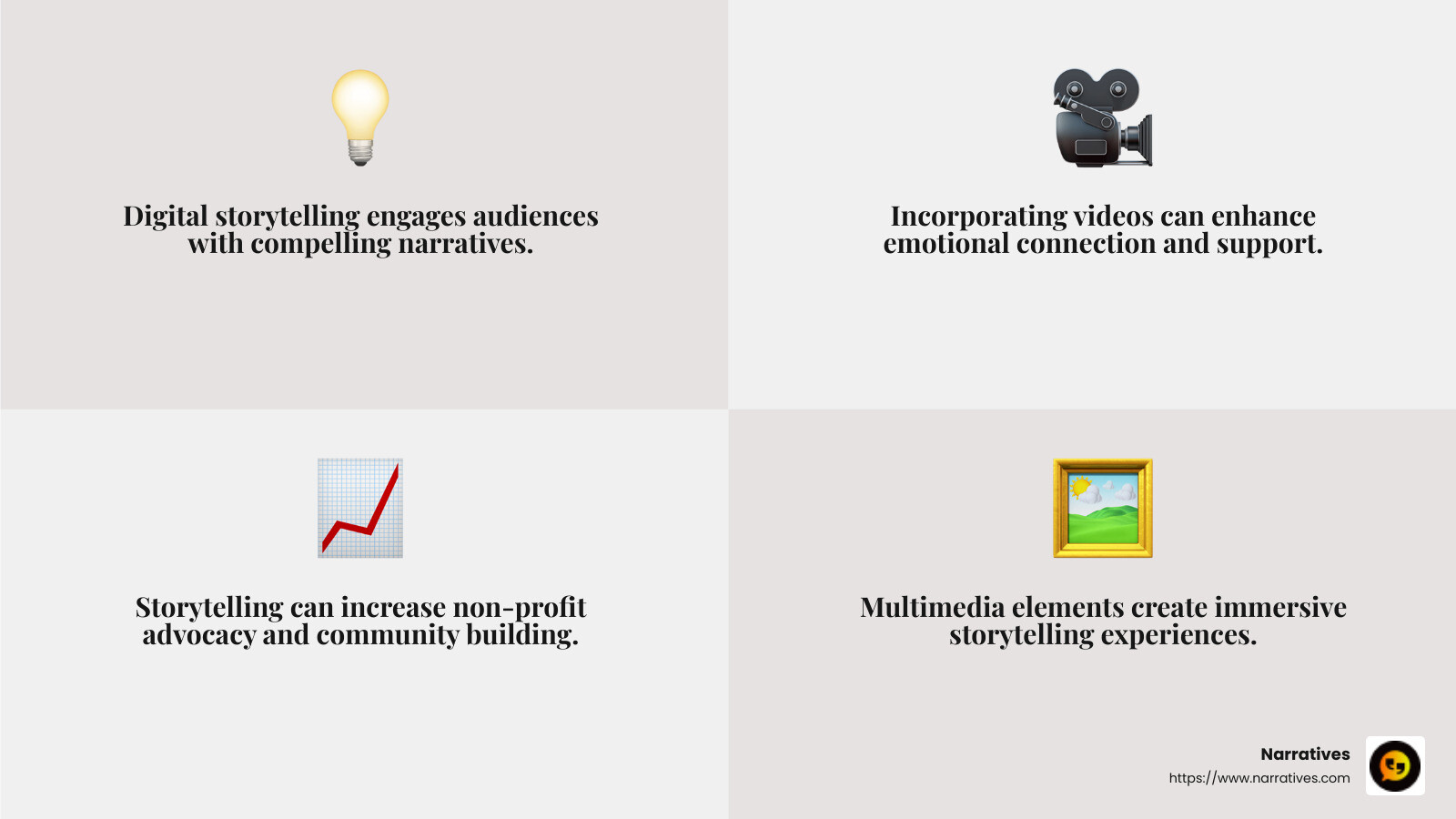
Stories have the power to evoke emotions, and when told effectively, they can resonate deeply with audiences. Non-profits can use digital storytelling to highlight the challenges and triumphs of the communities they serve. By incorporating multimedia elements such as videos, images, and sound, organizations can create immersive experiences that tug at the heartstrings. This emotional connection can lead to increased support and a stronger community of advocates.
Impact Stories
Digital storytelling allows non-profits to showcase the real-world impact of their efforts. Through engaging narratives, organizations can demonstrate how their work is making a difference. These impact stories can be shared across various platforms, reaching a wider audience and amplifying their message. By illustrating the tangible outcomes of their initiatives, non-profits can build trust and credibility with donors and stakeholders.
Community Engagement
Engaging the community is crucial for any non-profit. Digital storytelling provides a platform for organizations to involve their audience in the narrative. By using interactive elements like polls, quizzes, and comments, non-profits can encourage participation and feedback. This not only fosters a sense of community but also empowers the audience to become active contributors to the cause.
For instance, PARS Equality Center uses digital storytelling to highlight the experiences and achievements of Persian-speaking immigrants. By sharing these stories, they not only raise awareness but also encourage community involvement in their initiatives.
Digital storytelling is more than just a tool—it's a way for non-profits to breathe life into their missions and create lasting connections with their audience. As technology continues to evolve, the possibilities for storytelling will only expand, offering new ways to engage and inspire.
How to Choose the Right Digital Storytelling Tool
Choosing the right digital tools for storytelling is like finding the perfect partner for a dance. It needs to match your rhythm, understand your moves, and help you shine. Let's break down the key factors you should consider.
Story Needs
First, understand the core of your story. Is it a simple narrative or a complex, multimedia experience? If you're telling a straightforward story, a tool like Adobe Spark might be perfect. It allows you to create visually appealing stories with ease.
For more complex narratives involving maps or timelines, you might consider StoryMapJS or TimelineJS. These tools let you weave intricate stories using geographic data or chronological events.
Audience Preferences
Knowing your audience is crucial. What platforms do they use? Are they tech-savvy or do they prefer simplicity? Consider tools that align with your audience's preferences. For instance, if your audience loves interactive content, tools like ThingLink, which allows for image annotation and interactive elements, might be a great fit.
PARS Equality Center effectively uses digital tools to engage Persian-speaking communities by crafting stories that resonate with their cultural values and experiences.
Scalability
Your storytelling needs might evolve over time. Choose a tool that can grow with you. Scalability is essential. If you start small but plan to expand, look for tools that offer advanced features or integrations as you need them. Canva, for example, offers a range of templates and customization options that can scale with your storytelling needs.
Making the Decision
When picking your tool, ask yourself:
- Does it meet the needs of my story?
- Will it engage my audience effectively?
- Can it scale as my storytelling evolves?
Choosing the right digital storytelling tool is about aligning your story's needs with your audience's preferences while planning for future growth. By considering these factors, you can find a tool that not only helps you tell your story but also amplifies it across platforms.

Up next, we'll dive into some frequently asked questions about digital tools for storytelling to address common concerns and provide further insights.
Frequently Asked Questions about Digital Tools for Storytelling
What are digital storytelling tools?
Digital storytelling tools are software applications or platforms that help you create and share stories using digital media. These tools allow you to incorporate text, images, audio, video, and interactive elements to craft engaging narratives. They can be as simple as a slideshow or as complex as a multimedia presentation with branching paths.
For example, tools like StoryMapJS let you tell stories through geographic data, while Adobe Spark is perfect for creating visually appealing short stories. These tools help transform traditional storytelling into a dynamic experience.
How can non-profits benefit from digital storytelling?
Non-profits can harness the power of digital storytelling to create emotional connections and engage their communities. By sharing impactful stories, they can highlight their mission and the challenges they address.
For instance, the PARS Equality Center uses digital tools to tell stories that resonate with Persian-speaking communities, showcasing their cultural values and experiences. This approach not only raises awareness but also encourages community participation and support.
Digital storytelling can also amplify a non-profit's reach, allowing them to connect with a broader audience through social media and other online platforms. By crafting compelling narratives, non-profits can inspire action and foster a sense of community around their cause.
What should I consider when choosing a storytelling tool?
Choosing the right storytelling tool involves several key considerations:
Story Needs: Determine the complexity of your story. A simple narrative might only need a tool like Canva for visual appeal, while a more intricate story could benefit from a tool like TimelineJS for chronological storytelling.
Audience Preferences: Understand your audience's preferences. Are they more likely to engage with interactive content? In that case, tools like ThingLink might be ideal, as they allow for image annotation and interactive elements.
Scalability: Consider whether the tool can grow with your needs. If you plan to expand your storytelling in the future, choose a tool that offers advanced features or integrations.
By aligning your story's needs with your audience's preferences and ensuring scalability, you can select a digital storytelling tool that improves your narrative and engages your audience effectively.
Conclusion
At Narratives, we believe in the power of digital storytelling to drive social impact and foster meaningful partnerships. By leveraging digital tools for storytelling, non-profits and purpose-driven organizations can amplify their voices and connect with audiences on a deeper level.
Our approach is centered around creating emotionally resonant content that not only tells a story but also inspires action. Through strategic storytelling partnerships, we help non-profits highlight their missions and the communities they serve. By sharing impactful narratives, these organizations can build trust, increase visibility, and engage more effectively with their supporters.
Digital storytelling is more than just a trend; it's a vital tool for social change. By incorporating multimedia elements and interactive features, organizations can craft compelling stories that capture attention and encourage community involvement. This approach not only improves audience engagement but also strengthens the bond between non-profits and their supporters.
As we continue to innovate in the field of digital storytelling, our goal is to empower underrepresented voices and champion the causes that matter. We invite you to explore how our services can lift your storytelling efforts and help your organization make a lasting impact.
For more information on how Narratives can support your digital storytelling journey, visit our service page. Let's work together to tell stories that inspire and transform.


.avif)