From Story to Support: Engaging Donors Through Storytelling

Fundraising through storytelling is a game-changer for charities and nonprofits. It's not just about asking for money; it's about drawing donors into a narrative that resonates with their values and emotions.
- Create an emotional connection with your donors.
- Tell stories that bring your mission to life.
- Demonstrate the impact of donations.
In today's competitive landscape, nonprofits must stand out and establish credibility. Storytelling isn't just a nice-to-have tool. It's a must-have strategy that leverages our natural affinity for stories, activating empathy and fostering trust. Stories are powerful because they are universal and can evoke strong emotions.
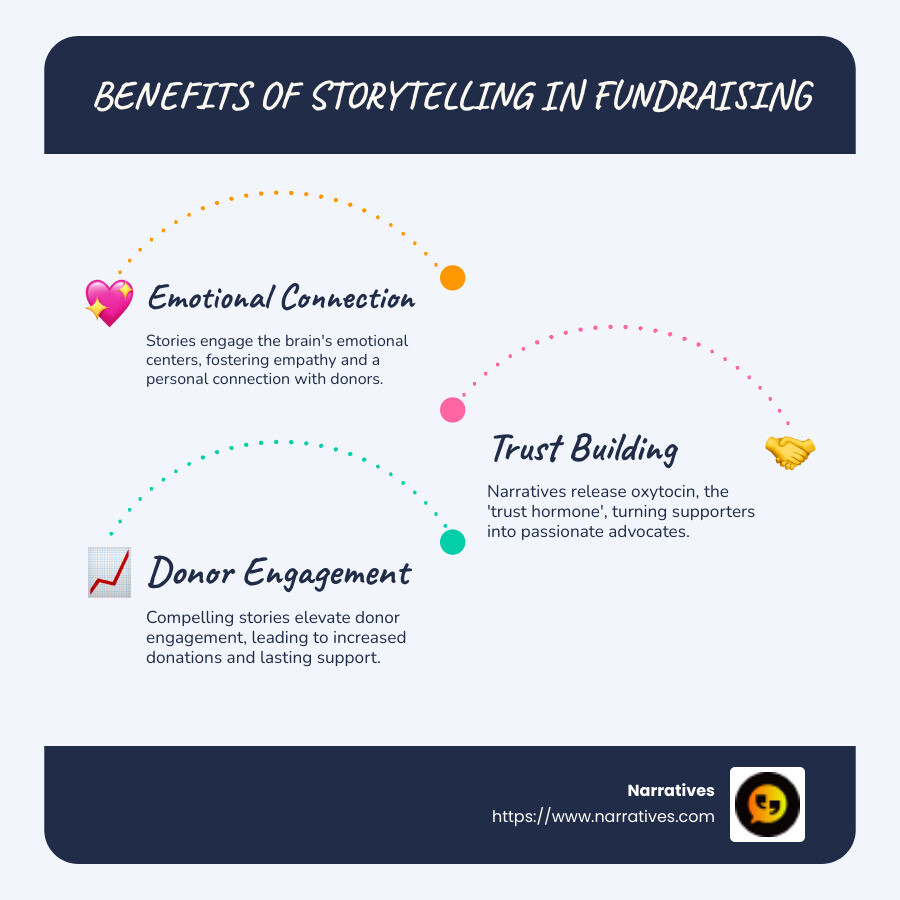
Narratives engage the brain's emotional centers, coaxing out empathy through the release of oxytocin, the so-called "trust hormone." This emotional bond is what transforms donors from casual supporters into passionate advocates for your cause.
But how do you craft a story that captivates and compels action? That’s what we’ll explore. From character development to impactful visuals, we'll dive into how you can raise more money with less hassle by merely fine-tuning your approach to storytelling.
The Power of Storytelling in Fundraising
Emotional Impact
Storytelling is a powerful tool that taps into our emotions and creates a strong connection between donors and your cause. When we hear a compelling story, our brains release oxytocin, often called the "trust hormone." This hormone fosters empathy and trust, which are crucial for building long-lasting relationships with donors.

Consider the example of Wag Love Fest. They created an emotional video that resonated deeply with pet owners, inviting them to be part of a larger story. This emotional connection not only captured attention but also inspired action.
Donor Engagement
Engaging donors is about more than just securing a donation. It's about inviting them into your mission and making them feel like a vital part of your story. When donors see themselves as heroes in your narrative, they are more likely to remain engaged and continue supporting your cause.
For instance, Miriam’s House uses a donor-centered narrative, telling supporters, "You can help end the cycle of homelessness." This approach not only acknowledges the donor's role but also empowers them to make a difference.
Nonprofit Differentiation
In a crowded nonprofit landscape, differentiation is key. Storytelling sets your organization apart by highlighting your unique mission and the impact of your work. While data and statistics provide important context, stories bring your mission to life and make it relatable.
International Justice Mission exemplifies this by centering their stories around the beneficiaries they serve, inviting donors to join a mission that rescues and empowers vulnerable individuals. This mission-based narrative not only differentiates them but also underscores the significance of donor contributions.
In summary, fundraising through storytelling is not just about sharing facts. It's about crafting narratives that resonate emotionally, engage donors, and differentiate your nonprofit in meaningful ways. By doing so, you transform supporters into passionate advocates for your cause.
How to Craft Compelling Fundraising Stories
Creating a compelling fundraising story is like painting a picture with words. It's about appealing to emotions and forging a genuine human connection with your audience. Here's how you can do it effectively:
Appeal to Emotions
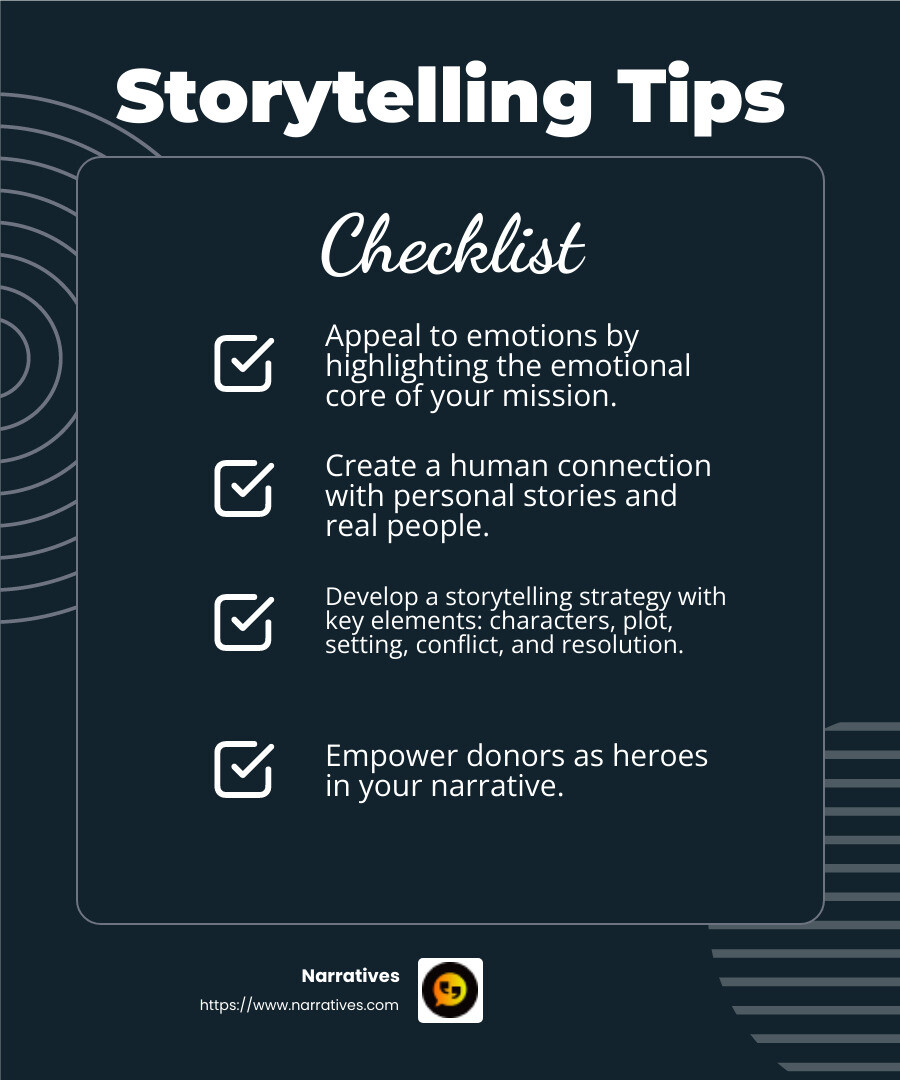
To truly engage donors, your story needs to touch their hearts. Start by highlighting the emotional core of your mission. This could be the joy of a child receiving an education or the relief of a family gaining access to clean water. Use vivid descriptions and concrete details to make your story come alive.
Consider the success of the SPCA's heart-wrenching video, which moved viewers to tears and prompted them to donate. This emotional pull is what makes people feel compelled to act.
Human Connection
At the heart of every great story is a human connection. Share personal stories of the people you help. Let your audience see the faces and hear the voices of those impacted by your work. This not only makes your cause more relatable but also builds empathy.
For example, CMMB (Catholic Medical Mission Board) uses photos and direct quotes from beneficiaries to create a personal connection. By doing so, they invite donors to walk in the shoes of those they support.
Storytelling Strategy
A well-crafted story doesn't happen by chance. It requires a clear strategy. Start by identifying the key elements: characters, plot, setting, conflict, and resolution.
- Characters: Introduce real people whose lives have changed because of your work.
- Plot: Outline the journey from challenge to triumph.
- Setting: Provide context that highlights the urgency of your cause.
- Conflict: Present the problem your organization is tackling.
- Resolution: Show the positive impact of donor support.
Take inspiration from Volo Kids, who center their donors as the heroes, showcasing the difference they make. This approach not only tells a story but also empowers donors to see their role in the narrative.
By blending these elements, your fundraising through storytelling efforts will not only capture attention but also inspire action.
The goal is to make your audience feel a part of something bigger, to see the impact they can have, and to inspire them to take action.
Next, we'll explore best practices for using visual storytelling, ensuring transparency, and showing donor appreciation.
Fundraising Through Storytelling: Best Practices
When it comes to fundraising through storytelling, there are a few best practices that can significantly improve your efforts. Let's explore how visual storytelling, transparency, and donor appreciation can make your fundraising campaigns more effective.
Visual Storytelling
Visual storytelling is a powerful tool that can amplify your message. Images, videos, and graphics can convey emotions and stories much faster than words alone. For instance, a compelling photo of a beneficiary directly impacted by donations can instantly create an emotional connection with potential donors.
Consider using a mix of media to tell your story. Videos can show real-life scenarios, while infographics can break down complex data into digestible pieces. Visuals should not just complement your story but be an integral part of it. They should evoke empathy and motivate action.
Transparency
Transparency is crucial in building trust with your donors. People want to know where their money is going and the impact it's making. Sharing personal stories of beneficiaries, as mentioned in the 2023 CauseVox Giving Study, can demonstrate transparency and openness.
Be upfront about how donations are used. Use storytelling to illustrate the journey of a donation—from the moment it's received to the change it brings. This not only builds trust but also reinforces the value of each contribution. Donors appreciate honesty and are more likely to continue their support when they see tangible results.
Donor Appreciation
Showing appreciation to your donors is vital for retention and continued engagement. Simple gestures, like personalized thank-you notes or shout-outs in newsletters, can make donors feel valued and part of your mission.
Highlight stories where donor contributions have made a significant difference. For example, Volo Kids centers their donors as the heroes, showcasing the impact of their support. This not only acknowledges their contribution but also encourages them to remain engaged.
By following these best practices in fundraising through storytelling, you'll create a more compelling narrative that not only attracts new donors but also strengthens relationships with existing ones.
Next, we'll look at examples of successful nonprofit storytelling and how they have effectively engaged communities and retained donors.
Examples of Successful Nonprofit Storytelling
Let's explore some real-world examples where nonprofits have harnessed the power of storytelling to create impact, foster community engagement, and improve donor retention.
Impact Stories
Impact stories are at the heart of effective nonprofit storytelling. They demonstrate the real-world effects of donations and the change they bring to individuals and communities. For instance, CMMB (Catholic Medical Mission Board) uses storytelling to highlight personal experiences of beneficiaries. They often share vivid narratives and photos directly from those helped, such as a child receiving medical care, which makes the story relatable and potent.
These stories are not just tales of change; they are proof of the donor's impact. When donors see the tangible difference their contributions make, they are more likely to continue supporting the cause.
Donor Retention
Retaining donors is a challenge many nonprofits face, with an average retention rate of just 45%. However, storytelling can be a game-changer. By regularly sharing stories of how donations have made a difference, nonprofits like Volo Kids keep their donors engaged and appreciated. They spotlight donors as heroes in their narratives, showing them the direct impact of their generosity.
These stories serve as constant reminders of the good that donors' contributions are doing, reinforcing their decision to support the nonprofit again.
Community Engagement
Community engagement is another area where storytelling shines. Nonprofits that share stories from the communities they serve often see increased involvement and support. For example, Defy Ventures tells compelling stories of former inmates who have turned their lives around through entrepreneurship. By sharing these personal journeys, they not only inspire potential donors but also connect deeply with community members who may relate to these stories.
Such storytelling fosters a sense of community ownership and involvement, encouraging people to participate in events, volunteer, or donate. It transforms passive supporters into active advocates for the cause.
By incorporating these elements of impact stories, donor retention, and community engagement, nonprofits can craft powerful narratives that resonate and inspire action.
Next, we'll address frequently asked questions about fundraising through storytelling and how it can boost donor engagement and create lasting impact.
Frequently Asked Questions about Fundraising Through Storytelling
How can storytelling increase donor engagement?
Storytelling is a powerful tool for boosting donor engagement because it creates an emotional connection. When donors feel emotionally invested in a story, they are more likely to become involved. For example, sharing a personal story of a beneficiary, like a child whose life was saved through medical intervention, allows donors to see the direct impact of their contributions. This emotional link makes donors feel like they are part of something bigger, increasing their likelihood of continued support.
Moreover, storytelling fosters donor appreciation. By highlighting donors as heroes in stories, nonprofits can show gratitude and emphasize the significant role donors play in achieving the organization's mission. This recognition not only makes donors feel valued but also encourages them to stay connected and engaged with the cause.
What are some examples of nonprofit storytelling?
Nonprofit storytelling can take many forms, from written narratives to visual content. Impact stories are a popular choice, showcasing real-life changes. For instance, organizations like CMMB use vivid stories and images to illustrate how donations have directly helped individuals, making the narrative both relatable and powerful.
Community engagement is another area where storytelling shines. By sharing stories from the communities they serve, nonprofits like Defy Ventures inspire and connect with potential donors and community members alike. These narratives highlight personal journeys, such as former inmates becoming entrepreneurs, fostering a deeper community connection and encouraging greater involvement.
How do you create a storytelling strategy for fundraising?
Creating a successful storytelling strategy involves several key steps. First, identify stories that have a strong emotional impact. These stories should clearly demonstrate the difference your nonprofit makes in the lives of individuals or communities. Next, focus on authenticity and transparency. Share real stories that reflect both the successes and challenges faced by your organization.
Incorporate multiple forms of storytelling, such as videos, photos, and written narratives, to reach a broader audience. Lastly, ensure that each story includes a clear call to action, guiding donors on how they can contribute and make a difference.
By weaving together emotional connection, donor appreciation, and impactful narratives, nonprofits can develop a storytelling strategy that not only engages donors but also drives meaningful support for their cause.
Conclusion
At Narratives, we believe in the transformative power of storytelling to create social impact and foster community-driven change. Our mission is to amplify underrepresented voices and share the stories that matter most. By doing so, we help nonprofits and purpose-driven organizations connect deeply with their audiences and inspire action.
Community-driven storytelling is at the heart of our approach. We focus on creating content that not only highlights the challenges faced by communities but also celebrates their resilience and achievements. This approach not only builds trust but also encourages greater community involvement and support.
Through our partnerships, we have seen how fundraising through storytelling can lift a nonprofit's mission. By crafting compelling narratives that resonate with donors, organizations can differentiate themselves and improve their visibility. This is crucial in today's digital age, where authenticity and emotional connection are key to engaging supporters.
We invite you to learn more about how Narratives can help your organization. Together, we can harness the power of storytelling to drive social impact and make a lasting difference in the communities we serve.


.avif)