From Likes to Impact: A Guide to Media for Social Good

Media for social good is changing the digital landscape, giving organizations powerful tools to foster positive change. Social media platforms are no longer just about likes or shares—they are catalysts for social good, enabling nonprofit and advocacy groups to amplify their messages and engage communities.
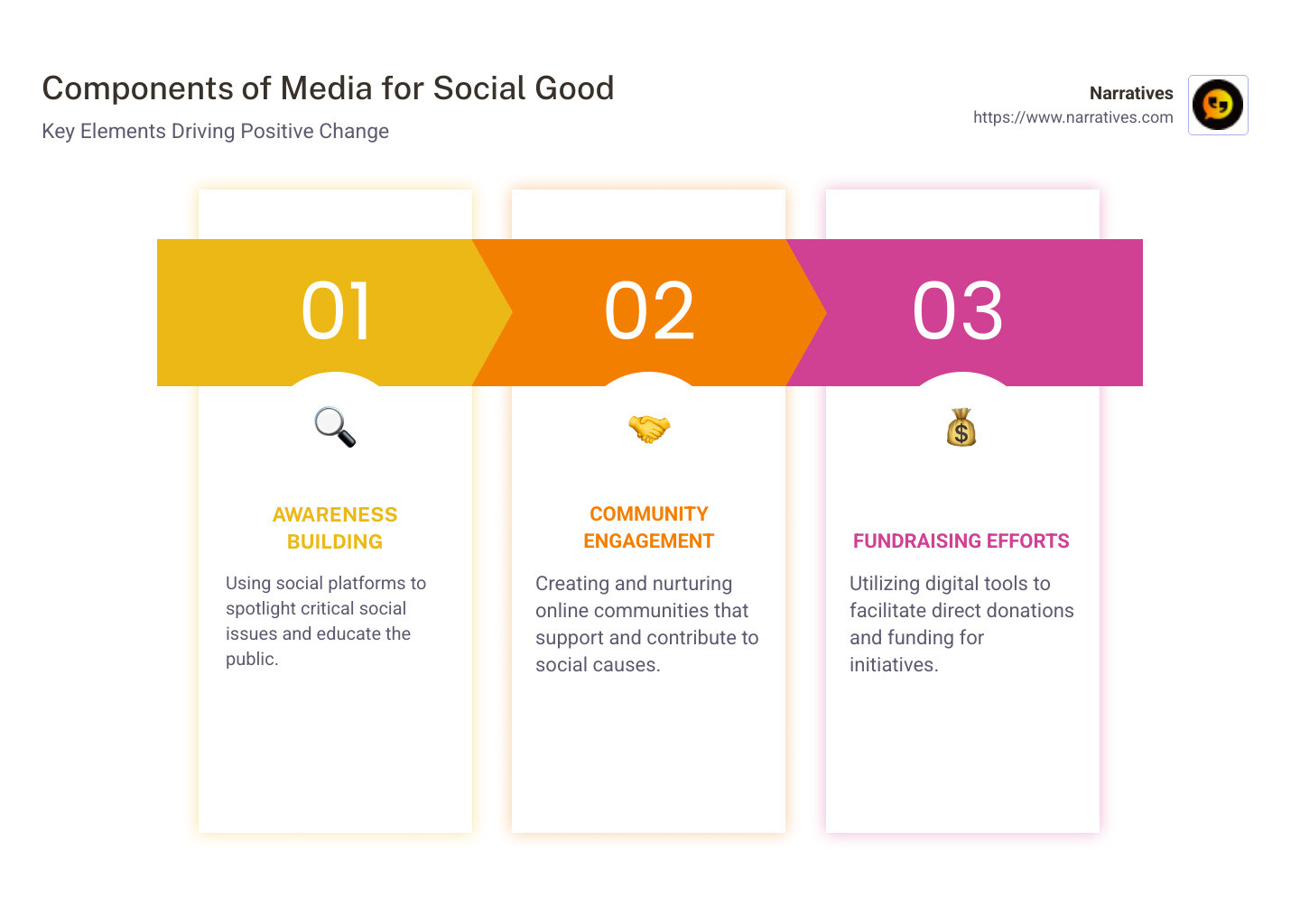
Here’s what media for social good entails:
- Awareness Building: Use social platforms to highlight pressing social issues.
- Community Engagement: Foster online communities that support and contribute to your cause.
- Fundraising Efforts: Leverage tools to raise funds directly through social channels.
With these strategies, media becomes a conduit for promoting positive action, extending far beyond traditional communication methods. Platforms like Facebook, Instagram, and Twitter serve as dynamic stages for storytelling and advocacy, making it easier to reach audiences both locally and globally.
In the following sections, explore how to harness these powerful channels effectively, whether you're a nonprofit seeking to lift your mission or an organization looking to improve your social impact.
Understanding Media for Social Good
Media for social good has become a vital tool for driving change and making a difference. It's not just about spreading information—it's about creating a ripple effect that leads to tangible social impact.
Social Impact:
Media platforms like Facebook and Twitter have transformed the way nonprofits operate. They provide a stage for organizations to showcase their impact, share success stories, and highlight pressing issues. For instance, the viral ALS Ice Bucket Challenge in 2014 raised over $115 million in just eight weeks, showing the power of social media to rally support and generate funds.
Community Engagement:
Building a community around your cause is key to nonprofit success. Social media allows organizations to engage directly with their audience, fostering a sense of belonging and shared purpose. Over 55% of people who interact with nonprofits on social media are inspired to take further action, such as donating or volunteering. This engagement is crucial for sustaining momentum and expanding reach.
Nonprofit Success:
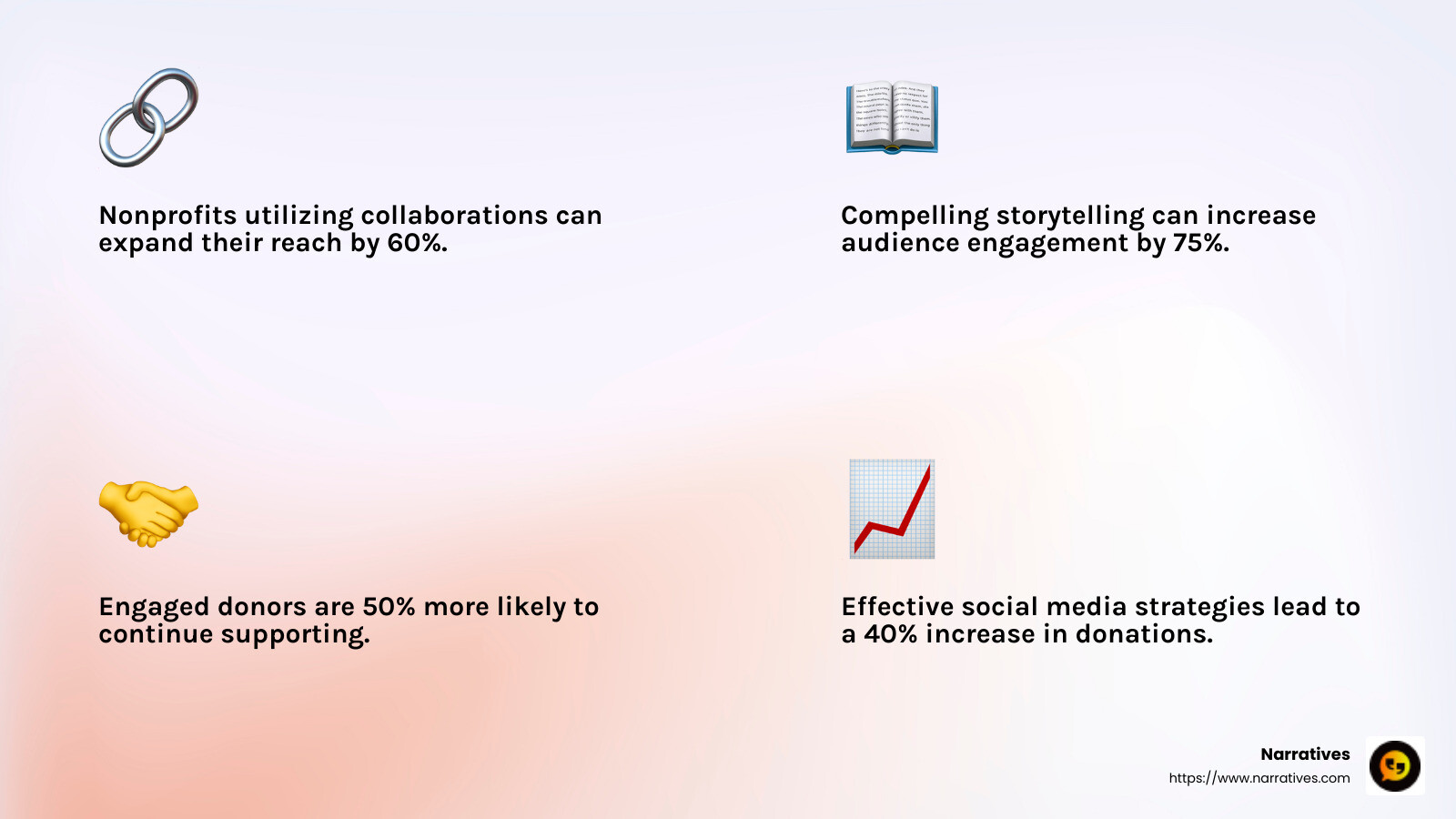
Effective use of media for social good can significantly boost a nonprofit's success. According to a report by GlobalGiving, nonprofits that leverage social media effectively see a 40% increase in donations. This is because platforms like YouTube and Instagram offer powerful storytelling tools, allowing organizations to connect with their audience on a deeper level through compelling video content and visuals.
Media for social good empowers organizations to amplify their message, engage communities, and drive meaningful change. As we dig deeper into the strategies and platforms that can lift your mission, the right approach can turn digital interactions into real-world impact.
Strategies for Leveraging Media for Social Good
Navigating the digital landscape can be daunting, but with the right strategies, you can turn media into a powerful ally for social good. Here are some key strategies to consider:
Networking
Building a robust network is essential for any nonprofit aiming to expand its reach and impact. Social media platforms provide a unique opportunity to connect with like-minded individuals and organizations. By engaging with influencers who share your values, you can amplify your message and reach new audiences. Collaborations can be particularly effective, as they allow you to tap into existing networks and resources. For example, partnering with a local business or another nonprofit can introduce your cause to a broader audience and foster community support.
Storytelling
Storytelling is the heart of media for social good. Compelling narratives capture attention and evoke emotions, making your cause more relatable and memorable. Platforms like YouTube are ideal for sharing impactful stories through video content. Highlight the real-life impact of your work by showcasing personal stories from beneficiaries, volunteers, or donors. This not only humanizes your cause but also builds trust with your audience. A well-told story can inspire action and change perceptions.
Donor Engagement
Engaging donors is crucial for sustaining your nonprofit's efforts. Social media offers numerous ways to keep your supporters informed and involved. Regular updates, thank-you messages, and behind-the-scenes content can make donors feel valued and appreciated. Host live Q&A sessions or webinars to provide transparency and answer questions directly. Encourage user-generated content by asking supporters to share their experiences with your organization. This not only boosts engagement but also creates a sense of community among your donors.
By leveraging these strategies, you can harness the power of media for social good, turning your digital presence into a catalyst for change. Next, we'll explore the top platforms that can help you maximize your impact.
Top Platforms for Media for Social Good
When it comes to media for social good, choosing the right platform is crucial. Each platform offers unique features that can help nonprofits engage with their audience, share their message, and make a real impact. Let's explore the top platforms that can amplify your social good efforts.
Facebook remains the most important platform for nonprofits. With its massive user base, it's an excellent place to build a community and spread awareness. GlobalGiving reports that nonprofits using Facebook effectively saw a 40% increase in donations. It's not just about posting updates; it's about engaging your audience with interactive content like polls, live videos, and stories. Facebook's fundraising tools also make it easy for supporters to donate directly through the platform, streamlining the donation process.
Twitter excels at real-time engagement and conversation. This platform allows nonprofits to join trending discussions and connect with supporters instantly. Participating in relevant hashtags can significantly boost visibility. Over 55% of people who engage with a nonprofit on social media are inspired to take further action, and Twitter's environment is perfect for keeping the momentum going. Use Twitter to host Q&A sessions, share quick updates, and engage with influencers who can help spread your message.
YouTube
YouTube is a powerhouse for storytelling through video content. Videos can evoke emotions and convey powerful messages in ways that text cannot. The ALS Ice Bucket Challenge, which went viral on social media, raised over $115 million in just eight weeks, showcasing the potential of video campaigns. Use YouTube to share success stories, project updates, and educational content. The platform's analytics tools can also help you understand viewer engagement and refine your video strategy.
By leveraging these platforms, nonprofits can effectively harness the power of media for social good, creating meaningful connections and driving real change. Next, we'll explore how to create engaging content that resonates with your audience.
Creating Engaging Content for Social Good
Creating content that resonates is key to making an impact with media for social good. Let's explore some effective content strategies that can amplify your message and engage your audience.
Video Content
Videos are incredibly powerful for storytelling. They capture attention quickly and convey emotions effectively. Platforms like YouTube and TikTok have made video content more accessible than ever. Instagram reels and TikTok videos are particularly engaging for younger audiences, as they are designed to be short and impactful.
Consider the success of the ALS Ice Bucket Challenge. This viral campaign raised over $115 million by encouraging people to share videos of themselves participating in the challenge. The success lay in its simplicity and the emotional connection it created.
User-Generated Content
User-generated content (UGC) involves your audience in the storytelling process. It adds a personal touch and fosters a sense of community. Encourage your followers to share their stories, photos, or videos related to your cause.
For instance, you could run a campaign asking supporters to submit videos explaining why they support your mission. This not only provides authentic content but also helps build a deeper connection with your audience. Personalization is key, as people are more likely to engage with content that feels personal and relatable.
Infographics
Infographics are a great way to present complex information in an easy-to-understand format. They combine visuals and text to simplify data and statistics, making them more digestible.
Creating infographics that highlight your impact, such as the number of people helped or funds raised, can be particularly effective. They are highly shareable on social media platforms like Facebook and Twitter, helping to spread your message further.
By using these content strategies, nonprofits can effectively engage their audience and amplify their social good efforts. In the next section, we'll address some frequently asked questions about leveraging media for social good.
Frequently Asked Questions about Media for Social Good
How can social media be used for social good?
Social media platforms are powerful tools for promoting social good. They help nonprofits and individuals raise funds, spread awareness, and build communities.
Fundraising: Platforms like Facebook and GoFundMe allow organizations to create fundraisers that reach a wide audience. For example, during the ALS Ice Bucket Challenge, participants not only raised over $115 million but also increased awareness about ALS by sharing their videos on social media.
Awareness: Social media is ideal for spreading information quickly. Campaigns like the EpiPen Price Campaign used platforms to highlight the issue of price gouging. This campaign successfully gathered over 80,000 signatures and sent more than 121,000 letters to Congress.
Community Building: Social media fosters a sense of community. By engaging with followers through comments, messages, and interactive content like polls and live Q&A sessions, nonprofits can build strong relationships with their supporters.
What are examples of successful social media campaigns for social good?
Two standout examples of campaigns that leveraged media for social good are the ALS Ice Bucket Challenge and the EpiPen Price Campaign.
ALS Ice Bucket Challenge: This campaign went viral by encouraging people to dump ice water over their heads and share the videos online. It not only raised significant funds but also increased public knowledge about ALS.
EpiPen Price Campaign: Created by Mellini Kantayya, this campaign used social media to protest the steep price increase of EpiPens. It gained traction through a petition shared on platforms like Facebook, generating widespread attention and media coverage.
How can nonprofits measure the impact of their social media efforts?
Understanding the impact of social media efforts is crucial for nonprofits to refine their strategies and achieve better results. Here are some ways they can measure impact:
Analytics Tools: Use tools like Facebook Insights, Twitter Analytics, and Google Analytics to track engagement, reach, and conversion rates. These metrics help assess the effectiveness of your campaigns.
Engagement Metrics: Look at likes, shares, comments, and follower growth to gauge audience interaction. High engagement often indicates that your content resonates with your audience.
Conversion Rates: Track how many social media interactions lead to actual donations or volunteer sign-ups. This helps determine the return on investment (ROI) of your social media activities.
By using these methods, nonprofits can effectively measure and optimize their social media campaigns for greater impact. In the next section, we'll dig into how Narratives can help drive media for social good through digital storytelling and partnerships.
Conclusion
Media for social good is more important than ever. At Narratives, we specialize in using digital storytelling to lift the voices of nonprofits and purpose-driven organizations. Our mission is to help these organizations share their impact stories in a way that inspires action, builds trust, and increases visibility.
Digital Storytelling: We believe that storytelling is a powerful tool for change. By creating high-quality, emotionally resonant video and multimedia content, we help nonprofits connect with their audience on a deeper level. This connection is key to driving engagement and support for their causes.
Nonprofit Partnerships: Our partnerships with nonprofits are at the heart of what we do. We collaborate closely with these organizations to understand their unique stories and challenges. Together, we craft compelling narratives that highlight their work and amplify their impact.
By leveraging the power of media for social good, we aim to create a ripple effect of positive change. Our approach not only helps nonprofits achieve their goals but also fosters a sense of community and shared purpose.
Ready to tell your story and make an impact? Learn more about how Narratives can help you lift your digital storytelling efforts. Together, we can transform likes into lasting change.


.avif)