From Likes to Impact: Using Media for Social Good
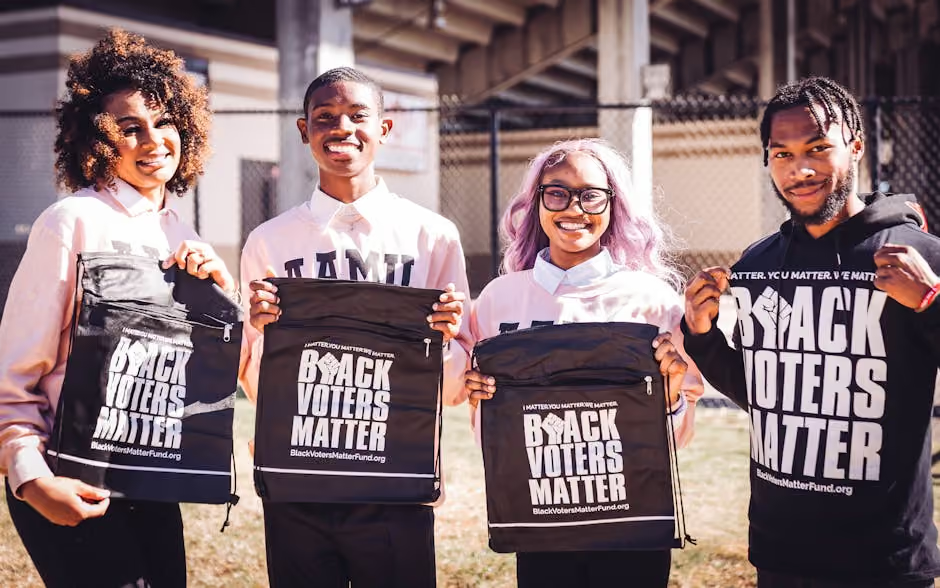
Media for social good is changing the way we approach social issues, using platforms like social media to drive positive change across communities worldwide. In today’s interconnected world, media is not just about entertainment or information; it's a powerful tool for advocacy, awareness, and impact. Here's how:
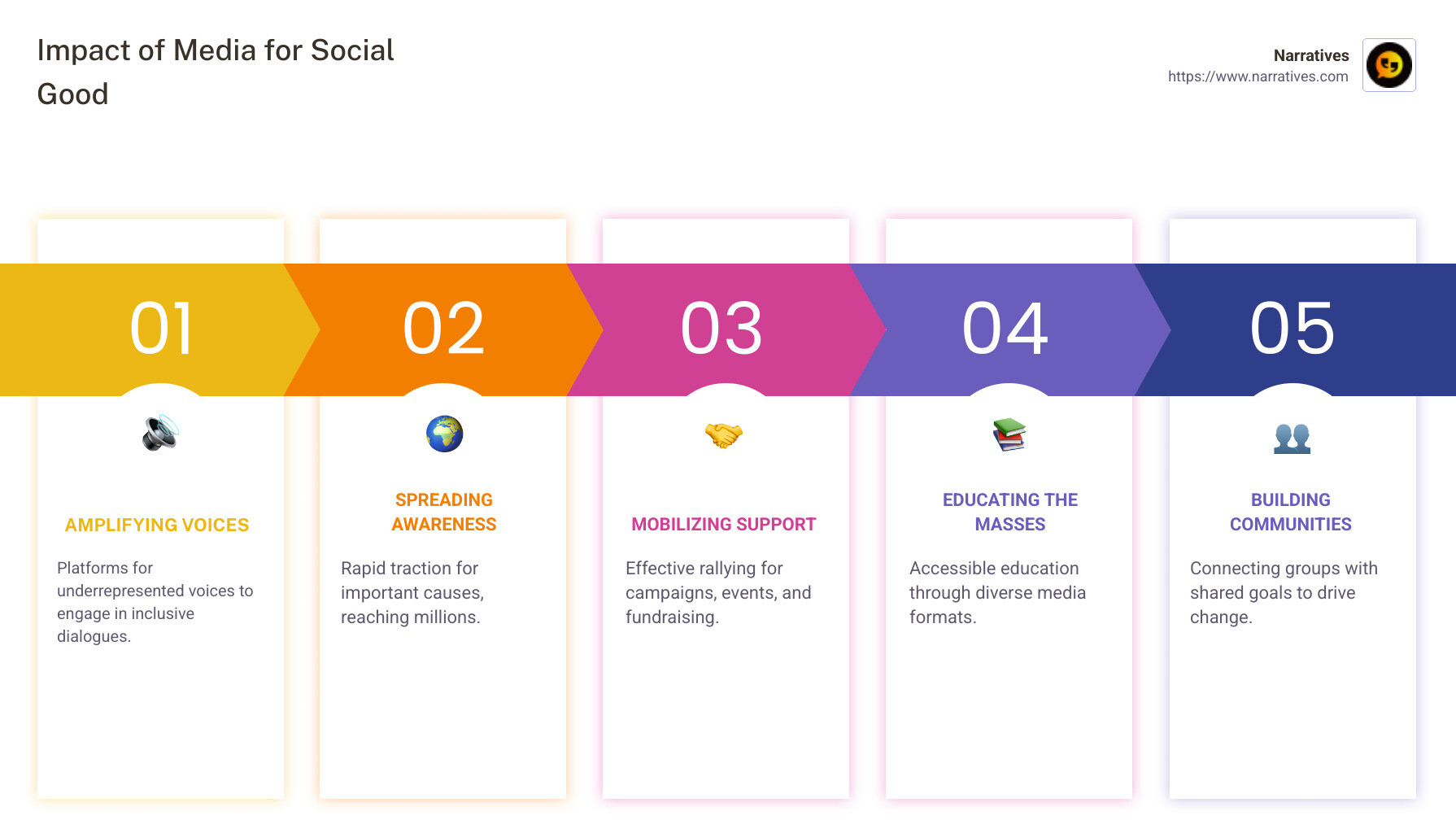
Amplifying voices: Social media provides a platform for underrepresented voices to be heard, creating a more inclusive dialogue around social justice issues.
Spreading awareness: Important causes can gain traction rapidly, reaching millions who might not have been aware of them otherwise.
Mobilizing support: By using media, organizations can rally support for campaigns, events, and fundraising efforts more effectively.
Educating the masses: From bite-sized facts to deep dives into complex subjects, media delivers accessible education to diverse audiences.
Building communities: Media fosters the formation of groups with shared goals, connecting people who can drive change together.
The use of media, particularly social media, is not just reshaping narratives but creating unprecedented opportunities for real-world impact.
"The internet needs more empathy. It starts by humanizing the news," notes the Narratives network, a testament to using media engagement for meaningful interactions.
When NGOs, social enterprises, and passionate activists leverage media with intention, the potential for positive change is limitless. As we steer this digital landscape, it’s important to focus on ethical storytelling and genuine engagement to amplify those making a difference.
Essential Media for social good terms:
The Power of Media for Social Good
Media for social good is reshaping how we connect, instigate change, and build global communities. Media isn't just a tool—it's a catalyst for social change.
Connection and Change
Social media platforms like Facebook, Instagram, and LinkedIn have become essential in connecting individuals with shared values and goals. By using the right hashtags or joining specific groups, people can form communities that transcend geographical boundaries. These connections foster discussions around important issues, encourage sharing of advice, and provide support networks for those in need.
One compelling example is the "Women of Impact" group on Facebook, where members share inspiring stories and career advice. This group, moderated by National Geographic, exemplifies how online communities can drive offline change by creating networks that extend beyond virtual spaces.
Social Good Movements
Movements like "Fridays for Future" showcase the power of media in mobilizing social good. Initially spurred by climate change protests, this movement quickly adapted to online platforms to maintain momentum during the COVID-19 pandemic. Youth activists in Germany, for instance, held virtual demonstrations and painted sidewalks with chalk to continue advocating for change.
TikTok's "TikTok for Good" campaign further illustrates how media can support social causes. By partnering with organizations like the International Federation of the Red Cross, TikTok motivates users to create content around social issues, amplifying their reach and impact.
Global Communities
Media for social good isn't limited to local initiatives; it bridges continents and cultures, creating global communities united by common causes. Platforms like Twitter and Instagram enable real-time conversations and collaborations across borders, allowing movements to gain international support.
For instance, during the International Homeless Animals’ Day in 2019, TikTok users worldwide participated by creating videos, raising awareness, and even funds, for animal welfare. This global participation highlights how media can unite diverse populations around shared objectives.
"The internet needs more empathy. It starts by humanizing the news," says the Narratives network. This underscores the importance of using media to foster meaningful interactions and connections.
By using the power of media, individuals and organizations can drive significant social change, inspiring others and creating a ripple effect that extends far beyond the digital field. The next section explores effective strategies for using media to maximize social good initiatives.
Effective Strategies for Using Media for Social Good
When it comes to media for social good, effective strategies can amplify your impact. Let's explore some key tactics: networking, storytelling, event promotion, and crafting a compelling call to action.
Networking
Building a network is crucial for spreading social good. Platforms like LinkedIn and Facebook are perfect for connecting with like-minded individuals and organizations. By joining groups or forums focused on your cause, you can share resources and collaborate on projects.
For instance, the "Women of Impact" Facebook group connects members from around the globe, enabling them to share insights and drive change together.
Storytelling
Storytelling is a powerful tool to engage and motivate your audience. Sharing personal stories or experiences creates an emotional connection, making your cause relatable and compelling.
Consider using Instagram Stories or TikTok videos to share bite-sized narratives that highlight real-life impacts. This approach not only raises awareness but also inspires others to take action.

Event Promotion
Promoting events through social media can significantly boost attendance and engagement. Use platforms like Facebook Events or Instagram to create and share details about upcoming events.
A well-designed event page with clear information and engaging visuals can attract more participants. Encourage attendees to share the event with their networks, amplifying your reach.
Call to Action
A strong call to action (CTA) is essential for driving engagement. Whether it's signing a petition, donating, or volunteering, make your CTA clear and easy to follow.
Use compelling visuals and concise text to motivate your audience. For example, a simple "Join Us" button linked to a signup page can make all the difference in converting interest into action.
By leveraging these strategies, you can effectively use media to advance your social good initiatives. Up next, we'll explore how to engage younger audiences and harness their passion for change.
Engaging Younger Audiences
Engaging younger audiences is key to driving media for social good. Youth activism is on the rise, and platforms like TikTok and movements like Fridays for Future are leading the charge.
Youth Activism
Today's youth are more socially conscious than ever. They are eager to make a difference and use social media as their megaphone. Young activists are not just participants; they are leaders in movements for change. They bring energy, fresh perspectives, and a sense of urgency to social issues.
TikTok for Good
TikTok is not just for dance challenges and viral trends. It's a powerful platform for social change. With its massive reach and engaging format, TikTok allows young creators to spread messages quickly. Campaigns like #ClimateStrike and #BlackLivesMatter have gained traction here, showing how TikTok can be a tool for activism.
- Quick Tips for Using TikTok for Good:
- Use trending sounds to increase visibility.
- Collaborate with other creators to expand your reach.
- Keep messages short and impactful.
Fridays for Future
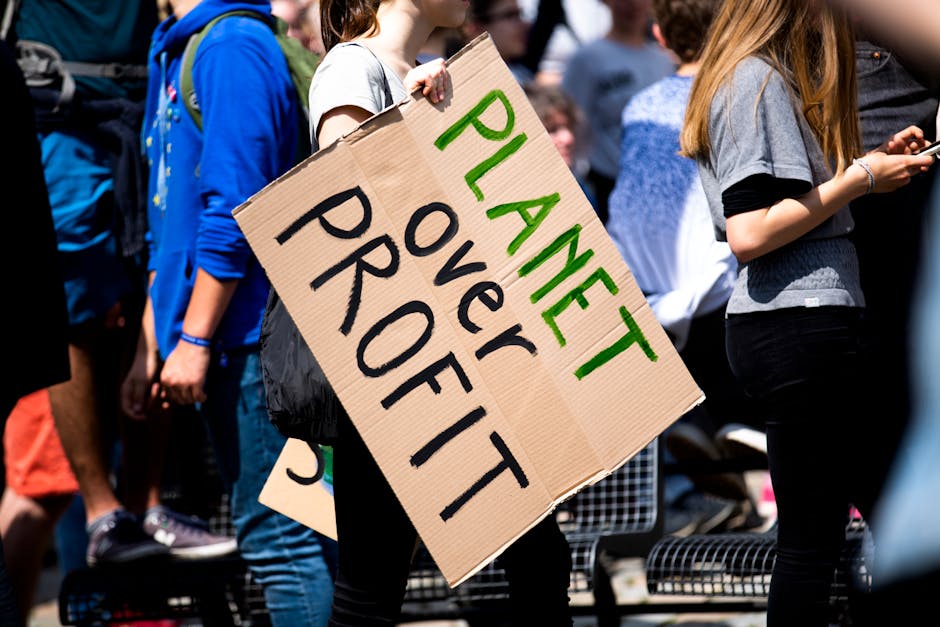
Fridays for Future, inspired by Greta Thunberg, is a youth-led movement focused on climate action. It has mobilized millions of young people worldwide to demand urgent action on climate change. By organizing school strikes and using social media to spread their message, these young activists have shown how powerful and organized youth can be.
"We are not just fighting for our future, but for the present." - Fridays for Future
By tapping into the enthusiasm and creativity of younger generations, we can amplify our efforts in using media for social good. Up next, we'll explore how to create and share impactful content that resonates with diverse audiences.
Creating and Sharing Impactful Content
To harness the power of media for social good, creating and sharing content that resonates with diverse audiences is essential. This involves crafting messages in bite-sized formats, utilizing multiple media types, and leveraging infographics to communicate effectively.
Bite-Sized Information
Social media thrives on quick, digestible content. People often scroll through their feeds in seconds, so it's crucial to make an impact fast. A long video or article can be repurposed into short clips or quotes that capture the essence of your message. For example, a lengthy documentary can be broken down into 30-second clips with subtitles for Instagram, ensuring accessibility across languages. This approach not only saves time but also reaches audiences with different learning preferences.
Multiple Formats
Each social media platform has its own preferred content type:
- Instagram: Photos and short videos
- Twitter: Concise text and memes
- Facebook: Longer posts and videos
- LinkedIn: Professional articles and blog posts
By repurposing content to fit these formats, you can broaden your reach. For instance, a detailed blog post on LinkedIn can be condensed into a series of tweets or a visual story on Instagram. This strategy ensures that your message is accessible to users at different times and in various contexts.
Infographics
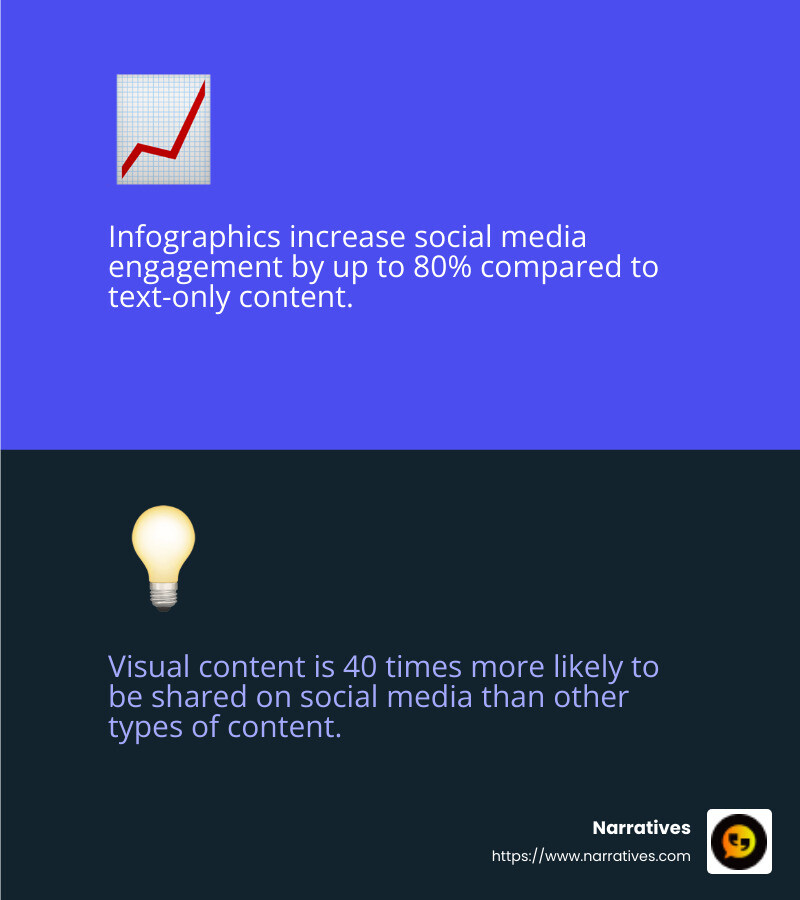
Infographics are a powerful tool for simplifying complex information. They combine visuals and text to make data more understandable and engaging. According to a study by Narratives, infographics can increase engagement by up to 80% compared to text-only content. They are especially effective on platforms like Pinterest and LinkedIn, where users look for informative and shareable content.
Using infographics, you can present statistics, steps, or comparisons in a visually appealing way. This not only improves comprehension but also encourages sharing, amplifying your message further.
By focusing on these strategies, your content can travel further and resonate more deeply with audiences. Next, we'll explore how to take this online impact and turn it into real-world action.
Taking Action Offline
While online engagement is crucial, translating that energy into offline impact is where real change happens. Social media can be a powerful launchpad for initiatives that extend into the physical world, fostering community support and driving meaningful action.
Offline Impact
Social media campaigns can inspire offline involvement in various ways. For instance, during the pandemic, many communities organized projects like sewing face masks and creating neighborhood food banks through online platforms. These efforts were not just about raising awareness; they translated into tangible benefits for local communities.
To make a difference offline, have a clear plan and multiple ways for people to participate. Whether it's through donations, volunteering, or spreading the word, giving people straightforward options boosts participation and impact.
Virtual Volunteer Projects
Virtual volunteering has opened new avenues for people to contribute from anywhere. Platforms like Zoom and Google Meet allow groups to collaborate on projects without geographical limitations.
For example, creating a virtual book reading session for kids can be a simple yet effective way to engage and educate. Similarly, organizing online workshops or tutoring sessions can help bridge educational gaps for those in need.
Recruiting friends and family to join these efforts not only increases the manpower but also builds a support system that keeps the momentum going. Sharing experiences and successes on social media can further inspire others to get involved.
Community Support
Building community support is crucial for sustaining long-term impact. Social media can help connect individuals with shared interests and goals, creating a network of support that extends beyond the digital field.
Highlighting stories of local heroes or successful initiatives encourages others to take part. Recognizing volunteers and donors publicly can also motivate more people to join and contribute.
By leveraging the power of media, we can turn online interactions into real-world community support, driving lasting change. The next section will answer some frequently asked questions about using media for social good.
Frequently Asked Questions about Media for Social Good
How can social media be used for social good?
Social media is a powerful tool for social good because it connects people worldwide, allowing them to share ideas and mobilize support for important causes. Platforms like Facebook, Instagram, and Twitter enable users to raise awareness about issues, organize events, and gather donations. For example, the ALS Ice Bucket Challenge went viral on social media in 2014, raising over $115 million in just eight weeks. This demonstrates how quickly social media can amplify a cause and generate substantial support.
Engaging with your audience is crucial. Respond to comments, host live Q&A sessions, and create polls to involve your community. This interaction helps build a committed group that is more likely to support your cause actively.
What are some examples of successful social media campaigns for social good?
Several campaigns have effectively used social media to create positive change. One notable example is the "Let's Tell America It's Great" campaign by The Garden Collective. This initiative encouraged Canadians to send videos to Americans, spreading positivity during a contentious election period. The campaign quickly went viral, showing how a simple idea can resonate widely and uplift spirits.
Another impactful campaign was the effort to stop EpiPen price gouging. Mellini Kantayya's online petition gathered over 80,000 signatures and sent more than 121,000 letters to Congress, thanks to the power of social media. This campaign highlighted the influence of collective voices in advocating for change.
How can I get involved in social good initiatives through social media?
Getting involved in social good initiatives is easier than ever with social media. Start by following organizations and causes that align with your values. Engage with their content by liking, sharing, and commenting to boost their reach. You can also participate in online challenges or campaigns by creating and sharing your own content.
Consider joining Facebook groups or Twitter chats focused on social good topics to connect with like-minded individuals. These communities offer support, advice, and opportunities to collaborate on projects.
Creating your own initiative is another option. Use platforms like TikTok or Instagram to launch campaigns, raise awareness, or fundraise for your cause. Collaborate with influencers or partner organizations to expand your reach and impact.
By utilizing these strategies, you can actively contribute to social good efforts and help create meaningful change.
Conclusion
At Narratives, we believe in the transformative power of digital storytelling to drive social good. Our mission is to partner with non-profits and purpose-driven organizations to lift underrepresented voices and share impactful stories. Through engaging video and multimedia content, we help these organizations inspire action, build trust, and increase their visibility.
Non-profit partnerships are at the heart of what we do. By collaborating with organizations dedicated to making a difference, we amplify their messages and connect them with broader audiences. Whether it's highlighting community advocacy stories or showcasing the impact of their initiatives, we ensure that these stories resonate emotionally and inspire others to get involved.
Our approach to media for social good focuses on creating content that not only informs but also motivates. We understand that storytelling is a powerful tool to spark change, and we are committed to helping our partners harness this potential.
If you're a non-profit looking to make a bigger impact, let us be your digital storytelling partner. Together, we can create compelling narratives that drive positive change and lift your mission to new heights.


.avif)