The Art of Multimedia: Creating Content That Shines
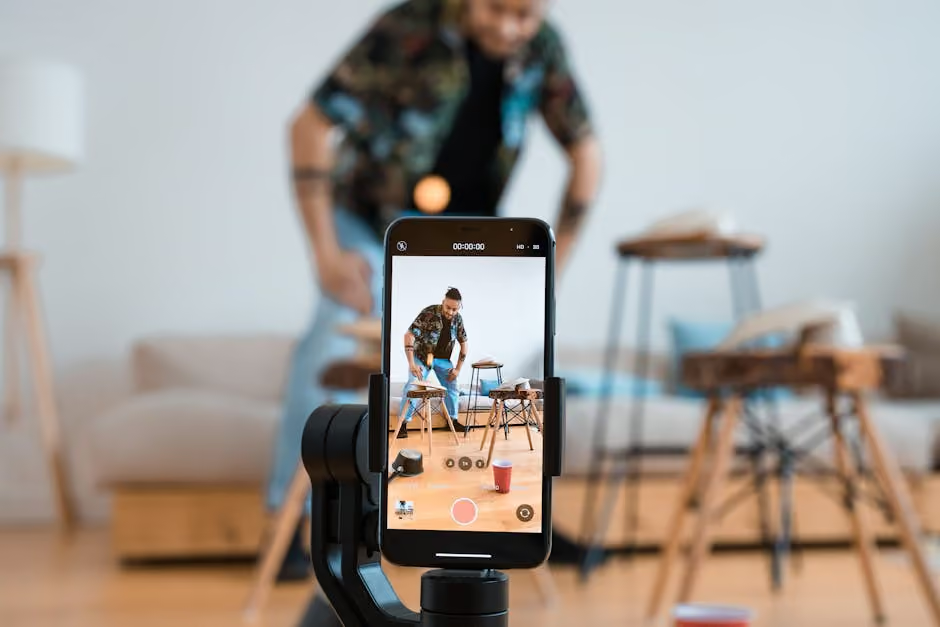
Multimedia content creation has become a pivotal tool in the digital age, especially for non-profits aiming to amplify their mission and create a social impact.
- What is Multimedia Content Creation?
- It's the art of using various media formats like text, images, videos, audio, and interactive elements.
- Aims to create engaging and immersive storytelling experiences.
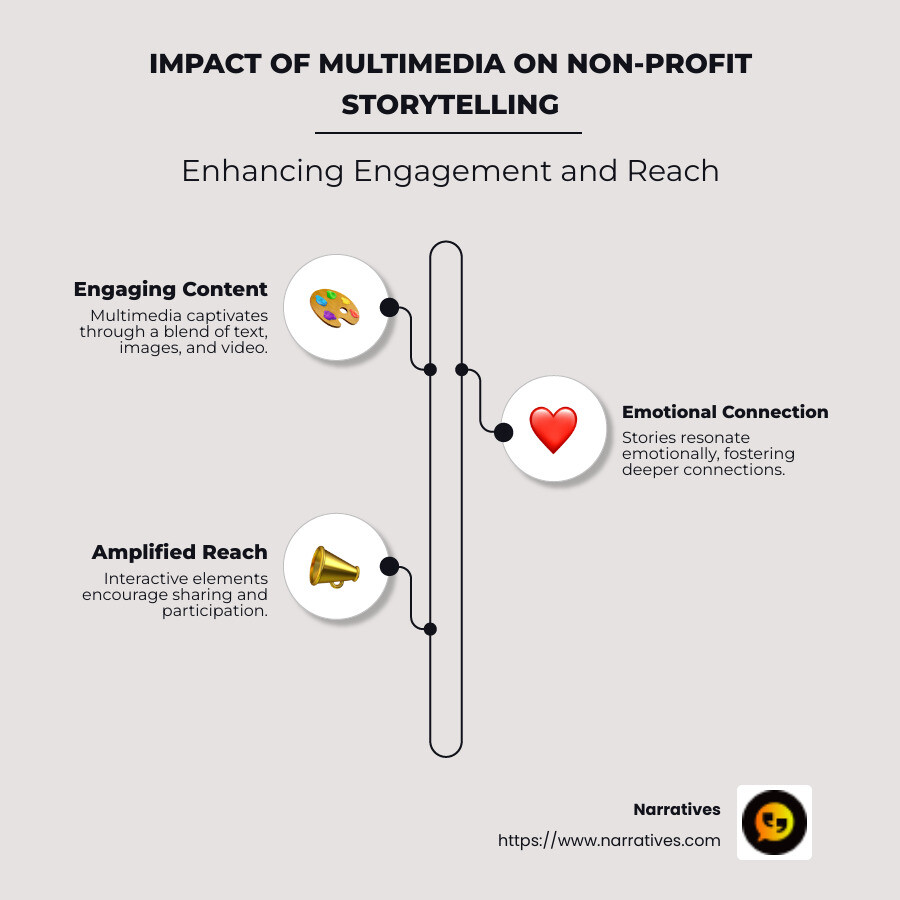
In a world overwhelmed by information, non-profit organizations often find it challenging to break through the noise and connect with their audience on an emotional level. By using the power of multimedia content creation, these organizations can craft compelling stories that resonate with their communities and lift their advocacy efforts. This approach enables non-profits to engage their audience effectively, fostering a deeper connection and driving measurable change.
As digital storytelling becomes more prevalent, it is essential for non-profits and social impact organizations to integrate multimedia content into their strategies. Not only does this improve their storytelling capabilities, but it also amplifies their reach, encouraging audience interaction and participation. Through the effective use of multimedia, non-profits can transform their missions into dynamic narratives that inspire action and foster a sense of community.
Understanding Multimedia Content Creation
Multimedia content creation is more than just a buzzword—it's a necessity in today’s digital landscape. Let's break down the seven key types of multimedia content that can transform your storytelling and improve audience engagement.
Text
Text serves as the foundation of any content strategy. It's direct and versatile. Whether it's a blog post or a social media caption, well-crafted text remains crucial for conveying information clearly. For example, a compelling blog post can educate, inform, and engage readers, driving them to take action.
Images
Images are powerful. They quickly convey complex information and can evoke emotions in a way that words sometimes can't. Infographics are popular because they simplify data and make it visually appealing. High-quality photos can improve website aesthetics and make content more shareable.
Audio
Audio content, like podcasts and music, allows for multitasking consumption. People can listen to podcasts while driving or exercising, making it a flexible way to engage audiences. This format is growing in popularity due to its convenience and the intimate connection it creates with listeners.
Video
Video content combines visual and auditory elements to create immersive experiences. A product demo video, for instance, can effectively showcase the features and benefits of a product in a way that text alone cannot. Videos are engaging and often lead to higher retention rates.
Animation
Animation brings concepts to life by illustrating ideas that might be difficult to explain with static images or text. Educational animations and explainer videos are excellent for breaking down complex topics into digestible content. They are particularly effective in educational settings.
Interactive Content
Interactive content like quizzes, polls, and interactive infographics encourages audience participation. This type of content is engaging because it allows users to actively interact with the material, making the experience more memorable and personalized.
Virtual Reality
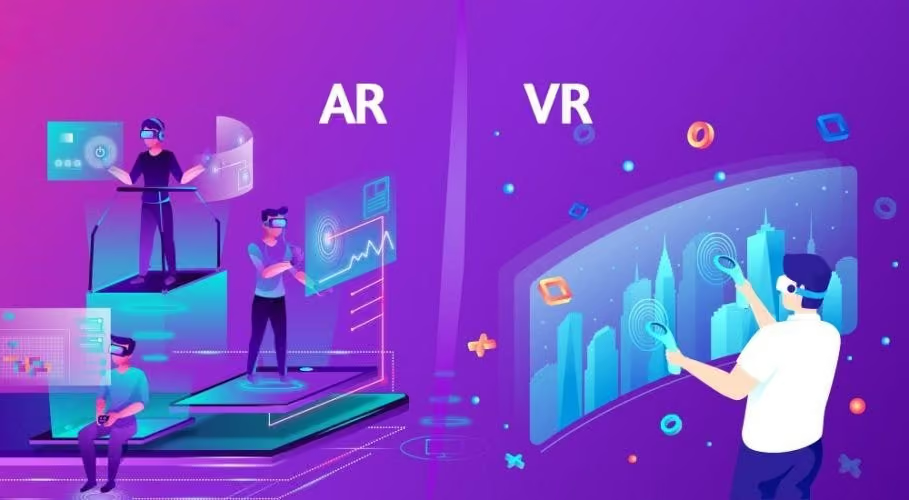
Virtual reality (VR) provides immersive experiences that are unparalleled in terms of engagement. VR is used in gaming, real estate, and education to create simulations that are as close to real life as possible. For example, a VR tour of a property can give potential buyers a realistic sense of space and layout without being physically present.
By understanding and utilizing these types of multimedia content, organizations can create more engaging, memorable, and effective communication strategies. Each format has its unique strengths, and the best results often come from combining multiple types to tell a richer story.
Benefits of Multimedia Content
Multimedia content is not just an option—it's a must. Let's explore why multimedia content is so beneficial and how it can transform your communication strategy.
Improved Engagement
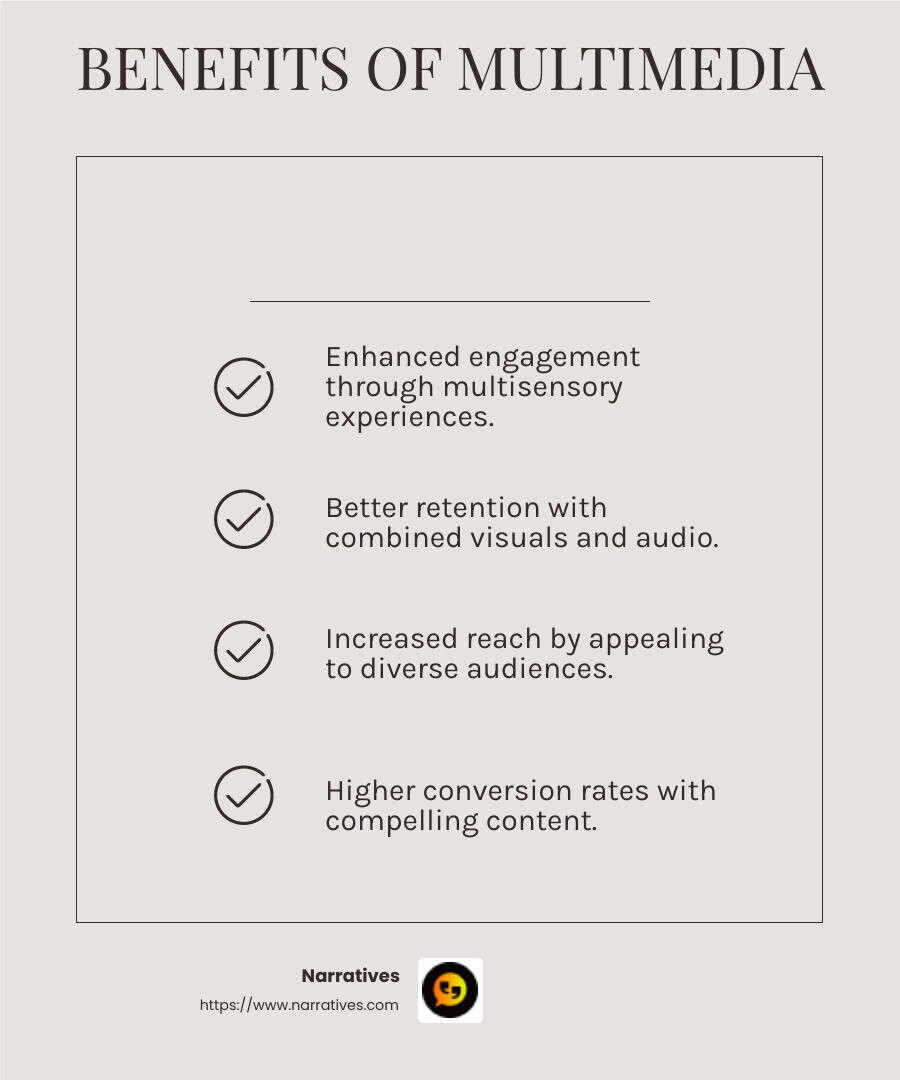
Multimedia content captivates audiences like no other. Combining text, images, audio, and video can stimulate multiple senses at once. This multisensory experience holds attention longer than plain text. Think about a video that combines engaging visuals with a catchy soundtrack. It's more likely to keep viewers watching and interacting.
Improved Retention
People remember content better when it's presented in multiple formats. Research shows that combining visuals, audio, and text increases information retention. For example, an educational video with animations can help students grasp complex topics more effectively than a textbook alone.
Increased Reach
Multimedia content appeals to a broader audience. Different people prefer different formats—some love reading, others prefer watching or listening. By offering content in various forms, you can reach more people and cater to diverse preferences. This inclusivity expands your audience and improves accessibility.
Better Communication
Complex ideas can be hard to explain with just words. Multimedia content simplifies these concepts through visual aids, animations, and interactive elements. For instance, an animated explainer video can break down a complicated process into simple, easy-to-follow steps, making it more understandable for everyone.
Higher Conversion Rates
Engaging multimedia content can lead to higher conversion rates. When viewers are captivated and understand your message, they're more likely to take action. A well-crafted video or interactive infographic can effectively guide users through a sales funnel, ultimately boosting sales and conversions.
Incorporating multimedia content into your strategy offers numerous advantages. From capturing attention to improving understanding and driving action, the benefits are clear. Up next, we'll dig into the best practices for creating multimedia content that truly shines.
Best Practices for Multimedia Content Creation
Creating multimedia content that shines involves a few key steps. It's not just about making things look pretty—it's about being strategic and thoughtful. Let's explore the best practices that can help you succeed.
Define Objectives
Before you start creating anything, be clear about what you want to achieve. Are you aiming to educate, entertain, or persuade? Setting clear goals will guide your content decisions and keep you focused. For example, if your goal is to increase brand awareness, your content might focus on storytelling and brand values.
Understand Your Audience
Knowing your audience is crucial. What are their needs, preferences, and habits? Tailor your content to match their interests and consumption patterns. If your audience prefers quick, digestible content, consider short videos or infographics. On the other hand, a more in-depth audience might appreciate detailed articles or podcasts.
Consistent Branding
Your multimedia content should reflect your brand’s identity. Use consistent colors, fonts, and logos across all formats. This creates a cohesive look and feel, making your brand easily recognizable. Consistent branding builds trust and helps establish a strong brand presence.
Optimize for Devices
Most people access content on mobile devices. Ensure your multimedia content is mobile-friendly. Images and videos should be responsive, and text should be easy to read on smaller screens. Compress files to reduce loading times without sacrificing quality. This optimization improves user experience and keeps audiences engaged.
Encourage Interaction
Interactive content boosts engagement. Encourage viewers to participate by adding elements like quizzes, polls, or clickable links. For instance, an interactive infographic can allow users to explore data at their own pace. Interaction not only keeps users engaged but also provides valuable insights into their preferences and behaviors.
By following these best practices, you can create multimedia content that is not only visually appealing but also effective in achieving your goals. Next, we'll explore some of the top tools available to aid in crafting this type of content.
Tools for Multimedia Content Creation
Creating captivating multimedia content requires the right tools. Let's explore three top options that can help you bring your ideas to life.
Narratives Studio
Narratives Studio is like a treasure chest for content creators. It's packed with powerful applications for graphic design, video editing, and more. Whether you're crafting a stunning visual or editing a video, Narratives has a tool for you.
Features and Benefits:
- Comprehensive Suite: Includes tools for photo editing, vector graphics, video production, and more.
- Cloud-Based: Access your projects from anywhere.
- Seamless Integration: Works smoothly with other Narratives apps.
To get the most out of Narratives Studio, start by exploring tutorials to learn the basics. Practice regularly, and don't be afraid to experiment with different tools. Patience and persistence are key to mastering this powerful suite.
Narratives Design
Narratives Design is perfect for those who want to create beautiful designs without a steep learning curve. It's user-friendly and doesn't require any design experience.
Features and Benefits:
- Templates Galore: Choose from a wide range of templates for social media, presentations, and more.
- Drag-and-Drop: Easy to use, even for beginners.
- Collaboration: Work with your team in real-time.
To use Narratives Design effectively, start by selecting a template that fits your project. Customize it with your own text, images, and branding. Simplicity is key—keep your designs clean and focused.
Narratives Video
Narratives Video is your go-to tool for creating engaging videos quickly. Whether it's for social media or a promotional campaign, Narratives makes video creation a breeze.
Features and Benefits:
- Ready-Made Templates: Create professional-looking videos in minutes.
- User-Friendly Interface: No video editing experience required.
- Customization Options: Add voiceovers, music, and text to personalize your videos.
To create compelling videos with Narratives Video, start by choosing a template that aligns with your story. Customize it with your footage and branding. Focus on storytelling—make sure your video connects with your audience.
These tools can transform your multimedia content creation process, making it easier and more efficient. Next, we'll dive into some frequently asked questions to help you further understand this dynamic field.
Frequently Asked Questions about Multimedia Content Creation
What is multimedia content?
Multimedia content is a mix of different types of media—text, images, audio, video, animation, interactive elements, and even virtual reality. This combination helps tell stories in a more engaging and dynamic way. Think of it as creating a symphony of different elements to capture attention and convey a message effectively.
How does multimedia content improve engagement?
Using multimedia content can significantly boost engagement. Here's how:
Captivates Audiences: By combining visuals, sounds, and interactivity, multimedia content grabs attention much more than plain text. For example, a well-crafted video or an interactive infographic can keep users hooked longer.
Stimulates Senses: Multimedia content engages multiple senses at once. Watching a video or listening to audio while reading text can make the information more memorable and impactful.
What are the types of multimedia content?
There are several types of multimedia content, each serving a unique purpose:
Text: The foundation of content, used to provide information or context. Examples include blog posts and social media captions.
Images: Visuals like photos and infographics that quickly convey complex information.
Audio: Includes podcasts and music, allowing people to consume content while multitasking.
Video: Combines visual and auditory elements to create immersive experiences, such as product demos or tutorials.
Animation: Brings ideas to life and can simplify complex concepts through animated videos.
Interactive Content: Engages users by involving them in the content, like quizzes or interactive infographics.
Virtual Reality: Offers immersive experiences, often used in gaming, real estate, or education for realistic simulations.
Using these different types of multimedia content allows creators to reach wider audiences and communicate more effectively. Next, let's explore how you can apply these insights to your own projects.
Conclusion
In today's digital world, Narratives stands out by changing how non-profits and purpose-driven organizations tell their stories. Through community-driven storytelling and strategic multimedia content creation, we help lift underrepresented voices and amplify social impact.
Our partnerships with non-profits are at the heart of what we do. By crafting emotionally resonant videos and multimedia content, we enable these organizations to share their journeys and the changes they inspire. This approach not only builds trust but also increases visibility, encouraging action from their audiences.
Community-driven storytelling is more than just a buzzword. It's about connecting with people on a deeper level and creating content that resonates with their experiences and values. By focusing on the stories of real people and communities, we help non-profits foster a sense of belonging and inspire others to join their cause.
As we continue to explore the vast landscape of multimedia content, our commitment remains clear: to be the go-to digital storytelling partner for those making a difference. By leveraging the power of multimedia, we help turn impactful stories into compelling narratives that shine.
Ready to take your storytelling to the next level? Learn more about how Narratives can help your organization tell its story and inspire change.
.avif)