Non-Profit Marketing: Strategies to Elevate Your Cause

Elevating Your Cause through Non-Profit Marketing Strategies
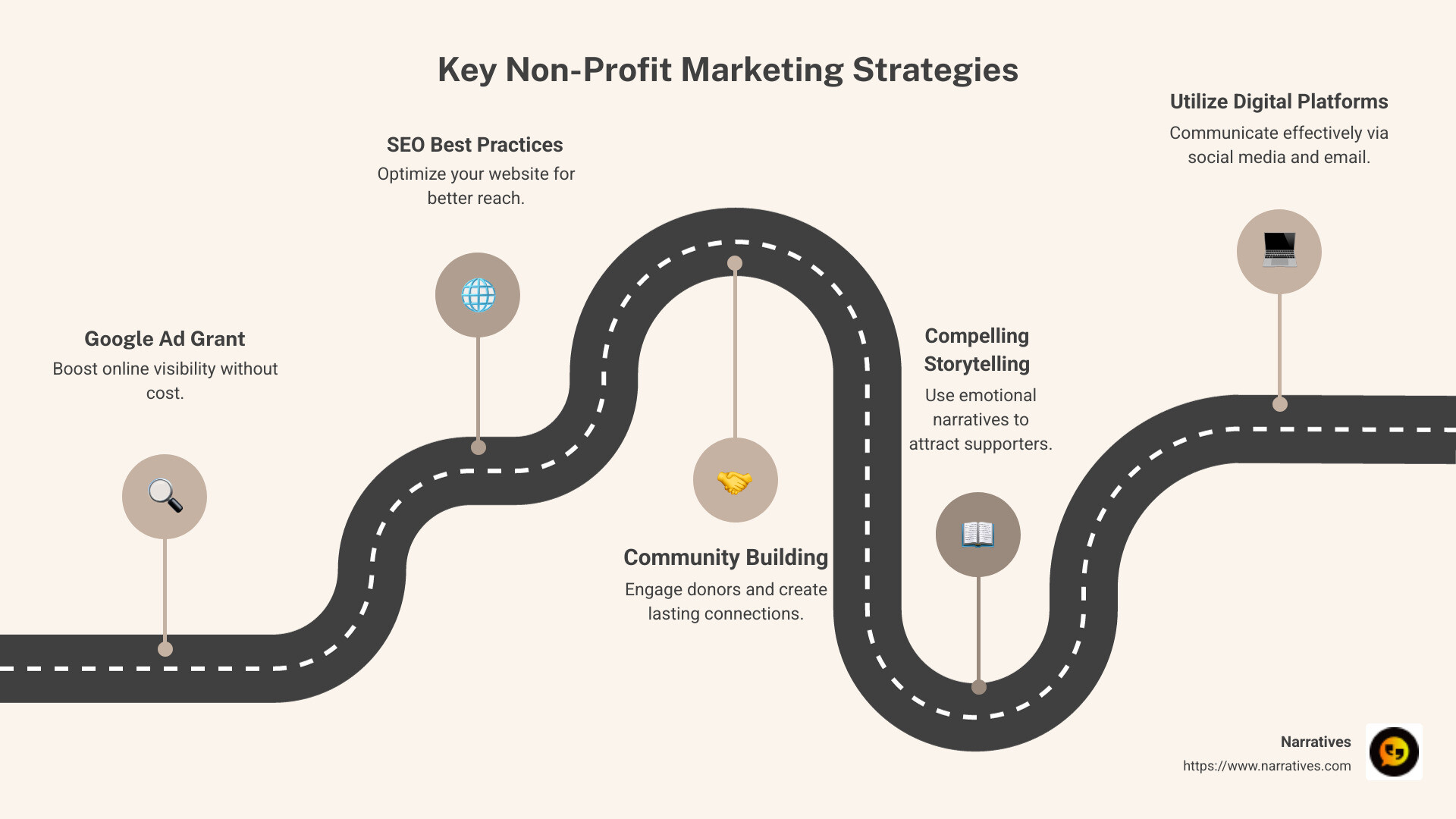
Non-profit marketing strategies are crucial for organizations aiming to amplify their mission and foster deeper connections with their communities. For anyone seeking quick insights, here are some core strategies to consider:
- Leverage the Google Ad Grant: Use this to boost your online visibility without extra cost.
- Implement SEO Best Practices: Optimize your website to better reach those interested in your mission.
- Build a Community: Engage donors by making them feel connected and vital to your cause.
- Tell Compelling Stories: Use emotional narratives to attract and retain supporters.
- Use Digital Platforms: Harness social media and email to communicate effectively and reach a broader audience.
In the heart of busy cities, non-profit leaders are driven by purpose but face challenges in translating their impactful work into compelling narratives. They desire partners who can help them tell their story authentically, achieving measurable results like increased donations and community engagement. Narratives aims to bridge this gap.
In a rapidly evolving world, non-profit organizations must find innovative yet cost-effective ways to reach their goals. Non-profit marketing strategies not only help spread messages but also enable organizations to remain sustainable by attracting donations and volunteers.
By honing in on storytelling and data-driven methods, non-profits can lift their missions and connect more deeply with their audiences. This introduction will guide you into strategies that make your cause stand out.
Non-profit marketing strategies terms made easy:
Understanding Non-Profit Marketing
Non-profit marketing is all about using strategies to spread your mission, attract donations, and engage volunteers. Unlike for-profit marketing, the focus is on promoting values and causes rather than products or services. This makes it both challenging and rewarding.
Importance of Non-Profit Marketing
Marketing is crucial for non-profits because it creates awareness and helps build a supportive community. Without it, even the most noble causes can go unnoticed. Effective marketing ensures that your message reaches the right people, inspiring them to support your mission.
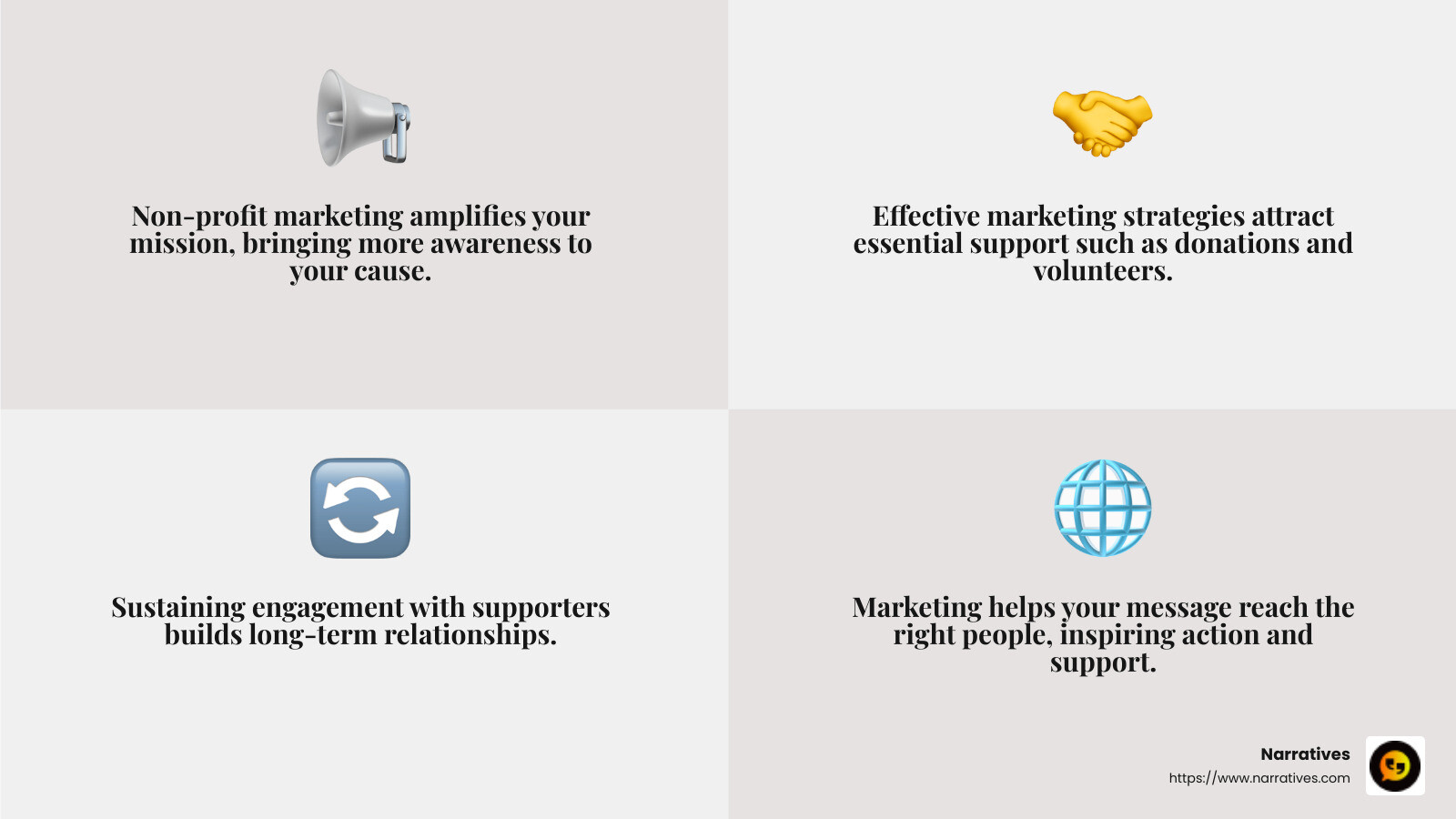
- Amplifies Your Mission: By getting your message out, more people become aware of your cause and how they can help.
- Attracts Support: Whether you're seeking donations, volunteers, or partners, marketing helps you find the right supporters.
- Sustains Engagement: Keeps current supporters informed and involved, building long-term relationships.
Strategies for Success
To succeed, non-profits need a mix of creative and data-driven strategies. Here's a closer look:
Community Building: Engage with your audience by creating spaces where they feel valued and connected. This could be through online forums, local events, or social media groups.
Donor Engagement: Keep donors informed and appreciated. Use newsletters, thank-you notes, and updates on how their contributions are making a difference.
Digital Marketing: Use online channels like social media, email, and search engines to reach a wider audience. The Google Ad Grant, for instance, can help boost your online presence at no cost.
Storytelling: Share powerful stories that resonate emotionally with your audience. Highlight personal stories from those you’ve helped, showing the real-world impact of your work.
By integrating these strategies, non-profits can effectively lift their causes and ensure their missions resonate with the broader community. This sets the stage for leveraging digital platforms to further expand their reach.
Non-Profit Marketing Strategies
To lift your cause, non-profit marketing strategies should focus on community building, donor engagement, digital marketing, and storytelling. Let's explore each of these key areas:
Community Building
Building a community means more than just gathering a list of names. It's about creating a network of supporters who feel like they are part of something bigger. This sense of belonging can be fostered through:
Online Forums and Social Media Groups: Platforms like Facebook and LinkedIn offer spaces where supporters can connect and share their experiences related to your cause.
Local Events: Organize meetups or volunteer activities in your area to strengthen local ties.
Champions and Leaders: Identify key supporters who can lead local chapters or initiatives, creating a ripple effect of engagement.
Example: The PARS Equality Center uses community events to empower Persian-speaking immigrants, helping them integrate and thrive in new environments.
Donor Engagement
Engaging with donors is crucial for maintaining their support. Here’s how you can keep them involved:
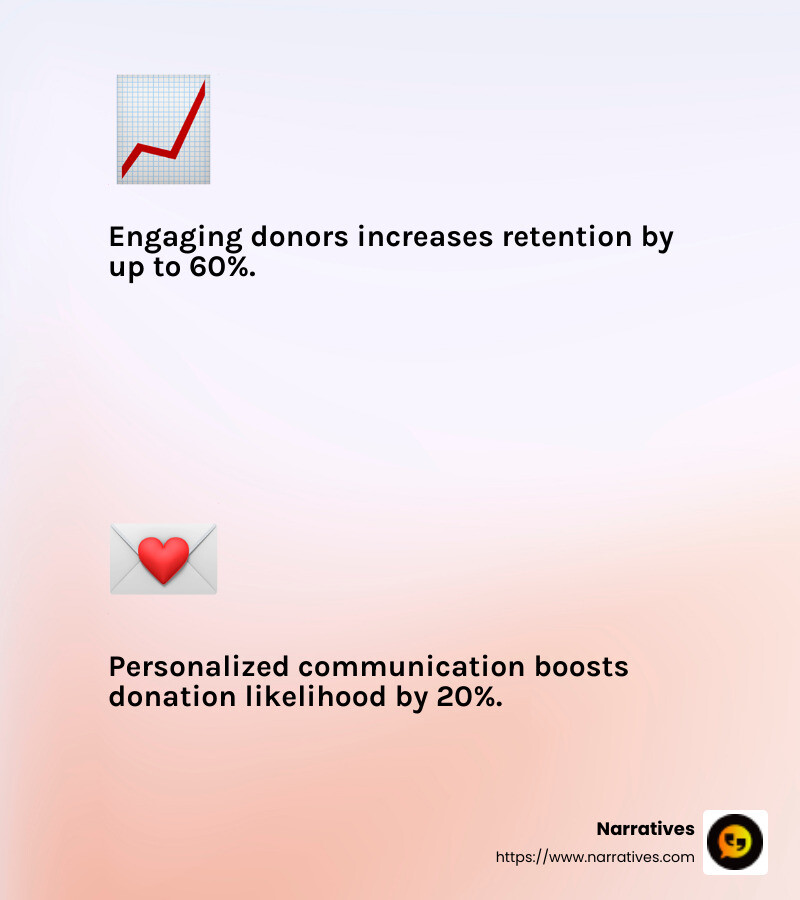
Personalized Communication: Use donor information to tailor your messages. A simple thank-you note or a personalized update on how their contribution made a difference can go a long way.
Regular Updates: Share progress reports and success stories. Let donors know how their contributions are being used and the impact they're having.
Multiple Giving Options: Encourage donors to engage in various ways, such as volunteering or participating in peer-to-peer fundraising.
Digital Marketing
Leveraging online platforms is essential. Here are some ways to maximize your digital presence:
Social Media: Use platforms like Instagram and TikTok to share engaging content and reach younger audiences.
Email Campaigns: Regular newsletters can keep your audience informed and engaged.
SEO and Google Ad Grants: Optimize your website for search engines and take advantage of free advertising credits through Google Ad Grants to increase visibility.
Tip: Classy’s Giving Cart feature can simplify the donation process, allowing supporters to contribute in multiple ways with a single checkout.
Storytelling
Storytelling is a powerful tool that can create an emotional connection with your audience. To make the most of storytelling:
Visual Content: Use photos and videos to showcase the real-world impact of your work. Visual storytelling can be more impactful than words alone.
Personal Stories: Share testimonials from beneficiaries, volunteers, and donors. Real stories resonate and can inspire action.
Consistent Messaging: Ensure your stories align with your mission and values, reinforcing your brand identity.
By focusing on these non-profit marketing strategies, your organization can create meaningful connections, engage supporters, and amplify its mission. Next, we’ll explore how to leverage digital platforms to further expand your reach.
Leveraging Digital Platforms
Utilizing online platforms is crucial for non-profits to reach and engage their audience. Let's explore some key areas where digital tools can make a big impact.
Social Media
Social media platforms are powerful tools for non-profits. They allow you to share your story, connect with supporters, and even raise funds. Here are some strategies to consider:
Instagram and TikTok: Use these platforms to post engaging visuals and videos. Instagram's collab feature can boost engagement by co-authoring content with influencers. TikTok hashtag campaigns can raise brand awareness and funds.
Facebook: Use Facebook Messenger for real-time chats with supporters. Facebook ads can target new donors, while groups can build active communities.
LinkedIn: Showcase your values through post templates and pinned comments. Encourage staff to connect with your page to widen your reach.
Email Marketing
Email remains a direct way to communicate with your supporters. Here are some tips for effective email marketing:
Segmentation: Divide your contact list into subgroups to send more personalized messages. This can lead to higher engagement rates.
Automation: Use tools to personalize emails with recipients' first names, and automate thank-you messages right after a donation.
Engaging Content: Send newsletters with updates, success stories, and upcoming events. Include call-to-action buttons to guide readers to your website or donation page.
SEO (Search Engine Optimization)
SEO helps your website rank higher in search engine results, making it easier for people to find you. Here’s how to optimize your site:
Keyword Research: Identify relevant keywords and incorporate them naturally into your content.
On-Page Optimization: Use optimized title tags, meta descriptions, and headers. Ensure your website is mobile-responsive.
Backlink Building: Increase your site's authority by earning backlinks from reputable sources through guest blogging and partnerships.
Mobile Optimization
With many people accessing the internet via smartphones, having a mobile-friendly site is essential. Here's how to optimize for mobile:
Responsive Design: Ensure your website adjusts to different screen sizes smoothly.
Mobile-Friendly Donation Pages: Supporters should be able to donate easily from their phones. Embedded donation forms can improve conversion rates.
Quick Load Times: A fast-loading site keeps visitors engaged and reduces bounce rates.
By leveraging these non-profit marketing strategies on digital platforms, your organization can expand its reach and engage supporters more effectively. Next, we'll dig into creating compelling content that resonates with your audience.
Creating Compelling Content
Crafting content that captivates and connects is vital for any non-profit. Let's explore three powerful elements: visual storytelling, emotional resonance, and user-generated content.
Visual Storytelling
The human brain processes images in just 13 milliseconds. That's why visual storytelling is so effective. It helps you communicate quickly and emotionally. Here are some ways to use it:
Photos and Videos: Share images and clips of the people your non-profit helps. This puts a face to your cause and makes it relatable. Platforms like Instagram and TikTok are great for this.
Infographics: Use these to present important statistics about your cause. They’re easy to share and can spread awareness quickly.
Short-Form Videos: Platforms like Pinterest and Instagram thrive on short, engaging videos. They can highlight your mission in a fun, digestible way.
Emotional Resonance
To inspire action, your content must touch hearts. Here's how to create an emotional connection:
Authentic Stories: Share real-life stories of how your non-profit has made a difference. People are more likely to support a cause they feel connected to.
Testimonials: Feature quotes from those who have benefited from your work or from volunteers. This adds a personal touch and builds trust.
Impact Tiles: On your website, link donation amounts to specific actions, like "$25 provides 50 bags of pasta." This shows donors the tangible impact of their contributions.
User-Generated Content
Engage your community by encouraging them to create content. This not only spreads your message but also builds a sense of belonging:
Social Media Challenges: Start a challenge related to your cause. Encourage followers to participate and share their experiences.
Volunteer Spotlights: Highlight your volunteers' stories on your platforms. This recognizes their efforts and motivates others to get involved.
Feedback and Surveys: Use post-event surveys to gather insights and stories from participants. This can help tailor future events and campaigns.
By focusing on these elements, your non-profit can create content that not only informs but also inspires and mobilizes your audience. Up next, we'll explore how to build strong donor relationships.
Building Strong Donor Relationships
Building strong donor relationships is all about understanding and connecting with your supporters. Let's explore three key strategies: segmentation, personalized communication, and impact communication.
Segmentation
Segmentation is like sorting your laundry. You wouldn't mix whites with colors, right? Similarly, you shouldn't treat all donors the same. By grouping them based on shared characteristics, you can tailor your messages more effectively.
How to Segment Donors:
- Acquisition Channel: Did they find you through social media, a friend, or an event?
- Giving Frequency: Are they first-time givers, occasional donors, or monthly supporters?
- Demographics: Consider age, location, or even interests.
- Programmatic Interests: What aspects of your nonprofit do they care about most?
For example, new donors might receive a warm welcome series, while recurring donors could get updates on the impact of their continued support. This approach shows donors you value them as individuals.
Personalized Communication
Personalized communication is like sending a handwritten note instead of a generic email. It makes donors feel special and appreciated.
Ways to Personalize:
- Use Their Name: Always address donors by their name in emails and letters.
- Reference Past Involvement: Mention their previous donations or volunteer work.
- Tailor Content: Share stories or updates relevant to their interests or past contributions.
For instance, a donor who supported a children's education program would appreciate updates on how the students are doing. Personal touches like these strengthen the bond between donors and your cause.
Impact Communication
Donors want to know their contributions make a difference. That's where impact communication comes in. It's about showing the real-world effects of their generosity.
Communicating Impact:
- Visuals and Stories: Use photos and stories to illustrate how donations change lives.
- Detailed Reports: Share annual reports that highlight achievements and future goals.
- Donation Impact: Clearly show what each donation amount can achieve, like "$50 feeds a family for a week."
For example, a healthcare nonprofit might share a story about a child who received life-saving surgery thanks to donor support. This not only acknowledges the donor's role but also inspires further giving.
By implementing these strategies, your nonprofit can build lasting relationships with donors, ensuring they feel valued and connected to your mission.
Next, we'll dive into some frequently asked questions about non-profit marketing strategies.
Frequently Asked Questions about Non-Profit Marketing Strategies
What is a Non-Profit Marketing Plan?
A non-profit marketing plan is a roadmap that outlines how your organization will promote its mission and engage with donors. It answers critical questions like:
- Who is your target audience?
- What type of content will you create?
- Where will you share your message?
- When will you launch campaigns?
- Why should people choose to support your cause?
Components of a Non-Profit Marketing Plan:
- Mission Statement: Clearly define your purpose.
- Target Audience: Identify who you want to reach.
- Goals: Set specific, measurable, attainable, relevant, and time-based (SMART) goals.
- Strategies: Outline the tactics you'll use.
- Budget: Determine how much you can spend.
- Evaluation: Plan how to measure success.
Benefits:
- Clarity: Everyone knows the organization's direction.
- Efficiency: Resources are used wisely.
- Consistency: Messaging stays uniform across platforms.
How to Measure Success in Non-Profit Marketing?
Measuring success ensures your efforts are on track. Here are some essential tools and metrics:
Key Performance Indicators (KPIs):
- Donor Retention Rate: Measures how many donors continue to support.
- Donation Growth: Tracks increases in donation amounts.
- Engagement Levels: Analyzes interactions on social media and emails.
Analytics and Reporting:
- Google Analytics: Use it to track website traffic and user behavior.
- Email Metrics: Monitor open rates, click-through rates, and unsubscribe rates.
- Social Media Insights: Check likes, shares, and comments for engagement levels.
Regularly reviewing these metrics helps you adjust strategies for better outcomes.
What are Budget-Friendly Marketing Ideas for Non-Profits?
Non-profits often work with tight budgets, but creativity can stretch those dollars further. Here are some low-cost strategies:
Social Media Campaigns:
- Leverage Platforms: Use free tools on Facebook, Instagram, and Twitter to reach wider audiences.
- User-Generated Content: Encourage supporters to share their stories related to your cause.
Email Marketing:
- Segment and Personalize: Send targeted emails to different donor groups.
- Automate: Use tools like Mailchimp for scheduled outreach.
Content Marketing:
- Blogging: Share stories and updates to engage your audience.
- Visual Storytelling: Use images and videos to convey your message powerfully.
Creative Ideas:
- Partnerships: Collaborate with local businesses for mutual promotion.
- Volunteer Events: Host events that raise awareness without hefty costs.
These strategies can improve your outreach without straining your budget. Next, we’ll explore how to leverage digital platforms for non-profit marketing success.
Conclusion
In today's digital world, Narratives stands out as a guide for non-profits seeking to amplify their impact through storytelling. As a digital storytelling partner, we focus on elevating underrepresented voices, ensuring that every story we tell resonates deeply with audiences. By crafting high-quality, emotionally engaging video and multimedia content, we help non-profits share their impact in ways that inspire action and build trust.
Digital storytelling is more than just sharing facts; it's about connecting with people on an emotional level. It allows non-profits to showcase their missions in a compelling way, turning viewers into supporters. Through powerful visuals and authentic narratives, organizations can demonstrate their impact and foster a sense of community among their audience.
Community-driven storytelling is at the heart of what we do. By involving the very people who benefit from non-profit initiatives, we create content that is not only authentic but also empowering. This approach builds stronger connections between non-profits and their supporters, enhancing visibility and driving engagement.
For non-profits aiming to lift their cause, embracing these storytelling techniques is crucial. It's not just about telling a story; it's about telling the right story — one that resonates, inspires, and mobilizes. By partnering with us at Narratives, organizations can harness the full potential of storytelling to create meaningful change.
Ready to lift your cause with impactful storytelling? Explore our digital media services and see how we can help bring your mission to life.


.avif)