2025 Nonprofit Social Media Strategy: Planning for Success

In 2025, a nonprofit social media strategy 2025 is more essential than ever. With the rise of digital channels, nonprofits face new and ongoing challenges in reaching and engaging their audiences effectively. As social media continues to evolve, nonprofits must adopt bold storytelling techniques and creative strategies to capture attention and foster deeper connections.
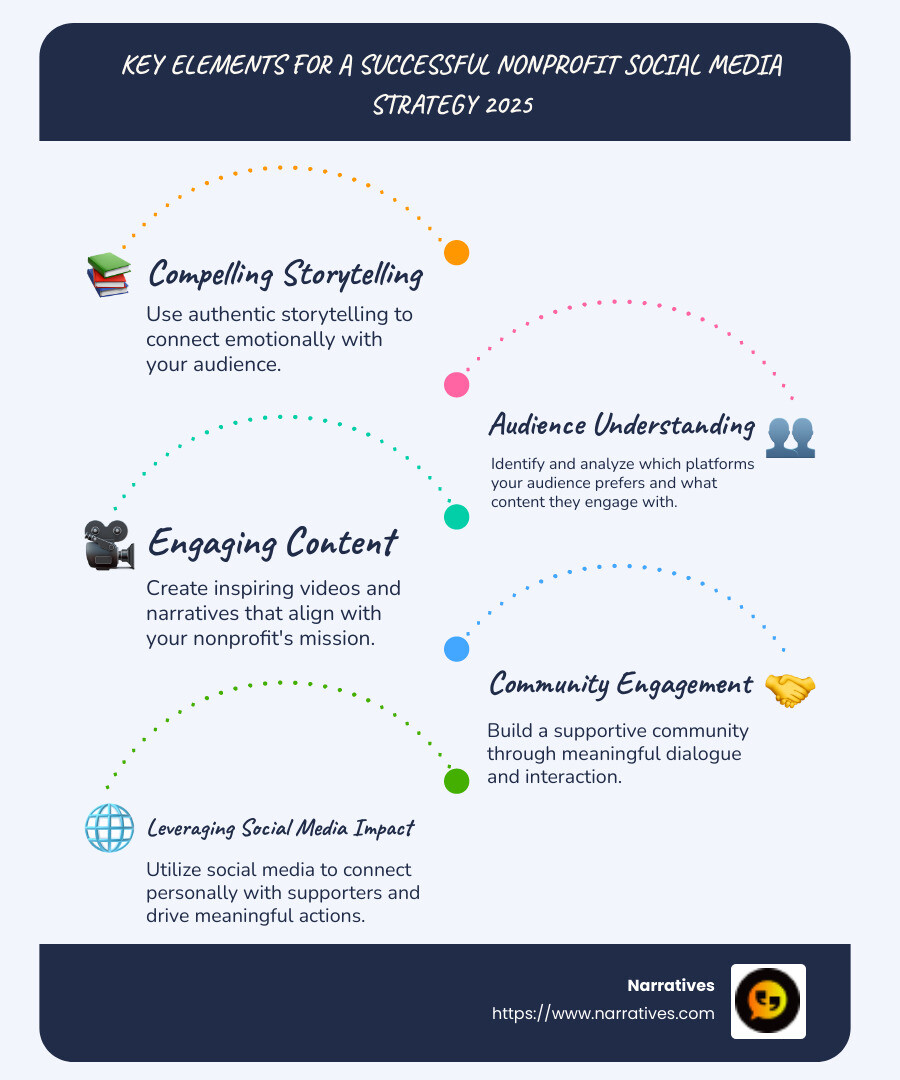
Key elements that make a nonprofit social media strategy 2025 successful include:
- Telling compelling stories: Accept authentic storytelling to connect emotionally with followers.
- Understanding your audience: Know which platforms they use and what content they engage with.
- Creating engaging content: Use videos and narratives that align with your mission to inspire action.
- Fostering community engagement: Build a supportive community through meaningful dialogue and interaction.
The impact of social media on nonprofits is profound, allowing organizations to connect more personally with supporters and drive meaningful action. According to research, 55% of people who engage with social causes on social media feel inspired to take further action. Nonprofits, therefore, can no longer afford to take a cautious approach; they need to create innovative content that resonates deeply and promotes involvement.
Understanding the Nonprofit Social Media Landscape
Navigating the nonprofit social media landscape in 2025 is like steering a ship in ever-changing waters. The platforms are dynamic, and audience preferences shift rapidly. To succeed, nonprofits need to understand these changes and adapt their strategies accordingly.
Dynamic Landscape
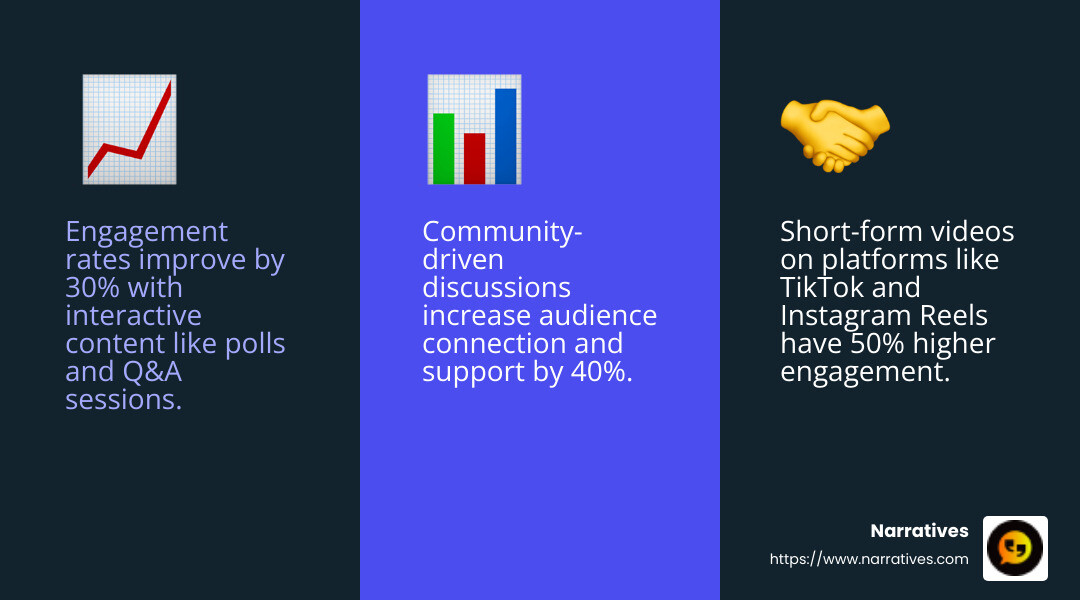
Social media is not static. New features and platforms emerge, user behaviors evolve, and algorithms change. In 2025, nonprofits must stay agile, ready to pivot as trends shift. For instance, short-form video content is king, with platforms like TikTok and Instagram Reels leading the charge. Keep content digestible: concise, visually appealing, and to the point.
Audience Engagement
Engagement is more than just likes and shares. It's about building relationships and sparking conversations. Nonprofits should focus on creating content that encourages interaction. Polls, live Q&A sessions, and community-driven discussions are great ways to foster engagement. People are more likely to support causes they feel personally connected to.
Platform Demographics
Understanding where your audience hangs out is crucial. Different age groups prefer different platforms. For instance, Facebook remains popular among 25-34-year-olds, while Instagram and TikTok attract younger users aged 18-24. Knowing these demographics helps nonprofits target their efforts and resources effectively.
Here's a snapshot of major platforms in 2024:
| Platform | Largest Age Group | Daily Usage |
|---|---|---|
| 25-34 | 30 minutes | |
| 18-24 | 30.1 minutes | |
| TikTok | 18-24 | 45.8 minutes |
| 30-39 | Weekly access |
To harness the power of social media, nonprofits must understand these nuances and tailor their strategies to meet their audience where they are. By doing so, they can build a more engaged community and drive meaningful change.
Next, let's dive into how to craft a nonprofit social media strategy 2025 that sets your organization up for success.
Nonprofit Social Media Strategy 2025
Creating a successful nonprofit social media strategy 2025 involves setting clear goals, understanding your audience through personas, and focusing on the right platforms. Let's break down these steps.
Goal Setting
Setting clear, measurable goals is the foundation of any effective social media strategy. Begin by aligning your social media goals with your organization's overall objectives. Are you aiming to increase awareness, boost donations, or engage with your community? Each goal will require a different approach and set of tactics.
For example, if your goal is to increase donations, you might focus on campaigns that highlight the direct impact of contributions. Share stories and visuals that show how donations change lives. On the other hand, if your goal is to engage the community, interactive content like polls or live Q&A sessions can be more effective.
Key Tip: Use the SMART criteria—Specific, Measurable, Achievable, Relevant, Time-bound—to define your goals. This ensures they are clear and trackable.
Audience Personas
Understanding your audience is crucial. Creating audience personas helps you tailor your content to meet their preferences and needs. An audience persona is a detailed profile of your ideal supporter. It includes demographic information, interests, online behaviors, and motivations for supporting your cause.
For instance, if your nonprofit focuses on environmental conservation, your personas might include young professionals passionate about sustainability and parents interested in teaching their children about nature.
Why Personas Matter: They guide content creation, ensuring your messages resonate with the right people. This personalized approach helps build stronger connections and increases engagement.
Platform Focus
Choosing the right platforms is essential for reaching your audience effectively. Not every platform will suit your nonprofit's needs, so focus on those where your target audience spends their time.
Based on current trends:
- Facebook is great for reaching a broad audience, particularly those aged 25-34. It supports various content types, from text posts to live videos.
- Instagram and TikTok are ideal for engaging younger audiences (18-24) with visually appealing content. Short videos and stories work well here.
- LinkedIn is perfect for professional networking and reaching an audience interested in thought leadership and industry insights.
Platform Strategy: Start with one or two platforms that align with your audience and goals. As you grow your presence and resources, expand to other platforms. Regularly review platform analytics to ensure your efforts are paying off.
By setting clear goals, understanding your audience, and focusing on the right platforms, your nonprofit can create a robust social media strategy that drives engagement and supports your mission.
Next, we'll explore how to craft compelling content that captures attention and inspires action.
Creating Compelling Content
In 2025, crafting content that's both compelling and digestible is crucial for any nonprofit social media strategy. Let's explore how you can achieve this with storytelling and visual appeal.
Digestible Content
Today's audiences prefer content that's quick and easy to consume. Whether it's a short video or a brief article, the goal is to convey your message clearly and promptly.
Key Tactics for Digestible Content:
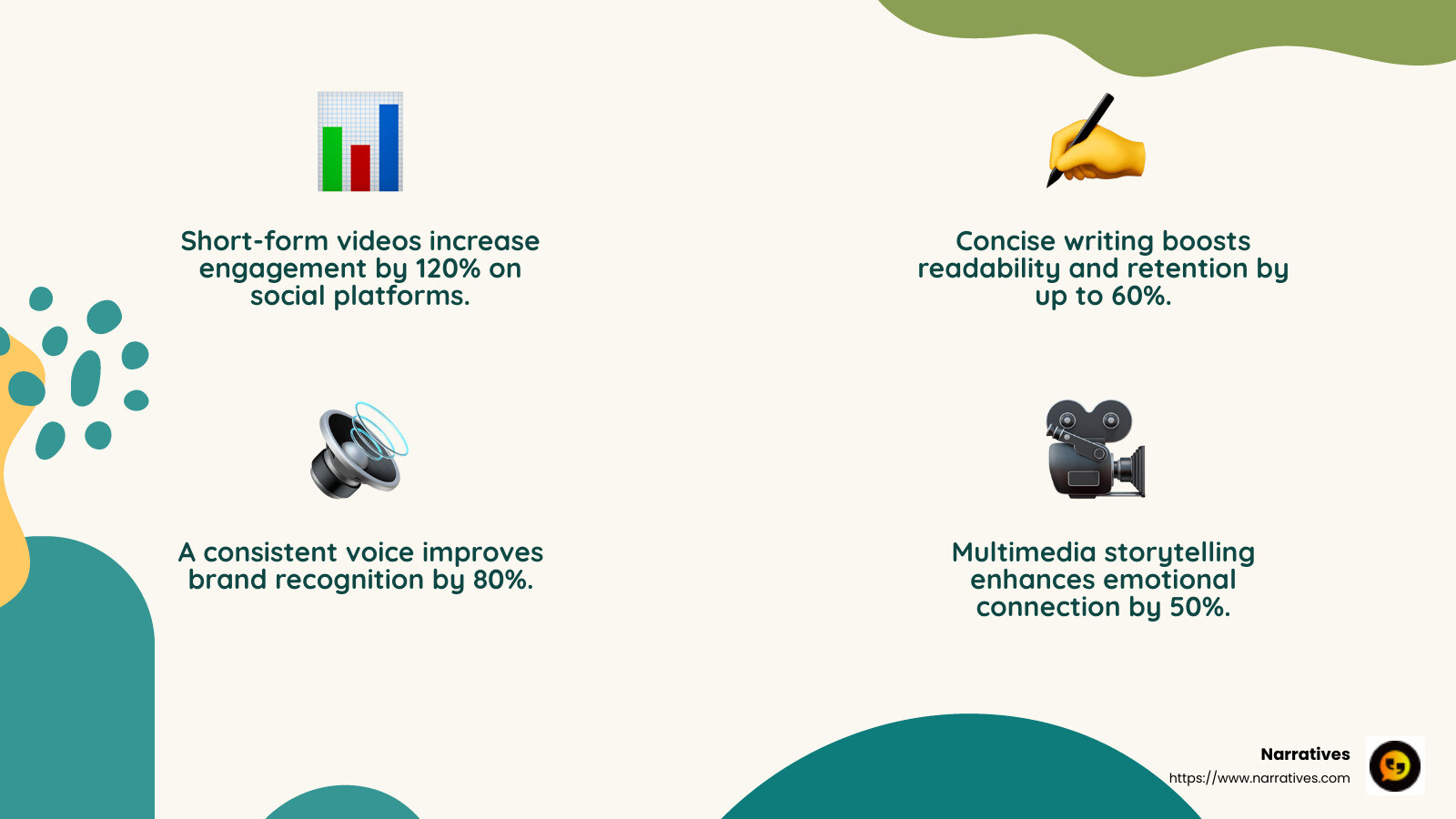
Short-Form Videos: Keep videos under one minute to maintain interest. Platforms like Instagram Reels and YouTube Shorts are perfect for this.
Concise Writing: Use bullet points and short paragraphs. Lead with the most important information to grab attention right away.
Consistent Voice: Maintain a strong, consistent voice across all content. This helps build a recognizable brand that audiences can trust.
Storytelling
Storytelling is a powerful tool for connecting with your audience on an emotional level. Authentic stories about the people and communities you serve can inspire action and foster trust.
Effective Storytelling Techniques:
Highlight Impact: Share real-world outcomes and personal stories that demonstrate your nonprofit's impact.
Diverse Voices: Include stories from various perspectives within your community to authentically reflect your mission.
Multimedia Formats: Use videos, infographics, and photo essays to bring stories to life. These formats are not only engaging but also memorable.
Visual Appeal
Visual content is king on social media. It grabs attention and can convey complex messages quickly.
Strategies for Visual Appeal:
Eye-Catching Graphics: Use vibrant colors and bold designs to make your content stand out.
Consistent Branding: Ensure all visuals align with your nonprofit's branding. This includes logos, color schemes, and fonts.
Behind-the-Scenes Content: Share photos and videos that offer a glimpse into your daily operations. This transparency builds trust and fosters a sense of community.
By focusing on digestible content, storytelling, and visual appeal, your nonprofit can create engaging content that resonates with your audience.
Next, we'll explore how to engage your audience and build a thriving online community.
Engaging Your Audience
Engaging your audience is key to a thriving nonprofit social media strategy 2025. Let's explore how community building, interaction strategies, and live events can help your nonprofit connect deeply with supporters.
Community Building
Building a community around your nonprofit fosters a sense of belonging and loyalty. It's more than just gaining followers; it's about creating a space where people feel connected to your mission.
Tips for Community Building:
Create Exclusive Groups: Use platforms like Facebook Groups to create spaces for supporters to interact. These groups can be a hub for discussions, sharing experiences, and building relationships.
Encourage Dialogue: Prompt your audience to share their thoughts and stories related to your mission. This not only builds community but also provides valuable insights into what matters to them.
Interaction Strategies
Interaction is the backbone of social media engagement. It's about having conversations, not just broadcasting messages.
Effective Interaction Strategies:
Reply to Comments: Engage with comments on your posts. A simple "thank you" or thoughtful reply can make followers feel appreciated and heard.
Host Q&A Sessions: Use tools like Instagram Live or Facebook Live to host Q&A sessions. This direct interaction can answer questions and deepen connections.
Polls and Surveys: Use polls to gather opinions and feedback. This not only engages your audience but also makes them feel involved in your nonprofit's decisions.
Live Events
Live events are a dynamic way to engage your audience in real-time, fostering a sense of immediacy and excitement.
Ideas for Live Events:
Virtual Tours: Offer behind-the-scenes tours of your operations. This transparency can build trust and interest in your work.
Live Fundraisers: Host live fundraising events to showcase your impact and rally support. Platforms like YouTube and Facebook are ideal for streaming these events.
Interactive Workshops: Hold workshops or webinars on topics related to your mission. Encourage participation through live chats and interactive activities.
By focusing on community building, interaction strategies, and live events, your nonprofit can create meaningful connections that inspire action and support.
Next, we'll dig into leveraging technology and tools to improve your social media strategy.
Leveraging Technology and Tools
Technology and tools are essential for enhancing your nonprofit social media strategy 2025. Let's explore how analytics tools, automation, and web optimization can streamline your efforts and maximize impact.
Analytics Tools
Understanding your audience and measuring success are crucial. Analytics tools provide insights into what works and what doesn't.
Key Analytics Tools:
Google Analytics: Track website traffic and see which social media channels drive the most visitors. It's a must-have for understanding user behavior.
Social Media Insights: Platforms like Facebook and Instagram offer built-in analytics. Use these to track engagement rates, follower growth, and post performance.
Funraise: This tool helps collect and analyze donor data efficiently. Knowing your donor demographics and behavior can refine your outreach strategies.
Automation
Automation can save time and ensure consistent communication with your audience.
Effective Automation Practices:
Scheduling Posts: Tools like Buffer or Hootsuite allow you to schedule posts in advance. This keeps your content calendar full and frees up time for other tasks.
AI Chatbots: Implement AI-driven chatbots to handle common queries. This ensures prompt responses and saves staff time.
Email Segmentation: Use automation to segment your email lists based on donor behavior. This allows for personalized communication that resonates with each group.
Web Optimization
A well-optimized website is crucial for converting social media traffic into supporters and donors.
Web Optimization Tips:
Responsive Design: Ensure your website is mobile-friendly. A seamless experience across devices keeps visitors engaged.
Fast Loading Times: Optimize images and scripts to improve loading speeds. Slow websites can frustrate users and lead to drop-offs.
Clear Navigation: Simplify menus for easy access to key information. A user-friendly site encourages exploration and engagement.
By leveraging analytics tools, automation, and web optimization, your nonprofit can improve its social media strategy, making it more efficient and impactful.
Next, we'll tackle some frequently asked questions about nonprofit social media strategy in 2025.
Frequently Asked Questions about Nonprofit Social Media Strategy 2025
How can nonprofits increase engagement on social media?
Engagement is key to a successful nonprofit social media strategy 2025. To boost interaction, focus on creating content that invites participation. Here are some strategies:
Interactive Content: Use polls, quizzes, and Q&A sessions to encourage followers to engage directly. Platforms like Instagram and Facebook offer easy-to-use tools for this.
Prompt Responses: Engage with comments and messages promptly. This shows that your organization values its community and fosters a sense of connection.
Live Events: Host live streams or webinars. These can create real-time interaction and build a sense of community among your supporters.
Building a strong relationship with your audience through these methods can lead to increased support and donations.
What are the best platforms for nonprofits in 2025?
Choosing the right platform is crucial. Each has its own demographic strengths:
Facebook: With over 3 billion users, it remains a staple for reaching a broad audience. It's especially strong among users aged 25-34.
Instagram: Ideal for visual storytelling, it attracts a younger audience (18-24). Use it for eye-catching visuals and short-form content.
TikTok: This platform is booming among younger users (18-24) and is perfect for creative, short videos. Consider using it to showcase behind-the-scenes content.
LinkedIn: Best for professional networking, it's suited for engaging with corporate partners and older demographics (30-39).
Analyze your audience demographics to determine which platforms align with your goals.
How can storytelling improve a nonprofit's social media presence?
Storytelling is a powerful tool for nonprofits. It creates an emotional connection and can drive action:
Emotional Connection: Sharing authentic stories about the people and communities you serve can inspire empathy and support.
Impactful Narratives: Highlight real-world outcomes and personal stories to demonstrate your nonprofit's effectiveness.
Multimedia Formats: Use videos, infographics, and photo essays to bring your stories to life and make them more engaging.
By weaving compelling narratives into your social media strategy, you can build trust and motivate your audience to get involved.
Next, we'll explore how to conclude your nonprofit social media strategy 2025 efforts with a focus on digital storytelling and community-driven approaches.
Conclusion
As we look towards 2025, it's clear that digital storytelling is more than just a trend—it's a necessity for nonprofits aiming to amplify their impact. Here at Narratives, we understand the transformative power of stories that resonate and inspire action.
Community-driven storytelling is at the heart of what we do. By elevating underrepresented voices and showcasing the real-world impact of nonprofit work, we help organizations build trust and foster deeper connections with their audiences. Authentic narratives not only capture attention but also drive engagement and support.
Incorporating storytelling into your nonprofit social media strategy 2025 can make all the difference. By crafting emotionally resonant content that highlights your mission and the communities you serve, you can inspire your audience to join your cause.
At Narratives, we're committed to being your partner in this journey. Our expertise in creating high-quality, multimedia content ensures that your stories are not only seen but felt. Together, we can make a lasting impact.
Ready to lift your nonprofit's storytelling? Learn more about our digital storytelling services and find how we can help your organization shine.


.avif)