The Art of Persuasion: Effective Storytelling for Nonprofits

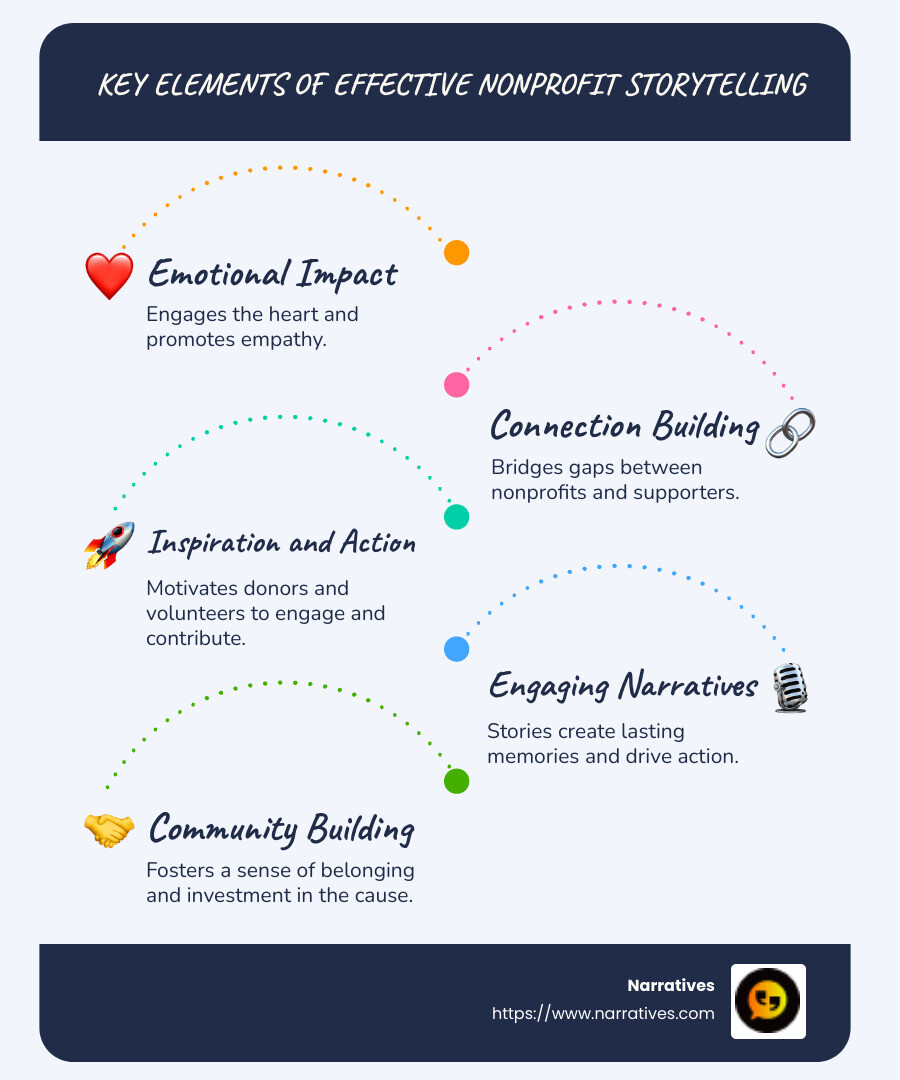
Nonprofit storytelling effectiveness is a powerful tool that can transform how organizations connect with their audiences. It essentially boils down to these key elements:
- Emotional Impact: Engages the heart and promotes empathy.
- Connection Building: Bridges gaps between nonprofits and supporters.
- Inspiration and Action: Motivates donors and volunteers to engage and contribute.
Storytelling can often be the magic ingredient that turns passive readers into passionate supporters. When thoughtfully crafted, stories do more than just inform; they evoke emotions, create lasting memories, and drive action.
Consider this: A well-told story, much like the experiences shared by The Salvation Army in Central Indiana, doesn't just narrate events. It draws listeners in, makes them feel part of the journey, and ultimately inspires them to take action. When non-profits leverage the art of storytelling effectively, they're not just sharing their mission—they're building a community that feels invested in the cause.
The Importance of Nonprofit Storytelling Effectiveness
Nonprofit storytelling effectiveness is about more than just telling a tale; it's about creating a profound connection with the audience. Let's explore why this is so crucial:
Humanizes Work
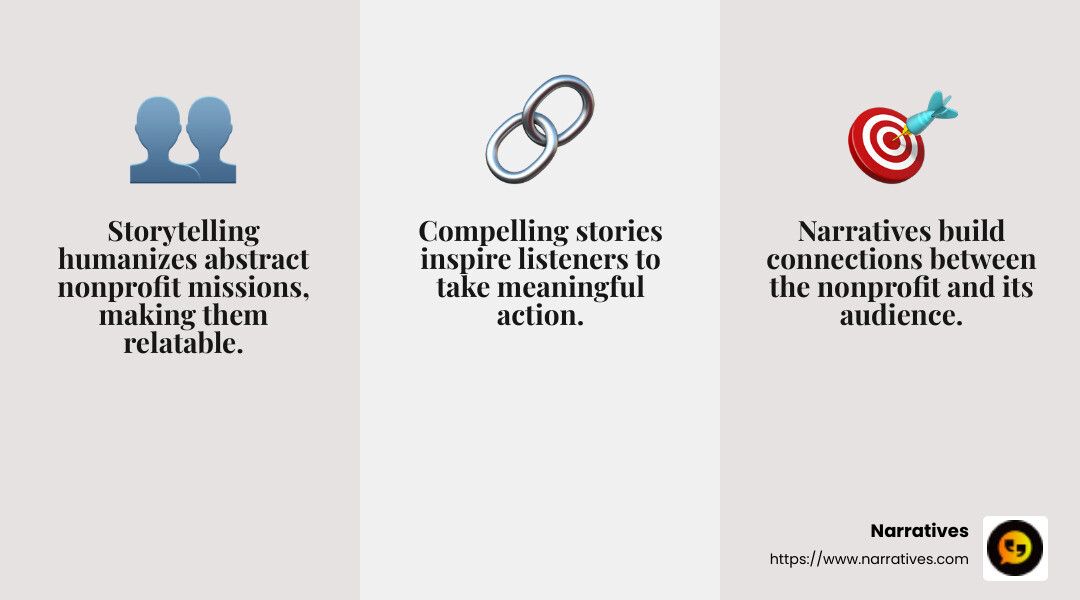
Stories bring a human face to the often abstract mission of a nonprofit. They transform statistics and objectives into real-life experiences that people can relate to. For instance, the Angel Tree Toy Shop Program by The Salvation Army shared stories of families working multiple jobs yet struggling to provide Christmas gifts. These narratives make the challenges vivid and personal, allowing supporters to see the impact of their contributions.
Builds Connections
Storytelling creates a bridge between the nonprofit and its audience. It fosters a sense of community and shared purpose. When donors and volunteers hear about the real people behind the cause, they form emotional bonds. This is crucial for building trust and loyalty. A single story can unite diverse groups around a common goal, making them feel part of something bigger.
Inspires Action
A compelling story doesn’t just evoke emotion; it prompts action. The emotional resonance of a story can motivate people to donate, volunteer, or advocate for the cause. Research shows that when people hear a story, their brains release chemicals that promote empathy and connection. This emotional engagement is what drives them to act, changing passive listeners into active participants.
In summary, effective storytelling in nonprofits is about more than just sharing experiences. It's about humanizing the mission, building connections, and inspiring meaningful action. By leveraging the power of stories, nonprofits can create a lasting impact on their communities and beyond.
Next, we'll explore the key elements that make nonprofit storytelling truly effective.
Key Elements of Effective Nonprofit Storytelling
Now that we understand the importance of nonprofit storytelling effectiveness, let's look at the elements that make these stories truly impactful. Effective storytelling hinges on three main components: emotional resonance, visual content, and real people.
Emotional Resonance
Emotion is the heartbeat of any great story. When a narrative resonates emotionally, it can create a powerful connection between the audience and the cause. Consider the example of charity: water, which tells stories of individuals in developing countries who lack access to clean water. By highlighting personal struggles and triumphs, these stories evoke empathy and compassion, driving people to support the mission.
To achieve emotional resonance, focus on specific, relatable experiences rather than abstract concepts. Use vivid language and personal anecdotes to make the story come alive. The goal is to make the audience feel, not just understand.
Visual Content
In today's digital world, visuals are essential. Photos and videos can convey messages that words alone might struggle to express. They add depth and authenticity to the story, making it more memorable.
For instance, Sprout Social found that 62% of users become more interested in a brand after seeing it in a short-form video. Videos and photos can help illustrate the impact of a nonprofit's work, showing rather than just telling. Imagine a story about a community garden. A photo of children planting seeds or a video of the garden in full bloom can be far more impactful than text alone.
Real People
Stories about real people create authenticity and trust. They humanize the nonprofit's mission by putting faces and names to the cause. Sharing the personal journeys of those affected by the nonprofit's work can engage the audience on a deeper level.
For example, the story of Harrison from charity: water, who openly shared his journey of redemption and hope, captivated audiences worldwide. His personal connection to the cause made the narrative genuine and relatable. When people see real lives changed, they understand the tangible impact of their support.
Incorporating these elements—emotional resonance, visual content, and real people—can transform a simple story into a compelling narrative that moves people to action. Next, we'll explore strategies for enhancing nonprofit storytelling to maximize its impact.
Strategies for Enhancing Nonprofit Storytelling
To amplify the impact of your nonprofit's stories, consider these strategies: video storytelling, transparency, and community engagement.
Video Storytelling
Video storytelling is a game-changer. According to Forbes, viewers retain 95% of a message when they watch it in video form, compared to just 10% when reading text. This makes video an incredibly effective medium for nonprofits.
Engaging Content: Use videos to tell powerful stories that captivate and inspire. Short-form videos are especially effective, as they keep viewers engaged and interested. Sprout Social reports that 62% of users become more interested in a brand after watching a short video.
Real-Life Impact: Show real people and real stories. For example, a video of a community receiving clean water for the first time can vividly illustrate your nonprofit's impact.
Transparency
Transparency builds trust. When donors and supporters understand how their contributions are used, they are more likely to continue their support.
Clear Communication: Share detailed stories about where donations go and the impact they create. This openness can foster a stronger connection with your audience.
Authentic Stories: Use direct quotes and testimonials from those you help. This adds authenticity and preserves the integrity of the story. It's important to tell the story as it was told to you, not as you see it.
Community Engagement
Engaging your community is crucial for spreading your message and rallying support.
Interactive Stories: Encourage your audience to participate in storytelling. Invite them to share their experiences and connect with others who support the cause.
Social Media Engagement: Leverage platforms where your audience spends time. According to Classy’s “Engaging Gen Z” Guide, 79% of Gen Z donors find new causes through social media.
By incorporating these strategies—video storytelling, transparency, and community engagement—nonprofits can improve the effectiveness of their storytelling, creating narratives that not only inform but also inspire action. Up next, we'll discuss how to measure the success of these storytelling efforts.
Measuring Nonprofit Storytelling Effectiveness
To truly understand how well your storytelling efforts are working, it's crucial to measure their effectiveness. Here are some key areas to focus on:
Impact Metrics
Impact metrics provide a tangible way to assess how your stories resonate with your audience. These metrics can include:
Engagement Rates: Track likes, shares, and comments on your stories. High engagement indicates that your message is hitting the mark.
Reach and Impressions: Measure how many people have seen your stories. A broader reach can lead to greater awareness and support for your cause.
Story Completion Rates: For video storytelling, see how many viewers watch until the end. This can indicate the strength of your narrative.
Donor Retention
Storytelling can be a powerful tool for keeping donors engaged and committed over the long term. Consider these points:
Repeat Donations: Monitor how often donors give again after hearing a story. A compelling narrative can encourage continued support.
Donor Feedback: Gather feedback from donors about what stories resonated with them. This can provide insights for future storytelling efforts.
Personalized Follow-Ups: Use storytelling in personalized follow-ups to thank donors and show the impact of their contributions. This personal touch can strengthen relationships.
Fundraising Success
The goal of nonprofit storytelling is to drive fundraising success. Here’s how to measure it:
Donation Increases: Compare donation amounts before and after sharing a story. A successful story should lead to an uptick in contributions.
New Donor Acquisition: Track the number of new donors who give after engaging with a story. Stories that connect emotionally can attract new supporters.
Campaign Goals: Assess whether storytelling campaigns meet their fundraising goals. This can be a clear indicator of storytelling effectiveness.
By focusing on these metrics—impact metrics, donor retention, and fundraising success—you can gauge how well your storytelling is working and make data-driven decisions to improve future efforts. Next, we'll tackle some common questions about nonprofit storytelling effectiveness.
Frequently Asked Questions about Nonprofit Storytelling Effectiveness
How does storytelling benefit nonprofits?
Storytelling is a powerful tool for nonprofits because it fosters engagement, builds trust, and creates differentiation.
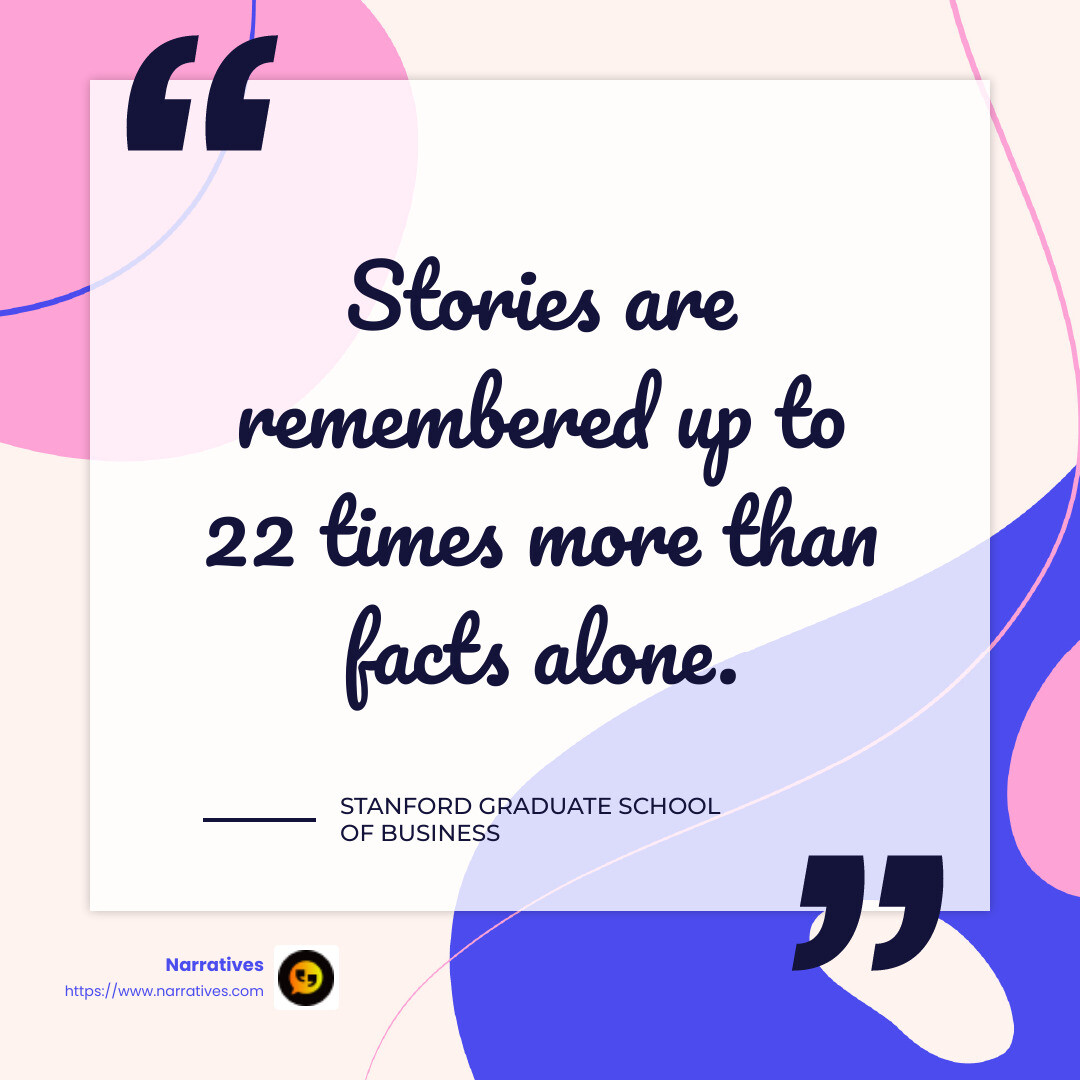
Engagement: Stories captivate audiences. According to the Stanford Graduate School of Business, stories are remembered up to 22 times more than facts alone. This means people are more likely to engage with and remember your cause when it's presented as a story.
Trust: Sharing real stories about real people humanizes your work. Hootsuite found that 62% of consumers are less likely to trust content created by AI. This highlights the importance of genuine, human-driven narratives.
Differentiation: In a crowded nonprofit landscape, a compelling story sets you apart. It highlights your unique mission and impact, making it easier for supporters to choose your organization over others.
What role do visuals play in storytelling?
Visuals like photos and videos are crucial in storytelling because they create an emotional connection.
Photos: A single image can convey emotions and experiences that words alone cannot. Visual storytelling with photos helps audiences relate to your cause on a personal level.
Videos: Videos are especially effective. Viewers retain 95% of a message when they watch it in video form, compared to just 10% when reading it in text. This makes video storytelling a powerful way to engage and inform your audience.
How can nonprofits measure storytelling success?
Measuring storytelling success involves tracking metrics, donor retention, and fundraising outcomes.
Metrics: Use engagement rates, reach, and story completion rates to gauge how well your stories are resonating. High numbers in these areas indicate effective storytelling.
Donor Retention: Stories can keep donors coming back. Monitor repeat donations and gather donor feedback to understand which stories inspire ongoing support.
Fundraising: Successful storytelling should lead to an increase in donations. Track donation amounts, new donor acquisition, and campaign goals to assess the impact of your storytelling efforts.
By understanding these aspects, nonprofits can harness the full power of storytelling to drive engagement, build trust, and achieve their fundraising goals.
Conclusion
Storytelling is more than just a tool—it's a necessity for nonprofits aiming to make a real impact. At Narratives, we specialize in digital storytelling that is both powerful and community-driven. Our goal is to lift underrepresented voices and bring nonprofit missions to life through emotionally resonant content.
Community-driven storytelling is at the heart of everything we do. We believe that by sharing authentic stories from the communities you serve, you can build stronger connections and inspire meaningful action. These stories not only highlight your organization's impact but also empower your audience to become active participants in your mission.
By partnering with us, nonprofits can harness the full potential of storytelling to increase visibility, build trust, and drive engagement. Whether through high-quality videos, compelling photos, or heartfelt narratives, we help you tell stories that resonate and inspire.
In a world filled with noise, let your nonprofit's story be the one that stands out. Together, we can create a better future, one story at a time.

.avif)