How to Develop Effective Philanthropic Content Strategies

Philanthropic content strategies are crucial for organizations aiming to amplify their impact and mission through storytelling. Whether you're a non-profit, a social impact organization, or a story-driven brand, successfully sharing your narrative can transform lives and bolster community support.
Here are some key goals of effective philanthropic content strategies:
Amplify Your Mission: Leverage storytelling to convey the core purpose and values of your organization.
Engage Your Audience: Create content that resonates emotionally, sparking interest and action.
Drive Measurable Results: Focus on outcomes, including increased donations, awareness, and community growth.
Importance: Without engaging narratives that highlight your mission's importance, your efforts might go unnoticed. Using well-crafted content strategies ensures your organization doesn't just inform, but inspires.
Our subsequent sections will guide you through developing these strategies, turning complex philanthropic intentions into clear, impactful stories.
Understanding Philanthropic Content Strategies
Philanthropic content strategies are plans that organizations use to share their mission and impact through engaging stories. These strategies are about more than just sharing information; they're about creating content that connects with people on a personal level.
Definition
At its core, a philanthropic content strategy involves creating and sharing content that highlights an organization's mission, values, and impact. This content can include stories, videos, images, and other media that communicate the organization's goals and achievements in a way that resonates with its audience.
Purpose
The main purpose of philanthropic content strategies is to build a strong connection between the organization and its audience. By sharing compelling stories and impactful content, organizations can:
Raise Awareness: Make more people aware of the issues they are addressing and the solutions they offer.
Drive Engagement: Encourage people to take action, whether it's donating, volunteering, or spreading the word.
Build Trust: Establish credibility and trust with their audience through transparency and authenticity.
Benefits
There are several benefits to implementing effective philanthropic content strategies:
Increased Visibility: By leveraging storytelling and multimedia, organizations can reach a wider audience and gain more exposure for their cause.
Improved Community Support: Engaging content can inspire people to become more involved, whether by donating, volunteering, or advocating for the cause.
Positive Brand Association: Aligning with charitable activities can build goodwill and positive associations for an organization's brand.
Content for Various Channels: Philanthropic content provides fresh material for newsletters, social media, and press releases, keeping audiences informed and engaged.
By understanding and implementing these strategies, organizations can effectively share their mission, inspire action, and create lasting impact.
The next section will explore the key elements that make these strategies effective, including storytelling, audience engagement, and emotional resonance.
Key Elements of Effective Philanthropic Content Strategies
To create effective philanthropic content strategies, focus on three key elements: storytelling, audience engagement, and emotional resonance. These components help organizations connect with their audience, inspire action, and build lasting relationships.
Storytelling
Storytelling is at the heart of any successful philanthropic content strategy. It transforms facts and figures into relatable narratives that capture the audience's attention. By telling stories about real people and real impacts, organizations can make their mission more tangible and relatable.
Use Personal Stories: Highlight individual stories of those benefiting from your organization's work. This approach makes the impact more personal and relatable.
Create a Narrative Arc: Develop a clear beginning, middle, and end to your stories. This structure helps maintain interest and guides the audience through the journey.
Incorporate Visuals: Use images and videos to improve your storytelling. Visuals can convey emotions and details that words alone may not capture.
Audience Engagement
Engaging your audience is crucial for building a community around your cause. It's about creating a two-way conversation rather than just broadcasting information.
Interactive Content: Use polls, quizzes, and Q&A sessions to involve your audience actively.
Social Media Interaction: Respond to comments and messages promptly. Show appreciation for support and encourage further interaction.
Call to Action (CTA): Include clear CTAs in your content, guiding your audience on how they can contribute, whether it's through donations, volunteering, or sharing content.
Emotional Resonance
Emotional resonance is about making your audience feel something. When people are emotionally moved, they're more likely to take action and become advocates for your cause.
Highlight Impact: Share stories and data that showcase the real-world impact of your organization's work. This can evoke feelings of hope and empowerment.
Use Empathy: Craft messages that connect with your audience's values and experiences. Show that you understand their concerns and aspirations.
Inspire Action: Use emotional appeals to motivate your audience to act. Whether it's a touching story or a powerful image, make sure it encourages action.
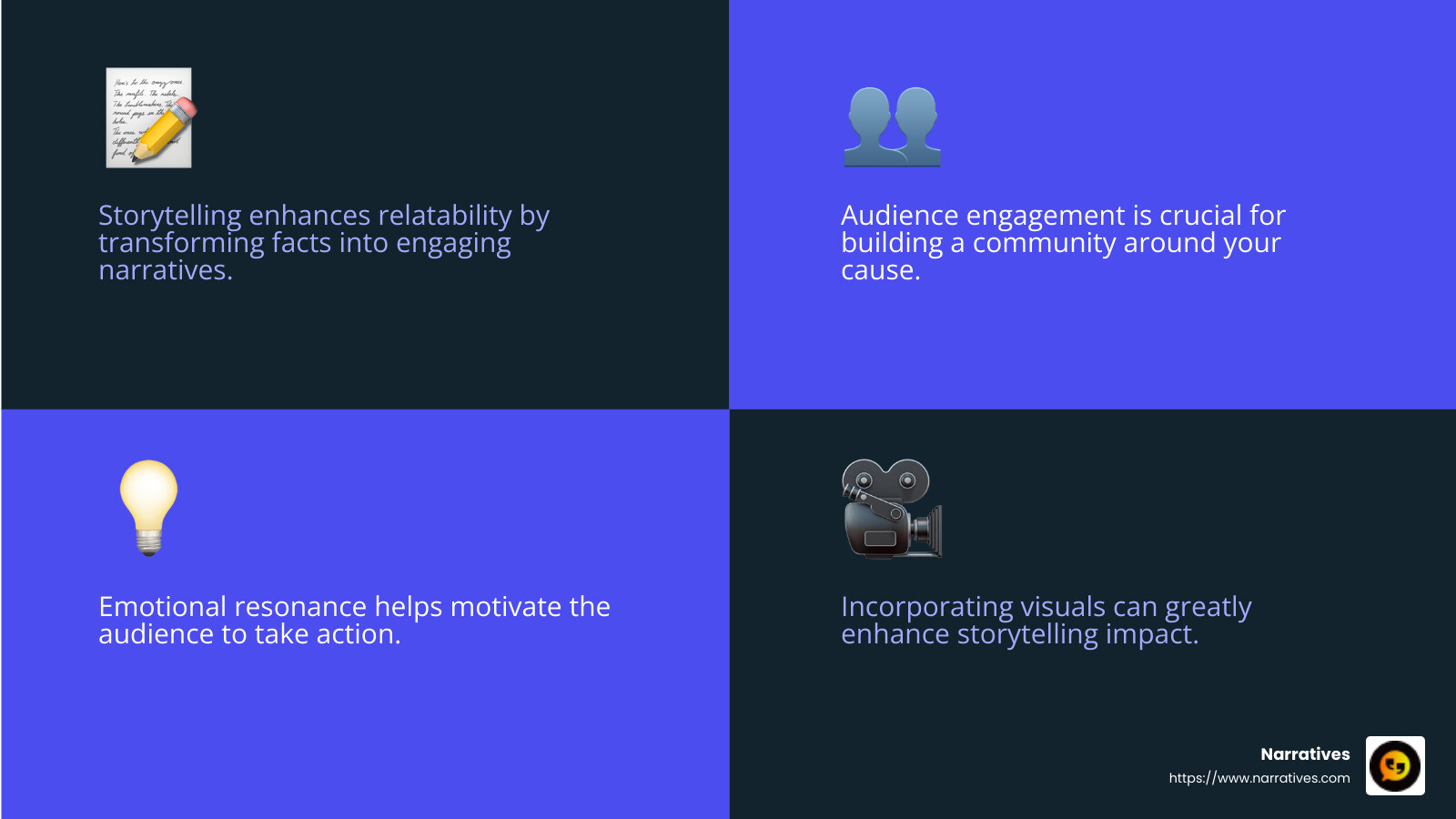
By focusing on storytelling, audience engagement, and emotional resonance, organizations can create philanthropic content that not only informs but also inspires and mobilizes their audience.
The next section will guide you through the steps to develop these strategies, including research, planning, and execution.
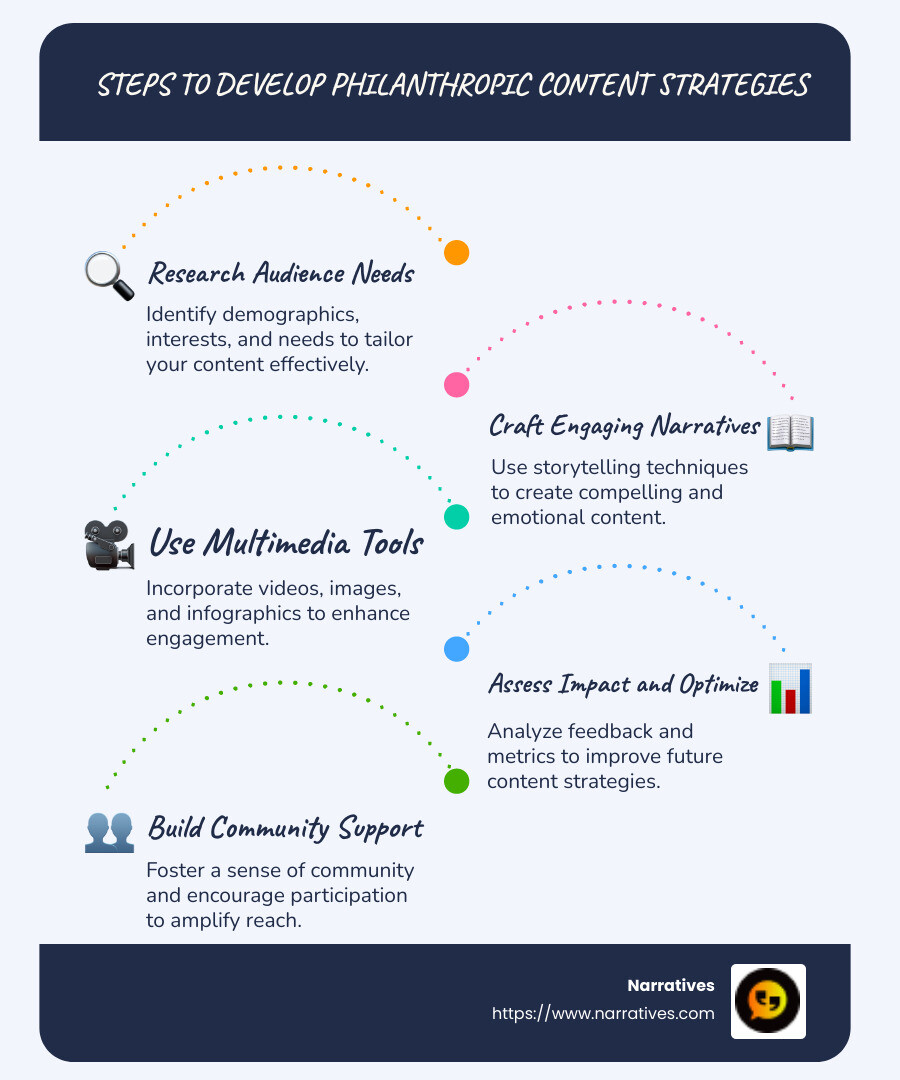
Steps to Develop Philanthropic Content Strategies
Creating effective philanthropic content strategies involves a structured approach. Here's how you can develop these strategies through research, planning, and execution.
Research and Identify Target Audience
Understanding your audience is the foundation of any successful strategy. Start by researching the demographics, interests, and needs of those you aim to reach.
Demographics: Identify the age, gender, location, and other key characteristics of your audience. This information helps tailor your content to resonate with them.
Interests and Needs: Find what matters most to your audience. Use surveys, social media insights, and community feedback to learn what they care about and need.
Segmentation: Divide your audience into segments based on their interests and demographics. This allows for more personalized and effective communication.
Craft Compelling Stories
Once you know your audience, it's time to craft stories that connect with them emotionally.
Narrative Techniques: Use storytelling techniques like a clear narrative arc and character development to make your stories engaging.
Emotional Appeal: Tap into emotions by sharing stories that highlight personal experiences and challenges faced by those you help.
Authenticity: Ensure your stories are genuine and reflect the true impact of your work. Authenticity builds trust and credibility.
Leverage Multimedia Content
Improve your stories with multimedia elements to make them more engaging and shareable.
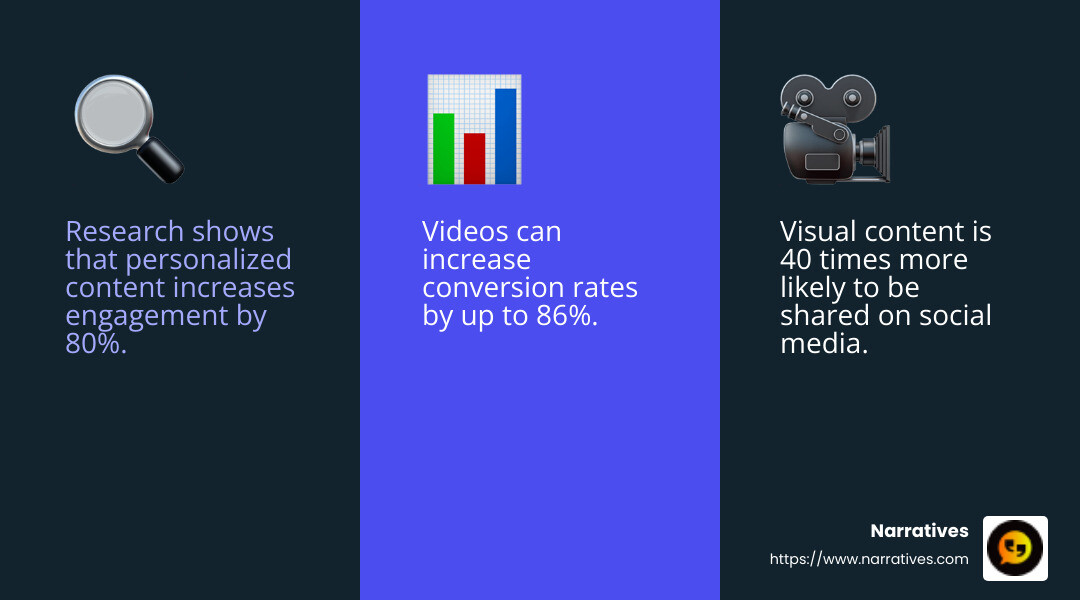
Video: Create short, impactful videos that tell stories visually. Videos can capture attention quickly and convey emotions effectively.
Images: Use high-quality images to complement your narratives. A picture can evoke emotions and highlight key moments in your stories.
Infographics: Simplify complex information with infographics. They are great for presenting data in a visually appealing and easy-to-understand format.
Measure and Optimize
Finally, measure the effectiveness of your content and make improvements based on data.
Analytics: Use tools like Google Analytics to track engagement metrics such as views, shares, and time spent on content.
Feedback: Gather feedback from your audience through surveys and comments. Understand what resonates with them and what doesn't.
Continuous Improvement: Regularly review your content strategy and make adjustments based on analytics and feedback. This ensures your strategies remain effective and relevant.
By following these steps, you can develop philanthropic content strategies that not only inform but also engage and inspire your audience to take action.
Next, we'll explore best practices for ensuring your content remains authentic, transparent, and collaborative.
Best Practices for Philanthropic Content
To ensure your philanthropic content strategies resonate deeply with your audience, focus on authenticity, transparency, and collaboration. These elements build trust and foster meaningful connections.
Authenticity
Authenticity is the cornerstone of effective content. When your audience feels your content is genuine, they are more likely to engage and support your cause.
Share Real Stories: Highlight real-life examples and testimonies from those who benefit from your initiatives. This approach humanizes your efforts and demonstrates tangible impact.
Stay True to Your Mission: Align your content with your organization's core values and mission. Consistency in message and action reinforces authenticity.
Use a Genuine Voice: Communicate in a natural and sincere tone. Avoid overly polished or scripted language that might come off as insincere.
Transparency
Transparency builds trust and credibility. By being open about your processes and outcomes, you invite your audience to be part of your journey.
Open Communication: Regularly update your audience on your progress and challenges. Use newsletters, blog posts, and social media to share updates.
Financial Clarity: Provide clear information about how donations are used. Detailed reports and infographics can effectively communicate your financial stewardship.
Acknowledge Mistakes: If things don't go as planned, be honest about it. Explain what went wrong and how you plan to address it. This honesty can strengthen trust.
Collaboration
Working with others can improve your content's reach and effectiveness. Collaboration brings diverse perspectives and resources to your efforts.
Partner with Other Organizations: Collaborate with nonprofits and community groups that share your goals. Joint initiatives can amplify your message and impact.
Engage with Your Audience: Encourage your audience to participate in your content creation. Solicit stories, feedback, and ideas to make your content more inclusive and engaging.
Leverage Influencers: Partner with influencers who align with your mission. Their endorsement can expand your reach and introduce your cause to new audiences.
By incorporating these best practices, your philanthropic content strategies will not only inform but also inspire trust and action.
Next, we'll address some frequently asked questions about philanthropic content strategies.
Frequently Asked Questions about Philanthropic Content Strategies
What are philanthropic content strategies?
Philanthropic content strategies are plans that guide how organizations create and share content to promote their charitable efforts. These strategies aim to communicate a mission, engage audiences, and drive support for causes. By leveraging storytelling, multimedia, and transparency, organizations can effectively convey their impact and inspire action.
How can storytelling improve philanthropic content?
Storytelling is a powerful tool in philanthropic content strategies. It improves content by:
Creating Emotional Connections: Stories resonate on a personal level, making audiences more likely to support your cause. For example, Defy Ventures shares stories of changing inmates into entrepreneurs, which deeply engages their audience.
Highlighting Impact: Through stories, you can vividly illustrate the changes your organization brings about. Sharing real-life examples adds authenticity and helps potential supporters visualize the results of their contributions.
Simplifying Complex Issues: Narratives can break down complicated topics into relatable and understandable messages, making it easier for audiences to grasp the importance of your work.
Why is audience engagement crucial in philanthropic content?
Audience engagement is vital because it:
Builds Community: Engaged audiences are more likely to become advocates and spread your message. They feel part of a community working towards a shared goal.
Generates Feedback: Interaction with your audience provides valuable insights into their needs and perceptions. This feedback can help refine and improve your strategies.
Increases Visibility: Active engagement, especially on social media, can boost your content's reach. When audiences share and discuss your content, it gains more exposure.
By focusing on these aspects, your philanthropic content strategies can effectively engage and mobilize your audience.
Now, let's explore how to conclude our discussion on philanthropic content strategies.
Conclusion
In conclusion, crafting effective philanthropic content strategies is all about creating narratives that inspire and connect. At Narratives, we understand that storytelling is not just a tool but a bridge that links your mission to the hearts of your audience. By focusing on authentic and emotionally resonant stories, we can help lift the voices of underrepresented communities and highlight the profound impact of your work.
The importance of impact cannot be overstated. When your audience sees the tangible changes brought about by your efforts, they are more likely to support and advocate for your cause. Sharing stories like those from PARS Equality Center, which empowers Persian-speaking immigrants, demonstrates the transformative power of your initiatives. These narratives not only showcase success but also build trust and credibility.
Visibility is key to amplifying your message. By leveraging multimedia content and engaging with your audience, your philanthropic efforts can reach a wider audience. This increased visibility attracts new supporters and strengthens the community around your cause. Our approach at Narratives prioritizes search engine optimization to ensure your stories are seen by those who are most likely to be moved to action.
In summary, by focusing on narratives, impact, and visibility, your philanthropic content can make a lasting difference. At Narratives, we are committed to helping purpose-driven organizations share their stories in a way that not only informs but also inspires. Together, we can create content that not only lifts your mission but also drives meaningful change.


.avif)