Strategic Planning: Sample Social Media Plans for Nonprofits

Sample social media plan for nonprofits is essential for organizations aiming to improve their digital footprint and engage their audience effectively. Here's a quick snapshot of what such a plan might include:
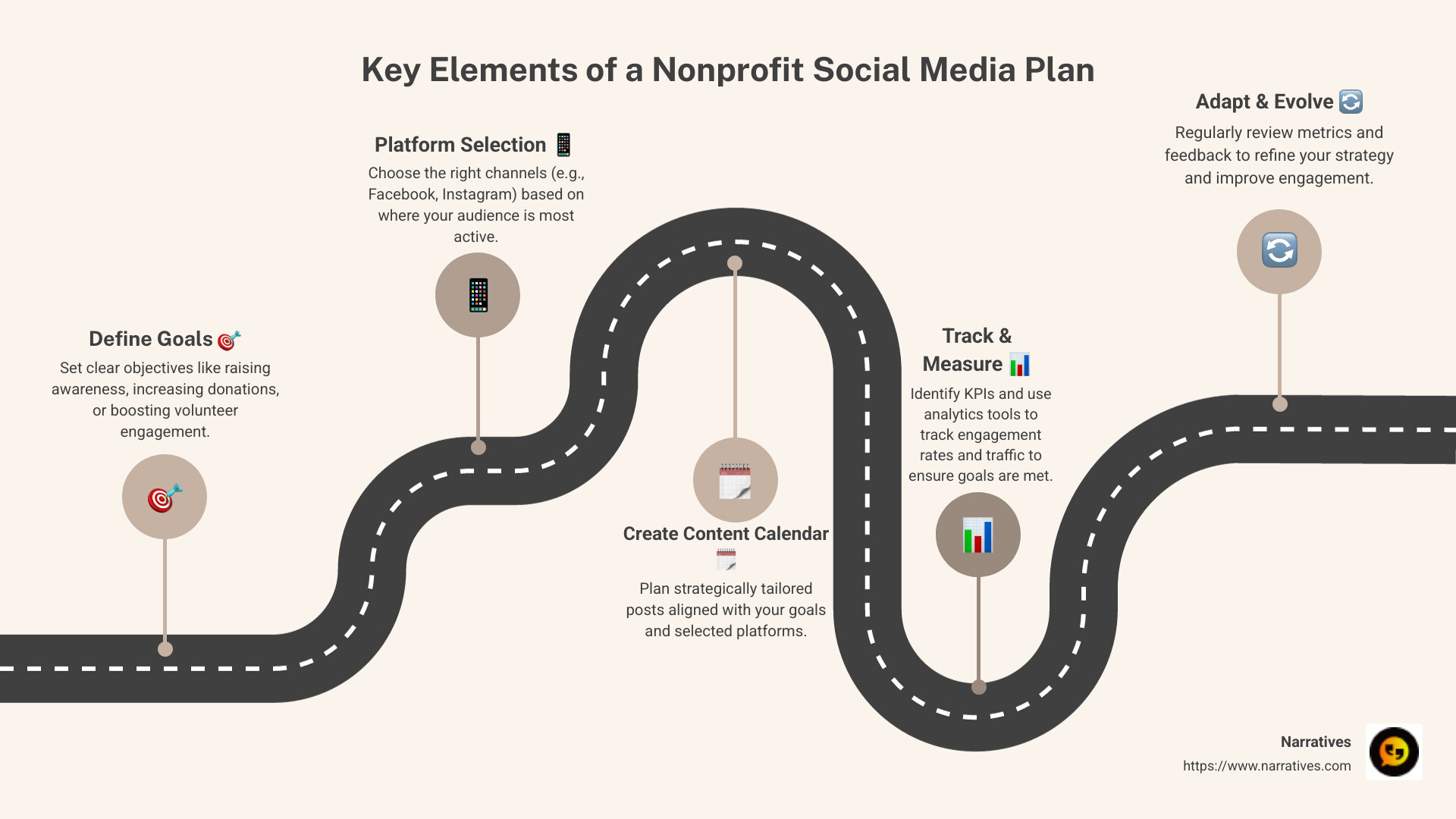
- Goals: Clear objectives like raising awareness, increasing donations, or boosting volunteer engagement.
- Platform Selection: Choosing the right channels (e.g., Facebook, Instagram) that align with your audience.
- Content Calendar: Strategically planned posts custom to your goals and platforms.
- Metrics for Success: Specific KPIs to track, such as engagement rates or website traffic.
Nonprofit marketing relies heavily on a well-defined social media strategy. Why? Because leveraging these platforms effectively allows nonprofits to reach supporters, tell their stories, and drive meaningful change without needing vast resources. Social media is no longer a luxury but a necessity that fuels nonprofit missions.
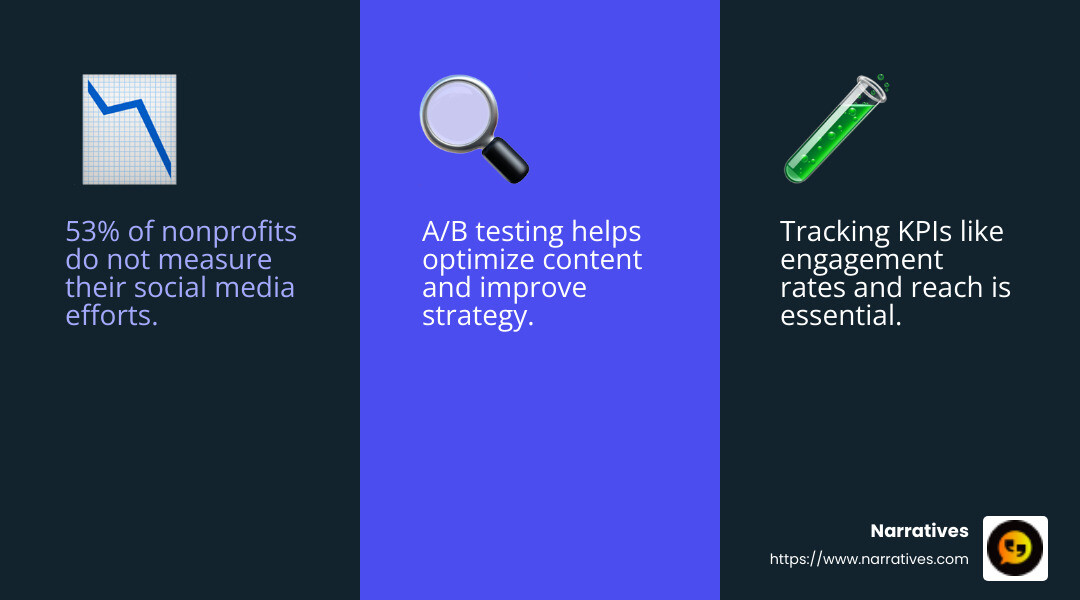
According to recent research, many nonprofits aren't fully utilizing social media's potential—53% don't track social media efforts, and 67% lack a documented strategy. This indicates a significant opportunity for growth. By adopting a strategic approach, these organizations can build strong online communities, foster engagement, and amplify their impact.
With the right plan, nonprofits can transform social media from a daunting task into a dynamic tool that connects them with their audience in powerful ways.
Importance of a Social Media Plan for Nonprofits
Brand Awareness
Social media is a powerful tool for nonprofits to increase brand awareness. With platforms like Facebook and Instagram, nonprofits can reach a wide audience at little to no cost. By consistently sharing stories, updates, and achievements, they can build a recognizable and trusted brand.
Think of social media as your nonprofit's voice. It's where you share your mission, values, and successes. A well-crafted social media plan ensures that every post aligns with your brand, making it easier for supporters to connect with your cause.
Volunteer Recruitment
Finding dedicated volunteers is crucial for any nonprofit. Social media platforms offer a unique opportunity to reach potential volunteers who are passionate about your cause.
Platforms like LinkedIn can be particularly effective for this purpose. By sharing volunteer opportunities and success stories, nonprofits can attract individuals looking to make a difference. Engaging content that highlights the impact of volunteer work can inspire others to join.
Fundraising
In the nonprofit world, fundraising is a top priority. Social media can significantly boost fundraising efforts by reaching a broader audience and making it easy for supporters to donate.
For example, Facebook's fundraising tools allow nonprofits to set up donation pages and events seamlessly. TikTok's "Donation Stickers" enable younger audiences to contribute directly within the app. These tools make it simple for people to support causes they care about.
By integrating social media into their fundraising strategies, nonprofits can tap into new donor bases and create engaging campaigns that inspire generosity.
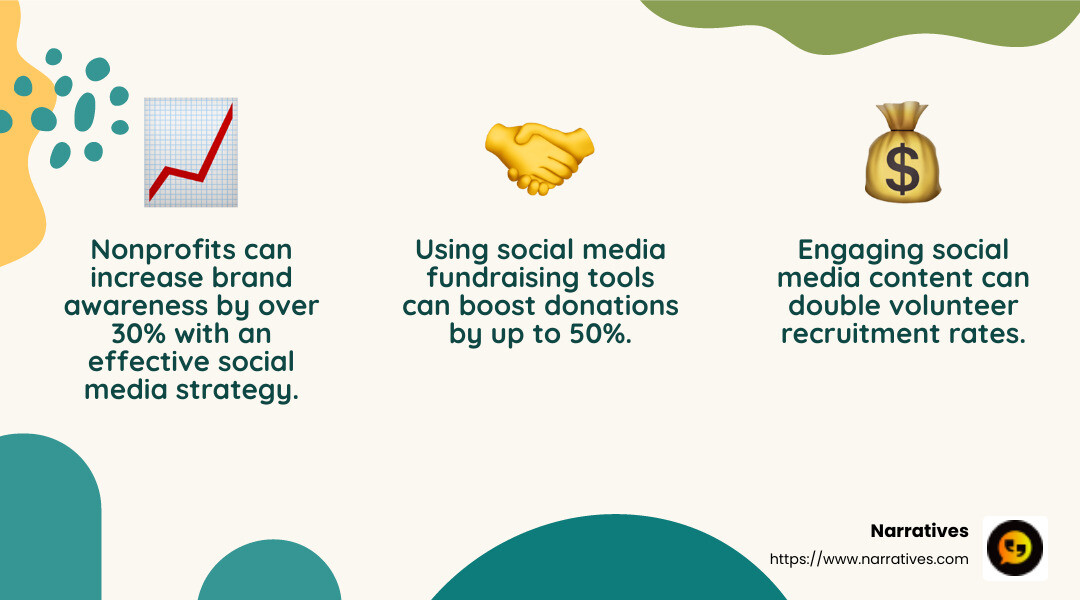
A sample social media plan for nonprofits includes clear goals, platform selection, a content calendar, and metrics for success. With a strategic plan in place, nonprofits can improve their digital presence and engage supporters effectively.
In summary, a well-executed social media plan is essential for brand awareness, volunteer recruitment, and fundraising. It transforms social media from a daunting task into a dynamic tool that connects nonprofits with their audience in meaningful ways.
Next, we'll explore how to create a strategic content calendar, ensuring your nonprofit's social media efforts are organized and impactful.
Sample Social Media Plan for Nonprofits
Creating a Strategic Content Calendar
A strategic content calendar is the backbone of any effective social media plan. It helps nonprofits organize their content, ensuring that every post is timely and relevant. Here's how to create one:
1. Content Formulation
Start by identifying the types of content that resonate with your audience. This might include success stories, volunteer spotlights, event announcements, or fundraising campaigns. Use a mix of photos, videos, and text to keep your content engaging.
2. Posting Schedule
Determine how often you will post on each platform. For instance, you might post daily on Instagram and Facebook but only twice a week on LinkedIn. Consistency is key. Use a simple table to outline your schedule:
| Platform | Frequency | Content Type |
|---|---|---|
| Daily | Stories, Fundraisers | |
| Daily | Photos, Reels | |
| 2x/Week | Volunteer Opportunities | |
| TikTok | 3x/Week | Short Videos |
3. Scheduling Tools
Use scheduling tools like Tailwind or CoSchedule to automate your posts. These tools help you plan ahead and maintain a consistent posting schedule, even during busy times. Plus, they offer insights into the best times to post for maximum engagement.
Defining Goals and Metrics
Setting clear goals and tracking metrics are vital components of a successful social media strategy.
1. Goal Tracking
Define specific, measurable goals for your social media efforts. This might include increasing followers by 20% in six months or raising $5,000 through a Facebook fundraiser. Use these goals to guide your content and measure success.
2. KPIs (Key Performance Indicators)
Identify KPIs to track your progress. These might include engagement rates, reach, and conversion rates. Regularly analyze these metrics to see what's working and what needs adjustment.
3. A/B Testing
Experiment with different content types or posting times using A/B testing. For example, test two versions of a post to see which one receives more engagement. This data-driven approach helps refine your strategy and optimize your content for better results.
Implementing a sample social media plan for nonprofits with a strategic content calendar and well-defined goals ensures your nonprofit remains organized and impactful. By leveraging tools and metrics, you can continually improve your social media presence and connect with your audience in meaningful ways.
Next, we'll dig into choosing the right platforms for your nonprofit, ensuring your efforts reach the right audience.
Choosing the Right Platforms for Your Nonprofit
Selecting the right social media platforms is crucial for reaching your nonprofit's target audience. Each platform offers unique features and audience demographics, so understanding these can help you make informed decisions.
Why Use Facebook?
With nearly 3 billion users, Facebook is a powerhouse for nonprofits. It’s perfect for sharing event information and creating fundraising pages. Facebook's live-streaming and story features allow you to offer a behind-the-scenes look at your organization, engaging supporters in real-time.
Audience and Content
Facebook's diverse user base makes it ideal for reaching a wide range of age groups. Share stories, fundraisers, and events to engage this broad audience.
Why Use Instagram?
Instagram excels with visual content. Nonprofits can showcase their impact through photos, videos, reels, and stories. It’s a great platform for advocacy and storytelling.
Audience and Content
Instagram is popular with younger audiences. Use it to post visually appealing content that highlights your mission and achievements. Regularly update your feed with engaging visuals to keep your followers interested.
TikTok
Why Use TikTok?
If you aim to connect with younger generations, TikTok is the place to be. It’s known for its short, engaging videos and creative content.
Audience and Content
TikTok is most popular among Gen Z. Use it for fun, creative videos that promote your cause. Features like “Donation Stickers” allow users to donate directly through the app, making fundraising easy and interactive.
X (formerly Twitter)
Why Use X?
X is ideal for quick updates and engaging in conversations with supporters and the media. Its hashtag feature is excellent for running campaigns and joining trending discussions.
Audience and Content
X is effective for reaching an audience interested in news and real-time updates. Use it to share brief updates, engage in discussions, and promote your hashtag campaigns.
Why Use LinkedIn?
LinkedIn is perfect for professional networking. Nonprofits can share educational content and position themselves as thought leaders in their field.
Audience and Content
LinkedIn's audience is primarily professionals. Share volunteer opportunities, industry insights, and success stories to improve your nonprofit's credibility and reach potential supporters or partners.
Choosing the right platforms allows your nonprofit to engage effectively with its audience. Next, we’ll explore how to develop a social media policy to ensure consistency and security in your online interactions.
Developing a Nonprofit Social Media Policy
Creating a social media policy is crucial for ensuring your nonprofit's online presence is consistent, secure, and effective. This policy acts as a guide for how your organization and its members should behave on social media platforms. Let's explore the key components.
Security Protocols
Why Security Matters
Social media security is vital. It protects your nonprofit from data breaches and unauthorized access. Imagine the chaos if someone hacked your account and posted misleading information.
Implementing Security Measures
Password Management: Use strong, unique passwords for each platform. Consider a password manager to keep track of them securely.
Two-Factor Authentication (2FA): Enable 2FA on all accounts. This adds an extra layer of security, requiring a second form of verification before logging in.
Access Control: Limit account access to a few trusted individuals. Keep a directory of who has access and update it regularly.
Crisis Communication
Preparing for the Unexpected
A crisis can occur at any time. Being unprepared can damage your nonprofit's reputation. A crisis communication plan ensures you respond swiftly and appropriately.
Steps to Create a Crisis Plan
Identify Potential Crises: Consider scenarios that could harm your organization, like a negative news article or a data breach.
Response Team: Designate a crisis management team. Ensure they know their roles and responsibilities.
Communication Guidelines: Develop a protocol for how information will be shared. Decide who will communicate with the public and how.
Monitoring Tools: Use social media monitoring tools to keep an eye on mentions and potential issues. Swift identification allows for quicker responses.
Practice Drills: Conduct regular crisis simulations to test your plan's effectiveness and make necessary adjustments.
Guidelines for Personal Accounts
It's important to guide staff and volunteers on how to discuss your organization on their personal accounts. Encourage them to be positive and respectful, and remind them that their posts can reflect on the nonprofit.
By establishing a robust social media policy, your nonprofit can maintain a positive and secure online presence. Now that you have the foundation, let's explore how to measure the success of your social media efforts.
Frequently Asked Questions about Nonprofit Social Media Strategies
How can nonprofits measure social media success?
Measuring success on social media is all about tracking the right metrics. Here are some key metrics to focus on:
Engagement: Look at likes, shares, comments, and overall interaction with your posts. High engagement means your content resonates with your audience.
Reach and Impressions: These metrics show how many people see your content. A broad reach can increase awareness of your cause.
Conversion Rate: This tells you how many people took a desired action, like signing up for a newsletter or making a donation, after interacting with your content.
Follower Growth: Keep an eye on how your follower count changes over time. While not the most important metric, it helps gauge interest in your nonprofit.
To track these metrics, use analytics tools provided by social platforms. For instance, Facebook Insights and Instagram Analytics offer detailed data on your audience and engagement patterns.
What are the best platforms for nonprofit engagement?
Choosing the right platform depends on your audience and goals. Here’s a quick breakdown of popular platforms:
Facebook: Ideal for reaching a wide age range. Great for event promotion and fundraising through features like donation buttons.
Instagram: Focuses on visual content. Perfect for storytelling through photos and videos to showcase your nonprofit’s impact.
TikTok: Targets younger audiences with short, engaging videos. Use it for creative campaigns and to leverage trends.
X (formerly Twitter): Best for quick updates and engaging in conversations. Use hashtags for campaigns and to join broader discussions.
LinkedIn: Suited for professional networking and sharing educational content. Great for finding volunteers and connecting with corporate sponsors.
Audience targeting is key. Know who your supporters are and where they spend their time online. Tailor your content to fit the platform and audience.
How can nonprofits create engaging content?
Engaging content is crucial for capturing attention and driving action. Here’s how to make your content stand out:
Storytelling: Share stories that highlight real-life impact. Use narratives that evoke emotion and connect with your audience on a personal level.
Multimedia Content: Incorporate a mix of photos, videos, and graphics. Tools like Canva and Typito can help create professional visuals and videos with ease.
Interactive Content: Encourage participation through polls, quizzes, or challenges. This not only boosts engagement but also strengthens community ties.
Authenticity: Be genuine in your messaging. Authentic content builds trust and fosters long-term relationships with your supporters.
By focusing on these areas, your nonprofit can craft a social media strategy that not only reaches but also deeply engages your audience. Now, let's move on to the conclusion of our strategic planning journey.
Conclusion
As we've explored, crafting a strategic social media plan for nonprofits is not just about posting content—it's about telling compelling stories that resonate with your audience. This is where we, at Narratives, step in. Our focus is on digital storytelling that lifts underrepresented voices and showcases the impact of your organization in a way that inspires action and builds trust.
Community-driven storytelling is at the heart of what we do. We believe that every nonprofit has a unique story to tell, one that deserves to be heard. By partnering with us, you can leverage high-quality, emotionally resonant multimedia content to highlight the communities you serve and the difference your organization is making.
Whether it's through powerful videos, engaging social media content, or interactive campaigns, our goal is to help your nonprofit increase visibility and engagement. We understand that your mission is important, and our mission is to help you share it with the world in the most impactful way possible.
Ready to transform your storytelling strategy? Learn more about how Narratives can support your nonprofit's digital storytelling journey.
Together, let's amplify your voice and create stories that not only inform but also inspire.


.avif)