Impactful Narratives: A How-To on Social Impact Content Creation

Social impact content creation is a powerful way for organizations to make a difference and connect with their audience. By crafting stories that resonate emotionally and promote purpose, non-profits, social enterprises, and advocacy groups can transform their message into movements.
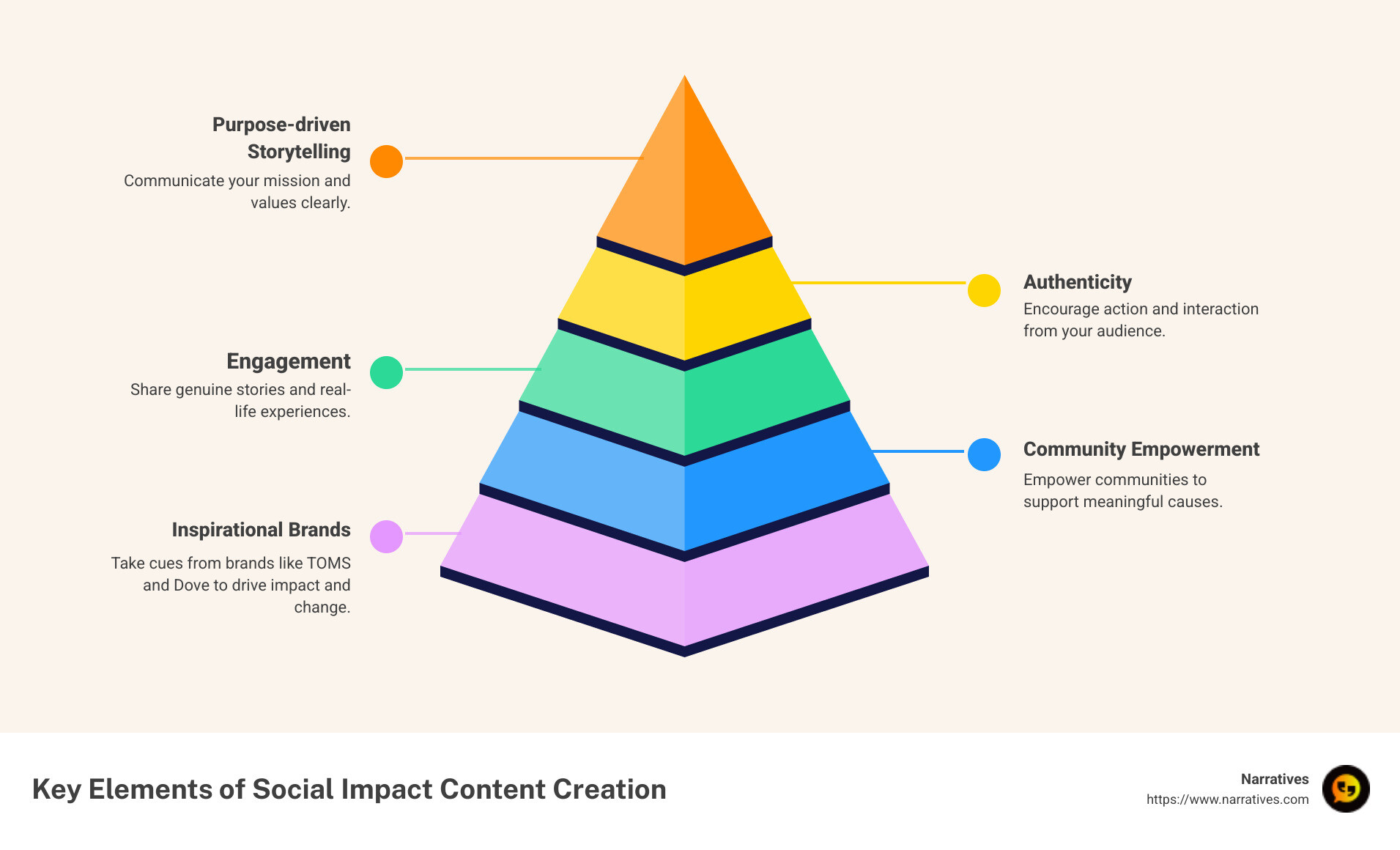
Key elements of effective social impact content creation include:
- Purpose-driven storytelling: Communicate your mission and values clearly.
- Authenticity: Share genuine stories and real-life experiences.
- Engagement: Encourage action and interaction from your audience.
Content with a social mission not only raises awareness but also empowers communities to act and support meaningful causes. Brands like TOMS and Dove have successfully used content to drive impact, inspire change, and build loyal communities.
As you start on your journey, remember: your narrative is not just a story—it's a catalyst for change.
Understanding Social Impact Content Creation
Social impact content creation is all about crafting stories that raise awareness and inspire people to take action. It's not just about sharing information; it's about making a real difference in society.
Awareness is the first step. To create impactful content, you need to highlight social issues that matter. This could be anything from environmental challenges to social justice. By bringing these topics to light, you help people understand why they are important.
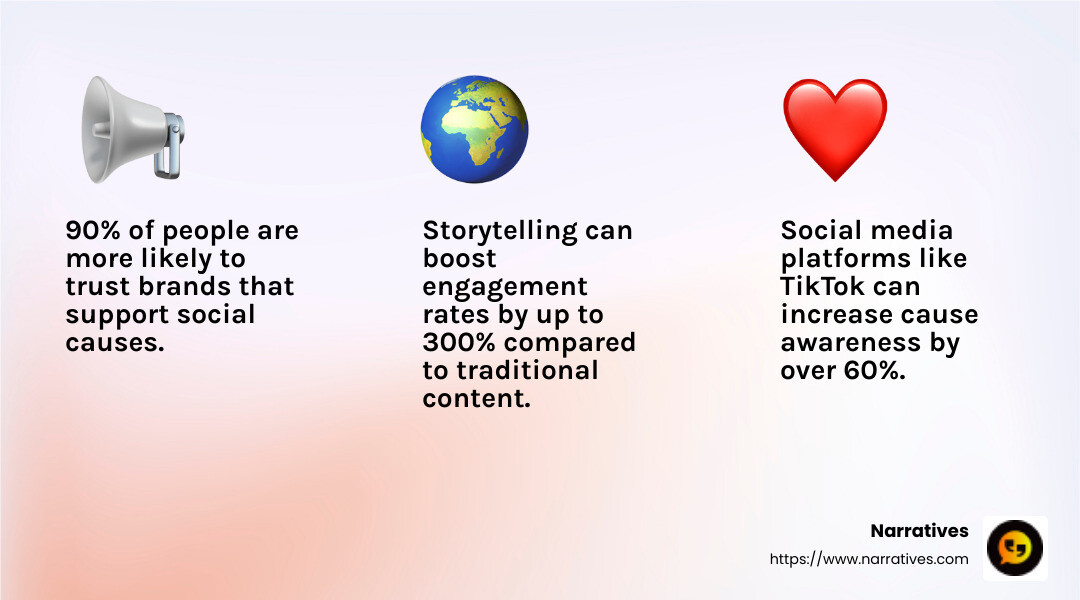
For example, on platforms like TikTok, short videos can quickly spread awareness about a cause. Creative challenges and hashtags can get people talking and participating. When users engage with your content, they're more likely to share it, amplifying the message further.
Inspiring action is the next goal. Once people know about an issue, the content should motivate them to do something about it. This could be as simple as signing a petition, donating to a cause, or even just spreading the word.
A great way to inspire action is through storytelling. Sharing real-life stories can create an emotional connection. For instance, YouTube is perfect for long-form storytelling. Documentaries or educational series can dive deep into the issues, helping viewers understand the complexities and get involved.
Consider the impact of authentic narratives. When stories are genuine, they resonate more. People are drawn to content that feels real and relatable. This authenticity builds trust and encourages people to act.
Social impact content isn't just about the stories you tell; it's about the change you can create. By focusing on awareness, inspiring action, and leveraging storytelling, your content can become a powerful tool for social good.
Key Strategies for Effective Social Impact Content
Creating impactful social content isn't just about the stories you tell; it's about how you tell them. Here are some key strategies to make your social impact content truly effective.
Know Your Target Audience
The first step in creating social impact content is understanding who you're trying to reach. Tailor your message to fit the needs and interests of your audience. For instance, if your focus is on environmental issues, your audience might include eco-conscious consumers or organizations.
To effectively engage your audience, consider their demographics, behaviors, and preferences. This ensures your content resonates and motivates them to take action.
Develop a Content Calendar
A well-planned content calendar is crucial. It helps you organize what content you will create, when you will publish it, and where it will be distributed. This keeps your efforts consistent and ensures you're regularly reaching your audience.
Having a content calendar also allows you to align content with key dates or events related to your cause. For example, if your focus is on education, you might plan content around back-to-school season or education awareness days.
Harness the Power of Storytelling
Storytelling is a powerful tool in social impact content creation. When you share stories, you create an emotional connection with your audience. This connection can inspire action and foster a sense of community.
Consider the case study of the Michigan Department of Education. By using storytelling to highlight the importance of early learning, they effectively raised awareness and inspired parents to engage in their children's development. This approach not only educated their audience but also drove long-term impact.
Authenticity is key. Genuine stories that reflect real experiences resonate more deeply and build trust. People are more likely to engage with and share content that feels authentic and relatable.

By focusing on these strategies—knowing your audience, planning your content, and using storytelling—you can create social impact content that not only raises awareness but also inspires meaningful action.
Next, we'll explore how to craft high-impact narratives that differentiate your brand and create emotional connections.
Crafting High-Impact Narratives
Creating high-impact narratives in social impact content is all about authenticity, brand differentiation, and emotional connection. Let's explore how these elements come together to make your content stand out.
Authenticity
Authenticity is the heart of effective social impact content. When your stories are genuine, they resonate more deeply with your audience. This means being transparent about your intentions and the impact of your initiatives. Avoid performative activism; instead, focus on real stories and real people.
For example, Patagonia's "Don't Buy This Jacket" campaign is a great case of authenticity. The campaign encouraged consumers to think critically about their purchasing habits, aligning perfectly with Patagonia's environmental values. This honesty not only built trust but also strengthened their brand identity.
Brand Differentiation
In a crowded market, standing out is essential. By embedding social impact into your content, you differentiate your brand from those solely focused on profit. This unique positioning can make your brand memorable.
Consider how Patagonia integrates environmental activism into their entire brand strategy. Their commitment to environmental issues is evident in everything from product design to marketing. This consistent focus not only sets them apart but also attracts eco-conscious consumers who share similar values.
Emotional Connection
Emotional connection is what turns viewers into advocates. When your content evokes feelings—whether it's hope, empathy, or inspiration—it creates a bond between your brand and your audience.
A powerful way to build this connection is through storytelling. Share narratives that highlight the challenges and triumphs of those impacted by your initiatives. Use visuals and personal anecdotes to bring these stories to life.
For instance, Narratives works with nonprofits to create content that humanizes the news and highlights community stories. This approach not only informs but also inspires action, fostering a sense of community and shared purpose.
By focusing on authenticity, clear brand differentiation, and emotional connection, your high-impact narratives will not only capture attention but also drive meaningful change.
Next, we'll explore how to leverage multimedia for social impact, enhancing engagement and reach.
Leveraging Multimedia for Social Impact
Leveraging multimedia is crucial for amplifying your social impact content. Let's explore how video content and multimedia storytelling can boost engagement and make your message more powerful.
Video Content
Video is a compelling tool for storytelling. It combines visuals, sound, and motion to create an immersive experience. This format is perfect for conveying complex social issues in an easy-to-understand way.
Consider using platforms like YouTube to share impactful documentaries or educational series. These videos can dive deep into social issues, providing viewers with a comprehensive understanding. For example, collaborating with content creators to produce documentaries can highlight the intricacies of a cause, fostering a stronger connection with your audience.
Short-form videos on platforms like TikTok can also be effective. They are great for reaching younger audiences with quick, engaging content. Use authentic storytelling to humanize your cause, and create challenges or hashtags to encourage participation and spread your message.
Multimedia Storytelling
Multimedia storytelling combines different types of content—such as text, images, video, and audio—to tell a story. This approach can make your message more engaging and accessible.
For instance, you can create an interactive web page that includes videos, infographics, and personal stories. This not only enriches the user experience but also allows people to explore the content at their own pace.
Narratives, a content agency, excels at this by working with nonprofits to create content that highlights community stories. They use multimedia to humanize news, making it more relatable and inspiring action.
Engagement
Engagement is key to successful social impact content. The more people interact with your content, the wider your message spreads.
To boost engagement, encourage viewers to share their thoughts and stories. Use live streams or Q&A sessions to interact with your audience in real time. This creates a sense of community and allows for immediate feedback and discussion.
Additionally, using SEO optimization can help your content reach a larger audience. Ensure your videos and multimedia content are easily searchable by using relevant keywords and descriptions.
By embracing video content and multimedia storytelling, you can improve your social impact efforts, creating content that not only informs but also inspires and engages your audience.
Next, we'll look at how to measure and optimize your social impact efforts to ensure you're making the most of your content strategy.
Measuring and Optimizing Your Social Impact Efforts
Once your social impact content is out in the world, it's crucial to measure its effectiveness and optimize for better results. This involves understanding SEO, tracking key metrics, and analyzing results to refine your strategy.
SEO Optimization
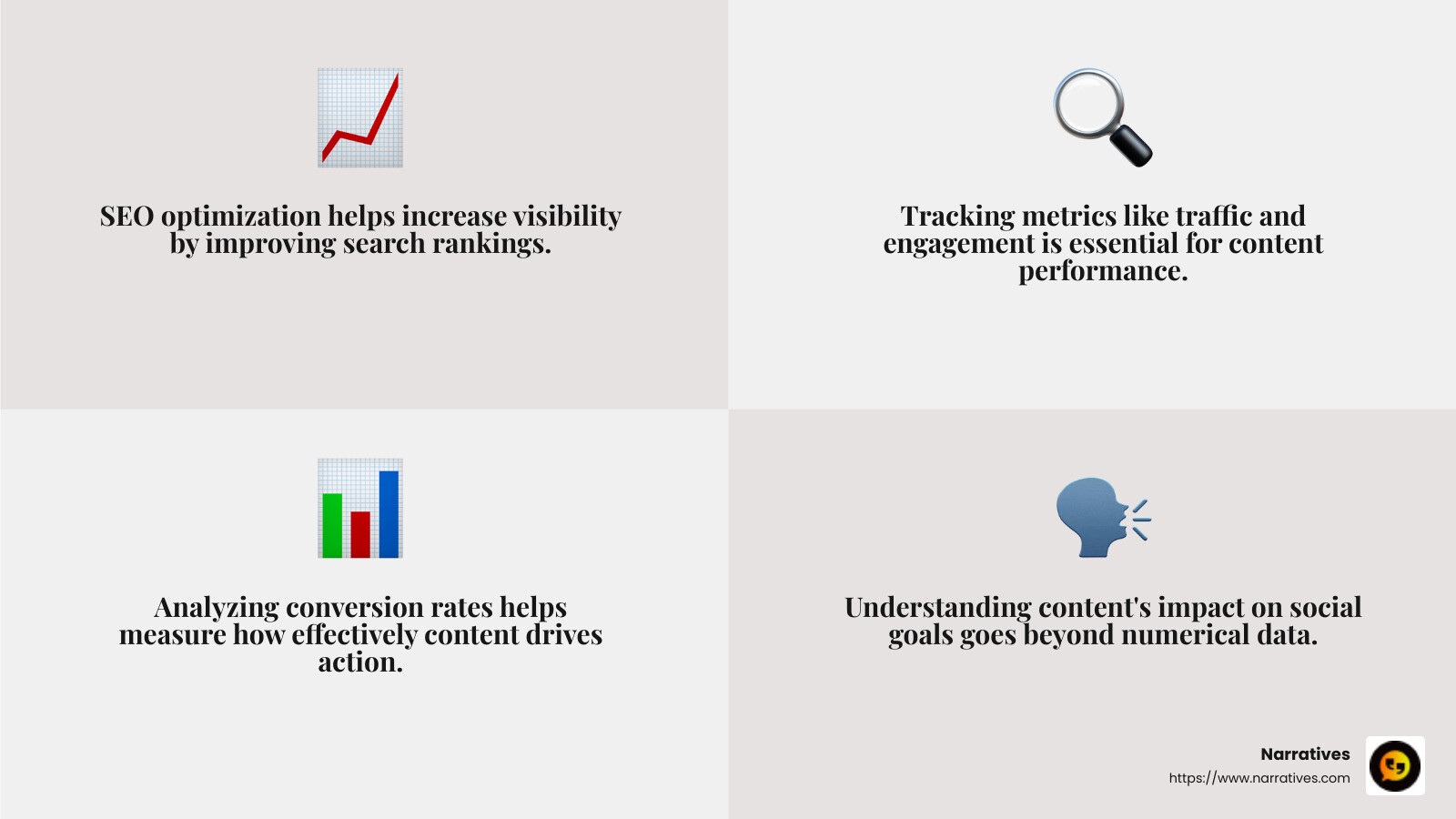
Search Engine Optimization (SEO) is a powerful tool. It helps your content appear in search results, making it easier for your target audience to find you.
To optimize for SEO, use relevant keywords throughout your content. For instance, if your focus is on environmental sustainability, ensure terms related to this topic are included in your titles, headers, and text. But remember, quality matters. Google favors content that is valuable and engaging, so avoid keyword stuffing.
Consider optimizing your multimedia content too. Use descriptive filenames for images and videos, and add alt text to improve accessibility and searchability. This simple step can significantly improve your content's visibility.
Track Metrics
Tracking metrics is essential to understand how your content performs. Here are some key metrics to monitor:
- Website Traffic: Use tools like Google Analytics to see how many people visit your site and where they come from.
- Engagement Rates: Look at likes, shares, comments, and time spent on your content. High engagement means your content resonates with your audience.
- Conversion Rates: Measure how many people take action after engaging with your content, such as signing up for a newsletter or making a donation.
By analyzing these metrics, you can identify what works and what needs improvement.
Measure Results
Measuring results goes beyond just looking at numbers. It's about understanding the impact of your content on your social goals.
For instance, if your goal is to raise awareness about mental health, assess whether your content has led to increased discussions or support for mental health initiatives. You can also use surveys or feedback forms to gather qualitative data from your audience.
Regularly reviewing your results allows you to make data-driven decisions. Adjust your content strategy based on what you learn. This continuous improvement cycle ensures your efforts remain aligned with your social impact goals.
In the next section, we'll address frequently asked questions about social impact content creation, helping you refine your approach and maximize your impact.
Frequently Asked Questions about Social Impact Content Creation
How can social impact content creation benefit my organization?
Social impact content creation can significantly boost your organization's visibility and reputation. Here's how:
Awareness: By sharing stories and initiatives that align with your values, you can raise awareness about important social issues. For example, Patagonia's campaigns, like "Don't Buy This Jacket," highlight environmental concerns and encourage responsible consumerism. This not only informs the public but also positions your organization as a thought leader in your field.
Engagement: Content that resonates with your audience encourages interaction. When people engage with your content—by liking, sharing, or commenting—it amplifies your message. This engagement can also lead to increased brand loyalty and advocacy, as consumers are more likely to support brands that align with their values.
What are the best practices for creating social impact content?
Creating effective social impact content involves a few key practices:
Authenticity: Be genuine in your efforts. Avoid performative activism, and focus on real stories that showcase the positive impact you're making. Authentic content builds trust and credibility with your audience.
Storytelling: Use powerful narratives to convey your message. Stories connect emotionally with people and can inspire action. Highlight the human element in your initiatives, like real-life testimonials or case studies, to make your content relatable and compelling.
Consistency: Social impact should be a continuous effort, not a one-off campaign. Integrate it into your long-term strategy and consistently communicate your efforts to maintain momentum and build lasting relationships with your audience.
How do I measure the success of my social impact content?
Measuring the success of your content involves both quantitative and qualitative analysis:
Track Metrics: Use tools like Google Analytics to monitor website traffic, engagement rates, and conversion rates. These numbers provide insight into how well your content is performing and how your audience is interacting with it.
Measure Results: Beyond metrics, assess the broader impact of your content. Are you seeing an increase in discussions or actions related to your cause? Surveys and feedback forms can provide valuable qualitative data, helping you understand the real-world effects of your content.
By regularly tracking and measuring these aspects, you can refine your strategy to improve your impact and achieve your social goals.
Conclusion
Narratives is at the forefront of using storytelling to create meaningful connections. We believe in the power of community-driven storytelling to lift underrepresented voices and foster real change. By partnering with non-profits and purpose-driven organizations, we help share their impact stories in a way that inspires action and builds trust.
Our approach is simple yet powerful. We focus on creating content that resonates emotionally and authentically with audiences. This isn't just about telling a story; it's about lifting voices that need to be heard and making sure those stories reach the right people.
Social impact content creation is more than just a marketing strategy. It's about building a community around shared values and goals. When people see the genuine impact of your work, they become advocates for your cause, spreading your message further and wider.
At Narratives, we are committed to helping organizations achieve their social impact goals through high-quality multimedia storytelling. Whether it's through engaging video content or compelling written narratives, our mission is to amplify the voices that matter.
By embracing this approach, you not only improve your brand's visibility but also contribute to a better, more equitable world. Together, let's lift voices and create the change we wish to see.


.avif)