Need Help with Social Media Advertising? Start Here!

For those seeking social media advertising help, the overwhelming number of platforms and strategies can make your head spin. But don’t worry, we've distilled the essentials to get you started right away:
- Define clear, realistic goals for your social media campaigns. This will help guide your decisions and measure your success.
- Identify your target audience using analytics tools to understand who they are and what they want.
- Create custom, engaging content that resonates with your audience and aligns with their preferred platforms.
Social media marketing is more than just posting pretty pictures or catchy slogans. It's a sophisticated approach to digital marketing and content marketing that connects you with your audience on a personal level. When done right, it can lift your storytelling and amplify your mission with authentic content that drives engagement and achieves measurable results.
When competition for attention is fierce, effective social media marketing helps you stay ahead by strategically placing your message right where your audience is most likely to see it—and engage with it.
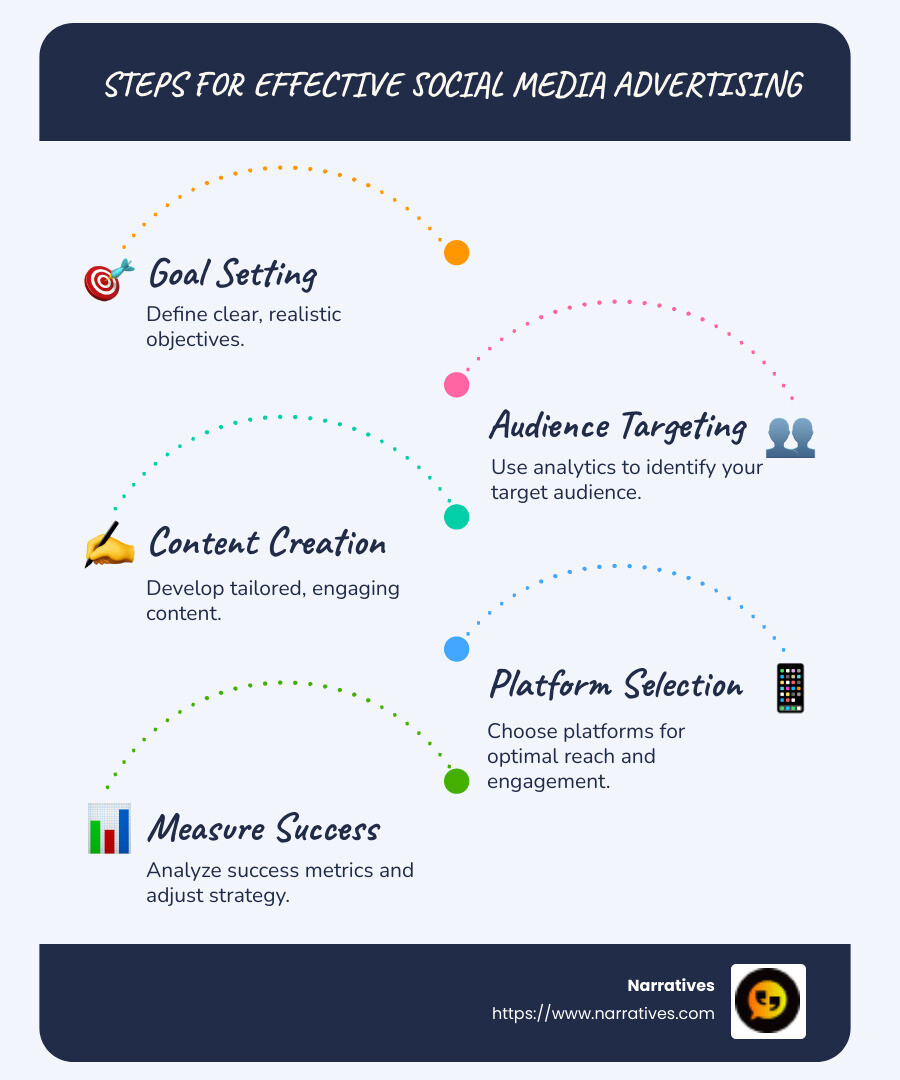
Essential social media advertising help terms:
Understanding Social Media Advertising
Social media advertising can feel like a maze. But once you understand its key components, it becomes a powerful tool for reaching your audience and achieving your goals. Let's break it down.
Key Components
Social Media Platforms
Social media platforms like Facebook, Instagram, LinkedIn, and Twitter are where your audience hangs out. These platforms allow you to run paid ads that target specific groups of people. Each platform has its unique strengths, so choose the ones that align best with your audience and goals.
Paid Ads and Target Audience
Paid ads are essential for reaching a larger audience. They allow you to focus on your target audience with precision. You can target people based on their age, location, interests, and even online behavior. This means your ads reach the right people at the right time.
Campaign Overview
Every successful social media campaign starts with a clear plan. This includes defining your campaign's goals and objectives. Are you looking to boost brand awareness, drive website traffic, or increase sales? Knowing your goals will help you create effective ads and measure your success.
Campaign Creatives
Your ad creatives are the heart of your campaign. They should be eye-catching and resonate with your audience. Use bold visuals and compelling messages to capture attention and encourage engagement. You have only a split second to grab someone's attention as they scroll through their feed.
Benefits
Brand Awareness
One of the biggest benefits of social media advertising is increased brand awareness. By reaching a wider audience, you can introduce your brand to potential customers who may not have heard of you before.
Audience Engagement
Social media is all about interaction. Ads that encourage likes, comments, and shares help you build a community around your brand. Engaging with your audience fosters loyalty and trust, which are essential for long-term success.
Conversion Rates
Social media advertising helps improve your conversion rates. By targeting the right audience with the right message, you can drive more sales and achieve your business goals.
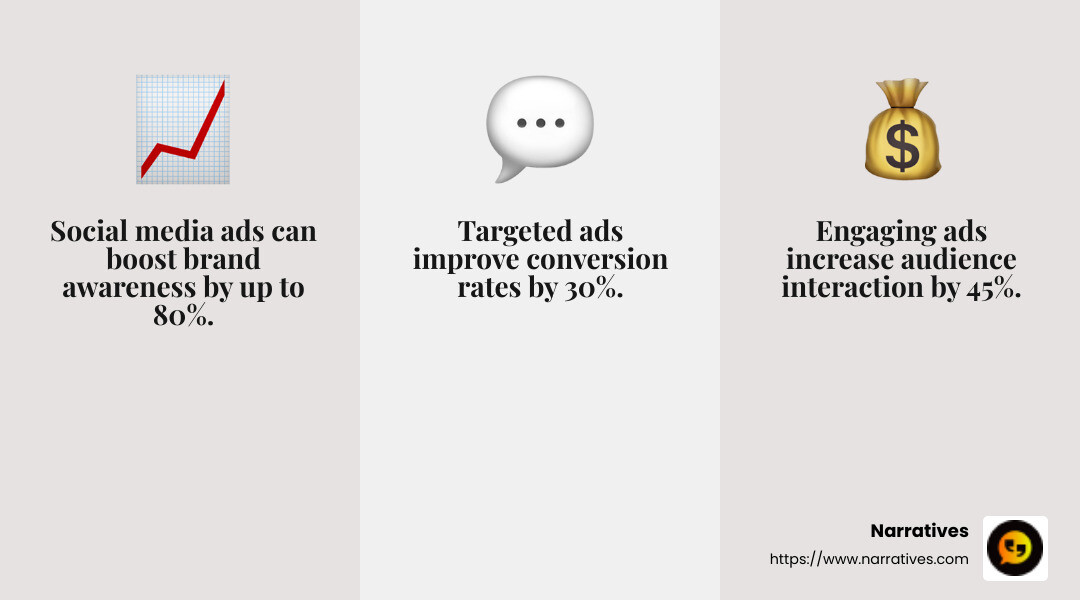
For those seeking social media advertising help, mastering these components and understanding their benefits will set you on the path to success. Up next, we’ll explore how non-profits can leverage social media advertising to create meaningful impact.
Social Media Advertising Help for Non-Profits
Best Practices
Non-profits have unique stories to tell, and social media advertising can amplify these narratives to create a powerful community impact. Let's explore how to make the most of your campaigns.
Non-Profit Partnerships and Storytelling
Partnering with like-minded organizations can expand your reach and credibility. Collaborate with other non-profits or local businesses to co-create content that resonates with a broader audience. Use storytelling to highlight the real-life impact of your work. Share stories of individuals or communities you’ve helped, and make it personal. This not only raises awareness but also fosters an emotional connection with your audience.
Audience Targeting
Targeting the right audience is crucial. Social media platforms offer advanced targeting options that allow you to reach people who are most likely to support your cause. Focus on demographics, interests, and behaviors that align with your mission. For example, if your non-profit focuses on environmental conservation, target users who are interested in sustainability and green living.
Ad Creatives
Your ad creatives should be visually appealing and convey your message clearly. Use bold images or videos that capture the essence of your mission. Include compelling calls-to-action (CTAs) that encourage users to engage, whether it’s to donate, volunteer, or share your message. Authenticity is key. Use real photos and testimonials to build trust and credibility.
Platforms to Consider
Choosing the right platform is essential for reaching your target audience effectively. Here’s a quick guide to help you decide:
Facebook is a versatile platform with a diverse user base, making it ideal for non-profits. Its advanced targeting options and ad formats, like carousel and video ads, can help you tell your story in engaging ways. Plus, Facebook’s fundraising tools make it easy for supporters to donate directly through the platform.
Instagram is perfect for visual storytelling. Use high-quality images and videos to showcase your work and impact. Instagram Stories and Reels can be powerful tools for reaching younger audiences. Engage with your followers through interactive content like polls and Q&As to build a strong community.
LinkedIn is the go-to platform for professional networking and is particularly effective for B2B partnerships and corporate sponsorships. Share success stories and thought leadership content to connect with potential partners and donors. LinkedIn's targeting options allow you to reach decision-makers and professionals interested in your cause.
Twitter is great for real-time updates and engaging with your audience. Use it to share news, updates, and success stories. Hashtags can help expand your reach and connect with trending conversations. Twitter ads can boost your visibility and drive traffic to your website or fundraising page.
By following these best practices and selecting the right platforms, non-profits can harness the power of social media advertising to make a meaningful impact. Up next, we'll explore how to measure the success of your campaigns and ensure you're getting the best return on your investment.
How to Measure Success
Measuring the success of your social media campaigns is crucial to understanding their impact and optimizing future efforts. Let's explore the key metrics and tools that will help you gauge your success and improve your social media advertising help strategy.
Key Metrics
Reach
Reach is the number of unique users who see your content. It tells you how far your message is spreading across your target audience. Monitoring reach helps you understand the potential size of your audience and how well your content is being distributed.Engagement
Engagement includes likes, comments, shares, and clicks. It measures how actively your audience is interacting with your content. High engagement indicates that your content resonates with your audience, while low engagement may suggest a need for adjustment in your messaging or targeting.Conversion Rate
The conversion rate measures the percentage of users who take a desired action after interacting with your ad, such as signing up for a newsletter or making a donation. This metric is crucial for assessing the effectiveness of your call-to-action and the overall success of your campaign.Return on Investment (ROI)
ROI is the ratio of net profit to the total investment cost. For social media campaigns, it helps determine the financial return on your advertising spend. A positive ROI indicates that your campaign is profitable, while a negative ROI suggests a need for strategy revision.
Tools
Google Analytics
Google Analytics is a powerful tool for tracking website traffic and user behavior. By integrating it with your social media campaigns, you can monitor referral traffic, conversion rates, and user engagement. It provides valuable insights into how social media efforts are driving traffic to your site and contributing to your goals.Platform-Specific Analytics
Each social media platform offers its own analytics tools to help you measure success:Facebook Insights provides detailed data on post reach, engagement, and audience demographics. It helps you understand which content performs best and how your audience is interacting with it.
Instagram Insights offers data on follower growth, post engagement, and story performance. Use this information to refine your content strategy and boost engagement.
LinkedIn Analytics gives insights into post impressions, engagement, and follower demographics. It helps you tailor your content to a professional audience and track the impact of your campaigns.
Twitter Analytics tracks tweet impressions, engagement rates, and follower growth. It provides valuable data to optimize your content and increase your reach on the platform.
By focusing on these key metrics and utilizing analytics tools, you can effectively measure the success of your social media advertising campaigns. This will enable you to make data-driven decisions, optimize your strategy, and achieve your advertising goals. Up next, we'll address some frequently asked questions about social media advertising help to further guide you on your journey.
Frequently Asked Questions about Social Media Advertising Help
What is the cost of social media advertising?
The cost of social media advertising can vary widely depending on several factors, including the platform you choose, the target audience, and the type of ad campaign. On average, businesses might spend anywhere from a few dollars to thousands per day on social media ads.
For instance, Facebook offers a flexible pricing model where you can set a budget that fits your needs. You might pay per click (CPC) or per thousand impressions (CPM). According to industry data, the average CPC for Facebook ads ranges around $0.97. However, this can fluctuate based on competition and targeting specifics.
It's essential to start with a budget that aligns with your goals and gradually scale as you see a return on investment (ROI).
How do I choose the right platform for my ads?
Choosing the right platform for your social media ads depends on where your target audience spends most of their time. Here’s a quick breakdown:
Facebook: Ideal for reaching a broad audience. With over 7 million businesses using Facebook for advertising, it's a go-to for many marketers.
Instagram: Best for visual content and reaching younger demographics. Instagram ads can appear in the feed or as Stories.
LinkedIn: Perfect for B2B companies and professional networking. LinkedIn ads can help target decision-makers and industry professionals.
Twitter: Suitable for real-time engagement and reaching audiences interested in news and trends.
Each platform offers unique features and audience demographics. Research and test different platforms to see which ones yield the best results for your campaigns.
How can I improve my ad targeting?
Improving ad targeting is crucial for maximizing your campaign's effectiveness. Here are some strategies:
Understand Your Audience: Create detailed buyer personas to know who you’re targeting. Consider age, location, interests, and behavior patterns.
Use Advanced Targeting Options: Platforms like Facebook and Instagram offer sophisticated targeting options, such as lookalike audiences and custom audiences, to refine who sees your ads.
Leverage Retargeting: Use retargeting strategies to reach users who have interacted with your brand before. This can significantly increase conversion rates.
A/B Testing: Continuously test different ad creatives, copy, and targeting options to see what works best.
Analyze Data: Use tools like Google Analytics and platform-specific analytics to gather insights and adjust your strategy accordingly.
By focusing on these strategies, you can improve your ad targeting and achieve better results from your social media advertising efforts.
Conclusion
In the changing landscape of digital storytelling, Narratives stands out as a trusted partner for non-profits and purpose-driven organizations. Our mission is simple: to amplify underrepresented voices through powerful, emotionally resonant content. By focusing on non-profit partnerships, we help organizations tell their stories in ways that inspire action, build trust, and increase visibility.
Digital storytelling is more than just creating content; it's about creating connections. At Narratives, we believe that every story has the potential to drive social change. By crafting high-quality video and multimedia content, we enable non-profits to showcase their impact and engage with their communities on a deeper level.
Our approach is rooted in understanding the unique challenges and opportunities that non-profits face. We work closely with our partners to ensure their stories are not only seen but also felt. This focus on community impact helps to foster stronger relationships and amplify the voices that need to be heard.
If you're looking for social media advertising help to lift your organization's story, consider partnering with us. Together, we can create content that not only reaches your audience but resonates with them.
Explore our media network services to learn how we can support your digital storytelling journey. Let's make your story heard.


.avif)