Mastering Nonprofit Social Media Campaigns: A How-To Guide

Social media campaigns for nonprofits are changing how organizations share their mission and create true impact. When digital engagement is growing rapidly, nonprofits can no longer ignore the power of these platforms. They provide an opportunity to extend reach, tell compelling stories, and drive meaningful engagement.
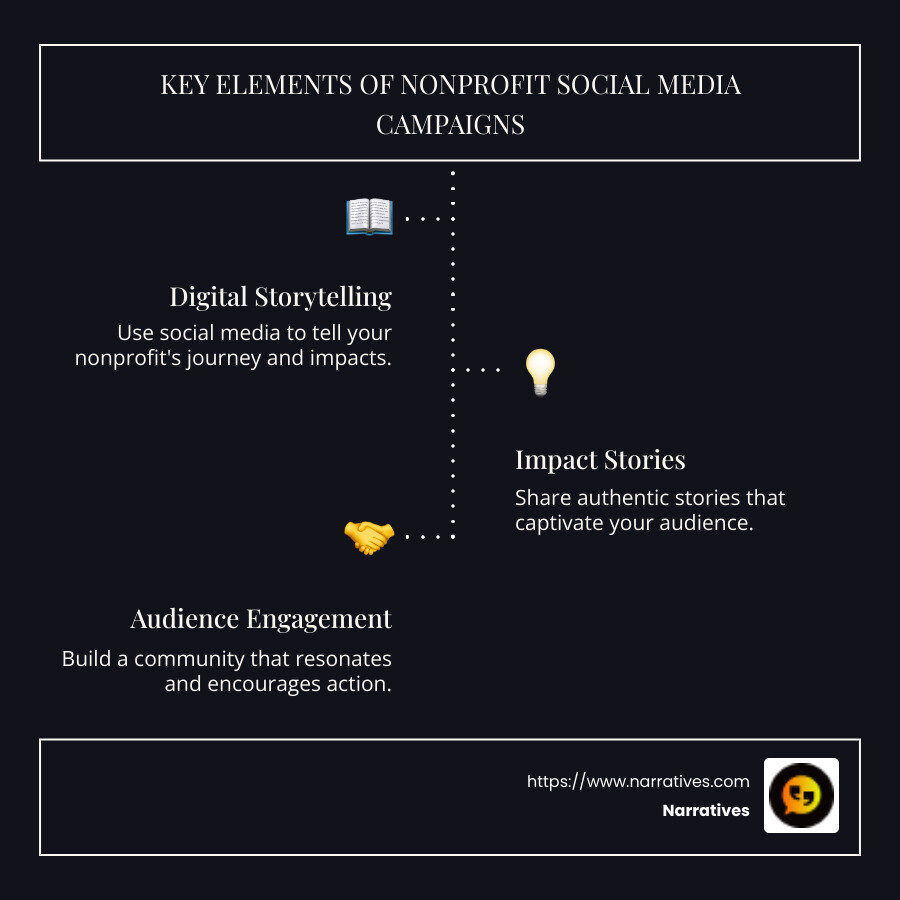
Digital Storytelling: Harness social media to narrate your organization's journey and impacts.
Impact Stories: Share authentic stories that reflect your mission and captivate your audience.
Audience Engagement: Cultivate a community that resonates with your cause and encourages action.
In today's ever-connected world, having a strategic approach to social media can be a game changer for nonprofits. Whether it's celebrating achievements, sharing beneficiaries’ success stories, or calling for donations, each post can spark change when crafted with intent. Engage audiences not just with information, but with narratives that inspire and move them to act.
Understanding Social Media Campaigns for Nonprofits
Social media campaigns for nonprofits are not just about posting content; they are strategic efforts aimed at achieving specific goals. These campaigns help nonprofits increase brand awareness, engage audiences, and ultimately, further their missions.
Campaign Goals
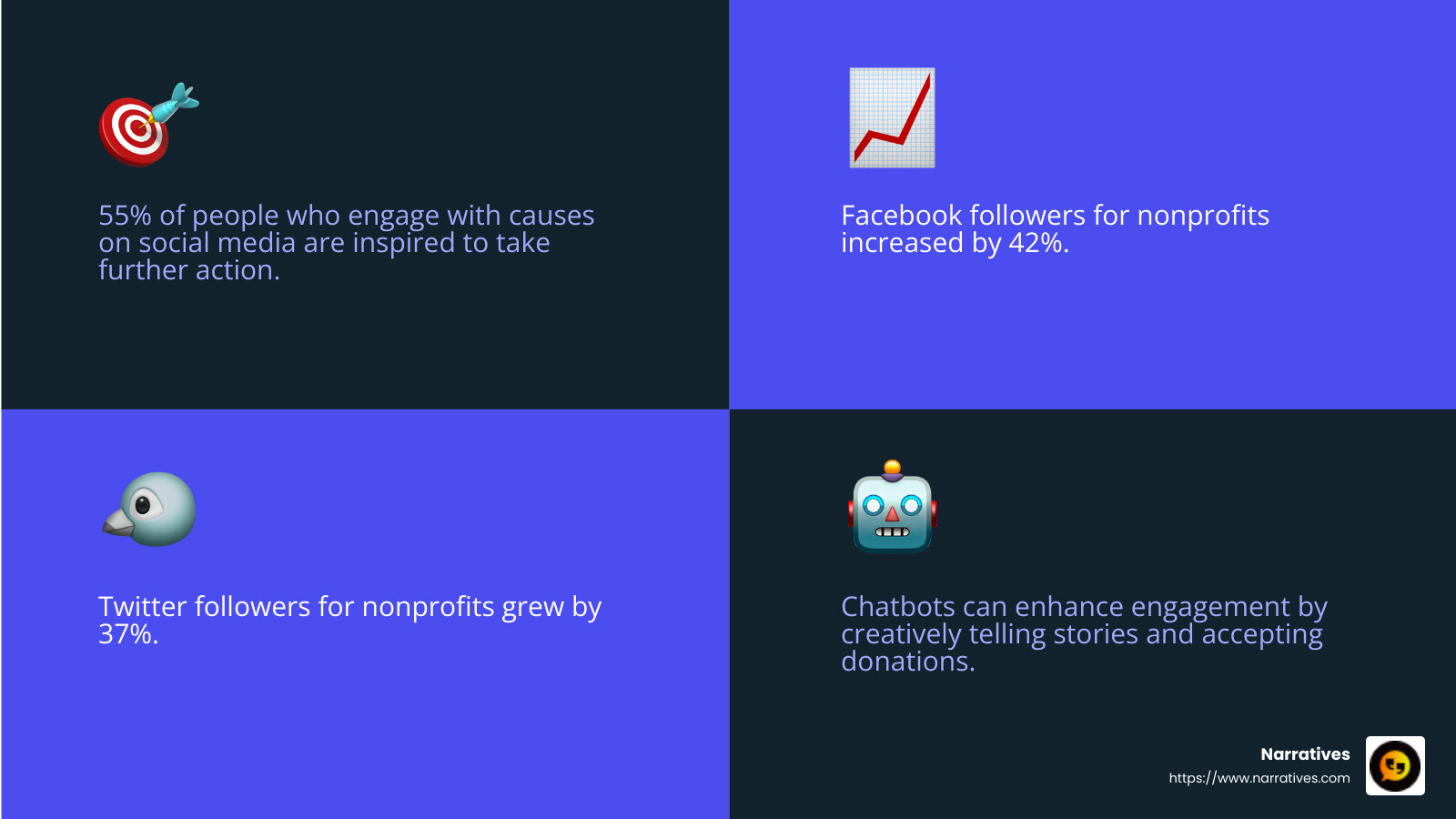
Setting clear, specific goals is the backbone of any successful campaign. Goals provide direction and a measure of success. For example, a nonprofit might aim to raise funds, recruit volunteers, or increase awareness about a cause. According to research, 55% of people who engage with causes on social media are inspired to take further action, like donating or volunteering.
Pro Tip: Use the SMART criteria to set goals—Specific, Measurable, Attainable, Relevant, and Time-bound. This ensures your goals are clear and achievable.
Audience Engagement
Engagement is more than just likes and shares. It's about building relationships and sparking conversations. Nonprofits can use tools like hashtags to join existing conversations or start new ones. Creating contests or using chatbots for interaction can also boost engagement. For example, Charity: Water used a chatbot to creatively tell stories and accept donations, showing how technology can improve engagement.
Pro Tip: Ask your audience for feedback through surveys. This not only increases engagement but also provides insights into what your audience values.
Brand Awareness
Increasing brand awareness is crucial for nonprofits to remain relevant. Social media platforms like Facebook, Instagram, and Twitter are invaluable for this. With billions of users, these platforms offer nonprofits a chance to reach a vast audience at a low cost.
Statistics show that social media followers for nonprofits grew significantly, with Facebook and Twitter followers increasing by 42% and 37%, respectively. This growth highlights the potential for nonprofits to expand their reach and amplify their message.
Pro Tip: Use a mix of branded hashtags and popular ones to maximize reach and track engagement. This helps in monitoring how your campaign resonates with the audience.
By understanding and implementing these elements, nonprofits can create effective social media campaigns that not only engage their audience but also strengthen their brand and further their mission.
Next, we'll dive into planning your nonprofit social media campaign, focusing on goal setting, audience personas, and content calendars.
Planning Your Nonprofit Social Media Campaign
Planning is the foundation of any successful social media campaign. For nonprofits, this involves setting clear goals, understanding your audience, and organizing a content calendar. Let's break these down.
Goal Setting
Every campaign starts with a clear goal. Think of this as your campaign's North Star. It guides your efforts and helps measure success.
Define Specific Goals: Whether it's raising funds, recruiting volunteers, or spreading awareness, your goals should be specific. For instance, aim to raise $10,000 in donations or recruit 100 new volunteers.
Use SMART Criteria: Make sure your goals are Specific, Measurable, Attainable, Relevant, and Time-bound. This ensures clarity and feasibility.

Audience Persona
Knowing your audience is crucial. Creating an audience persona helps tailor your content to meet their interests and needs.
Demographic Details: Include age, gender, income, and location. This helps in crafting messages that resonate.
Interests and Pain Points: Understand what your audience cares about. Are they passionate about environmental issues or social justice? This information helps in creating content that strikes a chord.
Preferred Channels: Identify which social media platforms your audience uses most. If your target audience is on Instagram, focus your efforts there rather than spreading thin across multiple platforms.
Content Calendar
A content calendar is your roadmap for what and when to post. It keeps your campaign organized and ensures a steady flow of content.
Plan Your Posts: Decide on the types of content that align with your goals. This could be stories, testimonials, or infographics.
Schedule Regularly: Consistency is key. Posting regularly keeps your audience engaged and maintains momentum.
Mix It Up: Use a variety of content types. For example, dedicate 40% of your posts to driving traffic to your donation page, 20% to showcasing testimonials, 25% to curated content, and 15% to encouraging sign-ups for events.
By focusing on these planning elements, nonprofits can create a structured and impactful social media campaign. Planning not only makes execution smoother but also improves the chances of achieving your campaign goals.
Next, we'll explore how to create compelling content that captures attention and builds emotional connections with your audience.
Creating Compelling Content
Creating engaging content is at the heart of successful social media campaigns for nonprofits. It’s all about storytelling, leveraging user-generated content, and building emotional connections. Let's explore these elements.
Storytelling
Storytelling is a powerful tool for nonprofits. It brings your cause to life and helps people connect on a personal level.
Narrative Power: Share real stories from those impacted by your work. This could be a person whose life improved because of your efforts. For instance, Doctors Without Borders uses YouTube to share personal stories, like that of a Venezuelan family seeking asylum.
Visual Elements: Use images and videos to improve your stories. Platforms like Instagram are perfect for this. Direct Relief’s Instagram Reels showcasing their on-the-ground efforts garnered over 47,000 views, proving how visuals can amplify your message.
Consistency: Regularly update your audience with new stories. This keeps your cause top of mind and reinforces your message.
User-Generated Content
Encouraging your audience to share their own content can boost engagement and broaden your reach.
Hashtags: Create a campaign-specific hashtag to collect and track user-generated content. Electric Literature asked followers to share their literary tattoos, turning submissions into an engaging article.
Reposting: Share the best user submissions on your channels. This not only fills your content calendar but also makes your audience feel valued and involved.
Engagement: Ask your followers to share photos or experiences related to your cause. This crowdsourcing approach increases interaction and builds a sense of community.
Emotional Connection
Building an emotional connection is crucial for inspiring action, whether it's donations or volunteer sign-ups.
Empathy: Highlight the human side of your work. St Jude Children’s Research Hospital regularly spotlights team members, giving a face to their mission and fostering empathy.
Relatability: Focus on individual stories rather than broad statistics. People connect more with personal narratives, as seen with Doctors Without Borders’ approach to migration stories.
Call to Action: Alongside emotional content, include a clear call to action. Direct Relief’s Instagram Reels not only raised awareness but also encouraged donations via their bio link.
By weaving storytelling, user-generated content, and emotional connections into your strategy, your nonprofit can create compelling content that resonates with your audience. This approach not only engages but also inspires action, driving your mission forward.
Measuring Success and Optimizing Campaigns
Once your social media campaigns for nonprofits are up and running, it's crucial to measure their success and make necessary adjustments. Here's how you can do this effectively using KPIs, analytics, and conversion rates.
Key Performance Indicators (KPIs)
KPIs are essential for understanding how well your campaign is performing. They help you track progress towards your goals and identify areas for improvement.
Amplification Rate: This measures how often your content is shared. A higher rate means your message is spreading. Use platform analytics to track shares, retweets, and reposts.
Conversation Rate: This focuses on comments and replies. A lively discussion indicates strong engagement. Monitor these interactions to gauge audience interest.
Landing Page Conversion Rate: This KPI assesses how many people take action after visiting your site. Use tools like Google Analytics to track visits and conversions.
Using Analytics
Analytics provide a wealth of information about your audience and how they interact with your content. They help you make data-driven decisions to optimize your campaigns.
Social Media Analytics: Platforms like Facebook and Instagram offer insights into post performance, audience demographics, and engagement levels. Use these tools to refine your strategy.
Google Analytics: This tool is invaluable for tracking website traffic and understanding user behavior. It can reveal where visitors come from, what they do on your site, and how many convert.
Surveys: In addition to quantitative data, consider using surveys to gather qualitative feedback from your audience. Ask them what they like, what they need, and how you can improve.
Optimizing Conversion Rates
Conversion rates tell you how effectively your campaign turns interest into action. Whether it's donations, sign-ups, or shares, optimizing these rates is key.
A/B Testing: Experiment with different content, headlines, and calls to action to see what resonates best with your audience.
Clear Calls to Action: Make it easy for your audience to know what to do next. Whether it's donating, sharing, or signing up, clarity is crucial.
User Experience: Ensure your landing pages are easy to navigate and mobile-friendly. A smooth user experience can significantly boost conversions.
By focusing on KPIs, leveraging analytics, and optimizing conversion rates, you can ensure your social media campaigns for nonprofits are as effective as possible. This approach not only helps in achieving your current goals but also sets a strong foundation for future campaigns.
Frequently Asked Questions about Social Media Campaigns for Nonprofits
What are the key elements of a successful nonprofit social media campaign?
Creating successful social media campaigns for nonprofits hinges on a few critical elements: goals, purpose, and a timetable.
Goals: Set specific, measurable, attainable, relevant, and time-bound (SMART) goals. Whether it's increasing donations or boosting volunteer sign-ups, clear goals guide your campaign and help measure success. For example, a goal could be to raise $5,000 in donations within two months.
Purpose: Every campaign needs a clear purpose. This gives your team focus and direction, ensuring everyone works towards a common cause. For instance, the purpose could be to spread awareness about a new community project.
Timetable: A well-defined timetable creates urgency and momentum. It helps keep your team on track and maintains audience interest. Set deadlines for each phase of your campaign to ensure timely execution.
How can nonprofits effectively engage their audience on social media?
Engagement is the heartbeat of any successful social media campaign. Here are ways nonprofits can foster interaction and build community:
Engagement: Use interactive content like polls, quizzes, and Q&A sessions to keep your audience involved. This not only boosts interaction but also provides insights into audience preferences.
Community Building: Create a sense of belonging by sharing user-generated content and encouraging followers to share their stories. Highlighting donor and volunteer stories can make your community feel valued and connected.
Consistent Interaction: Regularly respond to comments and messages. Show appreciation and address questions or concerns promptly. This builds trust and strengthens relationships with your audience.
What are some cost-effective strategies for nonprofit social media campaigns?
Running a campaign on a tight budget? Here are some strategies to maximize impact without breaking the bank:
Budgeting: Allocate resources wisely. Identify which platforms and content types yield the best engagement for your goals. Focus spending on these areas.
Tools and Discounts: Leverage free or discounted tools custom for nonprofits. Platforms like TechSoup offer access to affordable software and services. Use tools like Canva for designing graphics or Hootsuite for managing posts.
Creative Content: Use storytelling to capture attention. Share compelling stories that resonate with your audience. Visual content like photos and videos can be created using smartphones, keeping costs low while maintaining quality.
By understanding these elements and strategies, nonprofits can create impactful social media campaigns that engage audiences and achieve their mission, all while staying within budget.
Conclusion
In the changing digital landscape, mastering social media campaigns for nonprofits is not just about keeping up—it's about standing out. At Narratives, we believe in the power of digital storytelling to amplify voices and drive meaningful change. Our approach centers on creating content that resonates emotionally, builds trust, and inspires action.
Nonprofit partnerships are at the heart of what we do. We collaborate with purpose-driven organizations to craft high-quality, multimedia content that highlights their impact. By elevating underrepresented voices, we help nonprofits share their stories in ways that captivate and engage audiences. This isn't just about visibility; it's about fostering genuine connections and building a community around shared values.
Our strategy is simple yet effective: use storytelling to make your mission relatable. Whether it's a heartfelt video of a community project or a photo series showcasing beneficiaries, the goal is to touch hearts and inspire action. This approach not only raises awareness but also strengthens your organization's presence in the digital space.
Ready to take your nonprofit's storytelling to the next level? Explore how Narratives can help you share your impact stories and build lasting connections. Learn more about our media services.
By focusing on authentic storytelling and strategic partnerships, nonprofits can create powerful social media campaigns that not only reach their goals but also make a lasting impact.


.avif)