Marketing Magic: Social Media Strategies for Nonprofits

Open uping Potential: Social Media Strategies for Nonprofits
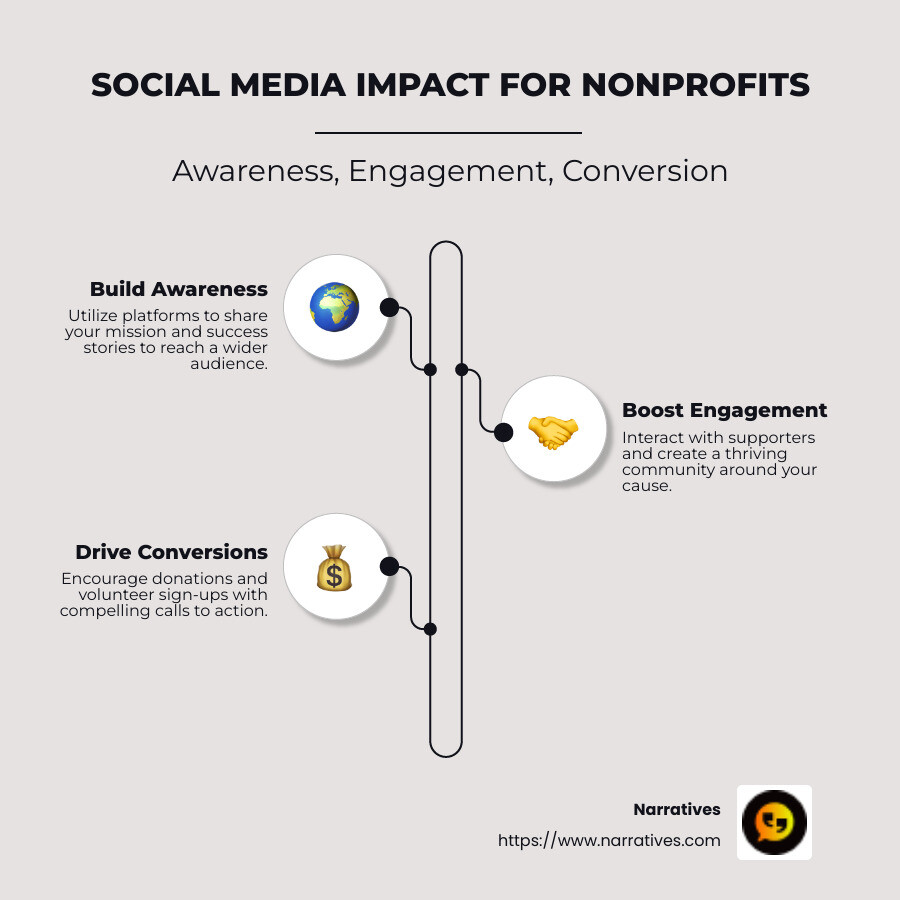
Social media marketing strategy for nonprofits is vital for these organizations to thrive. It helps build awareness, boost engagement, and drive conversions. Here's a quick snapshot of how nonprofits can benefit from social media:
- Build Awareness: Reach a wider audience by sharing your mission and success stories.
- Boost Engagement: Interact with your supporters and create a community around your cause.
- Drive Conversions: Encourage donations and volunteer sign-ups through compelling calls to action.
In an era where digital presence can amplify the impact of advocacy and social justice efforts, nonprofits can leverage the power of social media to connect with their audience effectively. Social media isn’t just about broadcasting your message; it's about starting a conversation and fostering a thriving community.
Understanding the full potential of social media can transform a nonprofit’s approach to outreach. By strategically selecting platforms, creating engaging content, and measuring results, nonprofits can increase their impact without overwhelming their resources.
Setting Goals for Your Social Media Marketing Strategy for Nonprofits
Setting clear goals is the foundation of a successful social media marketing strategy for nonprofits. Goals help you focus your efforts and measure success. Let's explore three key goals: increase awareness, build trust, and drive donations.
Increase Awareness
Raising awareness is often the first step for nonprofits venturing into social media. With 82% of Americans using social media, these platforms offer a massive audience ready to learn about your cause. Focus on sharing your mission, achievements, and impactful stories.
- Share Success Stories: Highlight the progress your organization has made. Use visuals like before-and-after images or short videos to capture attention.
- Engage with Hashtags: Use relevant hashtags to expand your reach. Join trending topics when they align with your mission.
- Collaborate with Influencers: Partner with individuals who share your values. Their endorsement can introduce your cause to new audiences.
Build Trust
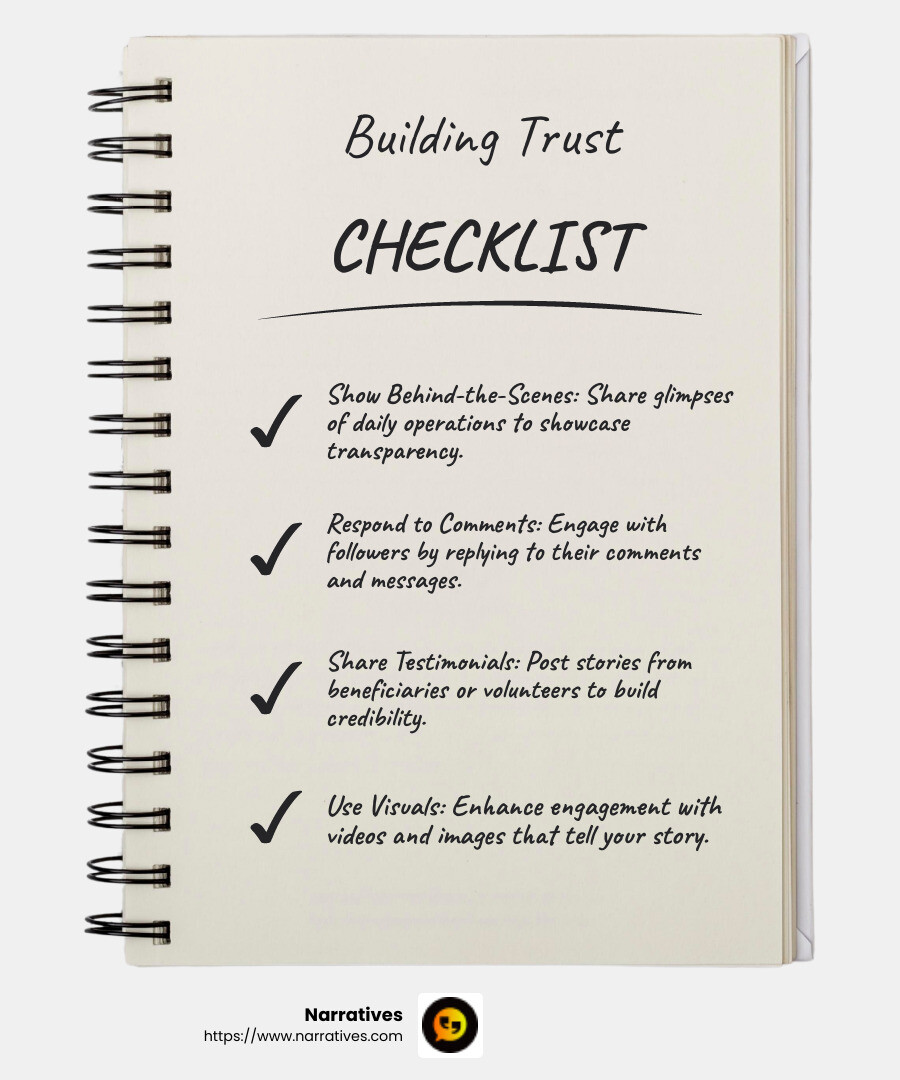
Trust is the currency of nonprofit success. People are more likely to support organizations they trust. Social media can help build this trust by showcasing transparency and authenticity.
- Show Behind-the-Scenes: Share glimpses of your daily operations. Let followers see the people behind the mission.
- Respond to Comments: Engage with your audience by replying to comments and messages promptly. This shows that you value their input.
- Share Testimonials: Post stories from beneficiaries or volunteers. Real-life experiences resonate with audiences and build credibility.
Drive Donations
Once you've captured attention and built trust, the next step is to convert followers into donors. Social media platforms offer tools to make this process seamless.
- Use Donation Buttons: Platforms like Facebook and Instagram allow you to add donation buttons directly to your posts or stories.
- Create Urgent Campaigns: Use time-sensitive campaigns to encourage quick action. Highlight specific needs and how donations will make a difference.
- Leverage Social Proof: Share donor stories and highlight fundraising milestones. Seeing others contribute can inspire more people to give.
By setting specific, measurable, attainable, relevant, and timely (SMART) goals, nonprofits can tailor their social media efforts to achieve these objectives. Each goal should align with your organization's broader mission and be adaptable as you learn what works best for your audience.
Choosing the Right Platforms
Selecting the right social media platforms is crucial for an effective social media marketing strategy for nonprofits. Each platform offers unique features and caters to different audiences. Let's explore the strengths of Facebook, Instagram, LinkedIn, and TikTok.
Facebook remains a powerhouse for nonprofits, with nearly 3 billion users worldwide. It’s perfect for sharing event information and creating fundraising pages.
- Event Promotion: Create event pages to keep your audience informed and engaged.
- Fundraising Tools: Use Facebook's donation features to make giving easy.
- Live Streaming: Use Facebook Live to host virtual events or provide behind-the-scenes tours.
Instagram is all about visuals. It's ideal for showcasing your nonprofit's impact through photos and videos, appealing to a younger audience.
- Visual Storytelling: Share compelling images and videos that highlight your mission.
- Reels and Stories: Use these features to engage followers with short, dynamic content.
- Donation Stickers: Encourage giving directly through Instagram Stories.
LinkedIn is a professional network that can improve your nonprofit's credibility and connect you with industry leaders.
- Thought Leadership: Share educational content to position your organization as an expert.
- Professional Networking: Connect with potential partners and donors.
- Job Postings: Attract skilled volunteers and staff by advertising opportunities.
TikTok
TikTok is a rapidly growing platform, particularly popular with Gen Z and Millennials. It's perfect for nonprofits aiming to reach younger audiences.
- Creative Content: Use trending sounds and challenges to catch the eye of young viewers.
- Educational Videos: Share informative content about your cause in a fun and engaging way.
- Donation Stickers: Enable donations within the app to simplify the process for supporters.
Choosing the right platforms is about understanding where your audience spends their time and which features align best with your goals. By focusing on a few key platforms, nonprofits can maximize their impact and foster a strong online community.
Creating Engaging Content
Creating engaging content is at the heart of a successful social media marketing strategy for nonprofits. Let's explore how videos, hashtags, and storytelling can lift your nonprofit's online presence.
Videos
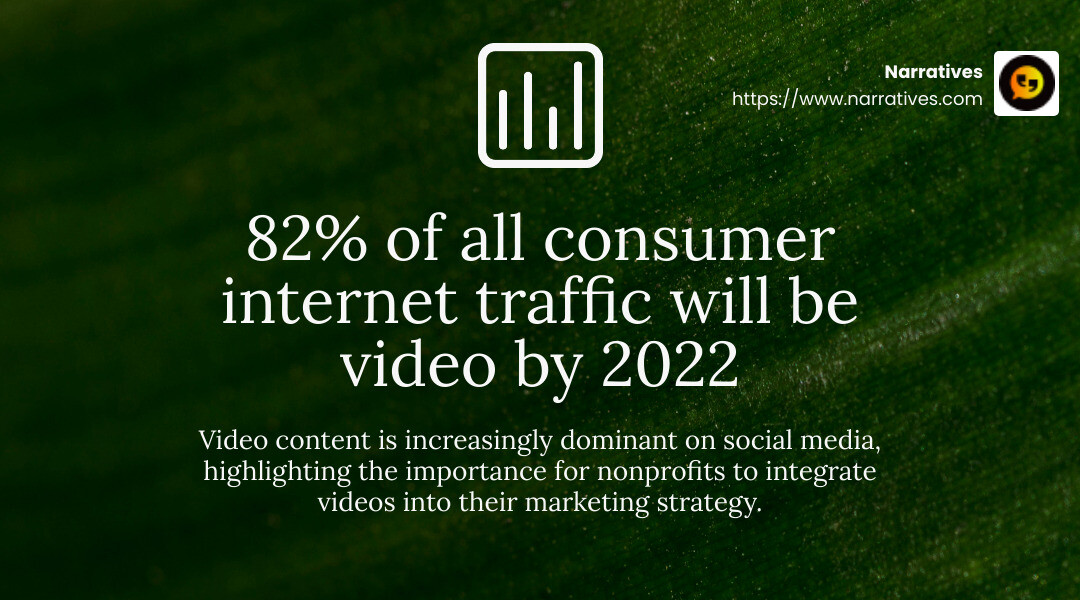
Videos are incredibly powerful for capturing attention and conveying your message. With platforms like TikTok, Instagram, and Facebook prioritizing video content, incorporate videos into your strategy.
- Short and Sweet: Keep videos concise to maintain viewer interest. Aim for under a minute on platforms like Instagram and TikTok.
- Event Highlights: Post videos from events to showcase the impact and encourage future participation.
- Behind-the-Scenes: Use video to offer a glimpse into your organization's daily operations, humanizing your mission and building trust.
Hashtags
Hashtags are a simple yet effective way to increase the reach of your posts and engage new audiences. They help categorize content and make it findable to users interested in similar topics.
- Branded Hashtags: Create unique hashtags for your campaigns to build a cohesive brand presence.
- Trending Hashtags: Participate in trending conversations by using popular hashtags related to your cause.
- Community Engagement: Encourage supporters to use your hashtags, turning them into advocates for your mission.
Storytelling
Storytelling is a powerful tool for nonprofits. It allows you to connect emotionally with your audience, making your cause relatable and urgent.
- Real Stories: Share authentic stories of individuals or communities impacted by your work. Personal narratives resonate deeply with audiences.
- Visual Stories: Combine images and text to create compelling narratives that capture attention on platforms like Instagram and Facebook.
- Sequential Posts: Break longer stories into a series of posts, keeping your audience engaged over time.
By focusing on videos, hashtags, and storytelling, nonprofits can create engaging content that not only captures attention but also inspires action. This approach will help build a loyal community of supporters who are eager to engage with and support your cause.
Measuring Success and ROI
Understanding the impact of your social media marketing strategy for nonprofits is crucial. Here's how you can measure success and determine your return on investment (ROI).
Engagement Metrics
Engagement metrics are key indicators of how well your content resonates with your audience. They help you understand what types of posts generate the most interaction.
- Likes, Shares, and Comments: Track these to see which posts are sparking conversations and spreading your message.
- Video Views: Monitor how many people watch your videos all the way through. This shows how engaging your video content is.
- Retention Over Time: Look at how engagement changes over periods to identify trends and successful content types.
Traffic Sources
Knowing where your web traffic comes from can inform your strategy. It helps you focus on the platforms that drive the most visitors to your site.
- Social Media Referrals: Use analytics tools to track how many visitors come from each social platform.
- Campaign Click-Through Rates: Measure how often people click on your social media posts to visit your website.
- Conversion Rate: Determine what percentage of visitors from social media take desired actions, like signing up for a newsletter or making a donation.
Newsletter Signups
Newsletter signups are a valuable metric because they show a deeper level of interest and commitment from your audience.
- Sign-Up Forms on Social Media: Integrate sign-up forms directly into your social media profiles to capture leads easily.
- Content Offers: Promote exclusive content or benefits in exchange for newsletter signups.
- Follow-Up Engagement: Track how engaged these subscribers are with your email content to refine your approach.
By focusing on these metrics, nonprofits can gain insights into the effectiveness of their social media efforts. This data-driven approach ensures that your resources are used wisely, maximizing the impact of your social media marketing strategy.
Frequently Asked Questions about Social Media Marketing Strategy for Nonprofits
How can nonprofits increase social media engagement?
Nonprofits can boost engagement by leveraging videos and interactive content. Videos are a powerful tool because they capture attention and convey stories effectively. They can be live-streamed events, behind-the-scenes glimpses, or powerful testimonials. According to research, video streaming accounts for a significant portion of web traffic, and demand continues to grow.
Interactive content like polls, quizzes, and Q&A sessions also foster engagement. These formats invite participation and make supporters feel involved. Responding to comments and messages promptly can further improve engagement, building a sense of community around your cause.
What are the best social media platforms for nonprofits?
When choosing platforms, focus on where your audience is most active. Facebook and Instagram are popular choices for nonprofits due to their extensive user bases and robust features.
Facebook offers tools like donation buttons, event promotion, and group creation, making it ideal for community building and fundraising. Nonprofits can also create lookalike audiences to reach new supporters, as well as retarget existing ones with ads.
Instagram is perfect for visual storytelling. With features like Stories and Reels, nonprofits can share impactful images and videos that highlight their mission and achievements. Adding donation stickers to posts can also encourage giving directly through the platform.
How can nonprofits measure social media ROI?
To measure the ROI of a social media marketing strategy for nonprofits, use analytics tools and track engagement metrics. Most platforms offer built-in analytics to monitor performance and audience demographics.
Key metrics include:
- Likes, Shares, and Comments: These indicate how well your content is connecting with your audience.
- Video Views: Analyze how many viewers watch your videos from start to finish to gauge content effectiveness.
- Conversion Rates: Track how many social media interactions lead to desired actions, like donations or newsletter signups.
By focusing on these metrics, nonprofits can refine their strategies and ensure their efforts lead to meaningful outcomes. Data-driven insights allow for strategic adjustments, maximizing the impact of your social media presence.
Conclusion
Narratives play a crucial role in a nonprofit's social media marketing strategy. They are the heart of digital storytelling, allowing organizations to share their missions in a way that resonates emotionally and inspires action. At Narratives, we specialize in elevating these stories through high-quality, emotionally engaging content that not only informs but also connects with audiences on a deeper level.
Digital storytelling is more than just sharing facts and figures. It's about creating a journey that your audience can see, feel, and relate to. By using powerful visuals, compelling videos, and authentic testimonials, nonprofits can transform their social media presence. This approach not only builds trust but also increases visibility and drives donations. Our goal is to help nonprofits harness the power of storytelling to amplify their impact.
Community-driven storytelling is another key element. It involves engaging with your audience and making them part of your story. By fostering a sense of community, nonprofits can encourage supporters to share their own experiences and perspectives. This not only enriches the narrative but also strengthens the bond between the organization and its supporters. It turns followers into advocates and passive observers into active participants.
In conclusion, a successful social media marketing strategy for nonprofits hinges on the ability to tell compelling stories. Narratives are at the core of this strategy, changing digital content into a powerful tool for change. By focusing on storytelling that is both digital and community-driven, nonprofits can create meaningful connections that inspire action and drive real-world impact.


.avif)