Boost Your Nonprofit's Impact with These Social Media Tips
Social media tips for nonprofits can be a game-changer in expanding your organization's reach and influence. In today's digital landscape, social media isn't just about sharing photos—it's a strategic asset for nonprofit growth. Here are some quick tips to get you started:
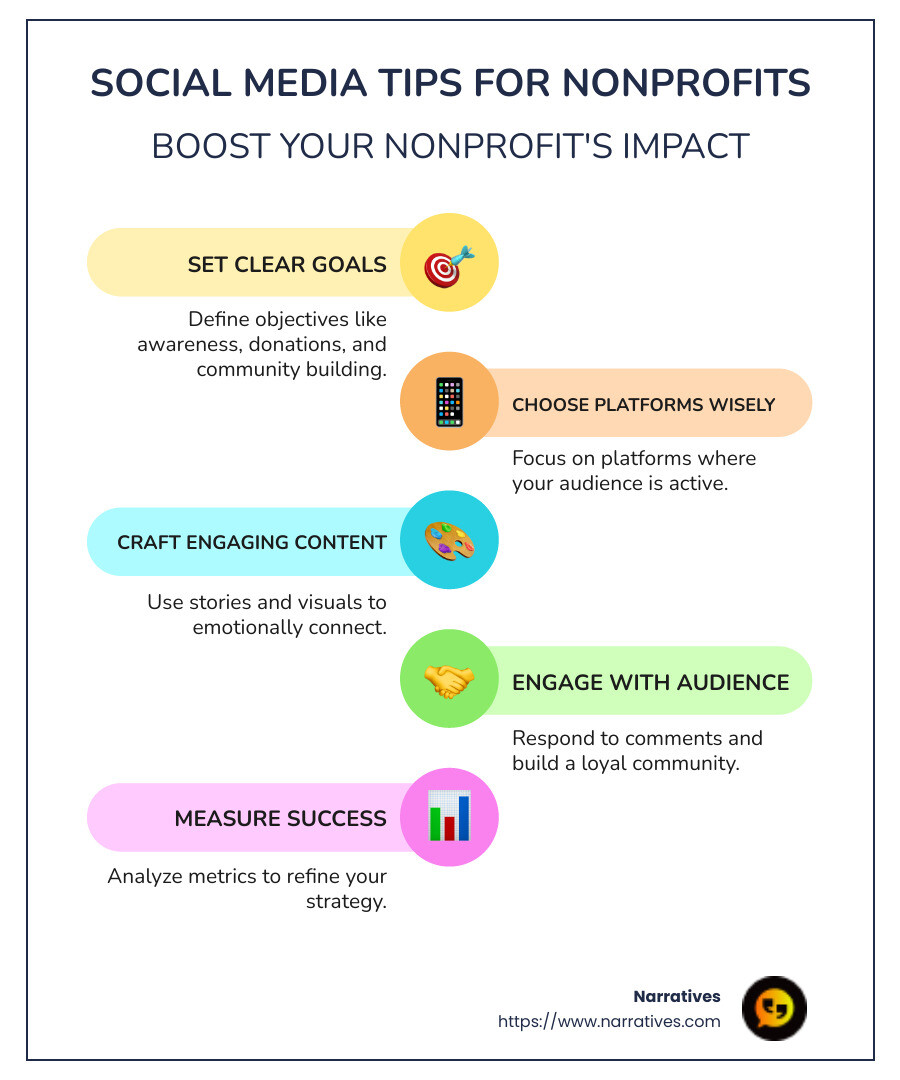
- Set Clear Goals: Understand what you want to achieve, whether it's raising awareness or increasing donations.
- Choose the Right Platforms: Not every social media platform will suit your needs; pick the ones where your audience spends their time.
- Craft Engaging Content: Use compelling stories and visuals to connect emotionally with your audience.
- Engage with Your Audience: Respond to comments and encourage interactions to build a loyal community.
- Measure Your Success: Regularly check metrics to see what works and adjust your strategy accordingly.
Social media is more than a buzzword; it's a vital tool for driving meaningful results for your mission. The power of social media lies in its ability to reach supporters where they are and foster genuine, lasting relationships.
By embracing a strategic approach to social media, nonprofits can amplify their mission and inspire action. Whether you’re a small community group or a large philanthropic foundation, a thoughtful social media strategy can open up new opportunities for impact.
Define Your Social Media Goals
When it comes to boosting your nonprofit's impact on social media, setting clear and focused goals is essential. Rather than aiming to "raise awareness," specify what that looks like for your organization. Is it increasing website visits, boosting post shares, or gaining new followers? Here’s how you can set effective social media goals:
1. Awareness
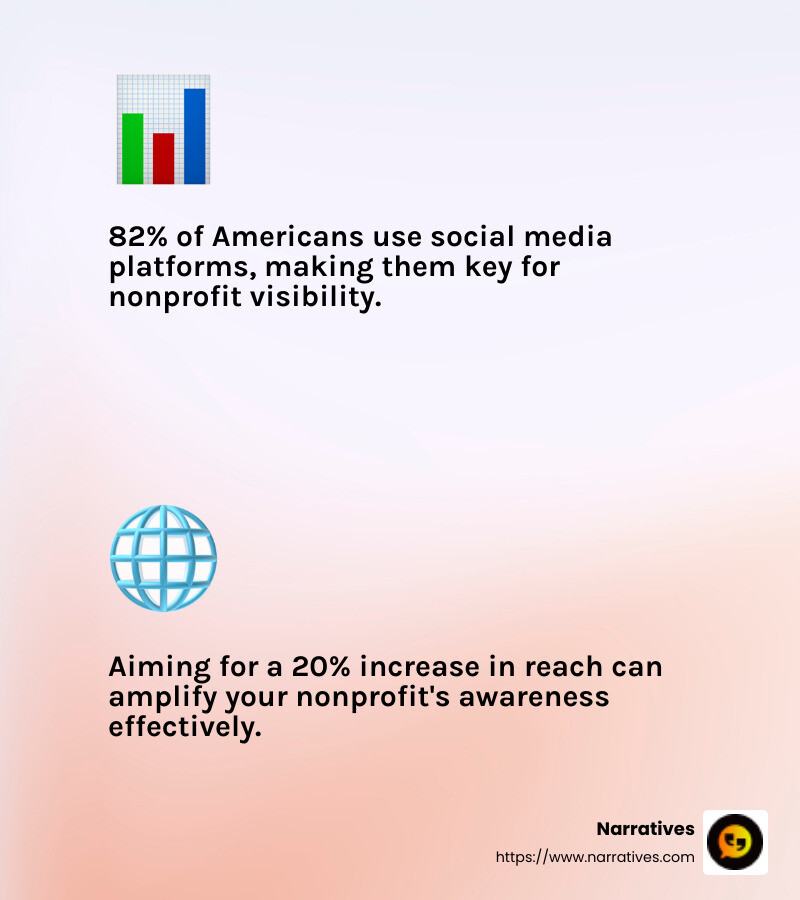
Awareness is about getting your name and mission out there. This can be measured by the number of impressions, views, and reach your posts get. Aim for a specific target, like a 20% increase in reach over three months.
"82% of Americans currently use social media sites, making it a crucial platform for raising awareness."
2. Trust
Building trust with your audience is crucial. Share authentic stories and testimonials. Respond to comments and messages promptly to show that you value engagement. Trust can be measured by the quality of interactions, such as positive comments and shares.
3. Traffic
Driving traffic to your website is a tangible goal. Use social media to direct followers to your site for more information or to take action. Monitor your click-through rates to gauge success.
4. Relationships
Social media is a fantastic tool for building relationships. Engage with your audience by asking questions, hosting Q&A sessions, or creating polls. The goal here is to foster a sense of community and loyalty.
5. Donations
If increasing donations is your goal, use social media to run targeted campaigns. Highlight stories of impact and include clear calls to action. Track conversion rates to see how many followers become donors.
6. Membership
Growing your membership can be a goal too. Use social media to showcase the benefits of joining your organization. Offer exclusive content or events to members and track growth in membership numbers.
Setting SMART goals (Specific, Measurable, Attainable, Relevant, Timely) will help you focus your efforts and measure success effectively. Whether your aim is to boost awareness or increase donations, having a clear goal will guide your social media strategy and help you make a real impact.
Choose the Right Social Media Platforms
Selecting the best social media platforms for your nonprofit is crucial. It's not about being everywhere but being where it matters most. Let’s dive into how each platform can serve your nonprofit's unique needs.
With nearly 3 billion users, Facebook is a powerhouse for reaching a broad audience. It's ideal for sharing event details and creating fundraising pages. Use its live-streaming feature to give supporters a behind-the-scenes look at your organization. Facebook's donation tools make it easy to turn engagement into tangible support.
Instagram thrives on visual storytelling. Use it to showcase the impact of your mission through photos, videos, and stories. The platform's Donation Stickers in stories make it easy for followers to contribute directly. Engaging visuals and compelling captions are key here.
TikTok
Looking to connect with a younger audience? TikTok is your go-to platform. Create engaging, short-form videos that highlight your cause and use the Donation Stickers feature to facilitate in-app donations. It's an excellent way to reach a new generation of supporters.
LinkedIn isn't just for job seekers. It's a valuable platform for nonprofits to position themselves as thought leaders. Share educational content and success stories. Encourage your staff and volunteers to engage with your content to boost credibility and reach.
X (formerly Twitter)
X is perfect for quick updates and engaging with your audience in real-time. Use it to run hashtag campaigns and start conversations around your cause. Keep messages concise and impactful, and leverage hashtags to increase visibility.
Choosing the right platforms depends on your audience and content type. Focus on where your efforts will have the most impact and align with your goals.
Social Media Tips for Nonprofits
Mastering social media can significantly boost your nonprofit's impact. Here are some social media tips for nonprofits to help you get started.
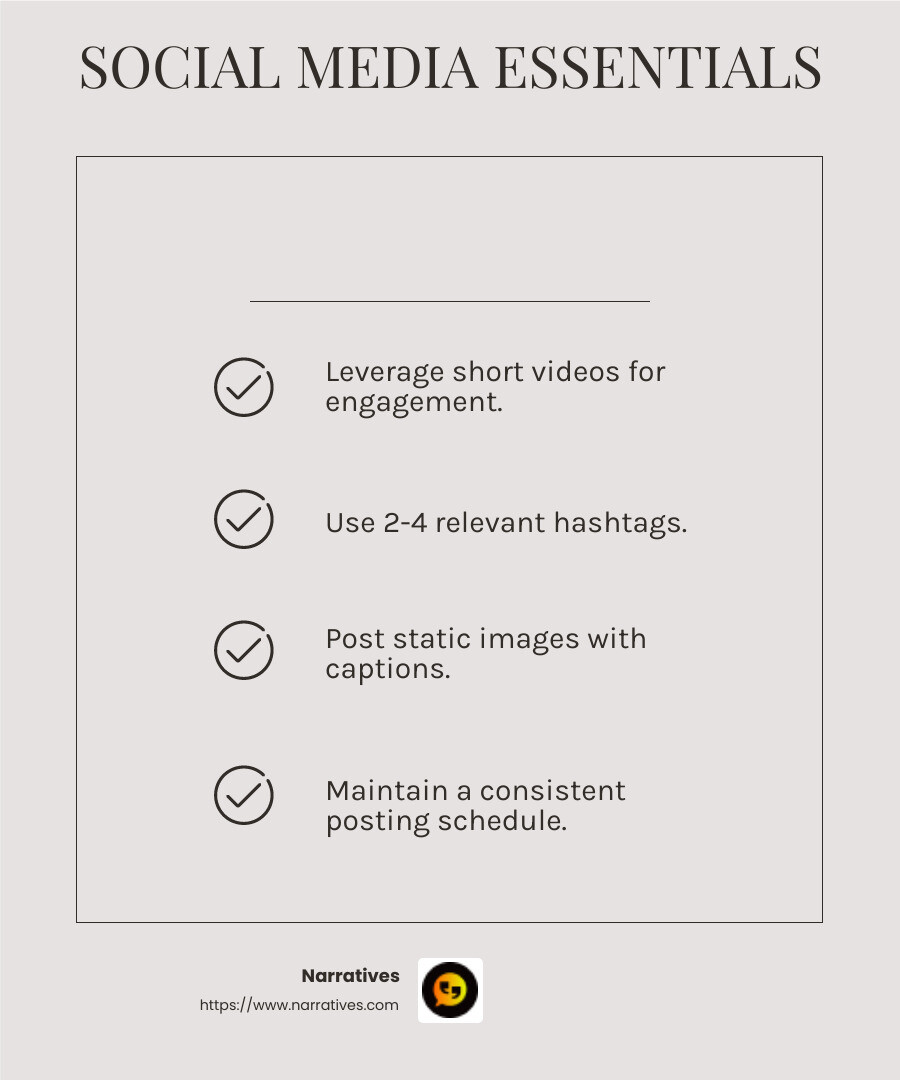
1. Leverage the Power of Videos
Videos are a game-changer for nonprofits. They're engaging and can effectively communicate your mission. Platforms like TikTok and Instagram are ideal for short, impactful videos. Consider posting behind-the-scenes clips, success stories, or event highlights.
Pro Tip: Keep videos short and sweet to maintain viewer attention. A 30-second clip can be more effective than a lengthy one.
2. Use Hashtags Wisely
Hashtags can increase your content's visibility and engagement. They help users find topics they care about. For example, a humane society could use #AdoptDontShop to promote pet adoption.
Best Practice: Stick to 2-4 hashtags per post. Use a mix of popular and niche hashtags to reach a broader audience.
3. Don't Underestimate Static Posts
While videos are engaging, static posts have their place. Use them to share important announcements, infographics, or testimonials. They're perfect for platforms like LinkedIn and Facebook, where users often seek detailed information.
Quick Tip: Pair static images with compelling captions to encourage interaction.
4. Maintain Consistency
Consistency is key to building trust and recognition. Develop a content calendar to schedule posts in advance. This ensures you're posting regularly without overwhelming your team.
Action Step: Use tools like Sprout Social or Hootsuite to manage your posting schedule efficiently.
5. Invest in Social Media Ads
Ads can amplify your reach and attract new supporters. Platforms like Facebook and Instagram offer targeted advertising options. Start by creating lookalike audiences to find potential donors.
Strategy: Retarget previous visitors with ads to remind them of your mission and encourage donations.
Implementing these tips can improve your nonprofit's social media presence. Next, we'll explore how to create engaging content that resonates with your audience.
Create Engaging Content
Creating engaging content is essential for capturing attention and inspiring action. Here’s how to make your nonprofit’s content stand out.
1. Craft Compelling Stories
Stories are at the heart of every nonprofit. They humanize your cause and connect emotionally with your audience. Share real-life stories of those you've helped or the challenges you're addressing.
Case Study: The American Red Cross effectively uses Instagram stories to highlight various issues and updates, making their work relatable and urgent.
Tip: Adapt long stories into bite-sized posts for platforms like X or Instagram, where brevity is key.
2. Accept Video Content
Videos are a powerful tool for storytelling. They can vividly portray your mission and impact. Use platforms like TikTok and Instagram Reels for short, engaging clips. Highlight events, volunteer testimonials, or success stories.
Fact: 93% of social media marketers say video content is crucial for their strategy. Keep it short to retain viewer attention.
Example: After an annual event, post a recap video to showcase the fun and success, encouraging future participation.
3. Use Images Strategically
Images can convey a message quickly and effectively. A picture of a family in their new home or a rescued animal can speak volumes. Pair images with concise, impactful captions to improve engagement.
Pro Tip: Use images of people to make posts more relatable. For example, show the faces of those benefiting from your work.
4. Leverage Social Media Ads
Advertisements can expand your reach and attract new supporters. Use targeted ads on platforms like Facebook and Instagram. Retargeting is also a great way to re-engage previous visitors.
Strategy: Start with lookalike audiences to find new donors, then use retargeting to bring them back to your site.
5. Tell Stories Through Ephemeral Content
Ephemeral content, like Instagram and Facebook stories, creates a sense of urgency. These short-lived posts are perfect for quick updates or highlighting urgent issues.
Insight: Pin important stories on Instagram to keep them visible, as seen with the American Red Cross's approach.
Creating engaging content is about connecting with your audience on a personal level. Next, we'll dive into measuring and optimizing your strategy to ensure your efforts pay off.
Measure and Optimize Your Strategy
To make sure your nonprofit's social media strategy is effective, you need to measure and optimize continuously. Here's how to do it.
Track Key Metrics
Start by identifying the right metrics that align with your goals. These could include:
- Engagement: Likes, comments, shares, and retweets.
- Awareness: Impressions and reach.
- Conversions: Donations, event registrations, or volunteer sign-ups.
Fact: According to a HubSpot survey, 98% of nonprofits are on Facebook, but only about half measure their results effectively.
Implement A/B Testing
A/B testing is a simple way to find out what works best for your audience. Try different versions of your posts to see which one performs better.
- Example: Test two different images or headlines for a fundraising post to see which generates more clicks or donations.
Tip: Use this method to refine your approach and ensure your content resonates with your audience.
Analyze and Adjust
Use analytics tools provided by social media platforms to dive deeper into your audience's behavior. Look at:
- Follower Demographics: Understand who your supporters are.
- Engagement Trends: Identify which types of posts get the most interaction.
- Content Performance: See what content drives the most action.
Insight: Regularly reviewing these analytics will help you spot trends and adjust your strategy accordingly.
Calculate ROI
Return on investment (ROI) is crucial for understanding the value of your social media efforts. Calculate it by comparing the cost of your campaigns to the revenue or impact they generate.
- Strategy: If you spent $500 on Facebook ads and received $1,500 in donations, your ROI is 200%.
Pro Tip: Focus on both qualitative and quantitative results, such as increased brand awareness or improved community relationships.
Optimize Continuously
Social media is always evolving. Stay flexible and ready to adapt to new trends or platform changes. Regular optimization will keep your strategy fresh and effective.
Example: If video content is trending, incorporate more videos into your posts.
By measuring and optimizing your strategy, you ensure that your nonprofit's social media efforts are not just busywork but a powerful tool for impact. Next, we'll answer some common questions about social media for nonprofits.
Frequently Asked Questions about Social Media for Nonprofits
How can nonprofits increase engagement on social media?
Engagement is key for nonprofits to build relationships and foster a sense of community. Here are some social media tips for nonprofits to boost engagement:
Use Video Content: People love videos. They're eye-catching and can convey your message quickly. Platforms like Facebook and Instagram prioritize video content, making it more likely for your posts to be seen.
Leverage Hashtags: Hashtags can increase the visibility of your posts. They help categorize content and make it findable to a wider audience. Use hashtags relevant to your cause and events.
Encourage Interaction: Ask questions in your posts or create polls. This invites followers to participate and share their opinions.
Consistency is Key: Regular posting keeps your audience engaged. Use a content calendar to plan and maintain a steady flow of posts.
Show Behind-the-Scenes: Let your audience see the inner workings of your nonprofit. This builds transparency and trust.
What are the best social media platforms for nonprofits?
Choosing the right platform depends on your audience and goals. Here's a quick guide:
Facebook: With nearly 3 billion users, it's ideal for reaching a broad audience. Great for events and fundraising.
Instagram: Perfect for visual storytelling. Use it to showcase impactful images and videos.
TikTok: Targets younger demographics. Use creative and fun videos to engage this audience.
LinkedIn: Best for professional networking and sharing thought leadership content.
X (formerly Twitter): Good for quick updates and engaging in conversations with supporters.
Tip: Focus on two or three platforms to avoid spreading yourself too thin.
How can nonprofits measure social media success?
Success on social media isn't just about follower count. Here are metrics to consider:
Engagement Metrics: Track likes, shares, comments, and retweets to understand how your audience interacts with your content.
Awareness Metrics: Impressions and reach show how many people see your posts.
Conversion Metrics: Measure actions like donations, event registrations, or volunteer sign-ups.
Audience Insights: Use analytics tools to learn about your follower demographics and behavior.
ROI: Calculate the return on investment by comparing the cost of campaigns to the revenue or impact they generate.
Example: If you spend $200 on Instagram ads and gain $600 in donations, your ROI is 200%.
By focusing on these metrics, nonprofits can refine their strategies and maximize their impact. Up next, we'll conclude with how storytelling can amplify your nonprofit's visibility and mission.
Conclusion
Storytelling is at the heart of every successful nonprofit's social media strategy. It's not just about sharing facts or figures, but about creating a narrative that resonates with your audience. At Narratives, we believe in the power of storytelling to transform how nonprofits connect with their supporters.
When you tell compelling stories, you make your mission tangible. You show the real-world impact of your work, putting faces and names to the causes you champion. This approach not only builds trust but also improves your organization's visibility. People are more likely to engage with and support a cause when they feel a personal connection to it.
Impact is not just measured by the number of likes or shares, but by the meaningful connections you forge with your community. By crafting stories that highlight your nonprofit's achievements and challenges, you inspire action and foster a deeper understanding of your mission.
At Narratives, we're dedicated to helping nonprofits lift their voices through high-quality, emotionally resonant multimedia content. We partner with organizations to amplify their stories, ensuring they reach the right audience and drive real change. By focusing on storytelling, nonprofits can not only increase their visibility but also create lasting impact.
Ready to take your nonprofit's storytelling to the next level? Learn more about how Narratives can help you share your story and amplify your impact.


.avif)