Crafting Your Brand's Tale: Storytelling in Content Marketing Explained

The Importance of Storytelling in Content Marketing
Storytelling content marketing is like the secret sauce for creating compelling and memorable content. It's a method that connects storytelling's traditional charm with the strategic goals of marketing. At its core, storytelling in content marketing is about using narratives to inspire emotions, foster connections, and communicate values effectively.
In today's digital world, where attention spans are short, brands need to connect with their audience on a deeper level. This is crucial because:
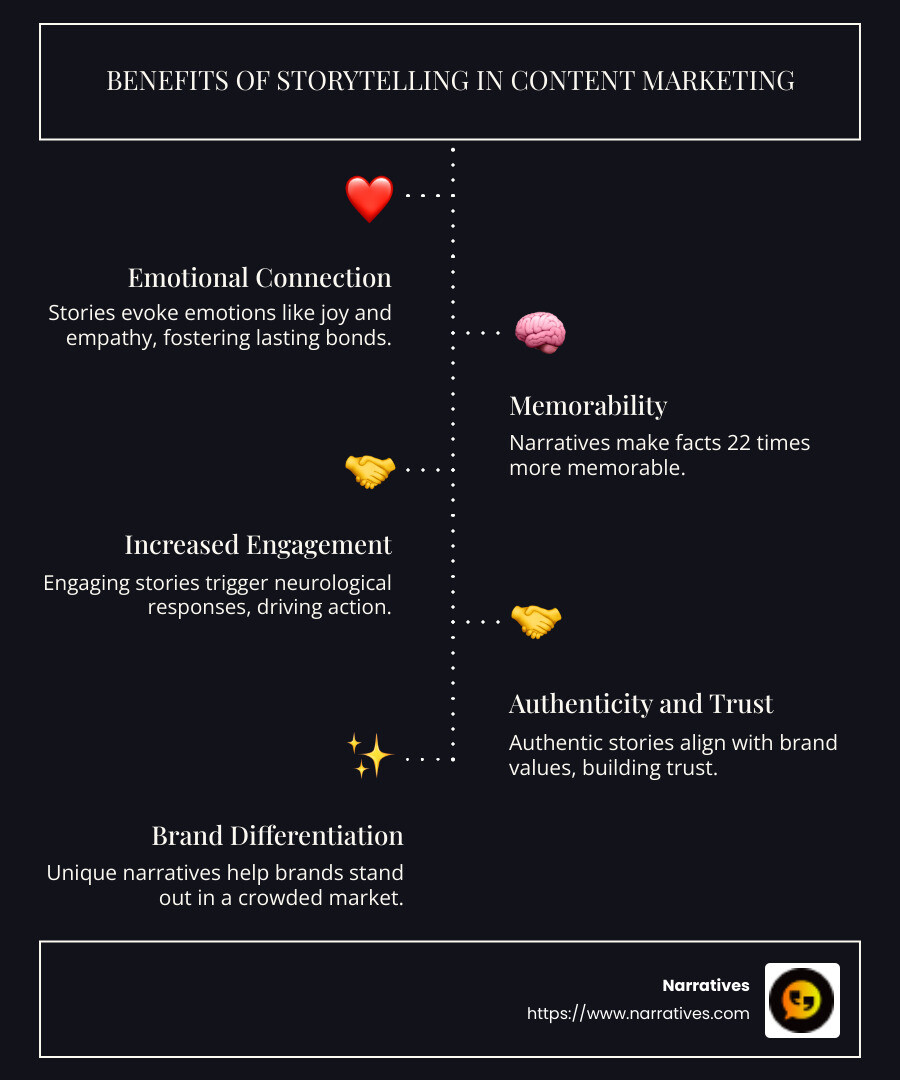
- Emotional Connection: Stories evoke emotions such as joy, empathy, or inspiration, which create lasting bonds with audiences.
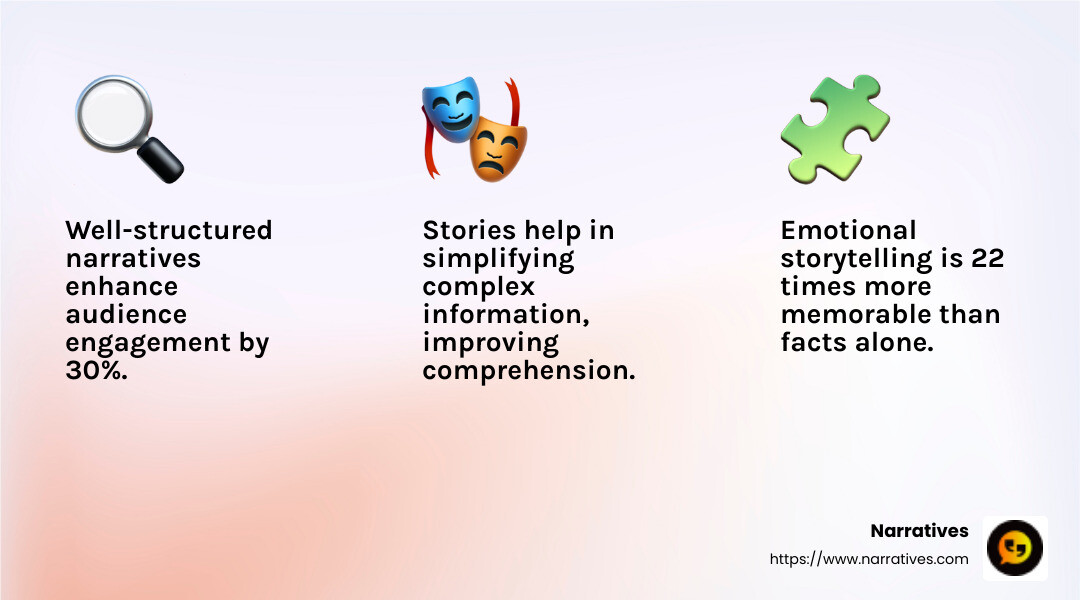
- Memorability: Facts told through stories are 22 times more likely to be remembered, according to psychologist Jerome Bruner.
- Increased Engagement: Engaging stories trigger neurological responses, like the release of Oxytocin, making people feel good and more likely to act, whether it's sharing content or supporting a cause.
- Authenticity and Trust: Well-crafted stories align with brand values, building trust and authenticity, which audiences appreciate.
Why does storytelling matter for marketing?
- It captures interest and engages the audience.
- It adds a human element, making brands relatable.
- It helps differentiate brands through unique narratives.
The Power of Storytelling in Content Marketing
Storytelling content marketing is a game-changer for brands seeking to stand out in a crowded marketplace. By weaving narratives into marketing strategies, brands can create emotional engagement, differentiate themselves, and connect with their audience on a personal level.
Emotional Engagement
Emotions drive decisions. When a story makes us feel something, we remember it. Think of the last time you cried during a movie or felt inspired by a real-life hero's journey. Stories that evoke emotions like joy, sadness, or hope can create powerful memories. This emotional engagement is what makes storytelling so effective in marketing.
- Hyundai's Super Bowl Ad: Hyundai captured hearts by connecting troops with their families during the game. This emotional tale resonated with viewers, making the ad memorable and impactful.

Brand Differentiation
When consumers are bombarded with countless brands, standing out is vital. Storytelling helps brands differentiate themselves by showcasing unique narratives that reflect their values and mission.
- Apple's 1984 Ad: By linking their product launch to George Orwell's dystopian novel, Apple didn't just introduce a computer; they told a story about challenging the status quo, making their brand unforgettable.
Audience Connection
Stories are a universal language. They build bridges between brands and consumers by tapping into shared experiences and values.
- Nike's Breaking2 Project: Nike's documentary about athletes attempting to break the two-hour marathon barrier wasn't just about shoes. It was a story of human perseverance, which connected with runners worldwide, reinforcing Nike’s brand as a champion of athletic achievement.
Why does it work?
- Relatability: Stories make brands human, relatable, and trustworthy.
- Engagement: A well-told story captures attention and keeps audiences engaged.
- Action: Emotional resonance can inspire audiences to take action, whether it's making a purchase or sharing content.
Storytelling in content marketing isn't just a tactic—it's a powerful tool that transforms how brands connect with their audiences. By focusing on emotional engagement, brand differentiation, and audience connection, storytelling can lift marketing efforts to new heights.
Why Storytelling Content Marketing Matters
Storytelling content marketing is more than just a buzzword; it's a strategic approach that can significantly improve brand awareness, foster customer loyalty, and ensure content memorability.
Brand Awareness
Stories stick. When brands tell compelling stories, they become more recognizable and memorable. Consider Coca-Cola's "Share a Coke" campaign, which replaced its iconic logo with popular names. This simple storytelling approach turned a product into a personal experience, boosting brand awareness worldwide.
- Why it works: Stories make brands memorable. When people hear a good story, they remember the brand behind it.
Customer Loyalty
Building loyalty goes beyond offering great products; it’s about creating connections. Storytelling enables brands to share their values and mission in a relatable way, fostering a deeper bond with customers.
Example: Nike's "Just Do It" campaign isn’t just about selling shoes. It’s about inspiring people to push their limits, creating a loyal following that resonates with the brand's ethos.
Why it works: Stories create emotional connections. When customers relate to a brand's story, they are more likely to stick around.
Content Memorability
In a sea of content, standing out is crucial. Storytelling makes content more engaging and memorable. By crafting narratives that resonate emotionally, brands can ensure their messages stay with the audience long after they've been delivered.
Example: Volvo's "Moments" ad didn't just list car features; it told a story of safety and dreams, making it memorable and impactful.
Why it works: Emotional stories are hard to forget. They leave a lasting impression, making the brand top-of-mind for consumers.
In summary, storytelling content marketing is essential for brands aiming to improve their presence, build lasting relationships, and create unforgettable content. By focusing on brand awareness, customer loyalty, and content memorability, storytelling can transform marketing strategies and create meaningful connections with audiences.
Techniques for Effective Storytelling
Crafting a compelling story isn't just about stringing words together. It's about creating a narrative that resonates emotionally and connects with your audience. Let's explore some key techniques to achieve this.
Narrative Structure
Every great story has a structure. Think of it as the backbone of your storytelling. A well-structured narrative guides your audience through a journey, making it easier for them to follow and engage with your content.
Key Elements of Narrative Structure:
- Beginning: Hook your audience with an intriguing start. This could be a surprising fact or a relatable situation.
- Middle: Build tension or conflict. This keeps the audience engaged and invested in the story.
- End: Provide resolution. A satisfying conclusion ties everything together, leaving the audience with a clear message.
Emotional Resonance
Emotions are the heart of storytelling. They make your narrative relatable and memorable. A story that evokes emotions like joy, surprise, or empathy can create a strong connection with your audience.
Tips for Emotional Resonance:
- Use Relatable Characters: Feature protagonists that your audience can identify with.
- Evoke Specific Emotions: Whether it's happiness, nostalgia, or inspiration, choose emotions that align with your brand message.
- Show, Don't Tell: Use vivid imagery and anecdotes to bring your story to life. This makes it more engaging and impactful.
Audience Relevance
Your story should speak directly to your audience's interests and needs. Knowing who your audience is and what they care about ensures your story hits the mark.
Strategies for Audience Relevance:
- Research Your Audience: Understand their demographics, preferences, and pain points.
- Tailor Your Message: Align your story with the values and interests of your audience.
- Be Authentic: Genuine stories resonate more. Avoid exaggeration and stay true to your brand's voice.
By focusing on narrative structure, emotional resonance, and audience relevance, you can create stories that captivate and connect with your audience. These techniques ensure your storytelling content marketing is not only effective but also memorable and impactful.
Storytelling Strategies for Non-Profits
Non-profits have a unique opportunity to harness the power of storytelling content marketing to create meaningful connections and drive change. By focusing on community impact, giving voice to underrepresented groups, and using multimedia content, non-profits can craft compelling narratives that resonate deeply with their audiences.
Community Impact
Non-profits thrive on making a difference, and storytelling is a powerful way to showcase their impact. Sharing real-life stories of individuals or communities that have benefited from your organization's work can inspire action and support.
Ways to Highlight Community Impact:
- Success Stories: Share testimonials from those directly affected by your initiatives. These personal accounts can be powerful motivators for potential donors and volunteers.
- Before and After Narratives: Illustrate the change your organization has facilitated. This could be through photos, videos, or written stories that highlight progress and change.
Underrepresented Voices
Giving a platform to underrepresented voices is not only crucial for authenticity but also enriches your storytelling. These narratives can bring fresh perspectives and foster empathy among your audience.
Strategies for Amplifying Underrepresented Voices:
- Personal Interviews: Conduct interviews with individuals whose stories are often overlooked. Share their experiences and insights to highlight diverse perspectives.
- Community Contributors: Encourage community members to share their stories in their own words. This can be done through blog posts, videos, or social media takeovers.
- Partnerships: Collaborate with organizations that represent underrepresented groups to ensure your stories are inclusive and accurate.
Multimedia Content
Incorporating multimedia elements can improve your storytelling, making it more engaging and accessible. Visuals, audio, and interactive content can bring stories to life in ways that text alone cannot.
Ideas for Using Multimedia in Storytelling:
- Video Documentaries: Create short films or documentaries that tell the story of your organization's mission and impact. These can be shared on social media or your website.
- Photo Essays: Use a series of photographs to narrate a story. This visual approach can be particularly effective in showcasing community projects or events.
- Podcasts: Launch a podcast series featuring stories from your community. This can be a great way to reach audiences who prefer audio content.
By focusing on community impact, underrepresented voices, and multimedia content, non-profits can create powerful storytelling strategies that not only engage their audience but also drive meaningful change.
Frequently Asked Questions about Storytelling Content Marketing
How does storytelling improve content marketing effectiveness?
Storytelling isn't just about weaving words together; it's about creating emotional connections. When you tell a story, you tap into emotions, making your content more relatable and memorable. This emotional engagement can significantly improve audience connection, encouraging them to interact with your content and share it with others.
Consider the Nike "Breaking2" project. This feature-length documentary followed athletes attempting to break the two-hour marathon barrier. It wasn't just about shoes; it was about dreams, challenges, and the human spirit. The story built a connection with viewers, making the Nike brand synonymous with achievement and perseverance.
Why is storytelling crucial in marketing?
Storytelling content marketing helps in brand differentiation. In a crowded market, stories make your brand stand out by highlighting unique values and missions. They humanize your brand, building trust with your audience. People are more likely to trust and engage with a brand that shares authentic stories.
Apple's iconic 1984 ad is a classic example. It wasn't just an ad for a new computer. It was a story that positioned Apple as a force against conformity, drawing parallels with George Orwell's novel. This narrative not only differentiated Apple from its competitors but also built a lasting emotional connection with its audience.
What are common mistakes in storytelling for content marketing?
One common pitfall is inauthenticity. Audiences are quick to spot when a story feels forced or disingenuous. Ensure your stories are genuine reflections of your brand and resonate with your audience's values.
Another mistake is a lack of focus. A story that tries to cover too many points can confuse rather than engage. Focus on a clear, simple narrative that aligns with your brand's message. Avoid overcomplicating the story, as simplicity often leads to greater impact.
By avoiding these common mistakes and focusing on creating authentic, emotionally engaging stories, your content marketing can become a powerful tool for building lasting connections with your audience.
Conclusion
Storytelling content marketing is more than just a buzzword—it's a powerful tool for creating meaningful connections and driving social impact. At Narratives, we understand the profound effect a well-crafted story can have, especially for non-profits and purpose-driven organizations.
Narratives and Social Impact
Narratives aren't just stories; they're vehicles for change. They highlight the voices that often go unheard, bringing attention to causes that matter. By focusing on underrepresented voices, we help organizations showcase their impact in a way that resonates deeply with audiences. This emotional resonance fosters trust and inspires action, crucial elements for any non-profit aiming to make a real-world difference.
Storytelling as a Long-Term Investment
Storytelling content marketing isn't a one-off strategy. It's a long-term investment that pays dividends in brand awareness and audience loyalty. By consistently sharing authentic stories, organizations can build a robust narrative that evolves over time, keeping audiences engaged and invested in their mission.
Consider the success of campaigns like Dove's "Real Beauty" or Airbnb's "Don't Go There, Live There." These stories weren't just marketing tactics; they were long-term commitments to authenticity and community connection. They created lasting impressions and built strong brand identities that continue to thrive.
Your Story, Our Expertise
At Narratives, we specialize in crafting stories that lift your brand and amplify your impact. We believe in the power of storytelling to drive change and build lasting connections. Whether you're a non-profit looking to share your mission or a purpose-driven organization aiming to highlight your community impact, we're here to help you tell your story in a way that inspires and engages.
Ready to craft your brand's tale? Find how Narratives can be your digital storytelling partner and help you make a lasting impact. Learn more about our services.
By embracing the art of storytelling, you're not just marketing—you're creating a legacy that will resonate for years to come.


.avif)