From Words to Wonders: Elevate Your Marketing with Storytelling

Storytelling content strategy is more than just a buzzword for marketers striving to make their message stick. It’s an age-old method to forge emotional connections and drive impactful engagement. When it comes to marketing, particularly for non-profits and advocacy groups, storytelling content strategy emerges as a powerful tool, helping them convey missions and inspire action.
Here's the crux:
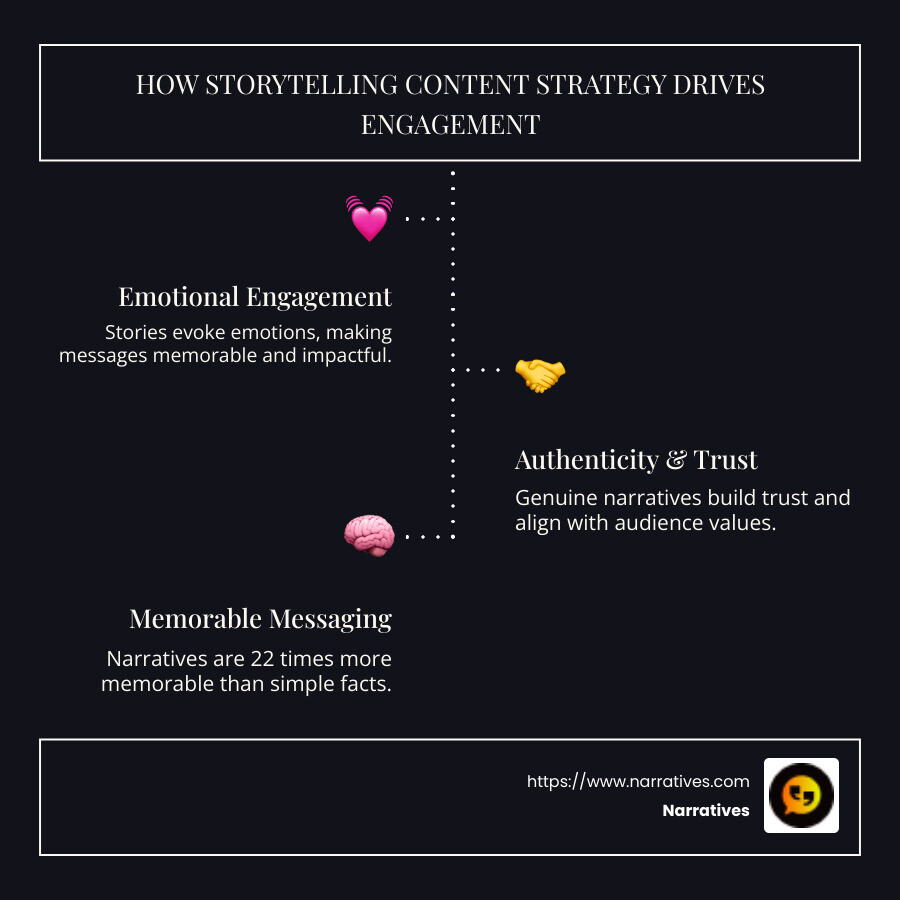
- Emotional engagement: Stories evoke emotions, which are memorable and help your message resonate.
- Authenticity and trust: A genuine narrative builds trust and aligns with the values of your audience.
- Memorable messaging: Stories are 22 times more memorable than facts alone.
- Connection: They bridge the gap between your mission and your audience's actions.
Storytelling has been seamlessly woven into our cultural fabric since ancient times. It's not just about selling a product; it's about creating a connection, fostering emotional experiences, and ultimately, driving influence. For organizations like non-profits, this translates into higher community engagement, more profound trust, and measurable growth in awareness and support.
An example from recent marketing successes includes Apple's 'Detour' film, which showcased a tricycle's journey through innovative use of iPhone technology while telling a heartwarming story. Or consider Fairmont's immersive VR experience, retelling John Lennon and Yoko Ono's bed-in for peace. These stories captivate and connect, illustrating storytelling's best power in marketing.
Understanding and implementing storytelling content strategy effectively leads to not just brand recognition, but to brand loyalty—something that numbers alone can’t buy.
The Power of Storytelling Content Strategy
Storytelling content strategy is a game-changer in marketing. It's not just about facts and figures; it's about creating narratives that resonate emotionally with your audience. This connection is what turns casual viewers into loyal customers.
Emotional Resonance
At the heart of any great story is emotion. When people feel something, they remember it. Research shows that stories are 22 times more memorable than facts alone. This is because stories tap into our emotions, making them stick in our minds. Whether it's joy, sadness, or excitement, the emotional pull of a story can make your brand unforgettable.
Building Brand Loyalty
When a brand tells a story that aligns with its values and mission, it builds trust. This authenticity is crucial for fostering brand loyalty. Consumers today are savvy; they can spot insincerity from a mile away. But when a brand consistently tells genuine stories that resonate with its audience, it creates a loyal following.
Consider the example of Apple's marketing campaigns. They don't just sell products; they sell a lifestyle. Apple's 'Detour' film is a perfect example. It tells the story of a tricycle's journey, showcasing the innovative use of iPhone technology. It's not just about the product; it's about the experience and the story behind it.
The Impact
For non-profits and advocacy groups, storytelling is even more powerful. It helps convey missions and inspire action. By telling stories that highlight their impact, these organizations can engage their communities, build trust, and drive support. When people see the real-world effects of their contributions, they're more likely to get involved.
In conclusion, a well-crafted storytelling content strategy can lift your marketing efforts. It's about connecting with your audience on a deeper level, fostering emotional engagement, and building lasting brand loyalty. Whether you're a for-profit company or a non-profit organization, storytelling is your key to making a meaningful impact.
Key Elements of a Successful Storytelling Content Strategy
Creating a successful storytelling content strategy involves more than just telling a story. It requires a deliberate approach to crafting narratives that captivate and engage your audience. Let's break down the essential elements:
Narrative Structure
A compelling story needs structure. Think of it as a roadmap for your audience. This includes a beginning that sets the stage, a middle that introduces conflict or challenges, and an end that resolves these issues.
Consider Coca-Cola's use of brand journalism. Their digital magazine doesn't just talk about products; it tells stories about the people and experiences behind the brand. This approach creates a narrative arc that keeps readers engaged from start to finish.
Emotional Engagement
Emotion is the glue that makes stories stick. When your audience feels something, they're more likely to remember your message. Stories that evoke emotions like joy, surprise, or empathy resonate deeply and foster a connection.
Hyundai's 2017 Super Bowl ad is a prime example. By focusing on the emotional reunion of troops and their families, the ad created a memorable experience that went beyond promoting a car. It touched hearts and left a lasting impression.

Brand Values
Your brand values should be at the core of your storytelling. They guide the narrative and ensure consistency across all content. Authentic stories that reflect your brand's mission and values build trust and loyalty.
Warby Parker's video, "How Warby Parker Glasses Are Made," showcases their commitment to quality and social responsibility. By sharing their process and the impact of their charity work, they align their storytelling with their brand values, creating a genuine connection with their audience.
In summary, a successful storytelling content strategy relies on a clear narrative structure, emotional engagement, and alignment with brand values. These elements work together to create stories that not only captivate but also resonate deeply with your audience, fostering long-term loyalty and impact.

How to Implement Storytelling in Content Marketing
Incorporating storytelling into your content marketing strategy can lift your brand and create meaningful connections with your audience. Let's explore some practical ways to do this.
Brand Storytelling
Brand storytelling is about more than just sharing your company's history or mission. It's about creating a narrative that resonates with your audience on a personal level. This means crafting stories that reflect your brand's values and vision while addressing the needs and desires of your audience.
For instance, Toms Shoes uses its "One for One" story to connect with consumers emotionally. This narrative not only highlights their commitment to social good but also inspires empathy and action.
Customer Testimonials
Customer testimonials are powerful storytelling tools. They provide real-world examples of how your product or service has impacted lives. These stories build trust and credibility because they come from the voices of satisfied customers.
Take Lume, a deodorant company, as an example. They shared the story of a little girl with a rare disorder, illustrating how their product transformed her life. This testimonial not only showcased the product's effectiveness but also created an emotional connection with potential customers.
Multimedia Content
Storytelling isn't limited to just words. Multimedia content—like videos, podcasts, and interactive graphics—can improve your storytelling efforts by engaging multiple senses.
Consider Lego's strategy. They launched a magazine featuring comics and games, encouraging children to share their creations. This approach not only told a story but also invited kids to participate, creating a dynamic and interactive experience.
By weaving brand storytelling, customer testimonials, and multimedia content into your strategy, you can create compelling narratives that engage your audience and lift your marketing efforts. These elements work together to transform your content from mere words into wonders, leaving a lasting impact on your audience.
Top Examples of Storytelling in Marketing
Successful storytelling in marketing isn't just about sharing information; it's about creating connections and leaving a lasting impression. Let's explore some standout examples of brands that have mastered this art.
Coca-Cola's Journalistic Approach
Coca-Cola's shift to journalistic storytelling is a prime example of innovative storytelling. By changing its website into a digital magazine, Coca-Cola connects with audiences on a deeper level. Doug Musk, the global group director of digital communications and social media, describes his team as "a global network of brand journalists." This approach has expanded Coca-Cola's brand platforms significantly, allowing them to tell the stories behind the brand's people and priorities. This method has not only increased consumer engagement but also strengthened the brand's global presence.
Lego's Imaginative Universe
Lego takes storytelling to another level by immersing its audience in an imaginative universe. Their magazine for children includes comics and games that showcase user-generated Lego creations. Furthermore, The Lego Movie was a brilliant extension of their storytelling strategy. It engaged not only children but also captivated a broader audience by weaving a narrative that revolved around creativity and play, all centered on their iconic product.
Hyundai's Emotional Connection
Hyundai's 2017 Super Bowl ad is a textbook example of creating an emotional connection. Instead of focusing on their cars, Hyundai brought families together by enabling troops to "watch" the game with their loved ones virtually. This ad was more about the emotional experience than the product, demonstrating how storytelling can make a brand memorable by tapping into viewers' emotions.
Warby Parker's Cultural Insight
Warby Parker showcases its company culture and values through storytelling. In their video, "How Warby Parker Glasses Are Made," they not only highlight the product's craftsmanship but also their mission of social good—donating a pair of glasses for every pair sold. This narrative not only informs but also builds a sense of community and trust with the audience by sharing the brand's values and impact.
These examples illustrate how successful campaigns use innovative storytelling to create impactful narratives. By focusing on emotional engagement and authenticity, these brands have not only captured attention but also fostered lasting relationships with their audiences.
Frequently Asked Questions about Storytelling Content Strategy
How does storytelling improve content marketing?
Storytelling transforms ordinary content into engaging narratives that connect with audiences on an emotional level. Research shows that people remember stories 22 times more than plain facts. By weaving stories into your content, you can create an emotional connection that draws people in and keeps them engaged.
For example, Hyundai's Super Bowl ad didn't just showcase cars; it created an emotional experience by reuniting families virtually. This kind of storytelling can make your brand memorable and foster deeper audience engagement.
What are the benefits of storytelling for non-profits?
For non-profits, storytelling is a powerful tool for trust-building and increasing visibility. By sharing authentic stories of the communities they serve, non-profits can inspire action and empathy. For instance, Lume's story about helping a young girl with a rare disorder showcases how their product made a real difference, building trust with their audience.
Storytelling also helps non-profits highlight their mission in a relatable way, making it easier for potential donors and volunteers to connect with their cause. By narrating the challenges and successes, non-profits can motivate people to support their mission.
How can storytelling be integrated into digital marketing?
Integrating storytelling into digital marketing involves using multimedia content and leveraging platforms like social media to share brand narratives. Here’s how you can do it:
Multimedia Content: Use videos, podcasts, and interactive graphics to tell your story. Visual and audio elements can make your narrative more compelling and accessible.
Social Media: Platforms like Instagram and TikTok are perfect for short, engaging stories. Share behind-the-scenes content, customer testimonials, and brand missions to connect with your audience.
Brand Narratives: Develop a consistent story across all marketing channels. Whether through blog posts or email campaigns, ensure your brand's voice and message are clear and cohesive.
By using these strategies, you can create a storytelling content strategy that not only captures attention but also builds meaningful relationships with your audience.
Conclusion
At Narratives, we believe in the transformative power of storytelling, especially for non-profits and purpose-driven organizations. Our mission is to lift underrepresented voices and amplify the impact stories that matter most. By crafting high-quality, emotionally resonant content, we help non-profits share their journeys in ways that inspire action, build trust, and increase visibility.
Non-profit partnerships are at the heart of what we do. These collaborations allow us to co-create narratives that highlight the real-world impact of social initiatives. Through storytelling, non-profits can showcase their missions, celebrate their successes, and communicate their challenges in a way that resonates deeply with their audience. This not only improves their visibility but also strengthens their ability to inspire change and mobilize support.
Our approach to storytelling is more than just sharing stories; it's about driving social impact. By focusing on authentic narratives, we aim to foster empathy and understanding, encouraging audiences to engage with and support social causes. Storytelling becomes a bridge that connects communities and drives meaningful change.
Partner with us at Narratives to lift your storytelling and amplify your impact. Find how we can help you share your story with the world by visiting our media partnership page. Let's work together to create a future where every story is heard and every voice matters.


.avif)