Narratives for Change: Understanding Storytelling Platforms in the Non-Profit Sector

Storytelling platform non-profits play a pivotal role in weaving narratives that connect deeply with audiences. These stories help articulate the mission, impact, and vision of organizations in a way that statistics and data alone cannot. Here's why storytelling is crucial for non-profit engagement:
- Emotional Connections: Stories create bonds between non-profits and their supporters, often spurring action and engagement.
- Increased Awareness: By sharing compelling narratives, non-profits can raise awareness of their causes, reaching broader audiences.
- Donor and Volunteer Motivation: An emotionally resonant story can motivate people to donate or volunteer.
- Simplifying Complex Issues: Stories break down complex issues, making them relatable and understandable.
In today's digital landscape, non-profits must leverage storytelling platforms to captivate and maintain the interest of their audience. Techniques such as digital storytelling with interactive content can significantly amplify a non-profit's reach and impact.
As David Aaker from McKinsey noted, authentic and compelling stories are much more memorable than simple anecdotes and can serve as the glue that keeps communities connected and engaged.

The Power of Storytelling in Non-Profits
Storytelling is a game-changer for non-profits. It builds emotional connections that are essential for engaging donors and inspiring volunteers. Let's explore how storytelling can transform non-profits.
Emotional Connection
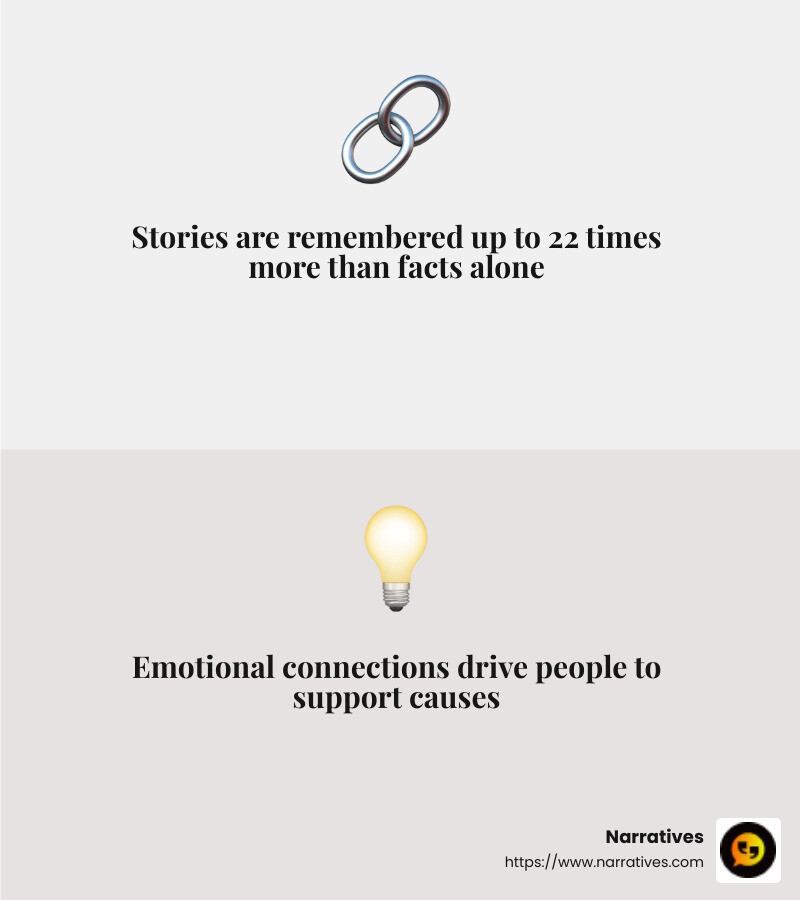
Stories touch hearts. They create a bond between the audience and the cause. According to research from the Stanford Graduate School of Business, stories are remembered up to 22 times more than facts alone. This is because stories tap into our emotions, making us feel connected and invested in a cause.
When non-profits share stories of real people and real struggles, they humanize their mission. This emotional connection is what drives people to support a cause, not just with words but with action.
Donor Engagement
Donors are more likely to give when they feel a personal connection to the cause. Stories can make this happen. For instance, charity: water uses personal narratives and visuals to highlight the urgency of clean water access. By seeing the impact of their donations, donors feel valued and appreciated, which increases their willingness to give.
Moreover, transparency in storytelling improves trust. Donors want to see how their contributions are making a difference. Sharing stories that show the journey from donation to impact can solidify this trust and encourage continued support.
Volunteer Inspiration
Volunteers are the backbone of many non-profits. To inspire them, storytelling is key. Habitat for Humanity's annual reports, for example, focus on stories of individuals who have benefited from their programs. This approach not only highlights the impact of volunteer work but also motivates others to get involved.
When volunteers see the difference they can make, they are more likely to commit their time and energy. Stories of change and hope inspire them to become advocates, spreading the word and drawing more people to the cause.
In summary, storytelling is not just a tool; it's a bridge that connects non-profits with their supporters on a deeper level. It's about creating narratives that resonate, inspire, and drive action. Non-profits must continue to harness the power of storytelling to engage, motivate, and inspire change.
Storytelling Platform Non-Profits: Key Features
Storytelling platforms are essential for non-profits. They enable organizations to craft compelling narratives that resonate deeply with their audience. Let's explore the key features that make these platforms invaluable.
Video Content
Video content is a powerful tool in the storytelling arsenal. It combines visuals, sound, and narrative to create an immersive experience. Non-profits like charity: water leverage videos to highlight the impact of their work, showing real-life changes. Videos can convey emotions more effectively than text alone, making them an excellent medium for engaging both donors and volunteers.
A well-produced video can capture attention quickly and hold it. This is crucial in a digital age where attention spans are short. Videos can be shared across platforms, increasing visibility and reach. They allow non-profits to tell stories in a dynamic way that resonates with diverse audiences.
Multimedia Storytelling
Multimedia storytelling takes engagement to the next level. It integrates various forms of media, such as text, images, video, and audio, to create a rich narrative experience. Platforms like Shorthand enable non-profits to craft stunning, interactive web content without the need for coding skills.
For example, Enabel's impact report uses embedded interactives and data visualization to showcase their achievements. This approach not only informs but also captivates the audience, making the information memorable. By combining different media, non-profits can present complex stories in a way that is accessible and engaging.
Emotional Resonance
At the heart of effective storytelling is emotional resonance. This is what makes stories memorable and impactful. Emotional stories connect with audiences on a personal level, encouraging them to take action. According to the Rockefeller Foundation, storytelling can inspire and engage people to contribute ideas, energy, and resources to advance a cause.
Non-profits can create emotional resonance by focusing on human experiences. Sharing first-hand accounts and testimonials can make the audience feel as if they are part of the story. This connection is vital for building trust and loyalty among supporters.
In conclusion, storytelling platforms offer non-profits the tools to craft narratives that are not only informative but also emotionally compelling. By leveraging video content, multimedia storytelling, and emotional resonance, non-profits can create stories that inspire action and drive change.
Effective Storytelling Strategies for Non-Profits
When it comes to non-profit storytelling, focusing on human experiences is key. Real stories about real people make your cause relatable and compelling. For instance, sharing a personal journey of someone affected by your work can create a powerful emotional connection. People relate to people, not abstract ideas or statistics.
Visual Narratives
Visual narratives are a must in the digital age. They can transform a simple story into an engaging experience. Consider the approach taken by organizations like CAFOD, which used an illustrated first-person story that gradually transitioned into real photographs. This method not only captured attention but also emphasized the reality of the situation, making the narrative more impactful.
A picture is worth a thousand words. By leveraging images, infographics, and videos, non-profits can communicate complex ideas simply and effectively. This helps in breaking down barriers and making information accessible to a broader audience.
Community Impact
Highlighting community impact is another effective strategy. When donors and volunteers see the tangible results of their contributions, they feel more connected to the cause. Non-profits can showcase their impact through stories of change and change within communities they serve.
For example, charity: water uses photographs and videos to show the urgency of the water crisis and the difference their projects make. This not only informs but also motivates supporters to get involved and contribute.
By focusing on human experiences, utilizing visual narratives, and showcasing community impact, non-profits can craft compelling stories that resonate with their audience. These strategies not only engage and inspire but also drive action, helping to further the mission of the organization.
Tools and Techniques for Collecting Non-Profit Stories
Collecting stories is a fundamental part of storytelling platform non-profits. It helps in crafting narratives that connect with donors and volunteers. Here are some essential tools and techniques to streamline this process:
Story Calendar
A story calendar is an organizational tool that helps non-profits plan and track their storytelling efforts. Here's how to set up an effective story calendar:
- List Important Dates: Include key fundraising events, campaigns, and donor communications.
- Identify Story Needs: Determine the type and number of stories required for each event.
- Set Deadlines: Establish when the first draft should be ready.
Using a story calendar ensures that storytelling aligns with your non-profit's schedule, making the process more strategic and efficient.
Google Forms
Google Forms is a versatile tool for gathering stories. It's simple to set up and allows for easy story collection from staff and volunteers. Here's why it's effective:
- Accessibility: Anyone can fill out a Google Form, making it easy to collect stories from various contributors.
- Organization: Responses are automatically organized in a spreadsheet, simplifying data management.
- Promptness: You can include prompts in the form to guide contributors on the type of stories needed.
By using Google Forms, non-profits can overcome logistical challenges and ensure a steady flow of stories.
Evernote
Evernote is a powerful tool for storing and organizing collected stories. It offers several benefits:
- Centralization: Store stories, photos, and videos in one place for easy access.
- Tagging System: Use tags to categorize and search for stories, making retrieval quick and efficient.
- Collaboration: Share notes with team members to foster collaboration and idea exchange.
With Evernote, non-profits can build a comprehensive story library that supports their storytelling efforts.
These tools—story calendar, Google Forms, and Evernote—are invaluable for non-profits looking to improve their storytelling capabilities. They provide structure, ease of use, and collaboration, ensuring that stories are collected, organized, and ready for use in engaging narratives.
Frequently Asked Questions about Storytelling Platforms
How can storytelling platforms benefit non-profits?
Storytelling platforms offer non-profits a dynamic way to connect with their audience. By using multimedia storytelling, these platforms help create powerful emotional connections. They allow non-profits to share video content, images, and text in an engaging way that resonates with viewers.
Key benefits include:
- Improved Engagement: Visual and interactive content captures attention more effectively than plain text.
- Broader Reach: Platforms often integrate with social media, amplifying your message.
- Impact Measurement: Built-in analytics tools help track engagement and refine strategies.
By leveraging these platforms, non-profits can tell their stories more vividly, reaching more people and inspiring action.
What are the best practices for non-profit storytelling?
Effective storytelling for non-profits involves a few key strategies:
Focus on Human Experiences: Share real stories of individuals impacted by your work. This creates an emotional connection that motivates action.
Use Visual Narratives: Incorporate images and videos to make stories more compelling. Visuals help convey emotions and make the story memorable.
Highlight Community Impact: Show how your organization makes a difference. This builds trust and encourages support from donors and volunteers.
The goal is to engage your audience emotionally and inspire them to support your cause.
How do storytelling platforms improve donor engagement?
Storytelling platforms improve donor engagement by creating immersive experiences. They allow donors to see and feel the impact of their contributions through integrated audio and video.
Benefits include:
- Increased Transparency: Donors can see exactly where their money goes and the difference it makes.
- Stronger Emotional Connection: Stories that highlight personal journeys and successes resonate deeply with donors.
- Higher Engagement Rates: Platforms like Shorthand report measurable outcomes such as fewer bounces and better click-through rates.
By using storytelling platforms, non-profits can build stronger relationships with donors, leading to increased support and loyalty.
Conclusion
At Narratives, we believe in the transformative power of community-driven storytelling. By partnering with non-profits, we aim to lift underrepresented voices and showcase the real impact of their work. Through high-quality, emotionally resonant video and multimedia content, we help organizations share their stories in ways that inspire action and build trust.
Community-driven storytelling is not just about sharing facts; it's about connecting people to a cause on a personal level. When stories highlight the human experiences behind the mission, they resonate more deeply. This approach fosters genuine connections and encourages communities to rally together for social change.
The social impact of effective storytelling is profound. By illustrating the tangible benefits of a non-profit's work, stories can drive donations, inspire volunteerism, and increase visibility. They empower audiences to see the difference their support makes, motivating them to become active participants in the change.
Narratives is committed to being the go-to partner for non-profits looking to harness the power of storytelling. We focus on creating content that not only informs but also moves people to act. By doing so, we help organizations achieve their goals and make a lasting impact in their communities.
When attention is fleeting, the right story can stand out and make a difference. We invite non-profits to join us in using storytelling to create a better, more connected world. Together, we can turn stories into action and drive meaningful social change.

.avif)