Unleash the Power of Video: Storytelling Strategies Explained

Video storytelling strategies are a game-changer for non-profits and socially-driven organizations looking to connect with their audience on a deeper level. By crafting a compelling narrative, these strategies can turn a basic marketing tool into an emotional bridge between your cause and those who want to support it.
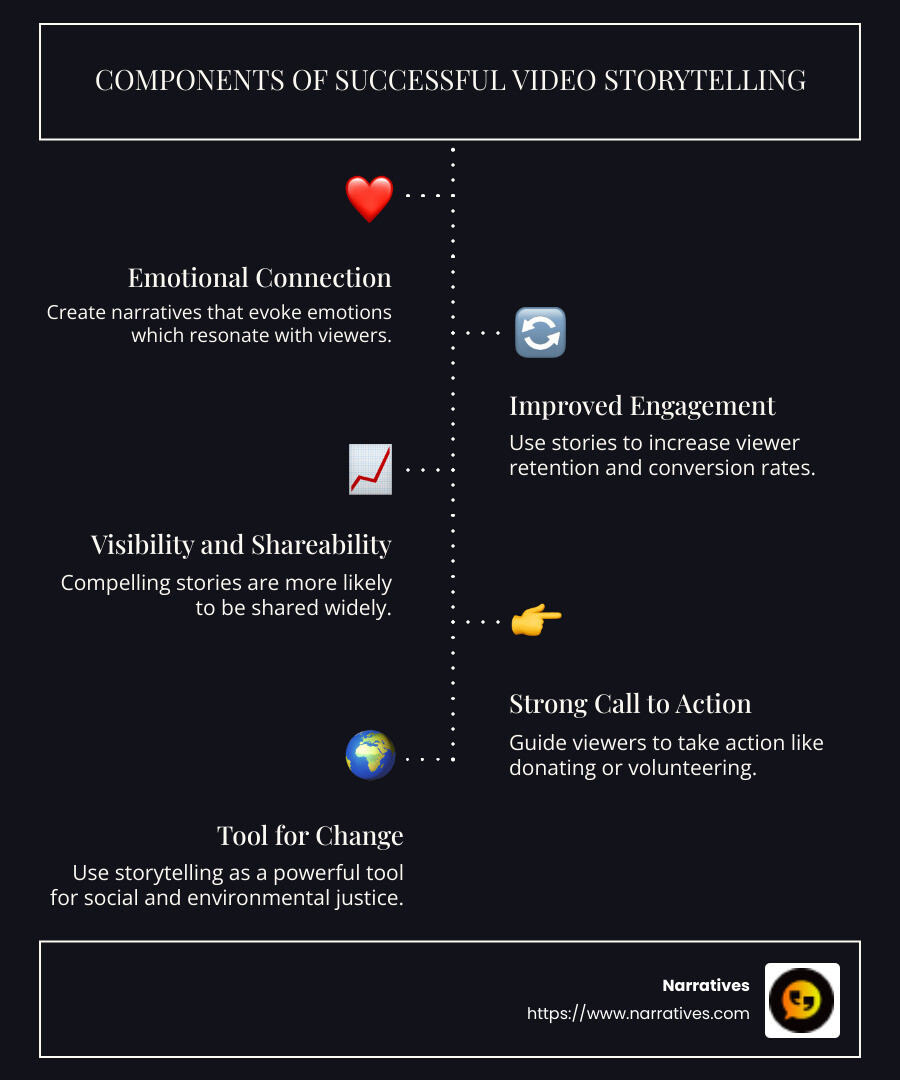
Here's a quick breakdown of why video storytelling works:
- Emotional Connection: Videos with strong narratives evoke emotions that resonate with viewers, making your message memorable.
- Improved Engagement: Stories engage viewers more than traditional ads, increasing viewer retention and conversion rates.
- Visibility and Shareability: Compelling stories are more likely to be shared, spreading your message further and wider.
- Strong Call to Action: A well-told story leads viewers naturally to take action, whether it’s donating, volunteering, or sharing your cause.
These elements transform video storytelling from just another marketing technique into a powerful tool for change, especially for those dedicated to social and environmental justice.
Understanding Video Storytelling Strategies
In digital content, video storytelling strategies are pivotal for capturing and holding your audience's attention. Let's dig into the key elements and techniques that make video storytelling an effective tool for engagement and emotional connection.
Key Elements of Video Storytelling
At the heart of every great story are several fundamental components. These elements work together to create a narrative that resonates with viewers:
Plot: This is the backbone of your story. A well-structured plot with a clear beginning, middle, and end guides the audience through your narrative journey. Think of it as the roadmap that keeps your story on track.
Purpose: Every story needs a reason to be told. Whether it's to inspire, educate, or entertain, defining the purpose of your video ensures that your message is clear and impactful.
Characters: Even in short videos, characters play a crucial role. They can be real people, animated figures, or even brand mascots. Characters help personalize the story, making it relatable and engaging for the audience.
Setting: The setting provides context and adds depth to your story. It can be a physical location or a more abstract environment that supports the narrative.
Audience: Understanding your audience is key. Tailor your story to their interests, needs, and emotional triggers to maximize engagement.
Techniques for Effective Storytelling
Once you've nailed down the key elements, it's time to bring your story to life using effective techniques:
Show, Don't Tell: This classic storytelling advice emphasizes the power of visuals. Instead of explaining everything through dialogue or text, use images and actions to convey emotions and plot points. This approach makes the story more immersive and engaging.
Visual Appeal: The visual aspect of your video is crucial. Use high-quality graphics, compelling imagery, and engaging animations to capture attention. First impressions matter!
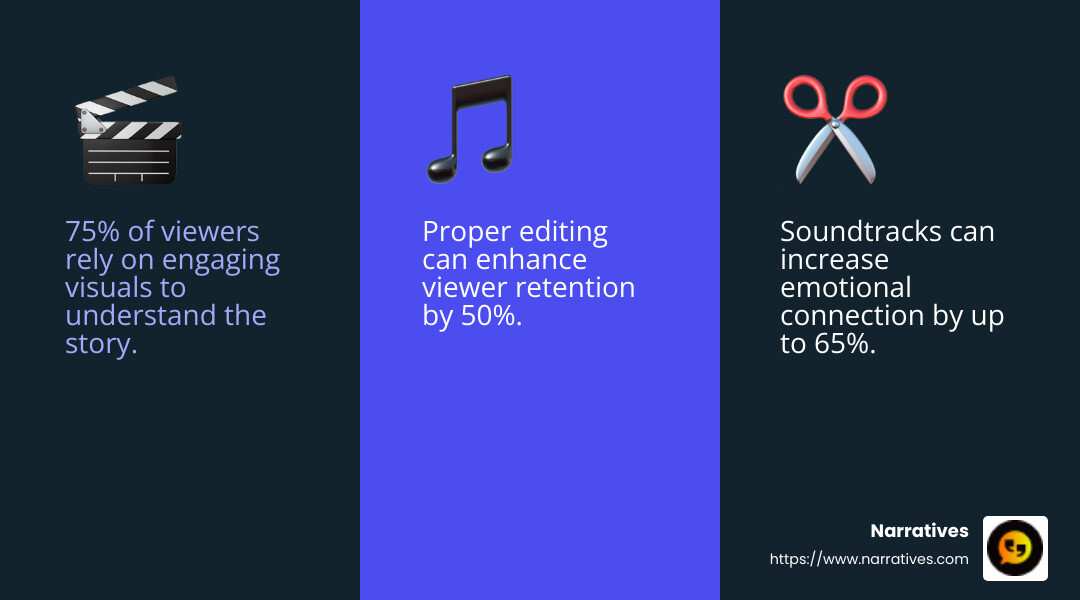
Music and Sound: Sound can evoke emotions and set the mood for your story. Choose a soundtrack that complements the visuals and improves the narrative. But beware of overwhelming your audience with too much sound; sometimes, less is more.
Editing: Editing is where your video comes together. It allows you to refine your message, control the pace, and ensure a seamless flow. Smooth transitions, strategic cuts, and well-timed effects can make a world of difference.
By focusing on these elements and techniques, you can craft video stories that not only capture attention but also leave a lasting impact. As you explore these strategies, the goal is to create a narrative that resonates emotionally with your audience, compelling them to engage with your message.
Video Storytelling Strategies for Non-Profits
Crafting compelling video storytelling strategies is essential for non-profits seeking to make a real impact. These strategies focus on creating narratives that resonate deeply with audiences and drive social change.
Crafting Purpose-Driven Narratives
Impact Stories are at the heart of non-profit video storytelling. They highlight the real-world effects of an organization's work, showcasing how lives are changed for the better. These stories are not just about the organization but about the people and communities they serve.
A community-driven approach is vital. By centering stories around the people directly impacted, non-profits can amplify underrepresented voices. This not only builds empathy but also fosters a sense of connection and relevance.
To achieve social impact, videos should focus on emotional resonance. This means tapping into feelings that inspire viewers to care and take action. Whether it's hope, empathy, or urgency, emotions are powerful motivators.
Trust-building is another crucial aspect. Authentic stories that are transparent about challenges and successes help build credibility. When audiences see genuine efforts and results, they're more likely to support the cause.
Distribution and Promotion
Once your narrative is crafted, effective distribution is key. Leveraging various video channels ensures your message reaches a broad audience. Platforms like YouTube offer flexibility for longer content, while social media channels like Instagram and Facebook are perfect for shorter, engaging clips.
Social media is a powerful tool for audience targeting. By understanding who your audience is and where they spend their time online, you can tailor your video content to meet them where they are. Use analytics to refine your strategy and ensure your videos are seen by those most likely to engage.
In summary, non-profits can harness the power of video storytelling by focusing on impact, community, and emotion. With the right distribution strategies, these stories can reach and inspire a wide audience, driving meaningful change.
Top Video Storytelling Techniques
When it comes to creating compelling video content, the magic often lies in how you craft your characters and use music and sound to evoke emotions. Let's explore these top video storytelling techniques that can lift your content.
Creating Relatable Characters
Animation and live-action are two popular methods to bring characters to life. Animation offers limitless possibilities, allowing for creative expressions that might be hard to achieve with live-action. Whether it's 2D, 3D, or a blend of both, animation can make characters more vibrant and engaging.
In contrast, live-action brings a sense of realism and authenticity. It allows viewers to see real people in real situations, making it easier to connect emotionally. This is especially powerful when depicting protagonists facing relatable challenges.
Special effects can improve both animated and live-action videos. They add a layer of excitement and can help illustrate complex ideas in a visually appealing way.
To ensure your characters resonate with the audience, focus on making them relatable. Characters should reflect the audience's own experiences or aspirations, fostering a strong emotional connection. This connection is pivotal for emotional engagement and can drive viewers to care about the story being told.
Using Music and Sound
Music and sound are the unsung heroes of video storytelling. They set the tone and can significantly impact the audience's emotional response.
A well-chosen soundtrack can evoke a range of emotions, from joy to sadness, and everything in between. Music acts as an emotional trigger, enhancing the narrative and helping to convey the intended mood.
Mood setting is crucial. An upbeat track can inject energy and positivity, while a slower, more melancholic tune can add depth and introspection. The key is to match the music with the story and the emotions you want to evoke.
Sound effects also play a vital role. They can add realism to live-action scenes or make animations more immersive. Whether it's the rustle of leaves or the sound of a heartbeat, these auditory details can make a story more vivid and engaging.
Incorporating these elements thoughtfully can transform a simple video into a powerful storytelling tool. By focusing on characters and the strategic use of music and sound, you can create videos that not only capture attention but also leave a lasting impression.
Frequently Asked Questions about Video Storytelling Strategies
How do I choose the right video format?
Choosing the right video format is crucial for effective storytelling. The format should align with your story's plot, purpose, and audience.
- Animation is excellent for creative storytelling. It allows for endless possibilities in visual expression, making it ideal for explaining complex ideas in an engaging way.
- Live-action suits stories that require authenticity and real-world scenarios. It helps viewers connect emotionally with real people and situations.
- Special effects can improve both formats, adding excitement and helping illustrate intricate concepts.
Consider your audience's preferences and the message you want to convey. For instance, younger audiences might resonate more with animated content, while a professional audience might prefer live-action.
What are the best platforms for video storytelling?
The platform you choose can greatly impact your video's reach and engagement. Here are some top platforms:
- YouTube: Ideal for longer videos and building a subscriber base. It offers flexibility in video length and a vast audience.
- Social Media: Platforms like Instagram, Facebook, and TikTok are perfect for short, snappy content. They thrive on visually engaging stories and can quickly reach a broad audience.
- Your Website: Hosting videos on your site can improve visitor engagement and keep the audience on your page longer. It's great for in-depth stories that align with your brand.
Each platform has unique characteristics, so tailor your content to fit the platform's format and audience behavior.
How can video storytelling increase engagement?
Video storytelling is a powerful tool for increasing engagement because it taps into the human love for stories and emotions.
Emotional Connection: By crafting narratives that resonate emotionally, you can capture and hold your audience's attention. Stories that evoke emotions like happiness, sadness, or inspiration are more likely to be shared and remembered.
Visual Appeal: Using dynamic visuals and engaging characters can make your story more compelling. This keeps viewers interested and encourages them to watch until the end.
Call to Action (CTA): A clear CTA guides your audience on what to do next, whether it's visiting your website, subscribing, or sharing your content. This can turn passive viewers into active participants.
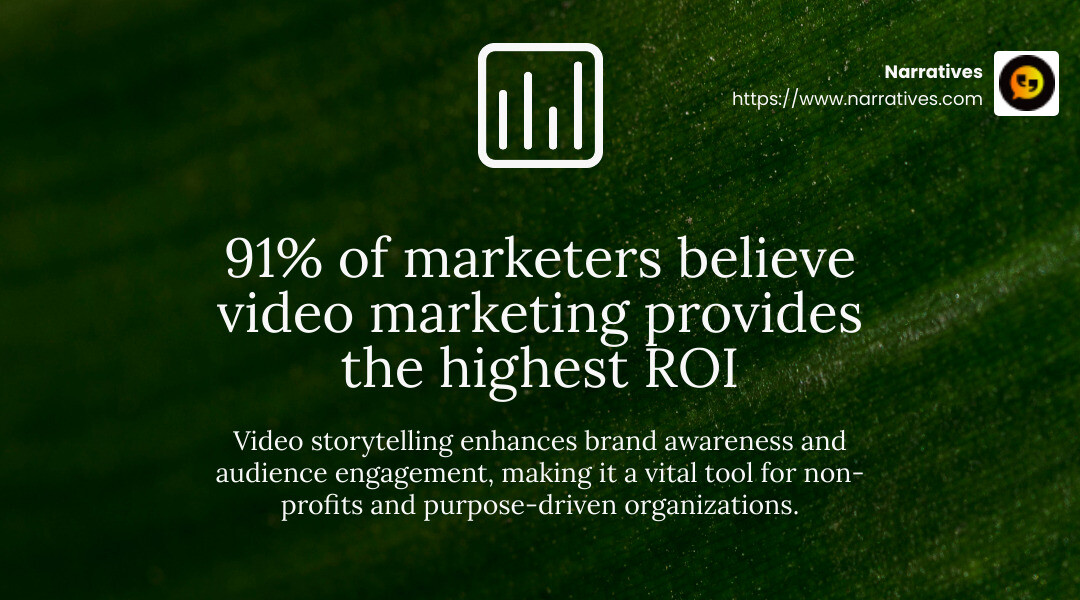
According to research, 91% of marketers believe video marketing provides the highest return on investment, highlighting its effectiveness in boosting engagement and brand recognition. 
By leveraging these strategies, you can create videos that not only captivate but also connect with your audience on a deeper level, driving engagement and achieving your marketing goals.
Conclusion
As we wrap up our exploration of video storytelling strategies, it's clear that the art of storytelling is more than just a marketing tool—it's a bridge to deeper human connections. At Narratives, we believe in the power of digital storytelling to lift underrepresented voices and drive meaningful change.
Our focus on non-profit partnerships reflects our commitment to amplifying stories that matter. By crafting emotionally resonant content, we help organizations build trust and inspire action. These stories are not just tales; they are catalysts for social impact.
Brand awareness is a natural byproduct of compelling storytelling. When audiences engage with a narrative that resonates emotionally, they are more likely to remember and associate it with the brand. This connection is vital for non-profits and purpose-driven organizations aiming to increase visibility and support.
In conclusion, the synergy of Narratives and video storytelling empowers non-profits to share their impact in a way that is both authentic and effective. By embracing the elements of plot, character, and emotional engagement, we transform stories into powerful tools for building a better world.
Let us continue to harness the power of storytelling to lift voices and inspire action, one video at a time.

.avif)