Digital Storytelling at Its Best: Must-See Examples

Best digital storytelling captures our imagination, informs, and connects us with narratives that matter. Telling a story isn't just about words; it's a multimedia experience that pulls audiences in and makes them feel, think, and act.
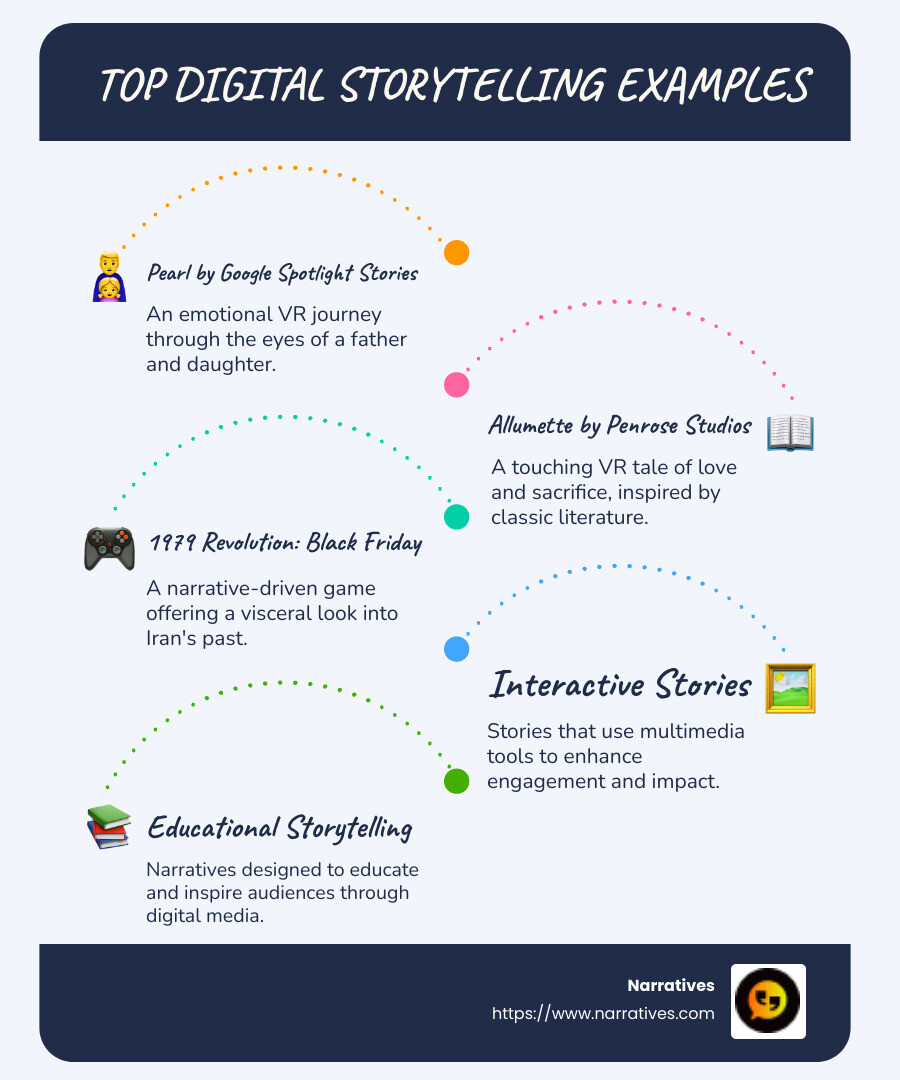
To cut straight to the chase, here are some prime examples of digital storytelling that have set the bar high:
- Pearl by Google Spotlight Stories: An emotional VR journey through the eyes of a father and daughter.
- Allumette by Penrose Studios: A touching VR tale of love and sacrifice, inspired by classic literature.
- 1979 Revolution: Black Friday: A narrative-driven game offering a visceral look into Iran's past.
As we explore these stories and others, you'll gain insights into how to craft your own impactful digital tales.
Incorporating multimedia content into storytelling isn't just a trend. It's a necessity for those who aim to engage, educate, and inspire. Whether you're a non-profit leader or part of an advocacy group, learning from these stellar examples can help lift your storytelling game and push your mission forward.
Stay tuned as we dig into the magic behind these digital stories, and uncover how you can achieve similar success.
Simple best digital storytelling glossary:
- digital storytelling guide for educators
- interactive digital storytelling tools
- online storytelling platform
The Essence of Digital Storytelling
Digital storytelling is about weaving narratives that captivate audiences through a blend of narrative techniques and multimedia tools. It's not just about telling a story; it's about creating an immersive experience that resonates on multiple levels.
Narrative Techniques
At the heart of effective digital storytelling are the narrative techniques that draw in audiences. These techniques include:
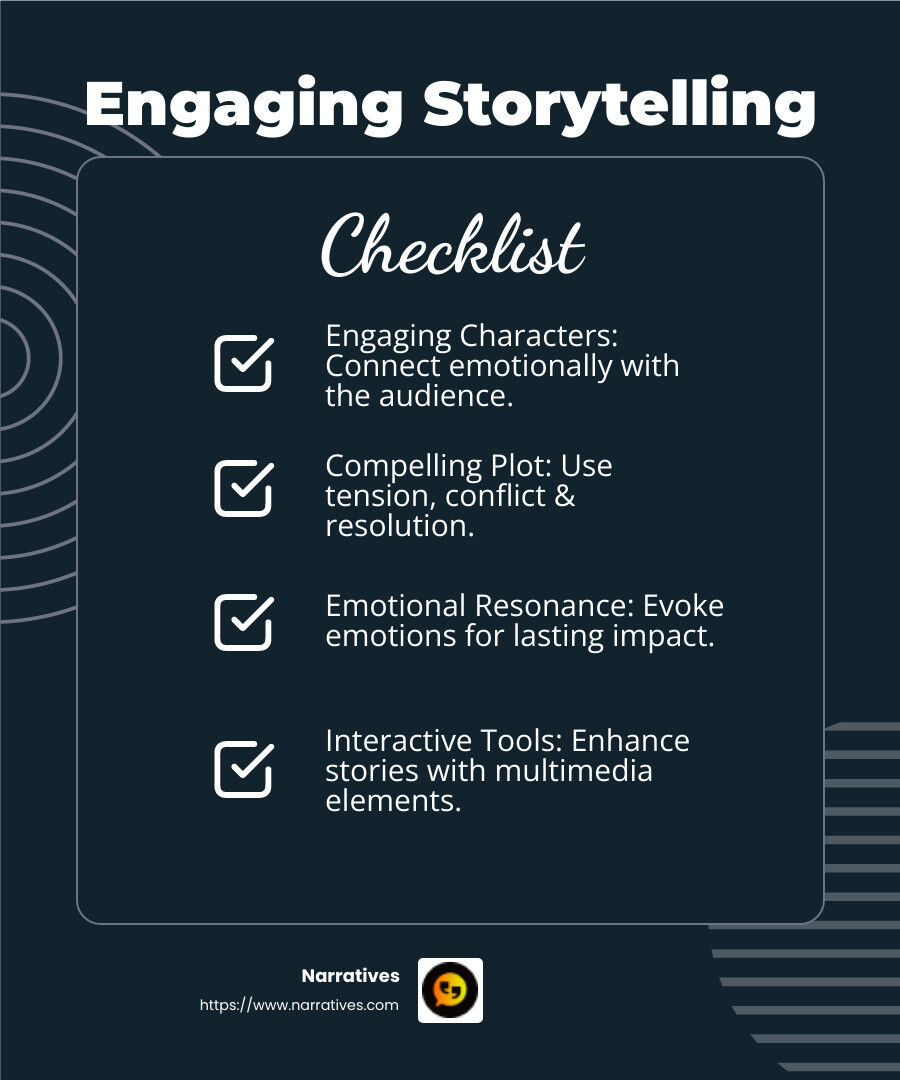
Engaging Characters: Characters that audiences can relate to or empathize with are crucial. They drive the story forward and provide a human element that connects emotionally.
Compelling Plot: A strong plot that includes a clear beginning, middle, and end keeps the audience engaged. It should have tension, conflict, and resolution to maintain interest.
Emotional Resonance: Stories that evoke emotions tend to be more memorable. Whether it's joy, sadness, or surprise, the emotional journey is what leaves a lasting impact.
Multimedia Tools
The use of multimedia tools transforms traditional storytelling into a dynamic experience. Here are some tools that can improve your digital storytelling:
Video and Audio: These elements add depth and realism. A well-placed sound effect or a striking visual can make a story come alive.
Interactive Elements: Tools like StoryMap JS and Timeline JS allow audiences to engage with the story in a more personal way, exploring content at their own pace.
Visual Design: Platforms like Canva and Adobe Spark offer templates and design tools that make stories visually appealing, ensuring they capture and hold attention.
Audience Engagement
The ultimate goal of digital storytelling is to engage the audience. Here are some ways to achieve this:
Interactivity: Allowing the audience to interact with the story makes them active participants rather than passive viewers. This can be achieved through quizzes, polls, or interactive videos.
Personalization: Tailoring content to suit the preferences and interests of your audience increases engagement. When people feel the story is relevant to them, they're more likely to engage deeply.
Multisensory Experience: Engaging multiple senses through visuals, sounds, and interactivity ensures that the story is not just seen or heard but experienced.
Digital storytelling is a powerful tool that, when used effectively, can transform how stories are told and experienced. By mastering narrative techniques and leveraging multimedia tools, you can create stories that captivate and inspire your audience.
Next, we'll look at some of the best digital storytelling examples to see these principles in action.
Best Digital Storytelling Examples
Digital storytelling has revolutionized how stories are crafted and shared. At Narratives, we focus on creating stories that resonate with audiences and drive engagement. Here are some standout examples of best digital storytelling that showcase our approach and innovation.
Narratives' Projects
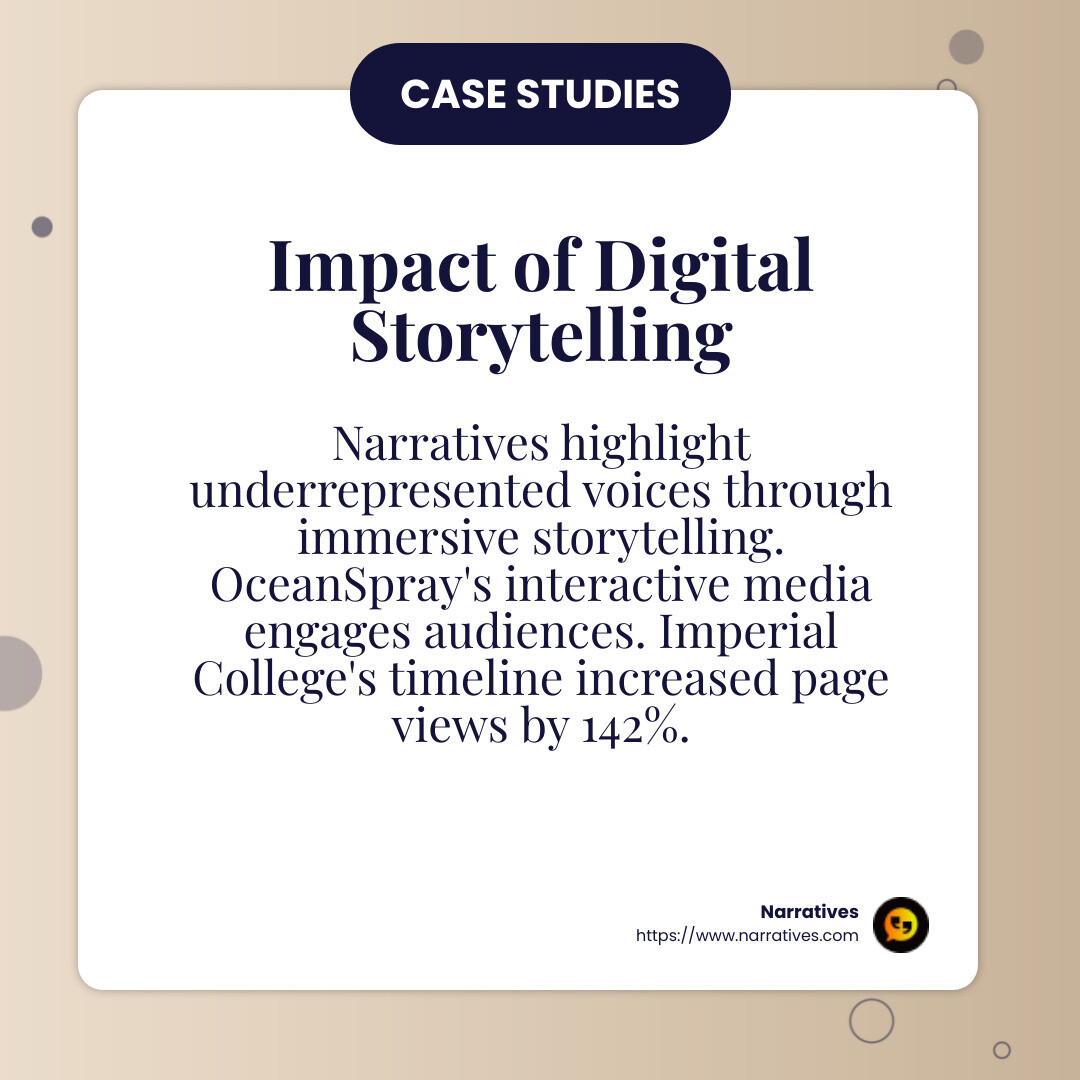
Narratives has been at the forefront of using digital storytelling to highlight underrepresented voices. One of our key projects involved collaborating with Defy Ventures. This initiative helps reduce recidivism by changing inmates into entrepreneurs. Through immersive storytelling, we shared Quan Huynh's journey from incarceration to entrepreneurship, highlighting his challenges and triumphs. This story not only informed but also inspired change by humanizing a complex issue.
Innovative Campaigns
One of the most innovative campaigns we've seen recently is the use of interactive media to improve user engagement. For example, using platforms like ThingLink, marketers have created interactive images that allow users to explore content in a more engaging way. OceanSpray's Thanksgiving campaign, powered by ThingLink, is a prime example. Users could hover over images to access fun facts, recipes, and videos, creating a rich, interactive experience that kept audiences engaged.
Engaging Multimedia Stories
Multimedia stories are all about combining various elements to create an immersive experience. A great example is the digital story by NBC News, which collected personal stories from Asian Americans and Pacific Islanders in response to rising discrimination. This piece used neat design and multimedia elements to weave mini-portraits of individuals affected by discrimination, providing a powerful, engaging narrative that kept readers scrolling.
Another notable example is Imperial College London's timeline story on the COVID-19 pandemic. By using a mix of visuals, text, and interactive elements, they created a comprehensive and engaging narrative of the pandemic's first six months. This approach not only informed but also engaged readers, as evidenced by a 142% increase in page views and 50% higher average time on page.
These examples highlight the power of digital storytelling to not only convey information but also to engage and inspire. By integrating multimedia elements and innovative platforms, stories become more than just narratives—they become experiences that resonate deeply with audiences.
Next, we'll explore the tools that make these digital storytelling successes possible.
Tools for Creating the Best Digital Storytelling
Creating compelling digital stories requires the right tools. Here’s a look at some of the best free tools that can help you craft engaging and impactful stories.
Adobe Spark
Adobe Spark is perfect for creating short, visual stories. It offers a gallery of ready-to-use images and simple design tools to bring your story to life. While it’s ideal for smaller projects, keep in mind that it doesn’t support embedding interactive content. This makes it a great choice for straightforward, linear storytelling.
Canva
Canva is a versatile design tool that makes anyone feel like a graphic designer. With beautiful templates and easy drag-and-drop features, you can create everything from social media posts to infographics. Customize colors and fonts to maintain a consistent brand style across your storytelling projects.
StoryMap JS
If your story is geographically focused, StoryMap JS is a fantastic choice. This platform lets you layer titles, text, images, videos, and links over a geographic map, making it ideal for location-based narratives. It's a great way to tell stories through a series of events that are tied to specific places.
Timeline JS
Timeline JS is perfect for creating interactive timelines using a simple Google spreadsheet. You can incorporate videos, images, and audio files to tell a chronological story. While it offers limited customization without HTML knowledge, it’s an excellent tool for visually organizing events over time.

Piktochart
For data-driven stories, Piktochart offers beautiful templates and dynamic visualization tools. Import your own data to craft unique infographics that tell your story in a visually compelling way. Although only a few templates are free, the platform’s customization options allow for distinctive and engaging data storytelling.

These tools empower storytellers to create engaging and visually stunning digital stories. By leveraging these resources, you can craft narratives that not only inform but captivate and inspire your audience.
Next, we'll dig into the benefits of digital storytelling for non-profits and how it can drive social impact and community building.
Benefits of Digital Storytelling for Non-Profits
Digital storytelling is a powerful tool for non-profits. It can transform how organizations connect with their audience and amplify their impact. Here's how:
Brand Awareness
For non-profits, building brand awareness is essential. Digital storytelling allows organizations to share their mission and values in a way that resonates deeply with people. By crafting engaging narratives, non-profits can highlight their unique qualities and create a memorable presence in the minds of their audience. This helps in attracting more supporters and volunteers.
Audience Engagement
Attention spans are short, and people are bombarded with information daily. Digital storytelling cuts through the noise by presenting content in an engaging and immersive manner. Interactive elements like videos and images can capture the audience's interest, making them more likely to engage with the content. When people feel connected to a story, they are more inclined to take action, whether that's donating, volunteering, or spreading the word.
Social Impact
Stories have the power to evoke emotions and inspire change. For non-profits, this means that digital storytelling can be a catalyst for social impact. By highlighting real-life stories and showcasing the tangible effects of their work, organizations can motivate individuals to contribute to their cause. This not only raises awareness but also builds a community of advocates who are passionate about making a difference.
Community Building
Creating a sense of community is crucial for non-profits. Digital storytelling fosters this by bringing people together around shared values and goals. Through compelling narratives, organizations can create a dialogue with their audience, encouraging interaction and collaboration. This sense of belonging can strengthen ties within the community, making it easier to mobilize support and drive collective action.
By leveraging the power of digital storytelling, non-profits can improve their brand awareness, engage their audience, drive social impact, and build a strong community. These benefits are invaluable in advancing their mission and achieving their goals.
Next, we'll address some frequently asked questions about digital storytelling and explore how non-profits can maximize its potential.
Frequently Asked Questions about Digital Storytelling
What is digital storytelling?
Digital storytelling is the art of using digital tools to tell stories. It combines narrative techniques with multimedia elements like images, videos, and sound to create engaging and immersive experiences. This method allows storytellers to connect with their audience on a deeper level, making the story more memorable and impactful.
How can digital storytelling benefit non-profits?
Digital storytelling offers numerous benefits for non-profits, helping them achieve their mission more effectively:
Improved Brand Awareness: By sharing compelling stories that highlight their mission and values, non-profits can increase their visibility and attract more supporters.
Increased Audience Engagement: Interactive and multimedia-rich stories capture attention and encourage people to engage, whether by donating, volunteering, or spreading the word.
Driving Social Impact: Emotional and inspiring stories can motivate individuals to take action, contributing to the non-profit's cause and fostering a community of advocates.
Community Building: Digital storytelling helps create a sense of belonging, encouraging interaction and collaboration among supporters.
What are some free tools for digital storytelling?
Creating the best digital storytelling doesn't have to be expensive. Here are some free tools that can help:
Adobe Spark: Offers easy-to-use features for creating videos, graphics, and web pages.
Canva: Provides templates and design tools for creating visually appealing stories.
StoryMap JS: Allows storytellers to create maps with a narrative, perfect for location-based stories.
Timeline JS: Helps in creating interactive timelines to visualize a sequence of events.
Piktochart: Ideal for making infographics that can improve storytelling with data.
These tools make it easier for non-profits to craft engaging stories that resonate with their audience, helping them achieve their goals more effectively.
Conclusion
Narratives is committed to changing the way non-profits communicate their stories. By focusing on elevating underrepresented voices through high-quality, emotionally resonant multimedia content, we help organizations share their impact in ways that inspire action and build trust.
Building Partnerships with Purpose
Our approach centers on non-profit partnerships. We collaborate with purpose-driven organizations to craft stories that not only highlight their missions but also amplify their social impact. By telling stories that resonate, we help these organizations increase visibility and foster deeper connections with their audiences.
Amplifying Social Impact
Through digital storytelling, we aim to drive social impact. Our stories are designed to evoke emotions and encourage action, whether that's through volunteering, donating, or simply spreading the word. By creating content that is both engaging and informative, we empower communities to rally around important causes and make a tangible difference.
For non-profits looking to improve their storytelling capabilities, Narratives offers a unique opportunity to stand out and make a meaningful impact. Explore how we can help your organization tell its story by visiting Narratives.

.avif)