Telling Tales: How Community Impact Storytelling Makes a Difference

Community impact storytelling is a powerful tool that connects people, fuels change, and raises awareness about pressing social issues. It’s about telling the real stories of communities, their challenges, successes, and dreams, in a way that resonates emotionally and motivates action.
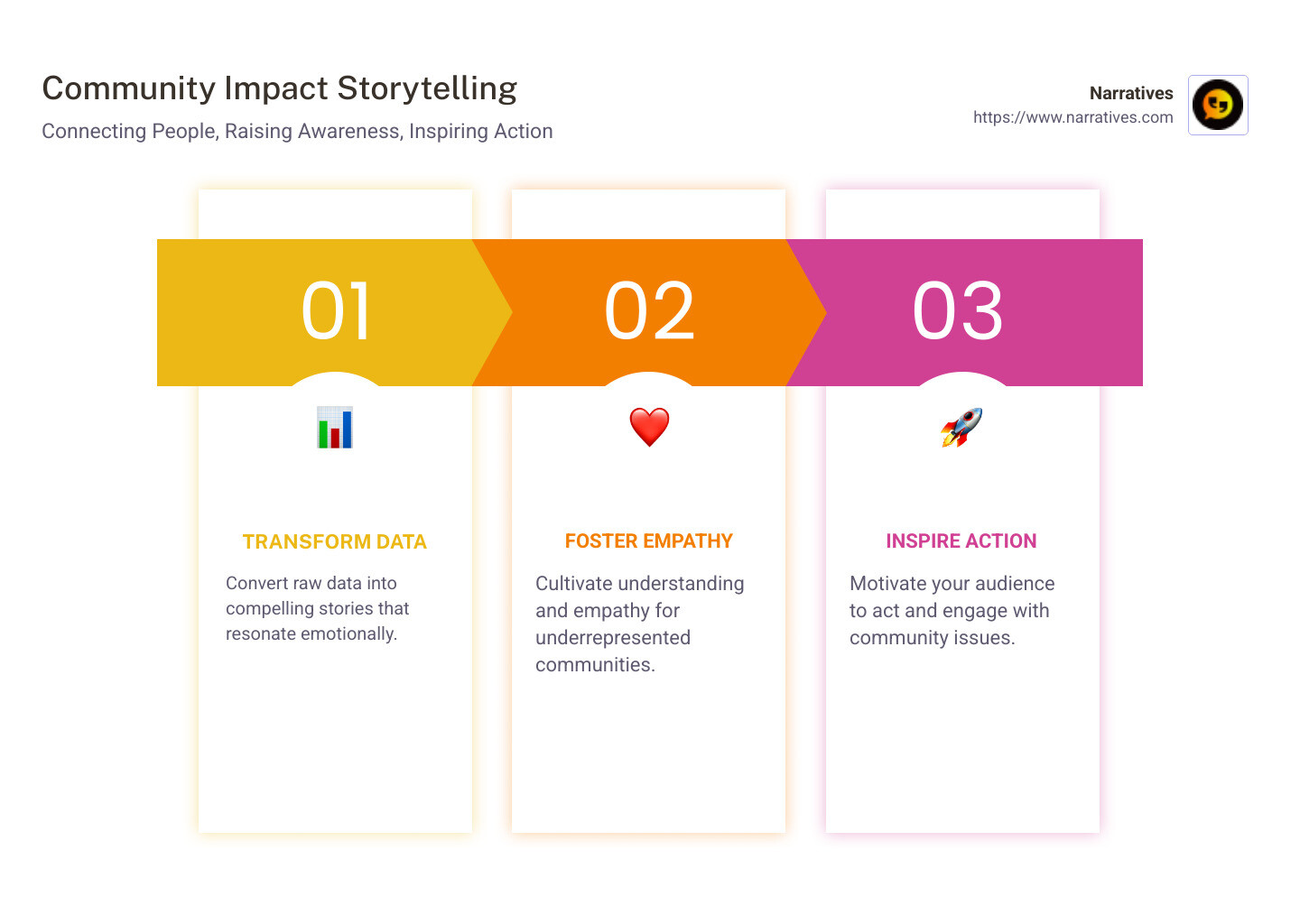
- Storytelling transforms data into an emotional experience.
- It builds empathy and understanding for underrepresented communities.
- When done ethically, it drives awareness and fosters genuine connections.
With the proper narrative, communities can shine a light on their needs and triumphs. This not only draws attention but also inspires partnership and growth. Community impact storytelling captures the heart of the issues and illustrates how individuals, organizations, and communities can create meaningful change together.
The Power of Storytelling in Community Impact
Storytelling is more than just sharing tales; it's a bridge to understanding and inclusion. When used effectively, it can make a significant social impact by connecting diverse groups and highlighting shared human experiences.
Building Inclusion Through Stories
Inclusion starts with understanding. By sharing stories from underrepresented communities, we create a platform for voices that are often unheard. This not only fosters empathy but also brings people together in a shared purpose. According to a report by Narratives, the organization emphasizes humanizing the news to bring empathy back into storytelling. This approach helps dismantle barriers and promotes a more inclusive society.
Driving Social Impact
Stories have the power to move people to action. By illustrating the real-life challenges and successes of communities, storytelling can galvanize support and drive change. The PARS Equality Center, for example, uses stories to highlight the struggles and achievements of Persian-speaking immigrants. Their narratives not only raise awareness but also encourage public support for their initiatives.

Changing Communities
When communities tell their own stories, they take control of their narrative. This empowerment can lead to tangible social impact, such as increased funding for vital projects. Community Impact's Storytelling team has seen how these stories can lead to real-world changes, like securing federal funds for clean energy and climate resiliency projects. These narratives show how storytelling can be a strategic tool for community development.
Community impact storytelling is a catalyst for inclusion and social change. By sharing authentic stories, we can create a more connected and compassionate world.
Community Impact Storytelling: A Strategic Approach
Community Impact Storytelling isn't just about crafting engaging narratives—it's a strategic tool that organizations can use to connect deeply with their audience. By aligning stories with strategic goals, organizations can improve audience engagement and drive meaningful action.
Strategic Storytelling for Greater Impact
Strategic storytelling involves more than just sharing a story; it’s about crafting narratives that align with an organization's mission and goals. This approach ensures that every story told serves a purpose, whether it's raising awareness, driving donations, or influencing policy changes. For instance, Appalachian Voices uses storytelling to highlight how communities are utilizing federal funds for clean energy and climate resilience projects. This not only informs but also inspires action among stakeholders.
Engaging the Audience
To truly engage an audience, stories need to resonate on a personal level. Effective storytelling taps into emotions and shared experiences, making the audience feel connected to the cause. Narratives emphasizes human connection in storytelling, which helps break down barriers and foster empathy. When audiences see themselves in the stories being told, they are more likely to take action, whether that's volunteering, donating, or advocating for change.
The Role of Multimedia Content
Utilizing a variety of media formats—such as videos, articles, and social media posts—can improve the reach and impact of storytelling efforts. Multimedia content caters to different audience preferences, ensuring that the message is accessible to a wider audience. For example, the Community Impact Storytelling Internship teaches students to tell stories across multiple platforms, ensuring that important community stories reach diverse audiences effectively.
In summary, community impact storytelling is a strategic approach that not only informs but also engages and inspires. By aligning stories with organizational goals and using diverse media, organizations can create compelling narratives that drive real-world change.
How Non-Profits Can Leverage Community Impact Storytelling
Community impact storytelling is a powerful tool for non-profits striving to make a difference. It goes beyond just telling stories—it's about using these stories strategically to engage audiences and achieve goals. Here's how non-profits can harness this approach effectively:
Accept Social Media
Social media is a game-changer for non-profits. Platforms like Facebook, Instagram, and Twitter allow organizations to share impactful stories quickly and broadly. By crafting engaging posts, non-profits can reach potential donors, volunteers, and advocates.
- Connect with Audiences: Social media allows for real-time interaction, making it easier to connect with audiences on a personal level.
- Share Diverse Content: Use a mix of videos, images, and text to keep content fresh and engaging.
For instance, Narratives uses social media to highlight stories of underrepresented communities, creating empathy and driving action.
Use Multimedia Content
Multimedia content is essential for effective storytelling. Videos, podcasts, and infographics can convey stories in dynamic and engaging ways.
- Videos: A short video can tell a story more vividly than words alone. It captures emotions and details that resonate with viewers.
- Podcasts: These offer a platform for in-depth storytelling, allowing audiences to engage with content on the go.
Appalachian Voices, for example, uses multimedia to showcase how communities are utilizing federal funds for projects, inspiring stakeholders to support similar initiatives.
Tailor Stories to Your Audience
Understanding your audience is crucial. Tailor stories to meet their interests and values. This ensures that the message resonates and prompts action.
- Know Your Audience: Use analytics to understand what types of content your audience engages with most.
- Personalize Stories: Share stories that reflect the audience’s own experiences and aspirations.
By leveraging community impact storytelling, non-profits can not only inform but inspire their audience to contribute to meaningful change. This strategic use of storytelling not only raises awareness but also fosters a community of supporters who are passionate about making a difference.
Community Impact Storytelling in Action
Community impact storytelling is not just about sharing stories; it's about showcasing real-world change. Let's explore how this approach is making waves in areas like federal funding, clean energy, economic development, and climate resiliency.
Federal Funds Fueling Change
Federal funding can be a catalyst for community change. By telling stories of how these funds are used, organizations can highlight their impact and inspire others. For example, Appalachian Voices shares narratives about communities leveraging federal dollars for clean energy projects. These stories demonstrate how federal support can lead to tangible improvements in local environments and economies.
Clean Energy Initiatives
Clean energy is a hot topic, and storytelling brings these initiatives to life. By sharing stories of solar panel installations or wind farm developments, communities can showcase their commitment to sustainability. These stories not only promote environmental benefits but also highlight economic gains like job creation and energy savings.
Economic Development Success Stories
Economic development is crucial for thriving communities. Through storytelling, organizations can highlight successful local businesses or new infrastructure projects. These stories can attract investors and inspire other regions to adopt similar strategies. Narratives often features stories of economic revitalization, showing how strategic investments can lead to prosperity.
Climate Resiliency Efforts
Climate change is a pressing issue, and communities are taking action. Storytelling can highlight efforts to build climate-resilient infrastructure or restore natural habitats. By sharing these stories, organizations can raise awareness and encourage others to prioritize climate resiliency in their planning.
Community impact storytelling is a powerful tool for showcasing how communities are making a difference. By telling these stories, organizations can inspire action, attract support, and drive meaningful change.
Frequently Asked Questions about Community Impact Storytelling
How does storytelling raise awareness of community issues?
Storytelling is a powerful tool for raising awareness about community issues. It transforms abstract problems into relatable narratives, making it easier for people to understand and connect with the challenges faced by communities.
For instance, when a community faces environmental challenges, a story about a local family affected by pollution can highlight the issue in a personal and impactful way. This approach not only informs but also engages the audience emotionally, prompting them to learn more and take action.
Stories can also serve as a bridge, connecting community members with each other and with external audiences who can provide support. By sharing real-life experiences and outcomes, storytelling amplifies voices that might otherwise go unheard.
What role does storytelling play in social impact?
Storytelling plays a critical role in driving social impact by humanizing issues and fostering empathy. When organizations share stories about their work and the people they serve, they create a deeper understanding of the social challenges being addressed.
Take the example of Narratives, a content agency that partners with non-profits to highlight their efforts. By sharing stories of underrepresented communities, Narratives helps to bring attention to social injustices and mobilize public support.
Through storytelling, organizations can also demonstrate the tangible outcomes of their initiatives, showcasing how their efforts lead to positive change. This not only validates their work but also inspires others to get involved, creating a ripple effect of social impact.
How can storytelling benefit non-profits?
For non-profits, storytelling is an invaluable asset. It helps these organizations communicate their mission, values, and successes in a compelling way. Here are a few benefits:
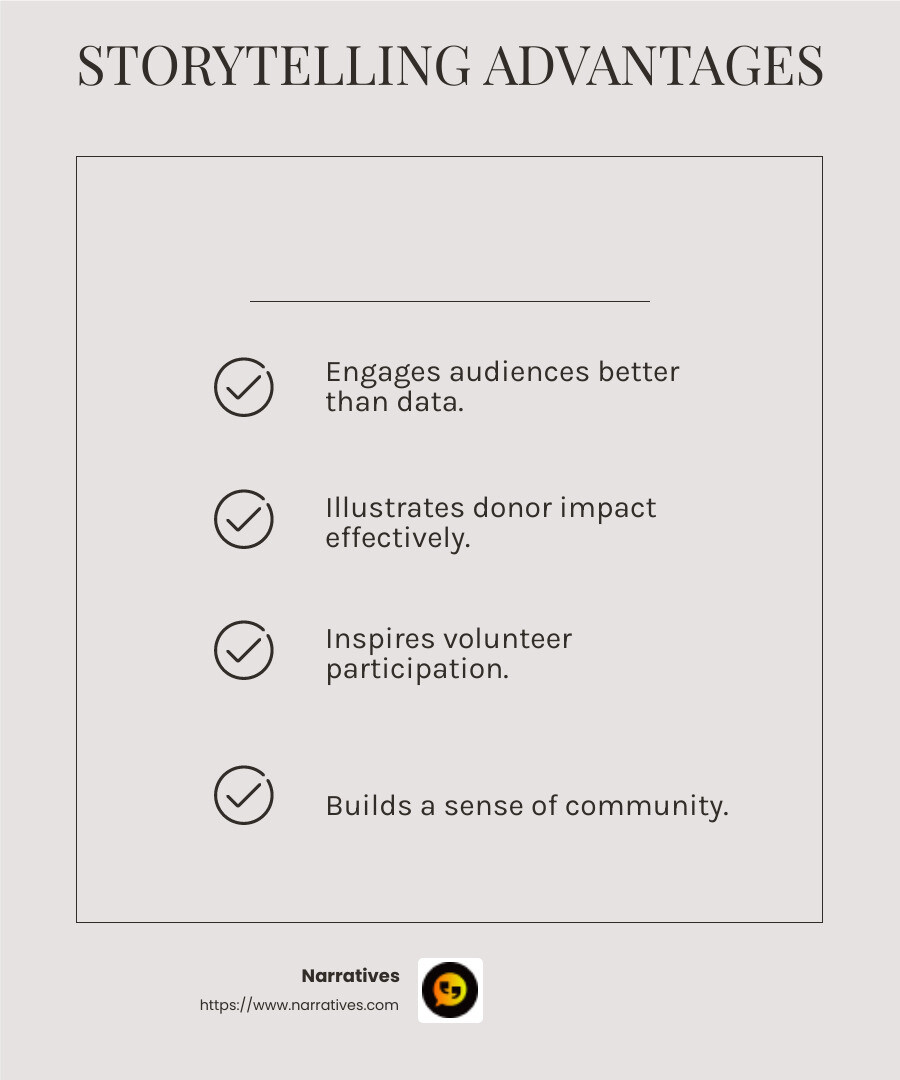
Engagement: Stories capture attention and engage audiences more effectively than dry data or statistics. They make the mission of the non-profit relatable and memorable.
Donor Support: By illustrating the impact of donations through stories, non-profits can build trust and encourage continued support from donors. People are more likely to contribute when they see the difference their contributions make.
Volunteer Recruitment: Sharing stories of volunteers and their experiences can inspire others to join and contribute their time and skills.
Community Building: Stories can unite people around a common cause, fostering a sense of community and shared purpose.
Incorporating multimedia elements like video and social media can further improve the reach and impact of these stories, as seen in the work of organizations like Appalachian Voices, which uses storytelling to showcase community projects funded by federal dollars.
By strategically leveraging storytelling, non-profits can amplify their message, engage their audience, and drive meaningful change.
Conclusion
Narratives is at the forefront of digital storytelling, empowering non-profits to amplify their voices and maximize their impact. By partnering with purpose-driven organizations, we help them share their stories in a way that not only informs but also inspires action.
Our approach to digital storytelling focuses on elevating underrepresented voices through emotionally resonant multimedia content. This not only builds trust but also increases visibility for the causes that matter most. By changing complex issues into relatable narratives, we make it easier for audiences to connect with and support these vital missions.
Non-profit partnerships are integral to our work. By collaborating with organizations like the PARS Equality Center, we highlight their efforts to support Persian-speaking immigrant communities. Through strategic storytelling, we showcase their impactful initiatives, from legal assistance to cultural integration, and demonstrate how they are making a meaningful difference.
Our commitment to community impact storytelling is not just about telling stories—it's about creating change. By focusing on social impact and community-driven narratives, we help non-profits engage with their audiences more effectively, driving both awareness and action.
In a world that often feels divided, storytelling has the power to unite us. By sharing real-life experiences and outcomes, we bring attention to social injustices and mobilize public support. Together, we can build a more empathetic and connected world, one story at a time.


.avif)