From Zero to Hero: Building a Nonprofit Social Media Strategy

Creating a social media strategy for nonprofits is a crucial step for driving growth and amplifying your mission. Here's a quick guide to get you started:
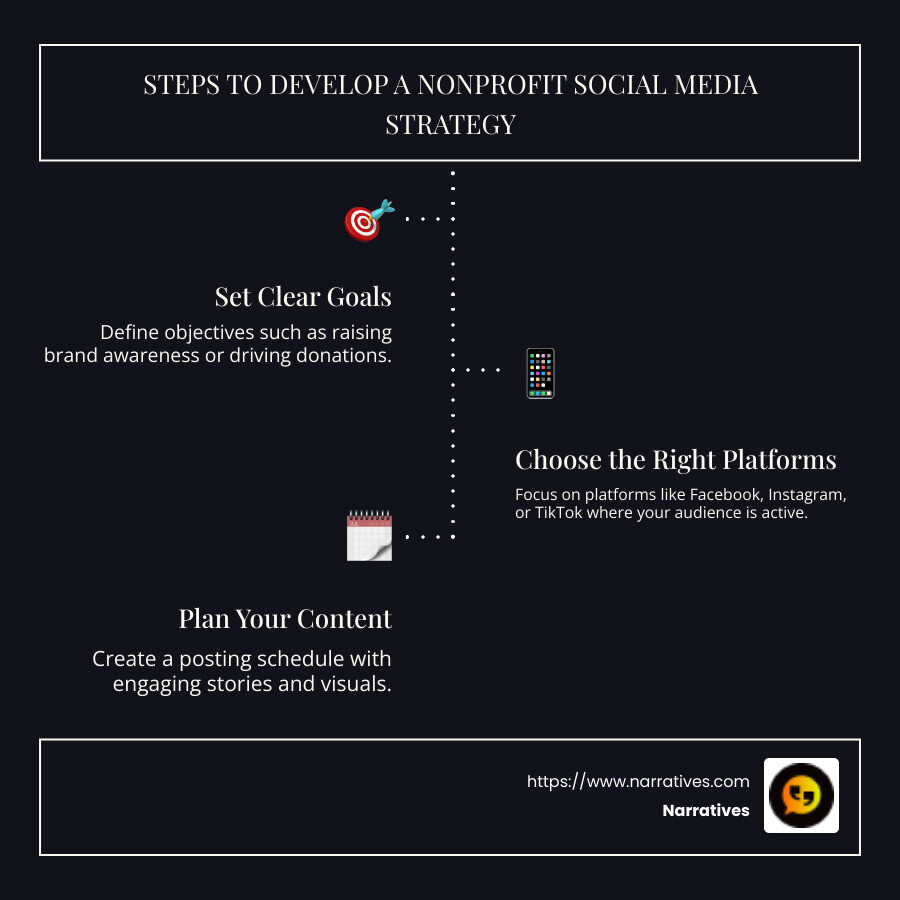
Set clear goals: Identify what you want to achieve, like raising brand awareness or driving donations.
Choose the right platforms: Focus on where your audience is, such as Facebook, Instagram, or TikTok.
Plan your content: Develop a posting schedule with engaging stories and visuals.
Engage consistently: Interact with your followers regularly to build relationships and community.
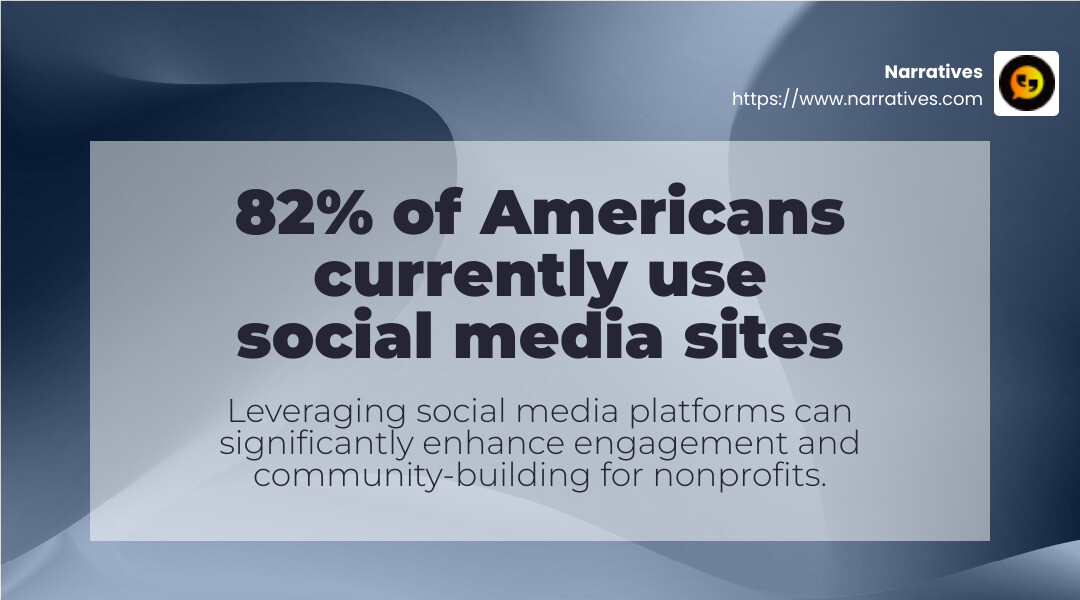
Social media is not just a tool but a necessity for nonprofit growth. As research highlights, 82% of Americans are actively using social media platforms. This presents nonprofits with a golden opportunity to connect with supporters, share their stories, and increase their impact without a hefty budget.
But why is social media so important for nonprofits? It provides a platform to tell your story, reach out to new supporters, and keep your audience engaged. It's about meeting your audience where they are and turning clicks into community support and action.
Let's dive deeper into how you can leverage social media to propel your nonprofit forward.
Creating a social media strategy for nonprofits word roundup:
Benefits of a Nonprofit Social Media Strategy
Creating a social media strategy for nonprofits is not just about posting content; it's about building meaningful connections, maximizing resources, and boosting engagement. Let's explore these benefits in more detail.
Relationship Building
Social media is a powerful tool for nonprofits to connect with supporters on a personal level. By sharing stories and updates, you can build a community around your cause. This connection fosters trust and loyalty, encouraging followers to become active participants in your mission.
For example, the World Wildlife Fund uses social media to engage animal lovers by sharing captivating stories and images. This approach not only informs but also inspires people to take action in support of wildlife conservation.
Minimal Resources
One of the biggest advantages of social media is that it can be cost-effective. With limited budgets, nonprofits can still achieve significant reach and impact. Platforms like Facebook and Instagram allow organizations to share content and engage with audiences without substantial financial investment.
By focusing efforts on a few key platforms, nonprofits can make the most of their resources. This strategic approach ensures that every post counts, maximizing both time and budget.
Increased Engagement
Engagement is more than just likes and shares; it's about sparking conversations and inspiring action. Social media provides a space for nonprofits to interact directly with their audience, responding to comments and questions in real-time.

This engagement not only boosts visibility but also strengthens relationships with supporters. As your audience interacts with your content, they become more invested in your cause, leading to increased support and donations.
In summary, creating a social media strategy for nonprofits offers a pathway to connect, engage, and grow without breaking the bank. By focusing on relationship building, resource efficiency, and active engagement, your nonprofit can harness the power of social media to drive meaningful change.
Up next, let's dive into how to set clear goals for your social media strategy.
Creating a Social Media Strategy for Nonprofits
Define Your Goals
Before you start posting, set clear goals for your social media strategy. These goals will guide your efforts and help measure success.
Consider what you want to achieve. Are you looking to raise brand awareness, drive donations, or increase traffic to your website? Each goal requires a different approach and set of tactics.
For instance, if your aim is to raise awareness, focus on creating content that tells your story and highlights your mission. If driving donations is your priority, use compelling calls-to-action and showcase the impact of contributions. To increase traffic, share links to your website and encourage followers to learn more.
Choose the Right Platforms
Selecting the right platforms is crucial for reaching your audience effectively. Not all platforms are created equal, and each has its unique strengths.
Facebook: With its broad user base, Facebook is excellent for sharing event information and creating fundraising pages. Use its live-streaming features to give followers a behind-the-scenes look at your organization.
Instagram: This platform is all about visuals. Use photos, videos, and stories to showcase the impact of your mission. Instagram is perfect for engaging a younger audience with eye-catching content.
TikTok: Ideal for targeting younger generations, TikTok allows nonprofits to create engaging video content. Use the "Donation Stickers" feature to encourage in-app donations.
LinkedIn: For a more professional audience, LinkedIn is the place to share educational content and position your organization as a thought leader. Encourage staff and volunteers to engage with others and build your nonprofit's credibility.
Develop a Content Calendar
A well-organized content calendar is the backbone of any successful social media strategy. It helps you plan what to post, when, and where.
Posting Schedule: Determine how often you'll post on each platform. Consistency is key, but quality matters more than quantity. Aim for regular, high-quality posts.
Creative Assets: Gather the necessary photos, videos, and graphics for your posts. Be sure to tailor your visuals to fit each platform’s strengths.
Social Media Management Tools: Use tools like Hootsuite or Buffer to schedule posts in advance. This saves time and ensures your content goes live when your audience is most active.

By clearly defining your goals, selecting the right platforms, and planning your content, you set the stage for a successful social media strategy. Up next, we'll explore how to craft engaging content that captures attention and drives action.
Crafting Engaging Content
Creating captivating content is essential for any nonprofit looking to make an impact on social media. Let's explore how to harness the power of videos, hashtags, and static posts to engage your audience and amplify your reach.
Lean into Videos
Video content continues to dominate social media, and it's a powerful way for nonprofits to connect with their audience. Platforms like Instagram and TikTok are ideal for short, engaging videos that tell your story.
Instagram Reels: Use this feature to create quick, impactful videos. Highlight your organization's mission or share behind-the-scenes glimpses of your work. Reels can boost engagement and broaden your reach.
TikTok Engagement: TikTok's algorithm favors creative and authentic content. Encourage user-generated content by asking supporters to share their stories or experiences related to your cause. This not only boosts engagement but also builds a sense of community.
Use Hashtags
Hashtags are a simple yet effective tool to increase your content's visibility and reach a broader audience. When used strategically, they can amplify your campaigns and connect you with like-minded individuals.
Campaigns: Create a unique hashtag for your campaigns to make them easily findable. Encourage followers to use the hashtag when they engage with your content or participate in events.
Increased Reach: Use popular hashtags related to your cause to tap into existing conversations. This can attract new supporters who are interested in similar topics.
Leverage Static Posts
While videos are influential, static posts play a crucial role in your content mix. They provide a space for detailed storytelling and can be visually appealing.
Carousel Posts: On platforms like Instagram, carousel posts allow you to share multiple images or videos in a single post. Use this format to tell a more comprehensive story or showcase a series of events.
Visual Content: Invest in high-quality images and graphics that resonate with your audience. Whether it's an infographic or a powerful photo, visuals can convey your message effectively.
Incorporating these strategies into your social media plan will help your nonprofit create engaging content that captures attention and inspires action. Next, we'll dive into how to analyze and improve your strategy to ensure ongoing success.
Analyzing and Improving Your Strategy
Once you've crafted engaging content, the next step is to analyze and improve your nonprofit's social media strategy. This involves tracking key metrics, conducting A/B testing, and understanding conversion rates to ensure you're making the most impact.
Key Metrics to Track
To measure the success of your social media efforts, focus on these essential metrics:
Click-Through Rate (CTR): This metric shows how often people who see your content click on it. A high CTR indicates that your posts are compelling and relevant to your audience. Use tools like Facebook Insights or Google Analytics to track CTR.
Conversion Rate: This tells you how many people took a desired action after engaging with your content, such as signing up for a newsletter or making a donation. Tracking conversions helps you understand the effectiveness of your campaigns in driving real-world results.
Engagement: Monitor likes, shares, comments, and mentions. Engagement is a sign of how well your content resonates with your audience. More engagement often leads to increased visibility and reach.
A/B Testing
A/B testing is a powerful method to optimize your social media strategy. By comparing two versions of a post or campaign, you can determine which performs better. This could involve testing different headlines, images, or calls to action.
For example, if you're running a donation campaign, try two different messages and see which one generates more engagement and donations. Use insights from these tests to refine your approach and improve future content.
Conversion Tracking
Understanding how your social media efforts translate into real-world actions is crucial. Set up conversion tracking to follow the journey of your audience from social media to your website. This will help you identify which platforms and content types drive the most valuable actions.
Tools like Google Analytics can provide detailed insights into user behavior and conversions. By analyzing this data, you can allocate resources more effectively and focus on strategies that yield the best results.
By regularly analyzing these metrics, conducting A/B tests, and tracking conversions, you'll be able to refine your social media strategy and amplify your nonprofit's impact. Next, we'll answer common questions about nonprofit social media strategies to further guide your efforts.
Frequently Asked Questions about Nonprofit Social Media Strategies
Navigating social media can be challenging, especially for nonprofits with limited resources. Here, we answer some common questions to help you on your journey.
How often should nonprofits post on social media?
Consistency is key, but quality trumps quantity. For most nonprofits, posting 2-3 times a week is a good starting point. This frequency keeps your audience engaged without overwhelming them.
However, the ideal posting schedule can vary based on your audience and platform. Use tools like TrueSocialMetrics to see how often similar organizations post and their engagement rates. Adjust your schedule based on what works best for your nonprofit.
What are the best platforms for nonprofit engagement?
Choosing the right platform is crucial for engagement. Each social media platform has its strengths:
- Facebook: Great for community building and sharing detailed stories.
- Instagram: Ideal for visual storytelling through images and videos.
- TikTok: Perfect for reaching younger audiences with creative video content.
- LinkedIn: Best for professional networking and engaging with corporate sponsors.
Focus on 1-2 platforms where your audience is most active. This allows you to concentrate your efforts and resources effectively.
How can nonprofits measure social media success?
Success isn't just about likes and shares. To truly measure success, track these key metrics:
- Click-Through Rate (CTR): Indicates how often people click on your content. A high CTR means your content is engaging.
- Conversion Rate: Shows how many people take desired actions, like donations or sign-ups, after engaging with your content.
- Engagement: Includes likes, shares, and comments, which reflect how well your content resonates with your audience.
Regularly review these metrics using tools like Google Analytics to understand what's working and where you can improve. This data-driven approach will help you refine your strategy and maximize your nonprofit's impact.
Conclusion
In today's digital landscape, nonprofits have a powerful opportunity to amplify their impact through digital storytelling. At Narratives, we believe that every nonprofit has a unique story that deserves to be told. By leveraging the right social media strategies, these stories can reach wider audiences, inspire action, and drive meaningful change.
Our mission is to support community-driven impact by elevating underrepresented voices. We partner with purpose-driven organizations to create emotionally resonant multimedia content that not only informs but also connects with people's hearts. This approach builds trust and increases visibility, essential elements for any successful nonprofit.
Creating a social media strategy for nonprofits is more than just posting content. It's about crafting a narrative that resonates, engages, and inspires your community. By setting clear goals, choosing the right platforms, and developing a strategic content calendar, nonprofits can effectively share their mission and achieve their objectives.
At Narratives, we're committed to being your go-to partner for digital storytelling. We provide the tools and expertise you need to tell your story in the most impactful way possible. Whether you're looking to raise awareness, drive donations, or build a community, we're here to help you every step of the way.
Ready to lift your nonprofit's storytelling? Explore our services and find how we can help you make a difference: Narratives Media Services. Let's work together to create stories that inspire action and drive change.


.avif)