The Art of Teaching: Building an Educational Video Content Strategy

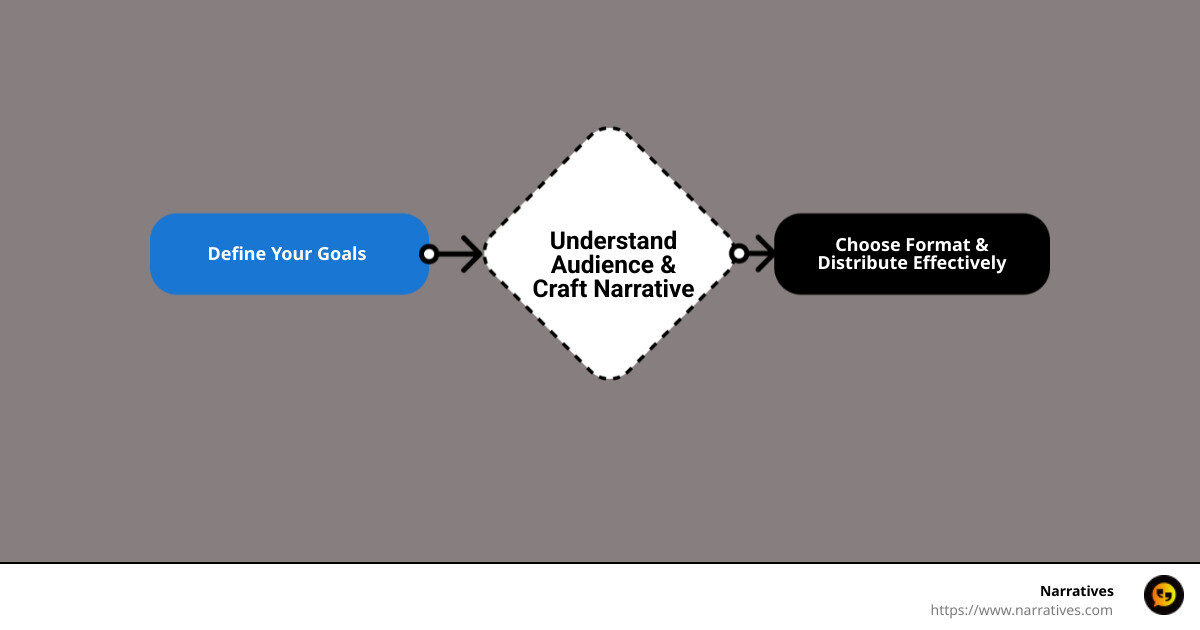
Educational video content strategy is vital for organizations focused on storytelling. It helps convey complex topics simply and engagingly. If you're wondering what makes up a successful strategy, here are the key elements:
- Define Your Goals: Identify what you want to achieve with your videos.
- Understand Your Audience: Know the interests and challenges of your target viewers.
- Craft a Compelling Narrative: Use storytelling to make content relatable.
- Choose the Right Format: Decide between tutorials, testimonials, or virtual tours.
- Distribute Effectively: Use platforms like social media for maximum reach.
In today’s digital world, educational content is more impactful when it’s told through video. Video-first marketing not only grabs attention but also converts viewers into engaged participants. With visuals, sound, and storytelling, videos can create an emotional bond with the audience that's hard to achieve through text alone.
Organizations like Narratives recognize the strength of digital storytelling in forging connections. They know that educational video content isn't just about sharing information, but about weaving a story that resonates with viewers. For non-profits and brands centered on advocacy and social justice, video becomes a powerful tool. It amplifies their mission and furthers community-driven goals.
By focusing on these strategies, you can create content that not only informs but also inspires action.
Key terms for Educational video content strategy:
Understanding Educational Video Content Strategy
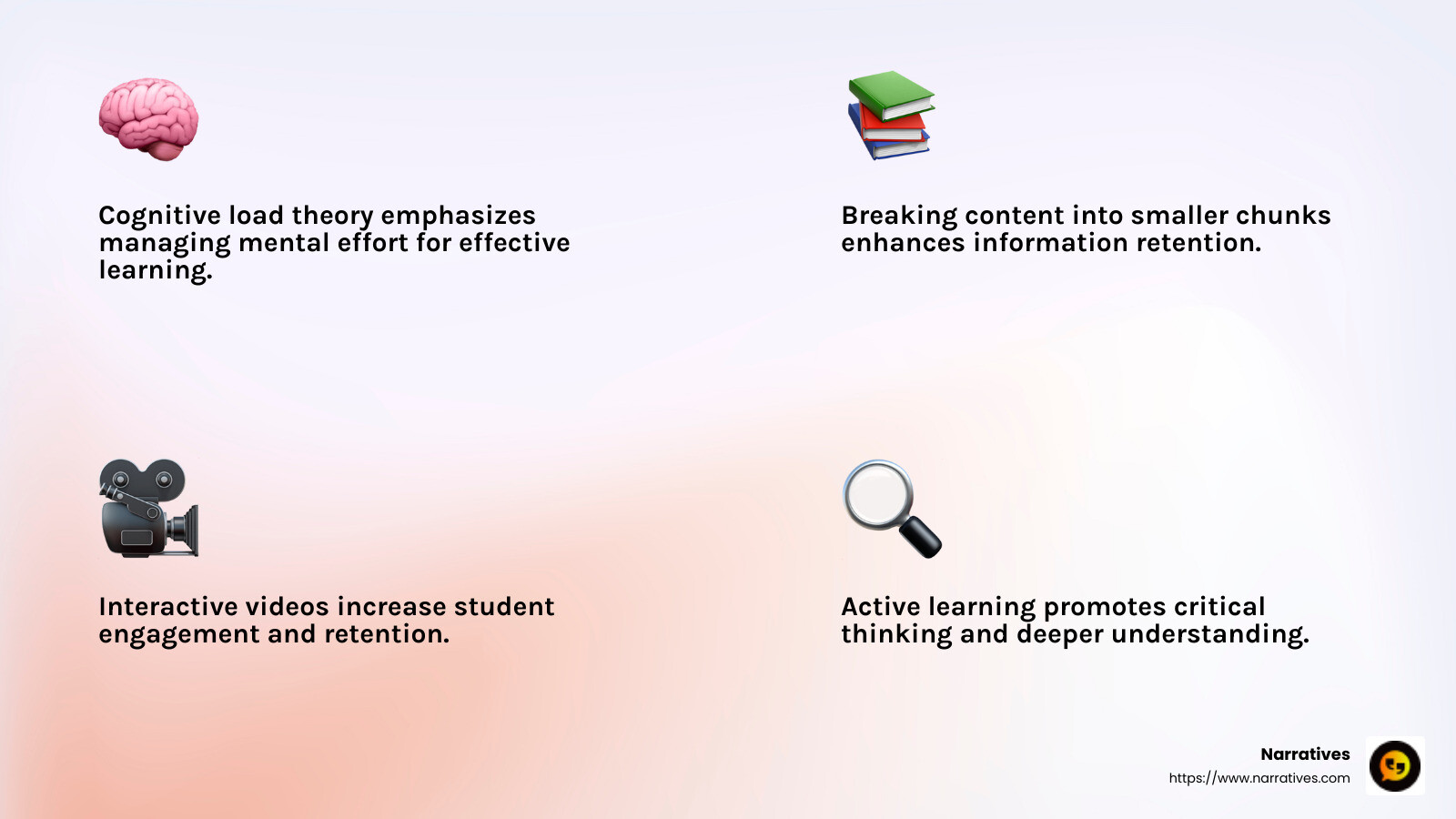
To create effective educational video content, it's crucial to focus on three core elements: cognitive load, student engagement, and active learning.
Cognitive Load
In simple terms, cognitive load is the mental effort required to learn new information. When creating educational videos, it's important to keep this load manageable. Cognitive load theory suggests that working memory has limited capacity. Therefore, educational videos should be concise and focused on key points to avoid overwhelming viewers.
Tips for managing cognitive load:
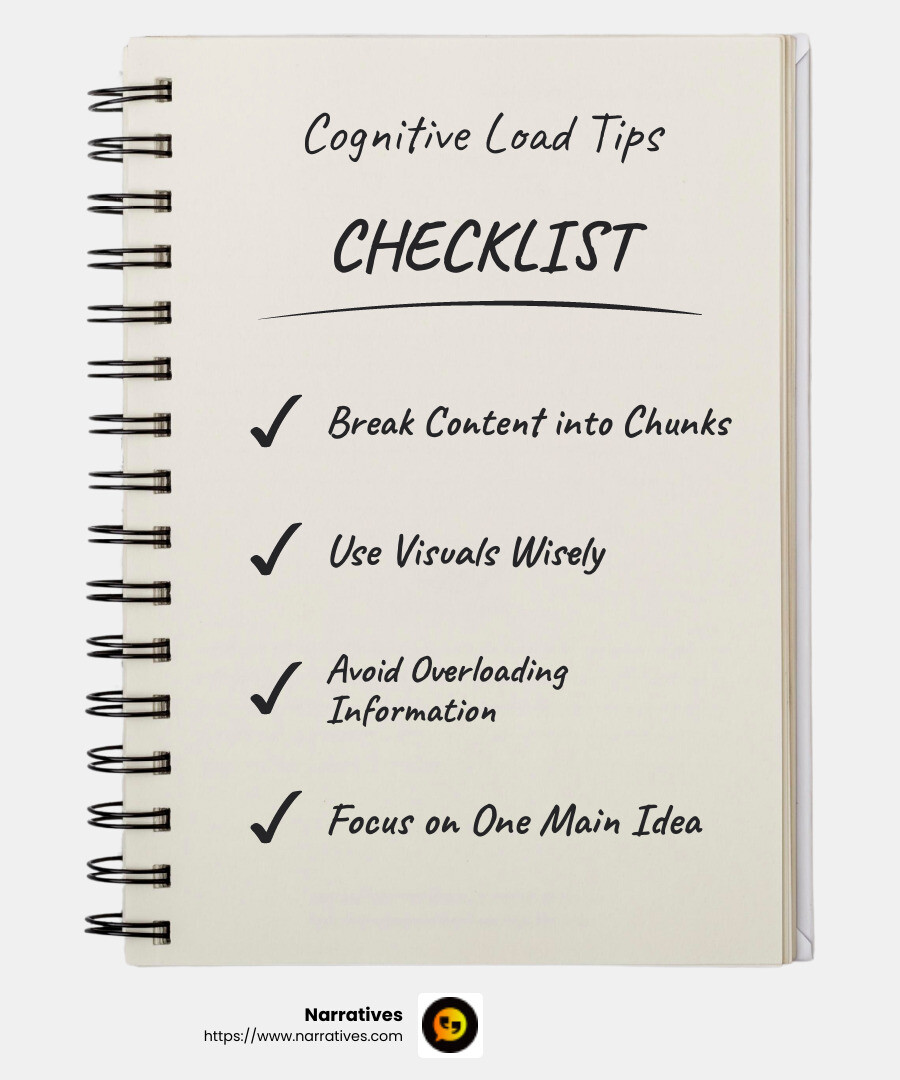
- Break Content into Chunks: Divide complex topics into smaller, digestible segments.
- Use Visuals Wisely: Incorporate images and animations to clarify difficult concepts.
- Avoid Overloading Information: Stick to one main idea per video to maintain clarity.
Student Engagement
Engaging students is a priority for any educational video content strategy. Videos that captivate attention increase the likelihood of information retention and application.
Strategies to boost engagement:
- Interactive Elements: Include quizzes or polls to make videos interactive.
- Relatable Examples: Use real-world scenarios to connect with the audience.
- Dynamic Presentations: Vary the format using animations, interviews, or demonstrations.
A study by Stockwell et al. found that students are more engaged with video content, especially in subjects like biology, where visual aids help explain abstract concepts.
Active Learning
Active learning is all about getting viewers to actively participate in their learning process. Videos should not only present information but also encourage critical thinking and application.
Ways to foster active learning:
- Prompt Reflection: Ask questions that encourage viewers to think critically about the content.
- Provide Opportunities for Practice: Include exercises or challenges related to the video topic.
- Feedback Mechanisms: Offer ways for viewers to receive feedback on their understanding.
By focusing on these elements, your educational video content can transform passive viewers into active learners, ensuring that the information not only reaches your audience but also sticks with them.
Key Elements of an Effective Educational Video
Creating effective educational videos is an art. It involves balancing concise videos, engaging content, and storytelling techniques to keep viewers interested and informed.
Concise Videos
When it comes to educational content, less is often more. Keeping videos short and focused helps manage cognitive load, ensuring information is easy to digest. Research shows that viewers retain 95% of a message when they watch it in a video, compared to just 10% when reading text.
Tips for creating concise videos:
- Stick to Key Points: Focus on one main idea per video.
- Trim the Fat: Edit out unnecessary details that might distract from the core message.
- Use Clear Language: Avoid jargon and complex terms unless they are explained.
Engaging Content
Engaging content is crucial for maintaining viewer interest and promoting learning. Videos that capture attention are more likely to be remembered and acted upon.
Strategies to make content engaging:
- Interactive Features: Incorporate quizzes or calls to action to involve viewers.
- Real-Life Examples: Use scenarios viewers can relate to, making the content more relevant.
- Variety in Presentation: Mix formats like animations, interviews, or demonstrations to keep things fresh.
A study by Wyzowl found that 68% of people prefer learning about a product through video. This preference highlights the importance of engaging content in educational videos.
Storytelling Techniques
Storytelling is a powerful tool in education. It helps convey complex ideas in a relatable and memorable way. By weaving a narrative, educators can make content more compelling and easier to understand.
How to use storytelling in educational videos:
- Start with a Hook: Capture attention right away with an interesting fact or question.
- Develop a Narrative: Structure your video with a clear beginning, middle, and end.
- Incorporate Emotion: Use stories that evoke emotions to make the content stick.
Visual storytelling can improve the learning experience by making abstract concepts more tangible. For example, using animations to explain cellular biology can help students visualize processes that are hard to capture with real footage.
By focusing on these key elements, your educational videos can become powerful tools for learning, changing complex topics into accessible and engaging content. This approach not only informs but also inspires, turning passive viewers into active participants in their learning journey.
Creating Educational Video Content
Creating educational video content is a journey that starts with meticulous planning and ends with a polished product that resonates with your audience. Here's how to steer this process effectively:
Planning
Before you hit the record button, planning is crucial. It sets the stage for a smooth production process and ensures your video aligns with your educational goals.
Steps to effective planning:
Define Your Educational Goal: Know what you want your viewers to learn. Clear objectives guide your content and keep it focused.
Gather Resources: Identify the materials you need—be it props, locations, or equipment. This preparation prevents last-minute scrambles.
Storyboard Your Ideas: Sketch out scenes to visualize the flow of your video. This helps in organizing your thoughts and ensures a logical progression of ideas.
Scripting
A well-crafted script is the backbone of any educational video. It provides structure and ensures that your message is clear and concise.
Tips for scripting:
Outline Key Points: Focus on essential information. This keeps your script tight and prevents information overload.
Use Simple Language: Write in a way that’s easy to understand. Avoid jargon unless it’s necessary and always provide explanations.
Incorporate Engagement: Plan for interactive elements like quizzes or calls to action. This keeps viewers engaged and reinforces learning.
Video Format
Choosing the right video format is vital. It affects how your audience interacts with the content and can improve the learning experience.
Types of video formats:
Informative Videos: These are ideal for straightforward topics where the goal is to deliver clear and concise information.
Video Blogs (Vlogs): Personal and informal, vlogs can create a connection with the audience, making the learning experience more relatable.
Interactive Videos: These involve viewers directly, using features like quizzes or clickable elements to engage them actively.
Documentary-Style Videos: These are great for deep dives into topics, using storytelling to bring facts to life. For example, Netflix's Our Planet uses this format to vividly demonstrate the effects of climate change.
By carefully planning, scripting, and selecting the right format, you can create educational videos that are not only informative but also engaging and memorable. This approach ensures your content stands out and effectively reaches your audience, turning viewers into active learners.
Best Practices for Educational Video Distribution
Once you've crafted your educational video content, the next step is to ensure it reaches the right audience. Effective distribution involves leveraging social media, optimizing for SEO, and targeting the right audience. Here's how to do it:
Social Media
Social media platforms are powerful tools for distributing educational videos. They provide a vast audience and the ability to engage with viewers in real-time.
Tips for Social Media Distribution:
Choose the Right Platforms: Not all social media platforms are created equal. Identify where your audience spends their time. For instance, LinkedIn might be ideal for professional content, while Instagram is great for visual storytelling.
Engage with Your Audience: Respond to comments and encourage discussions. This builds a community around your content and increases its reach.
Use Stories and Live Videos: These formats are highly engaging and can give your audience a behind-the-scenes look at your content creation process.
SEO (Search Engine Optimization)
Optimizing your videos for search engines can significantly increase their visibility and reach.
Use Keywords Wisely: Incorporate relevant keywords in your video title, description, and tags. This helps search engines understand your content and present it to the right audience.
Create Engaging Thumbnails: Thumbnails are the first thing viewers see. An eye-catching thumbnail can increase your click-through rate (CTR).
Include Subtitles and Transcripts: These not only make your videos accessible but also improve SEO by providing more text for search engines to index.
Audience Targeting
Knowing your audience is key to distributing your educational video content effectively. Tailor your strategy to meet their needs and preferences.
Strategies for Audience Targeting:
Analyze Your Audience: Use analytics tools to understand who is watching your videos. Look at demographics, interests, and viewing habits.
Segment Your Audience: Create content for specific audience segments. For example, if you're targeting both students and teachers, create separate videos custom to each group.
Test and Adjust: Use A/B testing to try different distribution strategies and see what works best. Adjust your approach based on the data.
By strategically using social media, optimizing for SEO, and focusing on audience targeting, you can ensure your educational videos reach the right people and have the desired impact. This approach not only maximizes your video's reach but also improves viewer engagement and learning outcomes.
Frequently Asked Questions about Educational Video Content Strategy
Why is video content an effective educational tool?
Video content is a powerful educational tool because it engages multiple senses, making learning more immersive and memorable. Studies show that viewers retain 95% of a message when they watch it in a video, compared to just 10% when reading text. This high retention rate makes videos an ideal medium for teaching complex concepts.
Moreover, videos can break down difficult topics using visuals and audio, which helps in reducing cognitive load. For example, animated explainer videos can simplify tough subjects like cellular biology or blockchain technology by visualizing processes that are hard to grasp through text alone.
How can educational videos improve student engagement?
Educational videos improve student engagement by offering content in a format that is both dynamic and interactive. Tutorials and how-to guides provide step-by-step instructions that students can follow at their own pace. This active learning approach encourages students to participate actively, rather than passively consuming information.
Additionally, storytelling techniques in videos can create an emotional connection with learners. Sharing student testimonials or success stories can inspire and motivate students, making them feel more connected to the subject matter.
What are the best practices for creating educational video content?
Creating effective educational video content involves careful planning and execution. Here are some best practices:
Plan and Script: Before filming, define your video's purpose and create a detailed script. This ensures your content is organized and covers all necessary points.
Choose the Right Format: Different topics may require different video formats, such as whiteboard animations for explaining processes or documentary-style videos for in-depth exploration.
Keep it Concise: Attention spans are short, so keep videos concise and to the point. Focus on delivering key messages clearly and efficiently.
Focus on Quality: While high production value can improve a video, even videos made on a budget can be effective if they are well-scripted and provide value to the viewer.
By following these best practices, educational videos can be a highly effective tool for learning, engaging students, and enhancing educational outcomes.
Conclusion
At Narratives, we believe that educational video content strategy is not just about imparting knowledge; it's about creating meaningful connections and inspiring action. Our focus is on partnering with non-profits and purpose-driven organizations to tell powerful, community-driven stories. These stories lift underrepresented voices and showcase the real impact of these organizations.
Non-profit partnerships are at the heart of what we do. By collaborating closely with these organizations, we ensure that their mission and values are authentically represented in every frame. This collaboration is key to building trust and increasing visibility, helping non-profits reach wider audiences and make a greater impact.
Through our commitment to community-driven storytelling, we highlight the journeys and achievements of those who often go unheard. We use high-quality, emotionally resonant video content to not only inform but also to engage and inspire viewers. This approach not only serves educational purposes but also fosters a deeper understanding and appreciation of the diverse communities we serve.
By focusing on these core elements, Narratives aims to be the go-to digital storytelling partner for organizations striving to make a difference. Our educational video content strategy is designed to support non-profits in sharing their unique stories in a way that resonates with audiences and drives meaningful change.
Ready to transform your storytelling approach? Explore our media services and see how we can help amplify your impact through video.

.avif)