Harnessing Emotion: The Key to Video Marketing Success

Emotional video marketing is the secret ingredient that connects the heart of your mission to the spirit of your audience. This powerful form of storytelling leverages visuals, audio, and narrative to build emotional connections that can improve engagement and amplify your message. Here's why it matters:
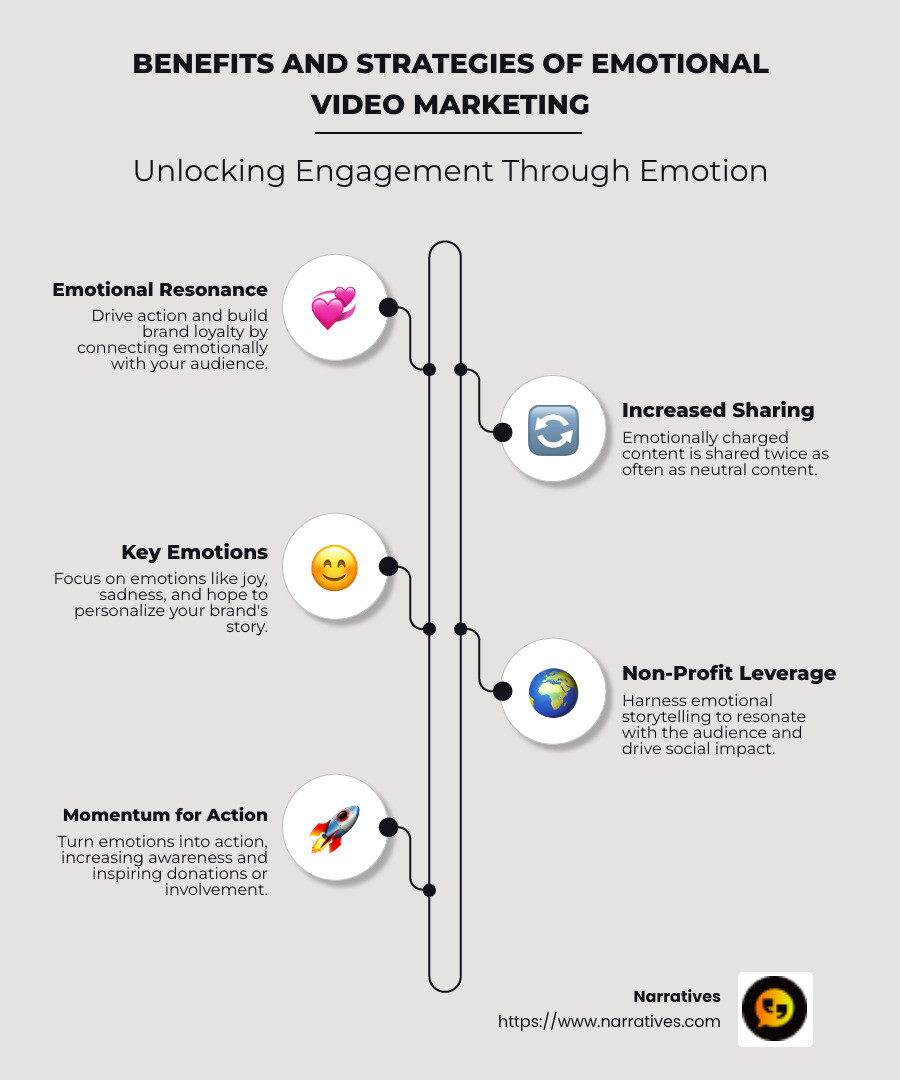
- Emotional resonance drives action and builds brand loyalty.
- Emotionally charged content is shared twice as often as neutral content.
- Emotions like joy, sadness, or hope can personalize your brand's story.
Non-profit organizations have a unique opportunity to harness emotional video marketing. By creating authentic, heartfelt narratives, you can resonate deeply with your audience and propel meaningful change. As Dove's campaign showed, flipping the script to highlight real challenges and triumphs can powerfully dismantle obstacles like self-esteem issues.
The strategies and techniques in emotional video marketing are not just about evoking feelings; they're about turning those feelings into action. Whether it's increasing awareness or inspiring donations, building emotional engagement through video can give your mission the momentum it needs.
Similar topics to Emotional video marketing:
The Power of Emotional Video Marketing
Emotion marketing is a game-changer. It's not just about selling a product or promoting a service; it’s about creating a bond with your audience. This bond is built through storytelling—the art of weaving narratives that touch the heart.
Why Storytelling Matters
Storytelling is the backbone of emotional video marketing. It turns abstract ideas into relatable experiences. For example, Proctor & Gamble's "Proud Sponsor of Moms" campaign during the 2010 Winter Olympics didn't just advertise products. It celebrated the emotional journey of motherhood, connecting with audiences on a personal level. This approach not only boosted brand loyalty but also solidified P&G's reputation as a brand that truly understands its consumers.
Emotional Connection: The Catalyst for Action
An emotional connection can transform a passive viewer into an active supporter. Consider the Google Search Story, "Parisian Love", which aired during the 2010 Super Bowl. This simple yet powerful narrative used a series of search queries to tell a love story. The emotional impact was so profound that it left viewers in tears and significantly increased engagement with Google's brand.
Emotions That Drive Engagement
Certain emotions are particularly effective in video marketing. Emotions like joy, nostalgia, and surprise can create memorable experiences that viewers want to share. For instance, Nintendo's heartwarming video about a brother and sister staying connected through a gaming console showcases how happiness and nostalgia can be used to create a compelling narrative.
Key Emotions in Video Marketing:
- Joy: Creates positive associations and encourages sharing.
- Sadness: Can prompt empathy and drive action, like donations or support.
- Nostalgia: Connects past experiences with present feelings, enhancing relatability.
- Surprise: Captures attention and keeps viewers engaged.
From Emotions to Actions
The ultimate goal of emotional video marketing is to inspire action. Whether it's sharing a video, making a purchase, or supporting a cause, the emotional connection you create with your audience can lead to tangible results. This is why understanding and using the power of emotions is crucial for any successful marketing strategy.
In the next section, we'll explore the techniques used to evoke these powerful emotions in videos, including the use of visuals, audio, and the intriguing Kuleshov Effect.
Techniques to Evoke Emotion in Videos
Creating an emotional connection through video is both an art and a science. It involves a careful mix of visuals, audio, storytelling, and techniques like the Kuleshov Effect to touch the heartstrings of viewers. Let's break down these components and see how they work together to make emotional video marketing effective.
Visuals: The First Impression
Visual elements are the first things viewers notice. They set the tone and mood of the video. Using vibrant colors can evoke joy and excitement, while muted tones might convey sadness or nostalgia. Quick cuts can create a sense of urgency, while slow motion can emphasize an emotional moment.
- Color Psychology: Colors can influence emotions. For example, blue often evokes feelings of trust and calmness, while red can create excitement or urgency.
- Imagery: Use relatable imagery that resonates with your target audience. This helps in forming a connection right away.
Audio: The Emotional Amplifier
Sound is a powerful tool in video marketing. It can heighten emotions and make a story more memorable. Consider the impact of a well-chosen soundtrack or a powerful voiceover.
- Music: The right song can make viewers feel happy, sad, or inspired. Music with a fast tempo can energize, while a slow, soft melody can calm or sadden.
- Sound Effects: Subtle sound effects can improve realism and emotional depth, making the viewer feel immersed in the story.
Storytelling: The Heart of the Video
As discussed earlier, storytelling is crucial in creating emotional connections. A well-told story can turn viewers into advocates for your brand.
- Narrative Structure: Start with a hook, build to a climax, and end with a resolution. This keeps viewers engaged and emotionally invested.
- Character Development: Characters should be relatable and evoke empathy. Viewers should see themselves or someone they know in the characters, which strengthens the emotional bond.
The Kuleshov Effect: Creating Context
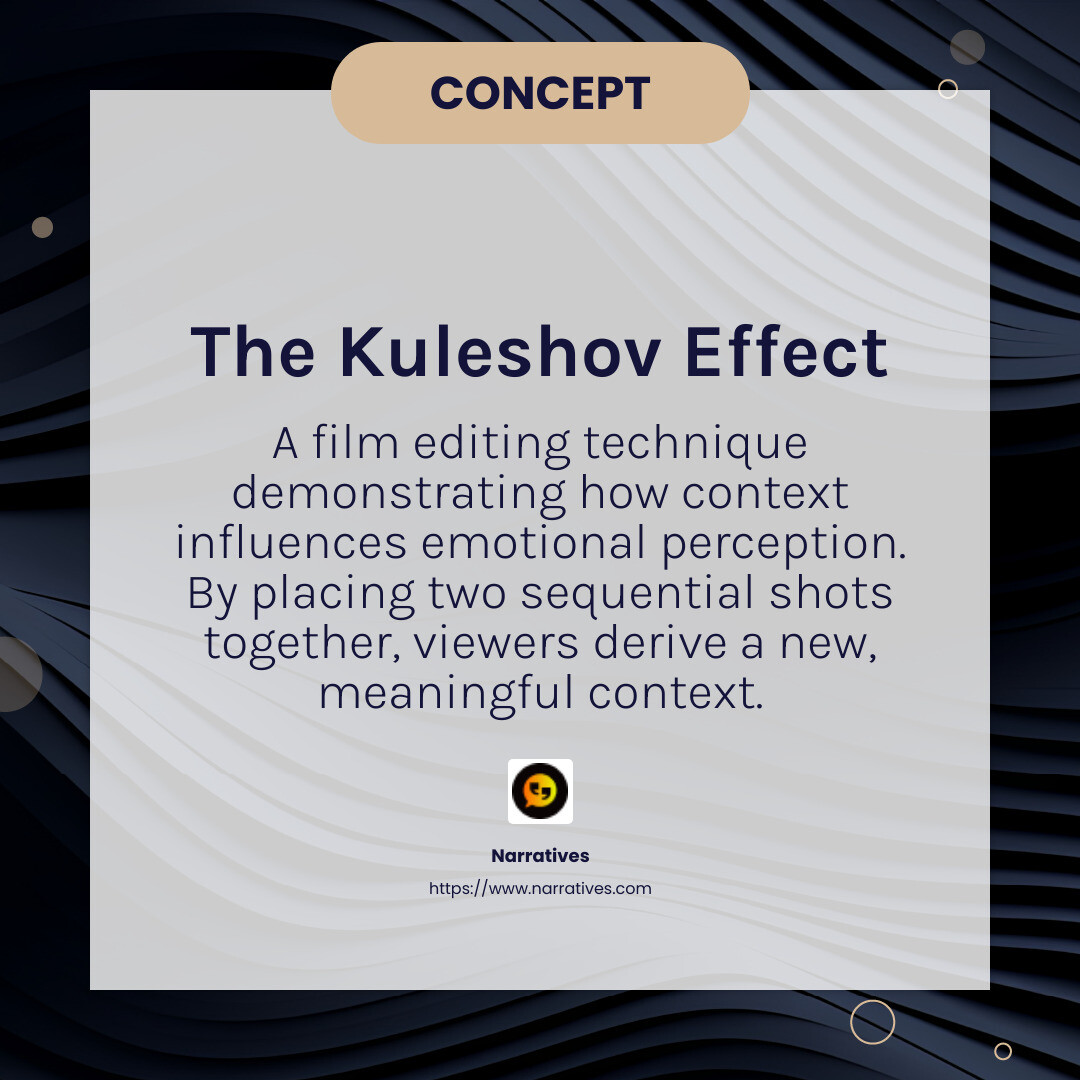
The Kuleshov Effect is a film editing technique that shows how viewers derive more meaning from the interaction of two sequential shots than from a single shot in isolation. This effect can be used to evoke emotions by creating context and telling a story without words.
- Juxtaposition: Place contrasting images side by side to create a new meaning or emotion. For example, showing a child playing followed by an image of a war-torn landscape can evoke feelings of innocence lost.
- Implied Emotion: Use facial expressions and reactions in one shot to imply emotions in another. This can subtly guide the audience's emotional response.
By combining these elements—visuals, audio, storytelling, and the Kuleshov Effect—marketers can craft videos that not only capture attention but also leave a lasting emotional impact. In the next section, we’ll explore how interactivity can further improve emotional engagement in video marketing.
Enhancing Emotional Engagement with Interactivity
Interactive videos are changing the way brands connect with audiences. Unlike traditional videos, interactive videos invite viewers to engage directly with the content, making them active participants rather than passive observers. This approach heightens emotional engagement and deepens the viewer’s connection to the story being told.
Interactive Videos: A New Level of Engagement
Imagine watching a video where you can choose the storyline or click on objects for more information. This level of interactivity gives viewers a sense of control and ownership over their experience. It’s no longer just a video; it’s a journey they help shape.
- Interactive Storytelling: Viewers can influence the narrative by making choices that impact the storyline. This personal involvement makes the story more engaging and memorable.
- Clickable Elements: Allow viewers to click on parts of the video to reveal additional content or information, enhancing their understanding and emotional connection.
Gamification: Fun Meets Emotion
Gamification incorporates game-like elements into videos, making them more engaging and emotionally charged. By tapping into the human desire for challenge and reward, gamified videos can create a more immersive experience.
- Achievements and Rewards: Viewers can earn badges or rewards for completing certain tasks within the video. This not only makes the experience fun but also encourages continued engagement.
- Competitive Elements: Introduce friendly competition by allowing viewers to compete against friends or other viewers, which can heighten emotional stakes and investment.
Personalization: Tailoring the Experience
Personalized videos take emotional engagement to another level by tailoring content to individual viewers. When viewers see content that reflects their interests and needs, it creates a powerful emotional connection.
- Data-Driven Personalization: Use viewer data to customize video content, making it more relevant and engaging for each individual. This could involve personalized greetings or recommendations based on past interactions.
- Empathy and Understanding: Address viewers directly, acknowledging their unique preferences and concerns. This fosters a sense of being understood and valued, which strengthens emotional ties.
Interactive videos, gamification, and personalization are powerful tools in the arsenal of emotional video marketing. By incorporating these elements, brands can create more engaging, memorable, and emotionally resonant experiences for their audiences. In the next section, we’ll dig into how emotional video marketing can be particularly impactful for non-profits, using emotion for social impact and community-driven storytelling.
Emotional Video Marketing for Non-Profits
Non-profits have a unique opportunity to harness emotional video marketing to drive social impact. By telling stories that resonate on a human level, they can connect deeply with their audience.
Social Impact through Storytelling
At the heart of non-profit video marketing is storytelling. It’s about capturing real-life experiences that highlight the mission and values of the organization. When viewers see the tangible impact of their support, they are more likely to engage and contribute.
Consider the moving video from Save the Children, which uses the "second a day" format to show the devastating effects of war on a child’s life. This approach not only informs but also compels viewers to act.
Community-Driven Storytelling
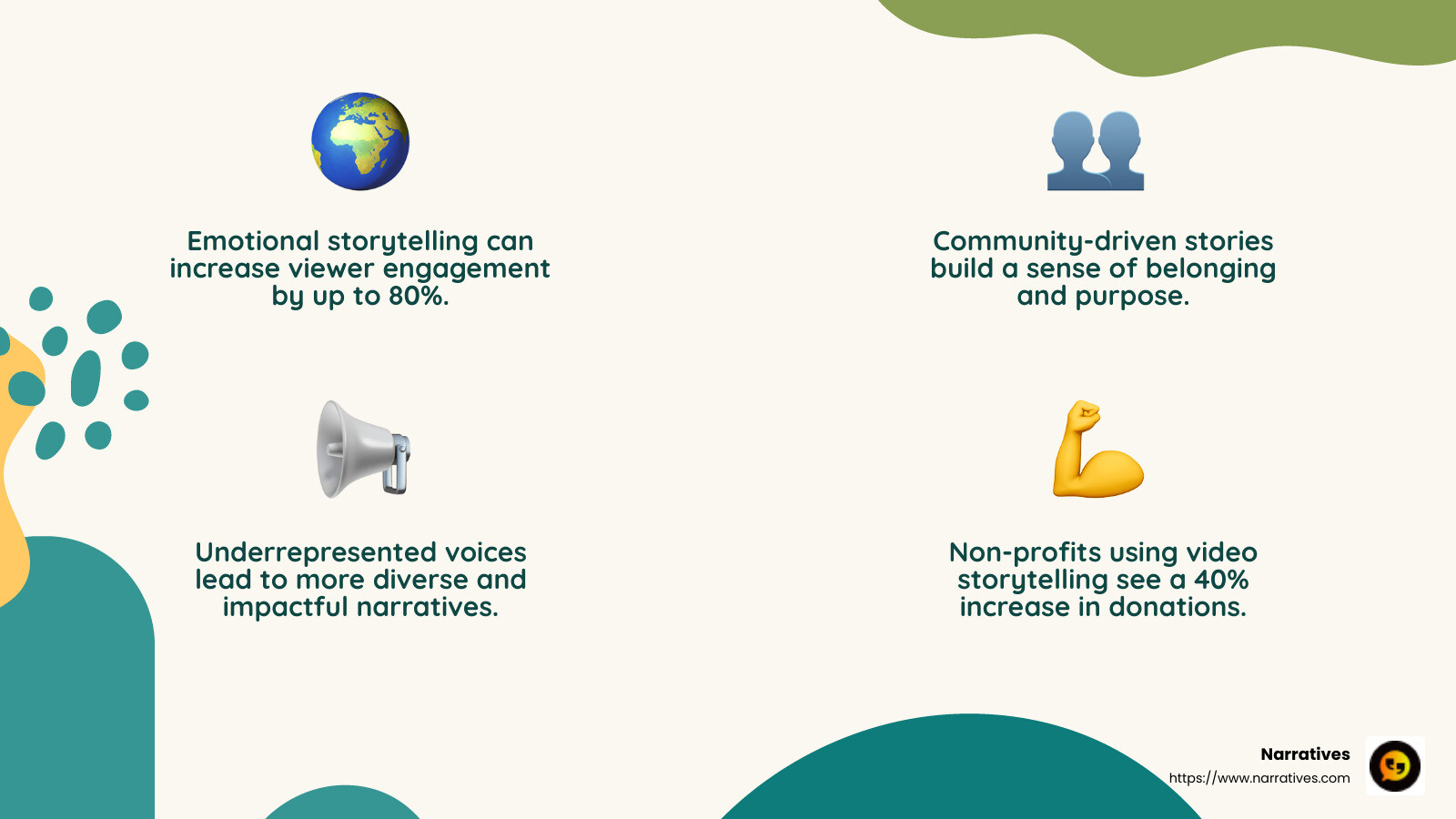
Non-profits thrive on community. By focusing on community-driven storytelling, they can highlight the voices and stories of those they serve. This approach not only raises awareness but also fosters a sense of community and belonging among viewers.
For example, Narratives works with non-profits to create content that showcases the communities they serve. This involves highlighting their struggles and triumphs, encouraging viewers to support these causes.
Amplifying Underrepresented Voices
Giving a platform to underrepresented voices is crucial in non-profit video marketing. By sharing the stories of individuals who are often unheard, non-profits can create powerful emotional connections and inspire change.
A great example is the work done by Pars Equality Center, which supports Persian-speaking immigrants. By telling their stories, Pars Equality Center not only raises awareness but also empowers these communities.
Key Takeaways:
- Authentic Storytelling: Use real stories to connect with viewers on an emotional level.
- Community Focus: Highlight the role of community in driving change.
- Empowerment: Give voice to those who are often unheard, creating a platform for change.
By focusing on social impact, community-driven storytelling, and amplifying underrepresented voices, non-profits can harness the power of emotional video marketing to inspire action and drive meaningful change.
Frequently Asked Questions about Emotional Video Marketing
How does emotion influence consumer behavior?
Emotions are powerful drivers of consumer behavior. When a video evokes emotion, it creates a memorable experience that sticks with viewers long after they've watched it. This emotional connection can lead to increased brand loyalty, higher engagement, and greater likelihood of purchase.
For instance, the Kuleshov Effect demonstrates how viewers can interpret neutral images differently based on the context provided by surrounding visuals. This technique can be used in video marketing to guide consumer perception and influence behavior.
What emotions are most effective in video marketing?
Different emotions can be harnessed to achieve various marketing goals. Here are some of the most effective emotions used in emotional video marketing:
- Happiness: Uplifting content can create a positive association with a brand, encouraging viewers to share the video and engage with the brand.
- Nostalgia: Tapping into fond memories can evoke a sense of longing and connection, making viewers more receptive to the brand's message.
- Trust: Establishing trust through authentic storytelling can improve brand credibility and foster consumer loyalty.
- Surprise: Unexpected twists can capture attention and make the content more memorable.
Negative emotions like fear or guilt can also be effective, but they should be used carefully and always paired with a solution or positive outcome.
How can non-profits leverage emotional video marketing?
Non-profits can use emotional video marketing to amplify their message and inspire action. Here are some strategies:
Focus on Real Stories: Highlight personal stories that reflect the mission and impact of the organization. This approach can foster empathy and motivate viewers to support the cause.
Community Involvement: Encourage community participation by showcasing the collective efforts and successes of those involved. This can create a sense of belonging and shared purpose among viewers.
Empower Underrepresented Voices: Give a platform to voices that are often unheard. By sharing diverse perspectives, non-profits can raise awareness and drive meaningful change.
For example, the Pars Equality Center effectively uses video to tell the stories of Persian-speaking immigrants, showcasing their challenges and triumphs. This not only raises awareness but also empowers the community and inspires viewers to take action.
By leveraging these strategies, non-profits can harness the power of emotional video marketing to connect with their audience and drive social impact.
Conclusion
Emotional video marketing is more than just a trend—it's a powerful tool that can transform how organizations connect with their audience. At Narratives, we understand the unique potential of digital storytelling to foster deep emotional connections and build lasting brand loyalty.
Narratives is dedicated to elevating underrepresented voices and helping non-profits share their impact stories in a way that truly resonates. Our approach centers around creating high-quality, emotionally engaging content that not only highlights the mission of our partners but also inspires action and builds trust.
By focusing on community-driven storytelling, we enable organizations to amplify their social impact and reach a broader audience. When viewers see real stories of change and hear authentic voices, they are more likely to feel a personal connection and become advocates for the cause.
Brand loyalty is not just about repeated transactions; it's about creating a community of supporters who believe in your mission. With emotional video marketing, you can cultivate this loyalty by consistently delivering content that moves, inspires, and motivates.
Ready to harness the power of emotional storytelling for your organization? Visit our media services page to learn how we can help bring your stories to life and drive meaningful engagement with your audience.

.avif)