Video Content Creation 101: A Beginner's Guide

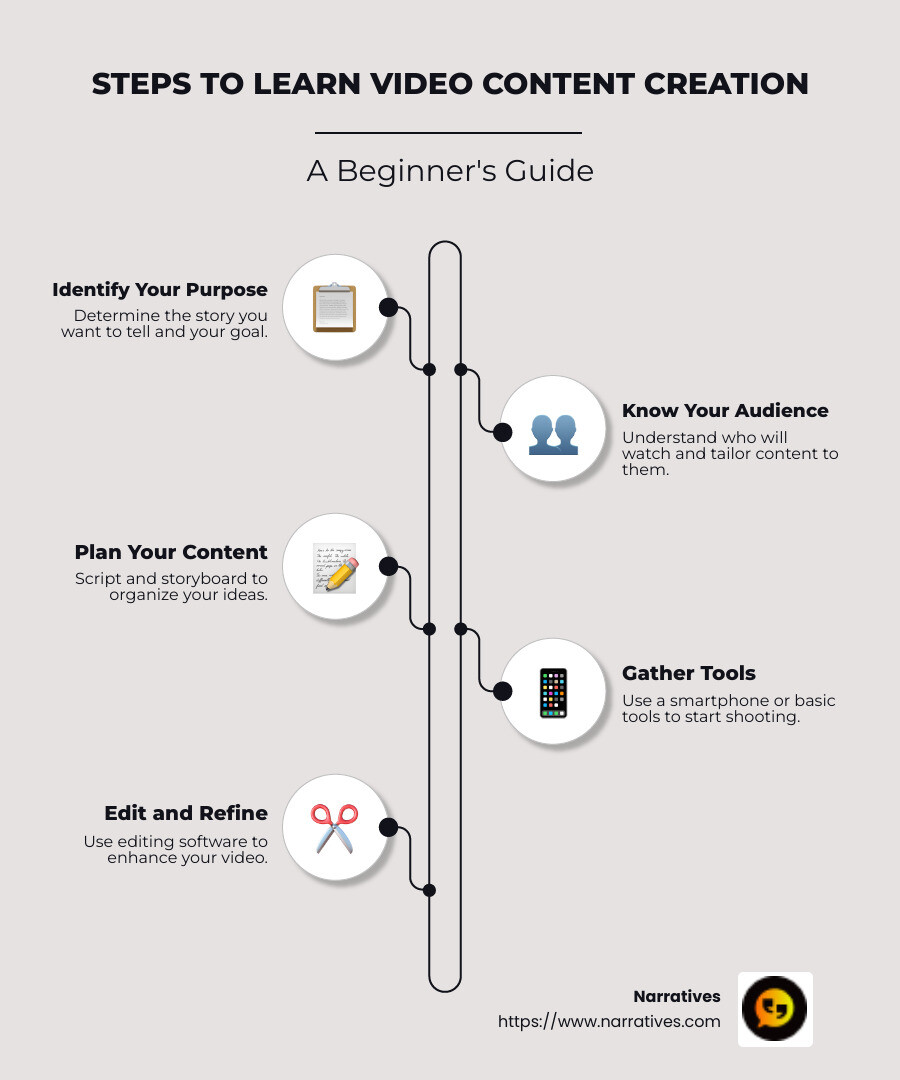
How to learn video content creation for beginners has become an essential skill in today’s digital age. If you're eager to start creating videos that captivate and engage, follow these quick steps:
- Identify Your Purpose: Understand the story you want to tell and your video's goal.
- Know Your Audience: Determine who will be watching and tailor your content to their preferences.
- Plan Your Content: Script and storyboard to organize your ideas clearly.
- Gather Tools: Use a smartphone or basic video tools to start shooting your footage.
- Edit and Refine: Use simple editing software to piece together your video and improve it with graphics or music.
- Share and Engage: Distribute your content across the right platforms and interact with your audience through comments and shares.
In an era where nearly 93% of internet users consume online video content (Statista), it's clear that video is a vital form of communication. Video content allows you to connect with your audience in a visceral way, making storytelling more impactful than ever. By tapping into our shared love for compelling narratives, video improves audience engagement by turning passive viewers into active participants. As social media platforms increasingly prioritize video, your stories can reach broader audiences, boosting your impact and mission.
Learning the ropes of creating video content might seem daunting at first. However, with a focus on storytelling and audience engagement, you'll soon find that it's all about weaving a narrative that resonates. This guide will illuminate the path to mastering video content, providing both the confidence and tools you'll need to succeed.
Key terms for how to learn video content creation for beginners:
Understanding Video Content Creation
Video content is everywhere. It's on your social media feeds, in your emails, and even on the websites you visit. But what exactly is video content? Simply put, it's any digital material that includes a video. This could be a YouTube vlog, a live stream on Instagram, or even a webinar for work.
Digital materials have evolved with technology. The rise of the internet and smartphones means creating videos is easier than ever. Remember when making a video required bulky cameras and expensive equipment? Those days are gone. Now, your smartphone can shoot high-quality videos, edit them, and even upload them directly to your favorite platforms.

Smartphones are game-changers in video creation. With built-in cameras and editing apps, they're like having a mini studio in your pocket. This accessibility means anyone can start making videos, whether you're a business owner, a student, or just someone who loves to share stories.
Why Video Content Matters
Video is not just a trend—it's a powerful tool for storytelling. It allows you to connect with your audience on a deeper level, creating an emotional bond through visuals and sound. Research shows that videos are more engaging and memorable than text or images alone. This makes video an effective way to communicate your message and keep your audience interested.
Getting Started with Video Content
If you're new to video content creation, start with what you have. Use your smartphone to film short clips, test different angles, and experiment with lighting. The key is to tell a story that resonates with your audience.
Keep the process simple:
- Plan Your Story: Know what you want to say and how you want to say it.
- Shoot with Your Smartphone: Practice makes perfect. Don't worry about perfection, just start creating.
- Edit and Share: Use basic editing apps to refine your videos and share them on platforms where your audience hangs out.
By embracing the power of video content, you can reach a wider audience and make a lasting impact. As you continue to learn and grow, you'll find that video is not just about technology—it's about connecting with people through stories that matter.
How to Learn Video Content Creation for Beginners
Step-by-Step Guide
Creating engaging video content starts with understanding your purpose and knowing your audience. Think of your video as a story you want to share. What message do you want to convey? And who are you speaking to? This clarity will guide every step of your video creation process.
Purpose and Audience
Before you hit record, ask yourself: What do I want my viewers to feel or do after watching my video? Whether your goal is to entertain, inform, or inspire, having a clear purpose will shape your content.
Next, identify your audience. Are they young adults on TikTok, or professionals on LinkedIn? Knowing your audience helps tailor your video's tone and style to match their preferences.
Scripting
With your purpose and audience in mind, it's time to script your video. A script acts as a roadmap, ensuring you cover all key points. Depending on your video type, you might need a detailed script or just bullet points highlighting the main ideas. For example, a one-person vlog might only require a list of topics, while a corporate explainer video benefits from a full script.
Test Shoots
Before diving into full production, conduct test shoots. Use your smartphone or camera to capture short clips. Experiment with different angles and lighting to see what works best. This practice helps you get comfortable with your equipment and refine your shooting skills.
Import and Trimming
Once you've captured your footage, it's time to import it into your video editing software. Arrange your clips in the desired sequence and start trimming. Trimming removes unnecessary parts, making your video concise and engaging. Focus on keeping the pace lively to maintain viewer interest.
Tools and Equipment
To create high-quality video content, investing in the right tools is essential.
Microphone
Good audio is crucial. A microphone improves sound quality, ensuring your message is clear. While your camera's built-in mic is a start, an external microphone can significantly improve audio clarity.
DSLR Camera
If you want to step up from your smartphone, consider using a DSLR camera. These cameras offer superior image quality and more control over settings like focus and exposure. They're ideal for professional-looking videos.
Riverside
For those recording remotely or conducting interviews, Riverside is a great tool. It allows you to record high-quality video and audio without relying on internet speed. This means you get crisp, clear recordings every time.

With these tools and steps, you're on your way to mastering video content creation for beginners. The key is to start simple, keep practicing, and always focus on telling a story that resonates with your audience.
Next, we'll explore different types of video content you can create to captivate your viewers.
Types of Video Content
Inspiring Examples
Creating different types of video content can help you connect with your audience in unique ways. Let's explore some popular formats and see how others have done it successfully.
Interviews
Interviews are a fantastic way to dive deep into a topic or get to know someone interesting. They allow for engaging discussions and storytelling. A great example is Vogue's 73 Questions series. In these videos, a cameraman follows celebrities around their homes while asking rapid-fire questions. This format not only reveals personal insights but also keeps viewers entertained with its dynamic style.
Vlogs
Vlogs, or video blogs, offer a personal touch by allowing creators to speak directly to their audience. They are like video diaries, capturing everyday moments and thoughts. Rachel Aust, a lifestyle YouTuber, excels in this format. In her vlogs, she shares tips on building confidence and overcoming shyness. Her approach makes viewers feel as if they're having a one-on-one conversation with her.
Webinars
Webinars are perfect for educational content and live interaction. They provide a platform for teaching and sharing information with an audience in real-time. A notable example is the webinar on neuroscience and recruitment decisions. It offers valuable insights while allowing viewers to ask questions and engage with the content.
How-to Tutorials
How-to tutorials are essential for teaching new skills or solving problems. Epic Gardening is a channel that does this exceptionally well. They use their platform to educate viewers on gardening techniques, such as dealing with garden pests. These tutorials are structured in easy-to-follow steps, making them accessible to beginners and experts alike.
These examples demonstrate the power of diverse video content formats. Each type, whether it's an interview, vlog, or webinar, offers unique ways to engage and inform your audience. By drawing inspiration from these successful creators, you can find the right style for your own content.
Next, we'll dive into tips for creating effective video content that truly resonates with viewers.
Tips for Effective Video Content
Creating effective video content involves more than just hitting the record button. To truly connect with your audience, focus on three key elements: authenticity, lighting, and subtitles.
Authenticity
Being authentic in your videos is crucial. Viewers are drawn to genuine content that feels real and relatable. Authenticity builds trust and makes your audience feel like they are connecting with a real person, not just a brand. "Authenticity is engaging"—so relax, be yourself, and let your personality shine through.
Lighting
Good lighting can dramatically improve the quality of your videos. It helps set the mood and ensures your viewers can see you clearly. Natural light is a great option if you're filming during the day. Position yourself facing a window for soft, even lighting. If you're shooting at night or need more control, consider using affordable LED lights to brighten your setup. Proper lighting not only improves video quality but also keeps your audience focused on the content.
Subtitles
Subtitles are an often overlooked yet powerful tool. They make your videos accessible to a wider audience, including those who are hard of hearing or watching without sound. Subtitles also help with viewer retention, as people are more likely to stay engaged when they can read along. Many platforms, like YouTube, offer automatic subtitle generation, but it's always a good idea to review and edit them for accuracy.
By incorporating these tips into your video content creation process, you'll be well on your way to producing videos that not only look professional but also resonate deeply with your audience.
Next, we'll address some frequently asked questions about video content creation to help you further refine your strategy.
Frequently Asked Questions about Video Content Creation
When diving into video content, beginners often have many questions. Let's explore some common queries to help you kickstart your journey.
What are good video ideas?
Coming up with engaging video ideas is crucial for capturing your audience's attention. Here are a few popular types of video content to consider:
How-to Videos: These are perfect for demonstrating skills or explaining processes. They're particularly effective if you're aiming to educate your audience. According to research, tutorials and how-to videos rank among the most consumed types of content.
Interviews: Conducting interviews with industry experts or interesting personalities can provide valuable insights and attract viewers. Interviews add depth to your content and build credibility.
Vlogs: Vlogs offer a more personal touch, allowing viewers to connect with you on a deeper level. Sharing your experiences or thoughts in a vlog format can humanize your brand and foster community.
How do I find video content ideas?
Generating fresh and relevant video content ideas can be challenging, but these strategies will keep your creative juices flowing:
Audience Research: Understanding your audience is key. Conduct surveys or polls to find out what topics they are interested in. Platforms like YouTube offer insights into popular search terms, which can guide your content creation.
Trends: Staying updated with current trends is essential. Platforms like TikTok and Instagram can be great sources for spotting emerging trends, which you can then adapt to your niche.
Competitor Analysis: Observing what your competitors are doing can provide inspiration. Analyze their most popular videos to identify content gaps you can fill or present with a unique twist.
What video content is most popular?
Understanding what types of video content are currently popular can guide your strategy and help you reach a wider audience. Here's a breakdown of some trending video content:
Music Videos: As per Statista, music videos consistently top the charts in terms of views. They are universally appealing and can draw a large audience.
Tutorials: As mentioned earlier, how-to videos are highly sought after. They offer educational value and cater to viewers looking to learn something new.
Live Streams: Live streaming has gained immense popularity due to its interactive nature. It allows real-time engagement with your audience, making them feel part of a community.
By exploring these areas and leveraging insights from your audience and industry trends, you can create compelling video content that resonates and engages.
Next up, we'll wrap up our guide with some final thoughts on how Narratives can support non-profit storytelling and drive social impact.
Conclusion
Video content is a powerful tool for storytelling. It allows us to connect with audiences in a meaningful way. For non-profits and purpose-driven organizations, video content is an opportunity to share impact stories that resonate emotionally and inspire action.
At Narratives, we specialize in helping non-profits lift their stories. We focus on amplifying underrepresented voices to foster social impact. Our approach is designed to build trust and increase visibility through high-quality, emotionally resonant video and multimedia content.
By partnering with us, non-profits can effectively communicate their mission and showcase their work. This not only helps in mobilizing support but also in creating a community around shared values. Through storytelling, we can drive change and make a difference.
As you start on your journey of video content creation, every story has the power to inspire and transform. Whether you're sharing a success story, highlighting a community initiative, or calling for support, your video content can be a catalyst for positive change.
To learn more about how we can assist in crafting your narrative and achieving your goals, visit our service page for more information.
Together, we can use the power of video to create a lasting impact and build a better world.
.avif)