Lights, Camera, Ethics: Understanding the Role of Ethics in Video Production

The importance of ethics in video production cannot be overstated. When video content is increasingly accessible and influential, ethical considerations play a critical role in shaping narratives that are both impactful and responsible. Without a strong ethical framework in place, video producers risk compromising the integrity of their work and the dignity of those portrayed.
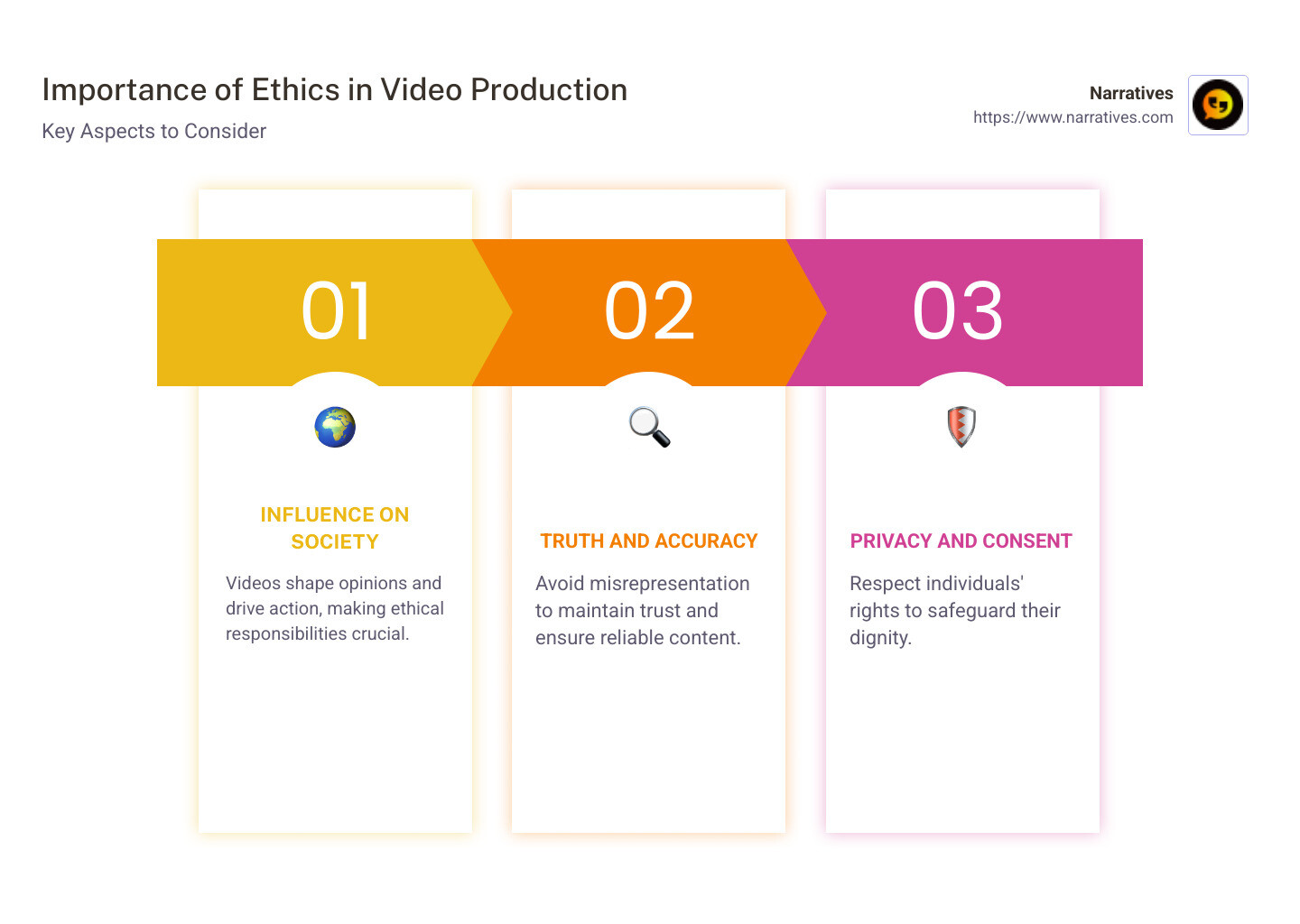
- Influence on Society: Videos shape opinions and drive action, making ethical responsibilities crucial.
- Truth and Accuracy: Misrepresentation can mislead and damage trust.
- Privacy and Consent: Respecting individuals’ rights safeguards their dignity.
Ethical video production is about more than legality; it's about maintaining trust and integrity. This requires creators to be mindful of the stories they tell, ensuring they are truthful, respectful, and considerate of the individuals and communities involved.
Importance of ethics in video production basics:
The Importance of Ethics in Video Production
Balancing Creativity and Responsibility
In video production, balancing creativity and responsibility is like walking a tightrope. On one side, you have the creative vision—a world where imagination knows no bounds. On the other, lies the ethical framework—grounded in truthfulness, accuracy, and societal impact.
Creative Vision vs. Ethical Framework
Imagine a filmmaker with a bold idea. They want to create a visually stunning documentary about a struggling community. The creative vision demands compelling visuals and engaging narratives. But the ethical framework insists that the story must be truthful and respectful of the people involved.
Truthfulness and Accuracy: These are the cornerstones of ethical storytelling. When filmmakers prioritize these values, they build trust with their audience. Misleading content, on the other hand, can erode this trust and lead to misinformation. Upholding accuracy ensures that viewers are informed, not deceived.
Impact on Society: Videos have the power to influence public opinion and behavior. Ethical video production acknowledges this impact and strives to present stories that contribute positively to society. Whether it’s a documentary or a commercial, the content should aim to educate, inspire, or uplift, rather than mislead or harm.
Navigating Conflicts
Conflicts between creativity and ethics often arise. For instance, a filmmaker might want to use dramatic music to heighten tension in a scene. But if the scene involves sensitive content, like a real-life tragedy, such embellishments could be seen as exploitative.
This is where critical examination of one’s assumptions and openness to feedback come into play. Filmmakers can consult with subject matter experts and engage with diverse communities to ensure their work respects all perspectives. Collaboration with stakeholders can help steer these conflicts, ensuring the final product is both creative and responsible.
A Case in Point
Consider the impact of deepfake technology. While it offers exciting creative possibilities, such as reviving historical figures for educational films, it also poses ethical challenges. Misuse of deepfakes can spread misinformation or violate privacy.
Conclusion
The balance between creativity and responsibility in video production is delicate but essential. By adhering to an ethical framework, creators can ensure their work is not only innovative but also trustworthy and considerate of its societal impact. This leads directly into the next section, where we explore key ethical practices in video production, such as truthful storytelling and respect for intellectual property.
Key Ethical Practices in Video Production
In video production, ethics are like the compass guiding creators through the vast seas of storytelling. Here, we'll dive into three key practices: truthful storytelling, respecting intellectual property, and protecting personal privacy. Each is crucial for building trust and maintaining integrity.
Uphold Truthful Storytelling
Truthful storytelling is the heart of ethical video production. It's about presenting an honest narrative that respects the audience's intelligence and trust. When stories are truthful, they resonate more deeply and foster a connection with viewers.
Consider the impact of misleading content. It can damage credibility and lead to misinformation. Audiences today are savvy and value authenticity. By prioritizing truthfulness, creators build a lasting bond with their viewers, ensuring that their content informs and inspires rather than deceives.
Respect for Intellectual Property
In an age where content is easily shared and replicated, respecting intellectual property is more important than ever. Every piece of music, art, or footage used in a video has a creator behind it, who deserves recognition and compensation.
Copyright laws are in place to protect these creators. Ignoring them not only risks legal issues but also undermines the spirit of creativity. By acknowledging and attributing works appropriately, video producers support a vibrant creative ecosystem where everyone's contributions are valued.
Protect Personal Privacy
When filming, especially in public or private settings, protecting personal privacy is paramount. Everyone has the right to control how their image and story are used. This is where informed consent comes into play. Before featuring individuals in videos, obtain their permission.
Failing to do so can lead to legal consequences and breach of trust. Moreover, respecting privacy demonstrates a commitment to ethical practices and shows respect for the individuals who share their stories. It reassures participants that their dignity and rights are upheld.
By embracing these ethical practices, video producers not only improve their reputation but also contribute to a media landscape that values integrity, creativity, and respect for all.
Challenges and Solutions in Ethical Video Production
Avoid Stereotypes and Harmful Messaging
In video production, avoiding stereotypes and harmful messaging is not just a good practice—it's essential. Stereotypes can perpetuate negative perceptions about vulnerable groups, leading to discrimination and bias. It's crucial to be mindful of how characters and stories are portrayed.
For example, using racial or gender stereotypes can alienate audiences and damage a brand's reputation. A case in point is the backlash faced by companies that have portrayed hurtful stereotypes in their marketing campaigns, leading to public outcry and a loss of trust.
To counteract this, use market research to understand your audience and challenge assumptions. By focusing on specific demographics rather than stereotypes, you can create content that resonates positively and inclusively.
Strive for Transparency and Accountability
Transparency and accountability are pillars of ethical video production. Being open about your sources, methods, and potential biases builds trust with your audience. This means clearly communicating how content is created and being upfront about any affiliations or influences.
Transparency is not just about honesty—it's about inviting dialogue and feedback. When audiences are aware of the production process, they are more likely to engage and trust the content.
Moreover, accountability means being willing to address mistakes and make corrections. This openness can turn potential criticism into an opportunity for growth and improvement.
By prioritizing transparency and avoiding harmful stereotypes, video producers can create content that not only entertains but also educates and uplifts. This approach fosters a media environment that is respectful, inclusive, and trustworthy.
The Role of Ethics in Documentary Filmmaking
Documentary filmmaking is a powerful tool for storytelling. It can shine a light on important issues and give voice to those who might otherwise be unheard. However, this power comes with a responsibility to maintain ethical standards, ensuring fair representation and authenticity.
Case Study: The Kite Runner
The Kite Runner provides a compelling example of the ethical challenges in filmmaking. This film, based on Khaled Hosseini's novel, faced criticism for its portrayal of sensitive topics and the potential impact on its young actors. The filmmakers chose Afghan actors to maintain authenticity, but this decision led to real-life dangers for the cast.
As Afghanistan's political climate grew more unstable, the actors feared backlash due to a controversial scene. The filmmakers delayed the film's release to help the actors relocate to safety, highlighting the importance of actor protection. This case underscores the need for filmmakers to balance creative goals with their responsibility to protect participants. 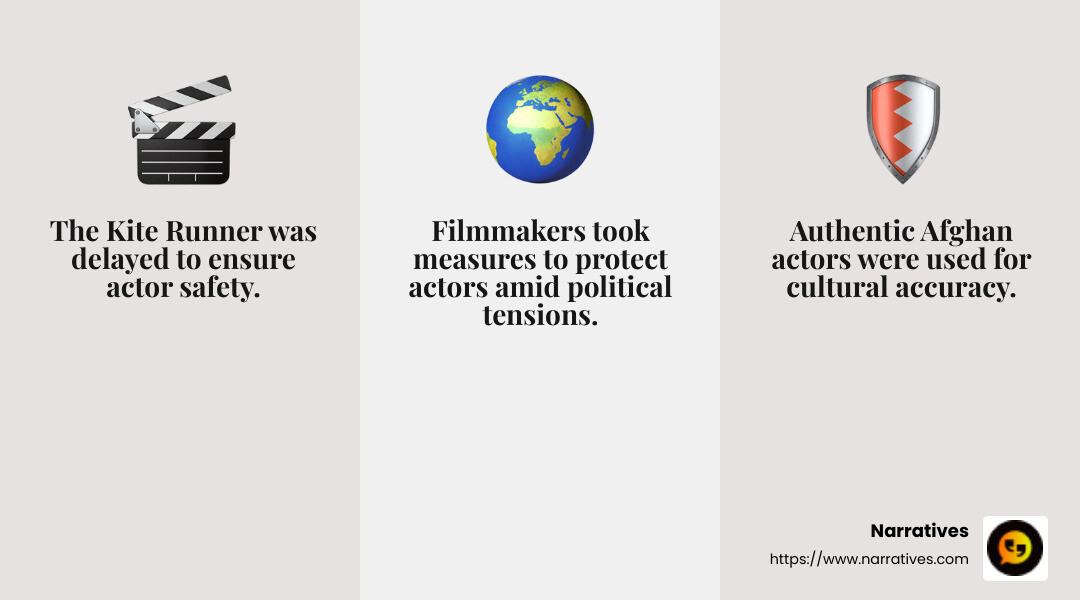
Case Study: Good Fortune
In the documentary Good Fortune, the filmmakers explored the impact of foreign aid in Kenya. This film is a prime example of how documentaries can amplify community voices and solve the complexities of aid work. The filmmakers faced the challenge of representing diverse perspectives, ensuring that the voices of those directly affected by aid projects were central to the narrative.
By highlighting both the positive and negative impacts of aid, Good Fortune presented a nuanced view that respected the dignity and experiences of its subjects. This approach illustrates the importance of multiple perspectives in documentary filmmaking. It allows the audience to see a fuller picture and encourages critical thinking about the issues at hand.
In both cases, the role of ethics in documentary filmmaking is clear. Filmmakers must strive for authenticity while ensuring the safety and dignity of their subjects. By doing so, they can create powerful, responsible narratives that engage and inform audiences.
Next, we will explore common questions about ethics in video production, providing insights into how ethical considerations impact the industry and how producers can steer these challenges.
Frequently Asked Questions about Ethics in Video Production
How do ethics impact video production?
Ethics play a crucial role in video production by guiding decisions about what content to create and how to present it. Ethical video production ensures that the content is truthful, respects the privacy of individuals, and considers the potential impact on society. This is important because videos can shape perceptions and influence behavior. For example, ethical storytelling can build trust with audiences by providing honest and accurate narratives. When producers adhere to ethical standards, they contribute to a more informed and respectful media environment.
What are common ethical dilemmas in video production?
Video producers often face ethical dilemmas that require careful consideration. Some common challenges include:
Balancing truth and creativity: Producers may feel the tension between creating engaging content and staying truthful to the subject. This is especially true in documentary filmmaking, where altering facts can mislead audiences.
Respecting privacy: Filmmakers must navigate issues of consent and privacy, ensuring that individuals featured in videos have given informed consent and are portrayed respectfully.
Avoiding stereotypes: Content creators must be mindful of not reinforcing negative stereotypes, particularly regarding vulnerable groups. This requires sensitivity and a commitment to fair representation.
How can video producers ensure ethical practices?
To ensure ethical practices in video production, creators can follow these steps:
Establish clear guidelines: Develop and adhere to guidelines that cover key ethical considerations, such as intellectual property rights and privacy.
Seek informed consent: Always obtain consent from individuals featured in the video, explaining how their image and story will be used.
Consult with experts: Engage with legal and ethical experts to navigate complex issues and ensure compliance with laws and best practices.
Foster transparency: Be open about the sources, methods, and intentions behind the video content. This builds trust with the audience and promotes accountability.
Conduct regular reviews: Regularly assess production processes to identify and address any ethical concerns that arise.
By incorporating these practices, video producers can create content that is not only engaging but also responsible and respectful. Ethics in video production are not just about avoiding problems; they are about building a strong foundation for meaningful and impactful storytelling.
Conclusion
As we steer the field of video production, the importance of ethics in video production becomes ever more apparent. At Narratives, we believe that ethical storytelling isn't just a guideline—it's a responsibility we hold to our communities and the world at large.
Narratives focuses on social impact and community-driven storytelling. By elevating underrepresented voices, we help non-profits and purpose-driven organizations share their stories in a way that inspires action and builds trust. Our approach ensures that every piece of content we create is not only compelling but also respectful and accurate.
Consider how ethical video production can transform a simple story into a powerful tool for change. When we create content that is truthful and respects the dignity of all individuals involved, we contribute to a more informed and empathetic society.
To learn more about how Narratives can help your organization harness the power of ethical storytelling, visit our service page.
In the end, our goal is simple: to craft stories that resonate with audiences and inspire meaningful action. By adhering to ethical practices, we can ensure that our narratives uplift and empower, making a lasting impact on the communities we serve.


.avif)