From Awareness to Action: Effective Nonprofit Marketing Strategies

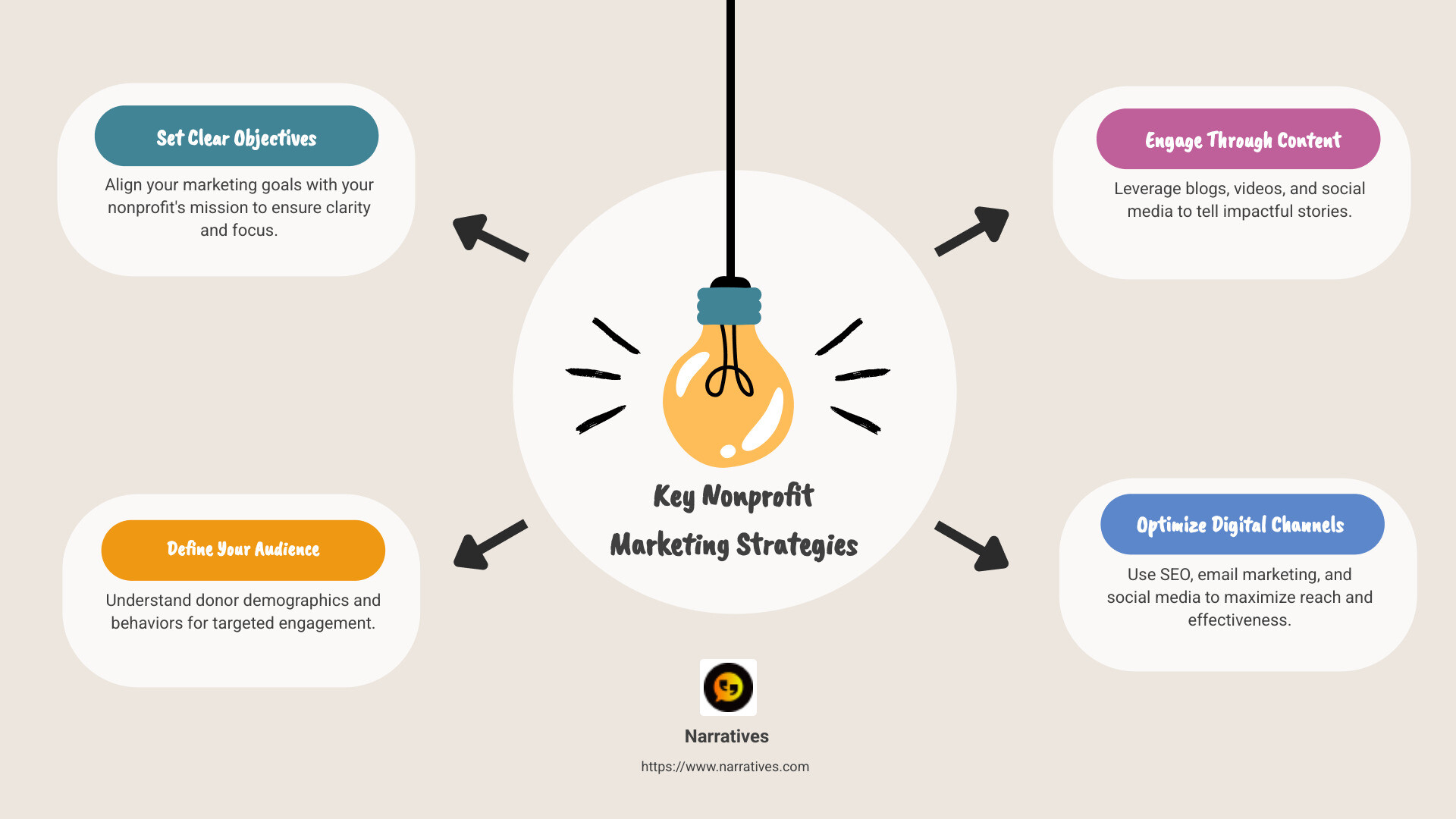
Marketing strategies for nonprofits are pivotal in driving awareness, attracting donations, and fostering community engagement. In our digital world, nonprofits must be strategic in their planning to make a meaningful impact with limited resources. Here are some key strategies to keep in mind:
- Set Clear Objectives: Align marketing goals with your mission.
- Define Your Audience: Understand donor demographics and behaviors.
- Engage Through Content: Use blogs, videos, and social media to tell your story.
- Optimize Digital Channels: Leverage SEO, email marketing, and social media.
Strategic planning isn't just about setting goals—it's about crafting a powerful narrative that resonates with your audience and builds lasting relationships. As nonprofits transition into a new year, it's time to reflect and recalibrate. As Nick Lynch from Collidescope.io suggests, "a visionary marketing plan should be adaptable" and serve as a dynamic guide throughout the year.
By focusing on what truly matters—connecting with supporters and amplifying your message—nonprofits can not only achieve their objectives but also inspire action and drive change.
Understanding Nonprofit Marketing
Nonprofit marketing is all about spreading the message of your organization, attracting donations, and engaging volunteers. Unlike traditional marketing, which often focuses on selling products, nonprofit marketing centers around promoting ideals and causes.
Definition and Purpose
At its core, nonprofit marketing involves creating strategies to amplify your organization's mission. This includes crafting compelling messages, designing logos and slogans, and developing media campaigns. The goal? To raise awareness, solicit donations, and encourage volunteer participation. As highlighted by Investopedia, effective nonprofit marketing is about using various strategies to get the attention of potential volunteers and donors.
Audience Engagement
Engaging your audience is crucial. Nonprofits need to connect with diverse groups, from donors and volunteers to board members and event attendees. Each group has unique needs and preferences, making it essential to tailor your messaging.
Consider these steps to improve audience engagement:
Know Your Audience: Identify the types of people who already support your organization. Use data to understand their demographics, behaviors, and preferences.
Create Personas: Develop detailed profiles of your target audience. This helps in crafting messages that resonate and inspire action.
Use Different Channels: From social media to email marketing, choose the right platforms to reach your audience effectively.
Nonprofits can leverage their well-defined missions to engage audiences through compelling storytelling. This is often easier for nonprofits since their causes—like social justice or environmental sustainability—naturally lend themselves to powerful narratives.
The Role of Consistency
Consistency in messaging is vital. Your nonprofit marketing plan should ensure that every piece of communication reflects the organization's mission. This not only strengthens brand identity but also builds trust with your audience.
In summary, understanding nonprofit marketing means recognizing its unique challenges and opportunities. By focusing on clear messaging and effective audience engagement, nonprofits can amplify their impact and foster meaningful connections.
Marketing Strategies for Nonprofits
Creating effective marketing strategies for nonprofits is vital for building a community, engaging donors, and utilizing digital channels. These strategies help nonprofits amplify their mission and connect with supporters in meaningful ways.
Community Building
Building a strong community is more than just gathering a list of contacts. It's about fostering deep connections among supporters. A sense of community encourages people to view their support as a core part of their identity.
Here are some practical ways to build a community:
Local Chapters: If you notice several supporters in a specific area, consider organizing local events or forming chapters. This can help in creating a localized sense of belonging and support for your cause.
Online Forums and Groups: Use social media platforms or dedicated online forums to create spaces where supporters can interact, share experiences, and rally around your mission.
Events and Meetups: Host events that allow supporters to meet, engage, and collaborate. These can be in-person or virtual, depending on your audience's preferences.
Donor Engagement
Donor engagement is about more than just asking for money. It's about creating a relationship that encourages continued support and involvement.
Consider these strategies for engaging donors:
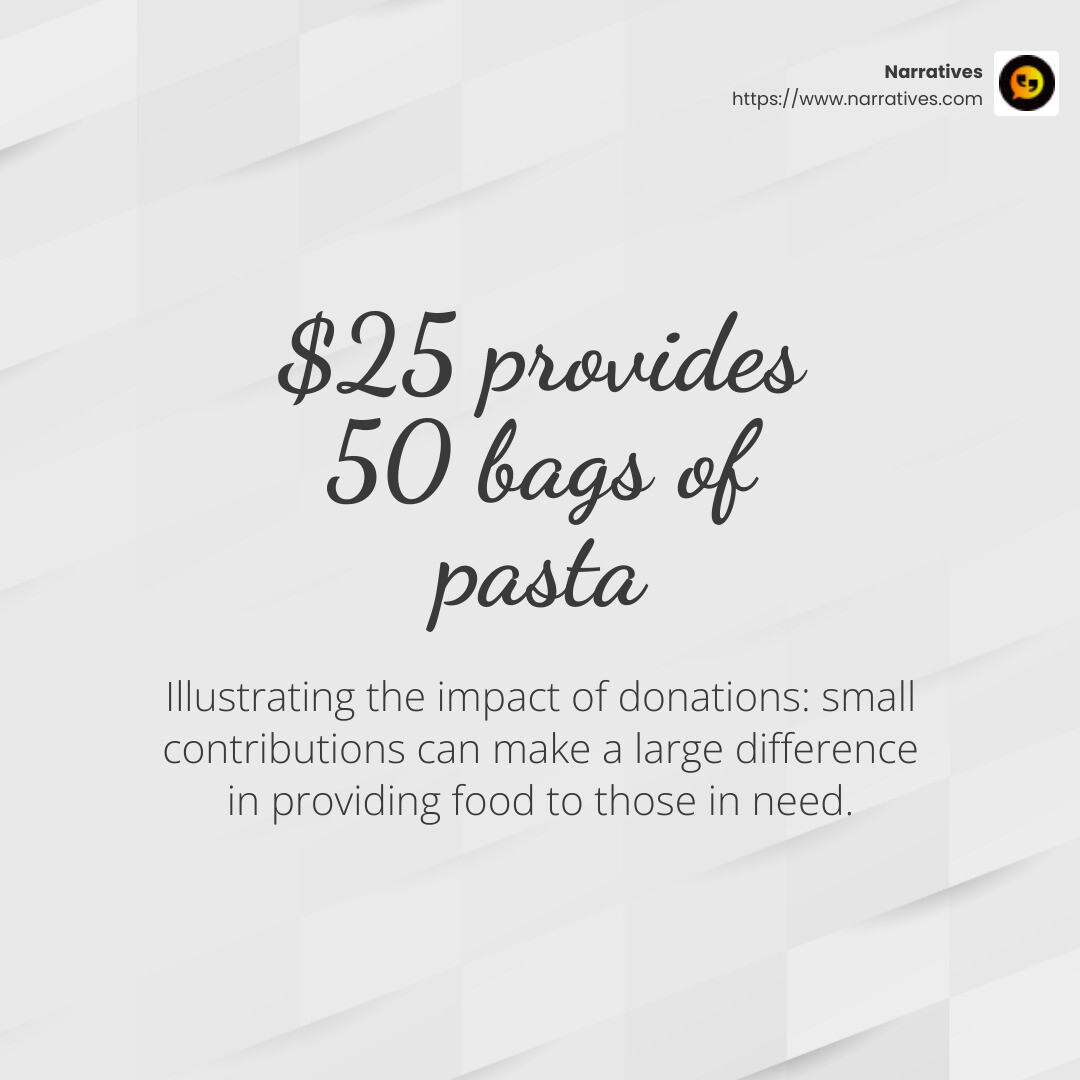
Impact Communication: Clearly communicate the impact of donations. Use stories, statistics, and visuals to show how contributions make a difference. For instance, a food bank might illustrate that "$25 provides 50 bags of pasta."
Personalized Communication: Tailor your messages to different types of donors. Use data to understand their motivations and preferences. Personal touches, like addressing them by name and acknowledging their past contributions, can go a long way.
Multiple Engagement Opportunities: Offer various ways for donors to get involved, such as volunteering, attending events, or participating in peer-to-peer fundraising.
Digital Channels
Digital channels are essential for reaching and engaging with your audience. They offer cost-effective ways to spread your message widely.
Key digital channels include:
Social Media: Platforms like Facebook, Instagram, and Twitter are powerful tools for reaching diverse audiences. Use them to share stories, updates, and calls to action.
Email Marketing: Regular newsletters and updates keep your supporters informed and engaged. Personalize emails to different segments of your audience for better results.
Search Engine Optimization (SEO): Optimize your website content to rank higher in search results. This increases visibility and attracts more potential supporters to your cause.
By focusing on community building, donor engagement, and digital channels, nonprofits can craft effective marketing strategies that resonate with their audience and amplify their mission. These strategies are not just about reaching more people but about creating lasting and meaningful connections.
Building a Strong Nonprofit Marketing Plan
Creating a strong nonprofit marketing plan is essential for turning awareness into action. It involves setting clear goals, understanding your audience, and maintaining consistent messaging. Let's break down these key components.
Goal Setting
Setting goals is like drawing a map for your nonprofit's journey. It gives you direction and helps measure success.
SMART Goals: Use the SMART model to set goals that are Specific, Measurable, Attainable, Relevant, and Time-bound. For instance, instead of saying "We want more volunteers," aim for "Increase volunteer sign-ups by 20% in the next six months."
Short and Long-term Goals: Balance immediate needs with future aspirations. Immediate goals might include increasing social media engagement, while long-term goals could focus on expanding program reach.
Audience Segmentation
Understanding your audience is crucial for effective communication. Not everyone who supports your cause is the same, so tailor your approach.
Current vs. Target Audience: Identify who is already supporting you and who you want to reach. Use data to find patterns and commonalities among your supporters.
Creating Personas: Develop personas for different supporter types. For example, one persona might be "Young Professionals," who prefer digital communication and are motivated by social justice causes.
Messaging Consistency
Consistent messaging builds trust and reinforces your brand.
Unified Voice: Ensure that all communications reflect your nonprofit's mission and values. Whether it's a tweet or a newsletter, the tone and message should feel cohesive.
Brand Guidelines: Develop guidelines that include your logo, color scheme, and key messages. This ensures everyone on your team presents a unified image.
Storytelling: Use storytelling to make your message memorable. Share real-life stories that highlight the impact of your work, like how a scholarship changed a student's life.
By focusing on goal setting, audience segmentation, and messaging consistency, nonprofits can build a marketing plan that drives meaningful engagement and supports their mission. This foundation is crucial for leveraging digital storytelling, which we'll explore next.
Leveraging Digital Storytelling
In nonprofit marketing, digital storytelling is a game-changer. It's about using visuals and narratives to create emotional connections and inspire action. Let's explore how you can harness this powerful tool.
Visual Storytelling
The human brain processes images incredibly fast—just 13 milliseconds! This makes visuals a key component of storytelling.
Photos and Videos: Capture moments that showcase your mission in action. Whether it's a smiling child benefiting from your program or a dedicated volunteer at work, these images speak volumes.
Infographics: Use infographics to present data in an engaging way. For example, show how donations have been used or the impact of your projects with clear, simple visuals.
Short-Form Videos: Platforms like TikTok and Instagram are perfect for short, impactful videos. A quick clip of a community event or a thank-you message from a beneficiary can go a long way in connecting with your audience.
Emotional Connection
Stories have the power to move people. They can turn passive viewers into active supporters.
Narratives of Impact: Share stories of how your organization has made a difference. For instance, a testimonial from a person whose life was changed by your services can be incredibly powerful.
Authenticity: Be genuine in your storytelling. People can sense when a story is real and heartfelt. Show both successes and challenges to build trust and authenticity.
Interactive Content: Encourage your audience to engage with your stories. Ask them to share their own experiences related to your cause or participate in story-driven campaigns.
Multimedia Content
Using a variety of media keeps your storytelling fresh and engaging.
Vlogs and Testimonials: Video blogs (vlogs) and testimonials from staff, volunteers, or beneficiaries provide a personal touch. They allow viewers to see the faces and hear the voices behind your mission.
Live Streams: Host live Q&A sessions or event broadcasts. This real-time interaction fosters a sense of community and immediacy.
Podcasts: Consider launching a podcast to discuss topics related to your mission. This can reach audiences who prefer listening over reading or watching.
By leveraging digital storytelling, nonprofits can create a deeper emotional connection with their audience. This connection not only raises awareness but also inspires action, turning viewers into advocates for your cause. Next, we'll explore the top digital marketing channels that can amplify these stories.
Top Digital Marketing Channels for Nonprofits
Nonprofits have a wealth of tools at their disposal to reach and engage their audience. Let's explore the top digital marketing channels that can amplify your message and drive action.
Social Media
Social media is a powerhouse for nonprofits. It allows organizations to share their stories, engage with supporters, and build a community around their cause.
Platforms: Facebook, Instagram, and Twitter are popular among nonprofits. These platforms offer a great mix of visual and text-based content options.
Growth Stats: According to a study, Facebook and Twitter followers for nonprofits grew by 42% and 37%, respectively. This shows the rapid growth and potential of social media for nonprofits.
Content Strategy: Use a balanced content strategy that includes appreciation, advocacy, and appeals. Recognize donors, engage with relevant content, and solicit support through engaging posts.
Email Marketing
Email remains a reliable channel for nonprofits to communicate directly with their supporters. It allows for custom messaging and nurturing relationships over time.
Newsletters: Send weekly or monthly newsletters with updates on events, fundraising efforts, and impact stories. This keeps your audience informed and engaged.
Segmentation: Divide your email list into subgroups based on characteristics like donation history or volunteer involvement. This allows for more personalized communication.
Open Rates: Nonprofits see an average email open rate of 15% to 18%. Crafting engaging subject lines and personalized content can help improve these rates.
SEO (Search Engine Optimization)
Keyword Research: Identify relevant keywords that your audience might search for. Incorporate these naturally into your website content to improve search rankings.
Quality Content: Create valuable and informative content that answers your audience's questions. This could include blog posts, articles, and infographics.
On-Page Optimization: Optimize title tags, meta descriptions, and headers on your website. Ensure your site is mobile-friendly, as many users access the internet via their phones.
By leveraging these digital marketing channels, nonprofits can effectively spread their message and engage a wider audience. Whether it's through compelling social media posts, informative emails, or optimized website content, each channel plays a vital role in advancing your mission. Up next, we'll dive into how to build a strong nonprofit marketing plan that ties these channels together seamlessly.
Frequently Asked Questions about Nonprofit Marketing
What is a nonprofit marketing plan?
A nonprofit marketing plan is a strategic roadmap that outlines how an organization will promote its mission and connect with supporters. It answers key questions like:
- Who: Identifies the target audience, such as potential donors, volunteers, or beneficiaries.
- What: Details the marketing materials needed, like brochures, social media posts, or videos.
- Where: Specifies the channels for outreach, including digital platforms and print media.
- When: Provides a timeline for content creation and distribution, ensuring consistent engagement.
- Why: Explains why supporters should choose your nonprofit over others, highlighting unique value propositions.
A well-crafted marketing plan helps your team stay aligned and focused, ensuring all efforts contribute to the same goals.
How can nonprofits leverage digital storytelling?
Digital storytelling is a powerful way for nonprofits to create an emotional connection with their audience. By sharing real stories and experiences, organizations can inspire action and build support. Here's how to make the most of it:
Visual Storytelling: Use photos and videos to bring your stories to life. Visuals can convey emotions and messages more effectively than words alone. Platforms like Instagram and Facebook are perfect for sharing these stories.
Emotional Connection: Share stories that resonate with your audience's values and experiences. Highlight the impact of donations and volunteer efforts to show tangible outcomes.
Multimedia Content: Combine text, images, and videos to create rich, engaging narratives. Use tools like infographics and slideshows to present information in a dynamic way.
By leveraging digital storytelling, nonprofits can foster deeper relationships with their audience and motivate them to support their cause.
What are the benefits of a strong marketing strategy?
A robust marketing strategy is essential for nonprofits aiming to amplify their impact. Here are some benefits:
Increased Awareness: A strategic approach ensures your message reaches a broader audience, raising awareness about your mission and goals.
Engaged Supporters: By using targeted messaging and engaging content, you can build a loyal community of supporters who are more likely to donate and volunteer.
Efficient Resource Use: A clear plan helps allocate resources effectively, maximizing the impact of your marketing efforts without overspending.
Consistent Messaging: Ensures that all communications reflect your organization's values and objectives, strengthening your brand identity.
A strong marketing strategy not only boosts visibility but also improves your nonprofit's ability to fulfill its mission.
Next, let's explore how to build a strong nonprofit marketing plan that ties these elements together.
Conclusion
As we wrap up our exploration of marketing strategies for nonprofits, it's clear that effective storytelling is at the heart of successful campaigns. At Narratives, we believe in the transformative power of storytelling partnerships to lift nonprofit missions. By crafting compelling stories that resonate emotionally, we help organizations connect with their audience on a deeper level.
Storytelling partnerships are not just about creating content; they are about building relationships. We work closely with nonprofits to highlight the voices and experiences that matter most. This approach not only inspires action but also fosters trust and credibility. When stories are told authentically and transparently, they can drive real change.
Brand visibility is another crucial aspect of nonprofit success. Standing out requires more than just a strong mission statement. It requires a consistent and engaging presence across multiple platforms. By leveraging digital storytelling, nonprofits can improve their visibility and reach a wider audience. High-quality multimedia content, like videos and infographics, captures attention and communicates impact effectively.
At Narratives, our goal is to be the go-to partner for nonprofits looking to share their stories in a way that inspires and motivates. We focus on elevating underrepresented voices and crafting narratives that not only inform but also move people to action.
If you're ready to take your nonprofit's storytelling to the next level, explore our media services and find how we can help you amplify your impact. Together, we can make a difference, one story at a time.


.avif)