Frame by Frame: Nonprofit Video Marketing Essentials

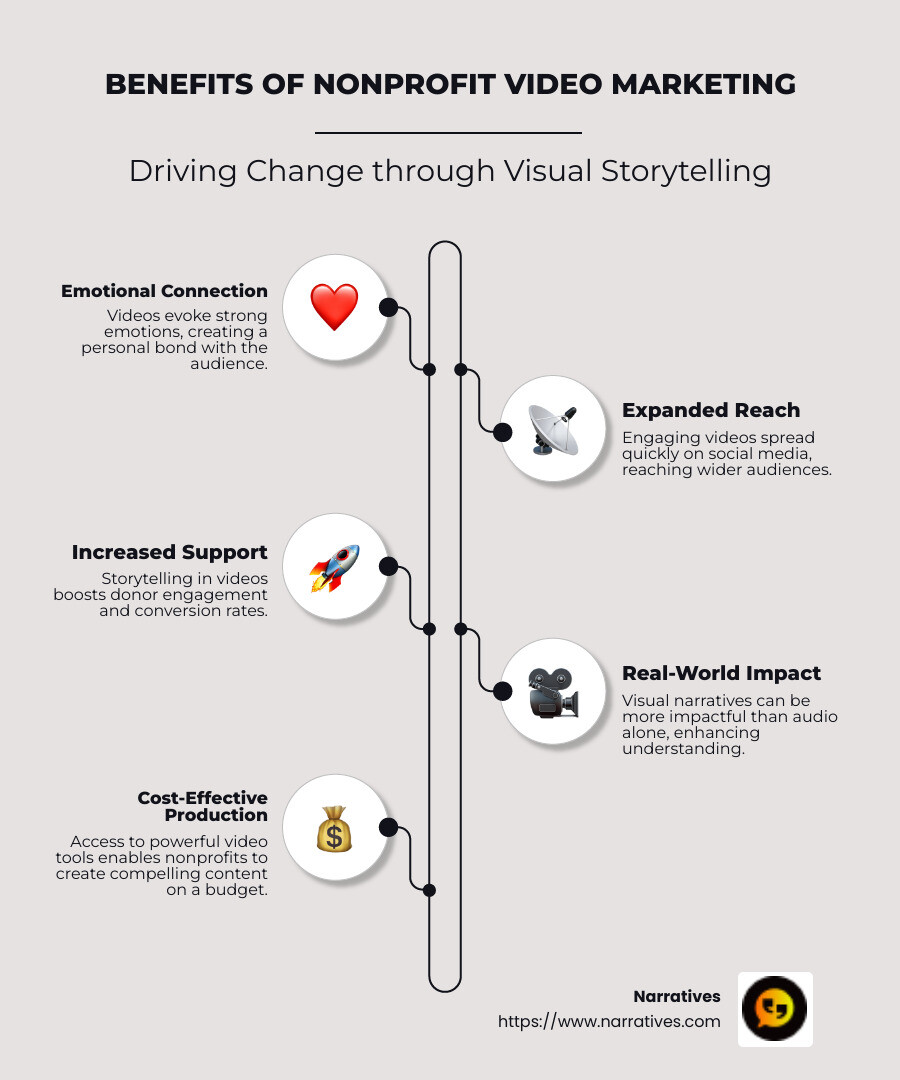
Nonprofit video marketing is essential for organizations striving to amplify their message and make a tangible impact. By strategically incorporating videos, nonprofits can successfully communicate their mission, inspire engagement, and drive support. Here’s why nonprofit video marketing is so powerful:
- Emotional Connection: Videos can evoke strong emotions, creating a personal bond between the viewer and the cause.
- Expanded Reach: Engaging videos spread quickly across social media, reaching wider audiences.
- Increased Support: Well-crafted storytelling boosts donor engagement and increases conversion rates.
In today's digital-first world, videos are a nonprofit's secret weapon for storytelling that resonates. Whether it's showcasing the stories of those they help, or illustrating the impact of their work, video content offers a unique opportunity to bring their mission to life. The access to powerful video tools means even organizations with limited resources can create compelling content that speaks to values-driven audiences.
Videos are not just about telling stories; they are about showing reality. As with immersive experiences, seeing can be profoundly more impactful than hearing. The challenge many nonprofits face is creating these visual narratives authentically and effectively. Yet, by partnering with experts in nonprofit video production, organizations can produce professional content that fuels their mission.
Understanding how to leverage video marketing right can be the deciding factor for a nonprofit's success. Making the most of this dynamic medium helps not just in raising awareness but in catalyzing real change through every share and click.
Nonprofit video marketing terms made easy:
Understanding Nonprofit Video Marketing
Nonprofit video marketing is a powerful tool for organizations eager to share their mission and engage supporters. Videos are not just about telling stories; they are about creating connections and inspiring action. Here's how nonprofits can harness the power of video to make a difference.
Types of Nonprofit Video Content
Nonprofits can use a variety of video types to reach their audience effectively:
Commercials: Short, impactful videos that highlight the nonprofit's mission and encourage viewers to take action. These are often used to introduce the organization to a broad audience.
Public Service Announcements (PSAs): These videos aim to raise awareness about specific issues or causes. They educate the public and encourage viewers to support or participate in the nonprofit's initiatives.
Fundraising Videos: Designed to inspire donations, these videos tell compelling stories about the nonprofit's impact. They often feature testimonials from beneficiaries or supporters, illustrating the difference donations can make.
Each type of video serves a unique purpose in a nonprofit's outreach strategy, helping to engage different segments of their audience.
Measuring Video Marketing Success
To ensure their video marketing efforts are effective, nonprofits need to track key metrics. Here are some critical indicators of success:
- Views: The number of times a video is watched. High view counts can indicate that the content is reaching a broad audience.
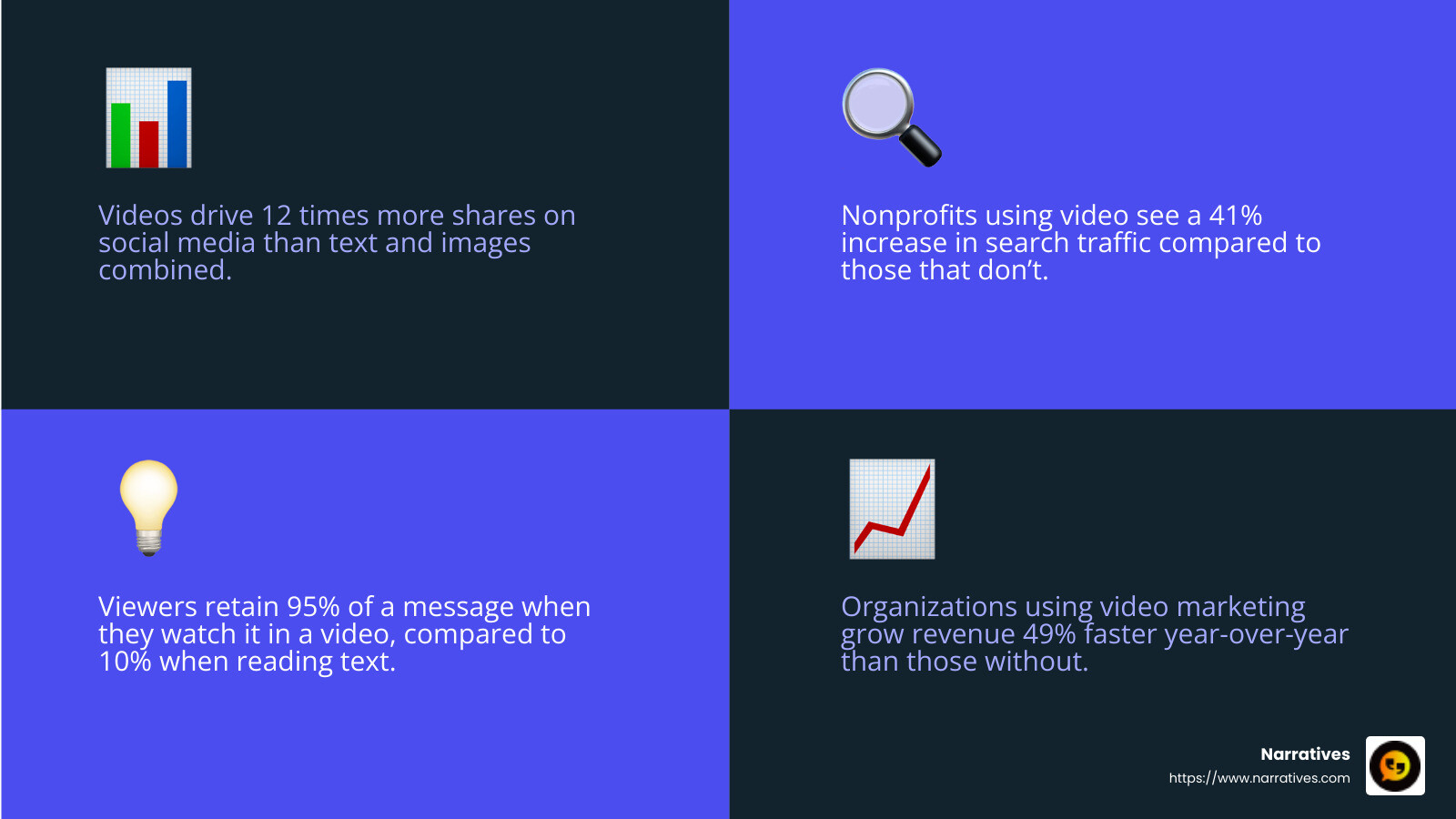
Engagement Rate: This measures how actively viewers interact with the video, such as likes, shares, and comments. A high engagement rate suggests that the content resonates with viewers.
Conversion Rate: The percentage of viewers who take a desired action after watching the video, such as donating, signing up for a newsletter, or volunteering. This metric is crucial for assessing the video’s impact on the nonprofit’s goals.
By analyzing these metrics, nonprofits can refine their video marketing strategies, ensuring they effectively engage their audience and drive meaningful support.
In conclusion, nonprofit video marketing is about more than just creating content; it's about crafting a narrative that resonates with viewers and prompts action. By understanding the types of video content available and how to measure their success, nonprofits can harness the full potential of video marketing to further their mission and catalyze change.
Strategies for Effective Nonprofit Video Marketing
Creating a successful nonprofit video marketing strategy involves more than just producing videos. It's about setting clear goals, understanding your audience, and delivering messages that resonate. Let's break down these essential components.
Establishing Clear Goals
Before diving into video creation, nonprofits must set clear goals. What do you want to achieve with your videos? Whether it's raising awareness, driving donations, or increasing engagement, having specific objectives will guide your strategy.
Timeline: Larger video projects can take weeks or even months to complete. Establish a realistic timeline and include buffer periods for unexpected delays. This helps ensure your video is ready for release when needed.
Content Calendar: A content calendar is crucial for organizing your video releases. It outlines when and where each video will be posted, ensuring a steady flow of content that aligns with your goals.
Budget: Determine your budget early on. Consider costs for scripting, filming, editing, and promotion. Keeping track of expenses helps prevent overspending and ensures resources are allocated effectively.
Conducting Audience Research
Understanding your audience is key to creating impactful videos. You can't appeal to everyone, so focus on those who can help you achieve your goals.
Surveys: Use surveys to gather insights from supporters, beneficiaries, and staff. Ask questions like: "What types of videos would you like to see?" and "Where do you prefer to watch our videos?"
Target Audience: Identify who your videos are for. Are they for potential donors, existing supporters, or the general public? Tailor your content to meet their needs and interests.
Preferences: Understanding preferences such as video length and frequency will help you create content that resonates with your audience.
Crafting Compelling Messaging
Different types of videos serve different purposes. Choose the right format to convey your message effectively.
Educational Videos: These provide in-depth information about your nonprofit's work and establish your organization as an expert in the field. They are great for building credibility and trust.
Organizational Videos: Also known as brand films, these videos introduce your nonprofit and its mission. They are essential for new audience engagement and can be used across various campaigns.
Testimonials: Featuring stories from beneficiaries, donors, or volunteers, testimonials offer authentic perspectives on your nonprofit's impact. They are powerful tools for recruitment and fundraising.
By setting clear goals, understanding your audience, and crafting custom messages, nonprofits can create videos that not only inform but also inspire action. This strategic approach ensures that each video aligns with the organization's mission and effectively engages its target audience.
Platforms for Nonprofit Video Marketing
Choosing the Right Platform
Choosing the right platform is crucial for effective nonprofit video marketing. Each platform has unique features and audiences, so understanding these can help maximize your impact. Let's explore three popular options: YouTube, Vimeo, and Facebook.
YouTube is a powerhouse in the video world. With 74% of U.S. adults watching content regularly, it offers vast potential for reach. YouTube is free and includes built-in analytics, making it easy to track engagement and ROI. It's ideal for nonprofits aiming to reach a broad audience with diverse content types, from educational videos to testimonials.
- Key Features: Free access, large audience, built-in analytics
- Best For: Broad reach, diverse content types
Vimeo offers a more custom experience. Unlike YouTube, Vimeo's smaller community means less competition, allowing your content to stand out. However, access to advanced features like analytics requires a paid plan. Vimeo is perfect for nonprofits seeking a more niche audience or those prioritizing video quality and privacy.
- Key Features: Less competition, high-quality video, paid analytics
- Best For: Niche audiences, high-quality production
Facebook is a hub for short, engaging videos that boost brand awareness. Videos can end with a landing page, encouraging viewers to take action, such as donating. Facebook also provides a best practices guide to improve video effectiveness.
- Key Features: CTA options, mobile optimization, best practices guide
- Best For: Short videos, direct viewer engagement
Audience Preferences and Platform Features
Understanding your audience's preferences is key. Surveys can reveal where your supporters prefer to watch videos. Each platform offers unique features that cater to different viewing habits. For instance, YouTube's vast library attracts those seeking diverse content, while Vimeo's quality attracts those valuing high production standards.
Multi-Channel Strategy
Don't limit yourself to one platform. A multi-channel strategy allows you to reach different audience segments. Share your videos across platforms to create multiple touchpoints with potential supporters. This approach not only broadens your reach but also reinforces your message across various contexts.
By choosing the right platforms and leveraging their unique features, nonprofits can craft a video marketing strategy that effectively reaches and engages their target audience.
Trends in Nonprofit Video Marketing
Leveraging AI in Video Production
AI tools are revolutionizing nonprofit video marketing, making it easier and faster to produce engaging content. These tools can assist in various stages of video production, from script writing to editing, effectively acting as digital assistants.
Script Writing and Editing
AI-driven platforms like ChatGPT can generate first drafts of video scripts, saving time and sparking creativity. Once the script is ready, AI can assist in editing, using smart algorithms to cut and arrange footage for maximum impact.
AI Avatars and Voice Cloning
Innovative AI avatars and voice cloning technologies allow nonprofits to create videos without needing real people on camera. This can be particularly useful for organizations with limited resources or those aiming to maintain privacy in sensitive storytelling.
Noise Reduction and Captioning
AI tools can automatically remove unwanted background noise, ensuring clear audio quality. Additionally, they can transcribe videos to generate accurate subtitles and captions, catering to the growing trend of soundless viewing on social media.
Embracing Short-Form and Casual Content
Short-form content continues to dominate the digital landscape, with platforms like Instagram Reels, TikTok, and the Stories feature on various apps leading the charge. These formats are perfect for nonprofits aiming to capture attention quickly and effectively.
Instagram Reels and TikTok
These platforms are ideal for creating bite-sized, engaging content that can go viral. Their algorithms favor quick, dynamic videos, making them perfect for reaching younger audiences. Nonprofits can use these platforms to share impactful stories or behind-the-scenes glimpses in under 90 seconds.
Stories Feature
The Stories feature allows for casual, low-production content that disappears after 24 hours. This format is excellent for sharing real-time updates and fostering a sense of immediacy and authenticity. Nonprofits can leverage Stories to maintain regular engagement with their audience without the need for high production value.
Soundless Viewing
Since many users scroll through their feeds with the sound off, incorporating subtitles and visual cues is crucial. This ensures your message is conveyed effectively, even without audio, tapping into the 75% of users who prefer silent videos.
By embracing these trends, nonprofits can create dynamic, engaging content that resonates with diverse audiences and maximizes their impact.
Frequently Asked Questions about Nonprofit Video Marketing
How do nonprofit organizations use video marketing?
Nonprofit organizations use video marketing to engage their audience, tell compelling stories, and drive donations. Videos can showcase the impact of the nonprofit's work, making abstract missions tangible and relatable. For instance, a short video highlighting a success story or a beneficiary's journey can emotionally connect with viewers, inspiring them to support the cause.
Videos also serve as powerful tools for storytelling. By combining visuals and audio, nonprofits can craft narratives that resonate deeply with their audience. This storytelling approach not only captures attention but also builds a strong emotional connection, which is key to fostering long-term support.
Why is video marketing effective for nonprofits?
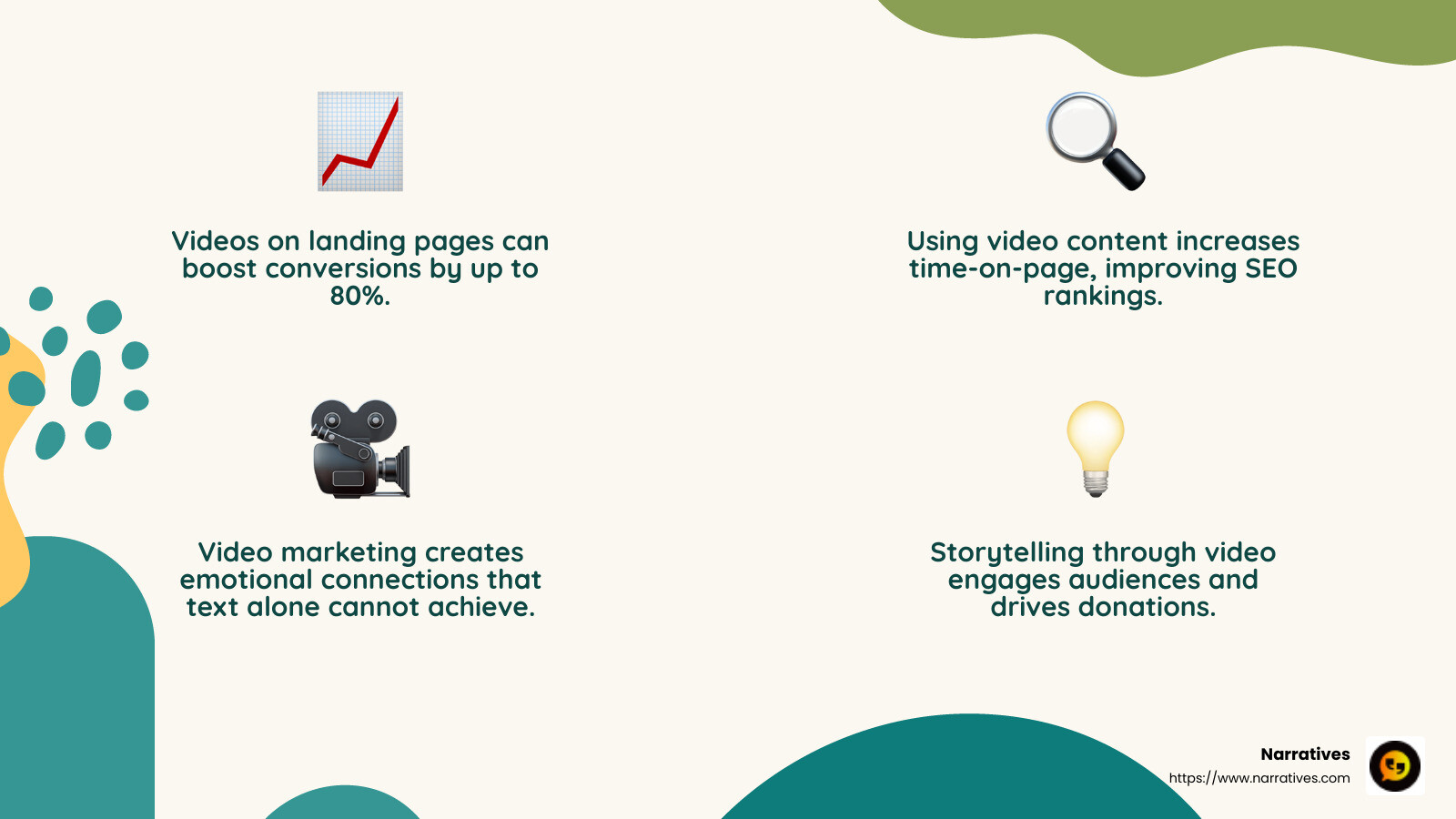
Video marketing is effective for nonprofits because it creates an emotional connection that text alone cannot achieve. Research shows that people are more likely to engage with video content, as it combines visuals and sound to deliver a more immersive experience. This engagement can lead to higher conversion rates, with videos on landing pages increasing conversions by up to 80%.
Moreover, videos can boost SEO rankings. Since video content tends to keep viewers on a website longer, this increased time-on-page helps improve search engine rankings, making the nonprofit more visible to potential supporters.
What are the best practices for nonprofit video marketing?
To succeed in nonprofit video marketing, organizations should focus on a few key practices:
Set Clear Goals: Define what you want to achieve with your videos. Whether it's raising awareness, driving donations, or recruiting volunteers, having clear goals will guide your content creation and help measure success.
Conduct Audience Research: Understand who your audience is and what they care about. Use surveys and feedback to tailor your content to their preferences, ensuring it resonates and inspires action.
Select the Right Platforms: Choose video platforms that align with your audience's preferences. YouTube, Facebook, and Vimeo are popular choices, but it's crucial to consider where your supporters are most active.
By implementing these practices, nonprofits can create impactful videos that not only engage viewers but also drive meaningful support for their causes.
Conclusion
As we wrap up our exploration of nonprofit video marketing, it's clear that storytelling is at the heart of impactful outreach. At Narratives, we believe in the power of digital storytelling to lift underrepresented voices and drive change through community-driven narratives.
Narratives specializes in changing the stories of nonprofits into high-quality, emotionally resonant video content. Our mission is to help purpose-driven organizations share their impact stories in a way that inspires action, builds trust, and increases visibility.
Community-driven storytelling is about more than just sharing information; it's about creating a connection. Videos allow nonprofits to humanize their missions, making abstract goals tangible and relatable. This approach not only captures attention but also fosters long-term engagement and support.
By focusing on authentic stories of change and hope, nonprofits can connect with their audience on a deeper level. Whether it's a short-form video on Instagram or an in-depth documentary on YouTube, the right storytelling strategy can amplify your message and expand your reach.
At Narratives, we are committed to being your digital storytelling partner. Together, we can bring your nonprofit's stories to life, inspiring action and making a meaningful impact in the communities you serve.
Ready to lift your storytelling? Explore how Narratives can help you create impactful community videos.

.avif)