Cause and Effect: How Storytelling Can Drive Social Change

Storytelling for a cause is a powerful tool that transforms narratives into action. At its core, storytelling can ignite emotions and create strong connections, making it essential for driving social change.
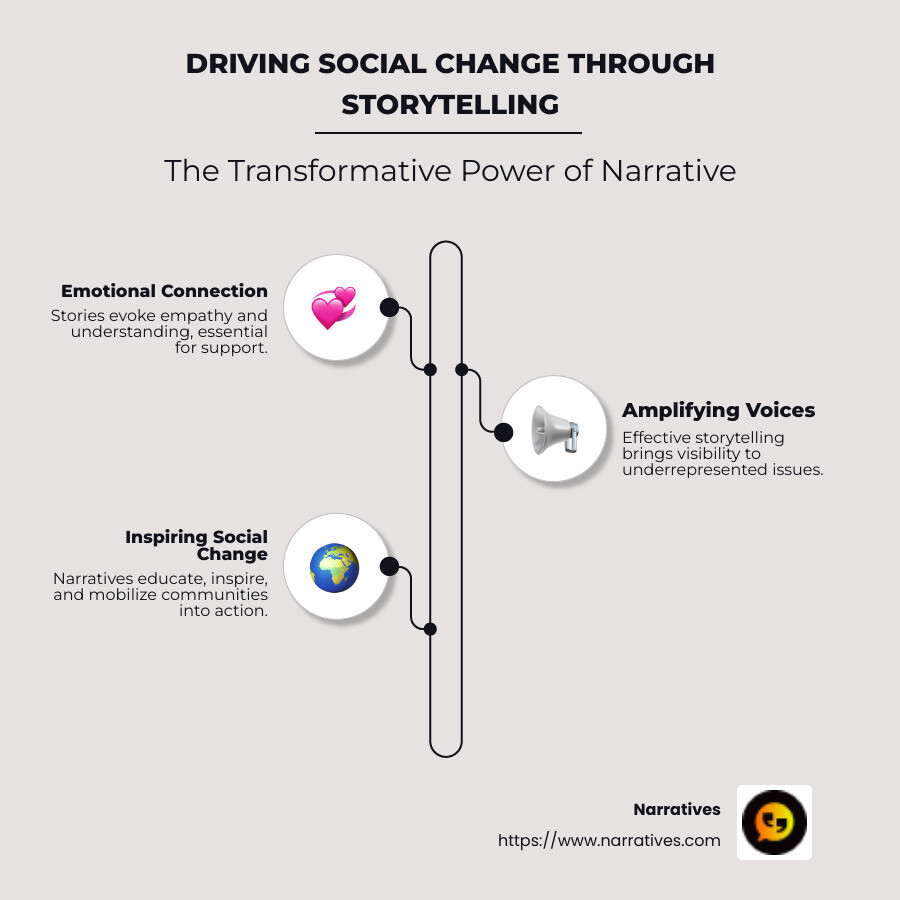
- Emotional Connection: Stories go beyond surface-level interactions to evoke empathy and understanding, essential for garnering support.
- Social Change: By sharing experiences and challenges, storytelling can educate, inspire action, and mobilize communities around a cause.
- Amplifying Voices: Effective stories bring visibility to underrepresented voices and issues, encouraging a unified push for positive outcomes.
In an age where information overload is the norm, stories have the unique ability to capture attention and promote sustained engagement. They can effectively outline the journey from challenge to resolution, compelling audiences to care and act.
Storytelling for a cause isn't just about relaying facts; it's about changing those facts into compelling narratives that resonate.
The Power of Storytelling for a Cause
Nonprofit storytelling is a crucial tool for organizations aiming to drive meaningful change. It’s not just about sharing what you do; it’s about why you do it and who benefits from your cause.
Emotional Impact
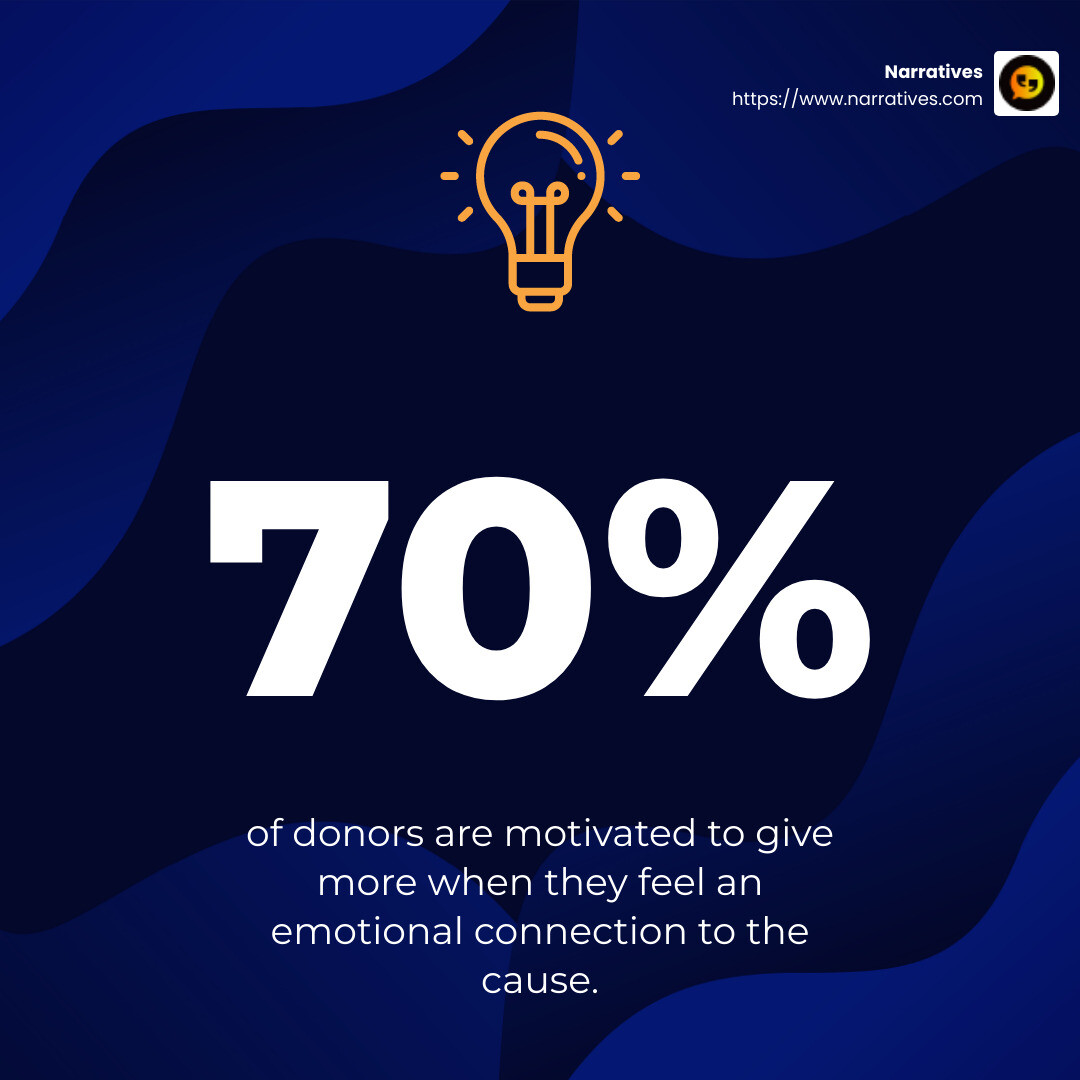
Stories have a unique way of touching hearts. They can evoke empathy, making your audience feel the struggles and triumphs of those you help. This emotional connection is vital. When people feel something, they are more likely to act.
For example, sharing a story about a family overcoming hardship with the help of your organization can create a powerful emotional response. This connection can transform a passive observer into an active supporter.
Donor Engagement
Engaging donors is about more than asking for money. It’s about building a relationship. Storytelling allows nonprofits to show donors the real impact of their contributions.
A clear, relatable story can demonstrate how donations are making a difference. For instance, by highlighting a specific project or individual success story, you can show donors exactly where their money goes and the change it brings.
Tips for Effective Donor Engagement:
- Use Testimonials: Personal stories from beneficiaries can build trust and credibility.
- Show Results: Share the tangible outcomes of donor support, like improved facilities or increased reach.
- Create a Hero: Position your donors as heroes in your stories, emphasizing their role in driving change.
Bringing It All Together
Incorporating storytelling into your nonprofit strategy can significantly improve your ability to engage and inspire. By focusing on emotional impact and donor engagement, your stories can not only inform but also motivate action and support for your cause.
Key Elements of Effective Storytelling
Effective storytelling is a powerful tool that nonprofits can use to engage and inspire their audience. Here are the essential elements to focus on:
Relatable Characters
Characters are the heart of any story. They are the individuals who bring your narrative to life. In nonprofit storytelling, these characters might be the people you help, your staff, volunteers, or even donors.
Why are relatable characters important?
When your audience can see themselves or someone they know in your story, they are more likely to connect emotionally. For example, charity: water uses relatable characters like Hadjara, a young girl striving for access to clean water, to draw empathy from their audience.
Tips for Creating Relatable Characters:
- Understand Your Audience: Know who you're speaking to and what resonates with them.
- Highlight Real Stories: Use real experiences to build authenticity.
- Show Growth: Characters should face challenges and grow, showing the impact of your work.
Emotion
Emotion is the driving force behind any compelling story. It's what makes people care and motivates them to act.
How do you evoke emotion?
By sharing personal stories that highlight struggles and triumphs, you can create a strong emotional connection. For instance, stories that evoke empathy can motivate people to donate or volunteer.
Key Emotions to Evoke:
- Empathy: Help your audience feel the challenges and successes of your characters.
- Hope: Show the positive change your organization brings.
- Inspiration: Encourage action by highlighting the potential for impact.
Problem-Solution Narrative
Every great story has a conflict that needs resolution. In the context of nonprofits, this is the problem your organization aims to solve.
What makes a strong problem-solution narrative?
A clear problem-solution narrative helps your audience understand the challenges you address and how you are making a difference. For example, a nonprofit tackling homelessness might highlight the lack of shelter and how their program provides safe housing.
Steps to Craft a Problem-Solution Narrative:
- Define the Problem: Clearly state the issue your organization is addressing.
- Show the Impact: Use stories and data to illustrate the problem's impact.
- Present the Solution: Explain how your organization is solving the problem and the role supporters play.
Call to Action
A call to action (CTA) is crucial in guiding your audience on what to do next. It transforms passive readers into active participants.
How to create an effective call to action?
Your CTA should be clear and specific. Whether it's donating, volunteering, or sharing your story, make sure your audience knows exactly how they can help.
Effective Call to Action Tips:
- Be Direct: Use clear language and simple steps.
- Highlight Urgency: Encourage immediate action to create a sense of urgency.
- Show Impact: Explain how their action will make a difference.
By focusing on these key elements—relatable characters, emotion, problem-solution narrative, and a strong call to action—you can craft stories that not only engage but also inspire real change.
Visual Storytelling Techniques
Visual storytelling is a game-changer for nonprofits. It combines photos, videos, and graphic design to create compelling visual content that captures attention and inspires action.
Photos and Videos
Why use photos and videos?
Photos and videos are powerful tools for storytelling because they capture real moments and emotions. They make your story more relatable and memorable.
Photos can capture a single moment that speaks volumes. A photo of a smiling child with clean water or a volunteer helping in a community can convey the impact of your work without a single word.
Videos take it a step further by showing stories in action. They can highlight personal journeys, showcase your organization's impact, and bring your audience closer to the people you help.
Tips for Using Photos and Videos:
- Focus on Authenticity: Use real images and footage to maintain trust.
- Highlight Emotions: Capture moments that evoke empathy and hope.
- Keep it Concise: Short, impactful videos hold attention better.
Graphic Design
Graphic design is crucial for creating visual content that grabs attention. It helps convey complex information quickly and effectively.
How does graphic design improve storytelling?
Good design can simplify and highlight key messages. It makes your content visually appealing and easier to understand.
Infographics are a great way to present data and statistics. They transform numbers into visual stories that are easy to digest.
Eye-Catching Designs can make your social media posts stand out, increasing engagement and shares.
Graphic Design Tips:
- Use Bold Colors and Fonts: They help important information stand out.
- Be Consistent: Maintain a consistent style to build brand recognition.
- Focus on Clarity: Ensure your design is easy to read and understand.
Visual Content
Why is visual content important?
Visual content is more engaging and shareable than text alone. It captures attention and makes your message more memorable.
Social Media thrives on visual content. Posts with images or videos get more likes, shares, and comments, helping your story reach a wider audience.
Interactive Content like slideshows or animations can further engage your audience, making them feel part of the story.
Creating Effective Visual Content:
- Know Your Audience: Tailor your content to what resonates with them.
- Tell a Story: Use visuals to guide your audience through a narrative.
- Include a CTA: Encourage your audience to take action after engaging with your content.
By leveraging photos, videos, and graphic design, nonprofits can create compelling visual content that tells their story effectively. This approach not only captures attention but also inspires action, helping to drive social change.
Storytelling for a Cause: Strategies for Nonprofits
Storytelling for a Cause is not just about telling stories; it's about crafting narratives that empower, inspire, and drive real change. Let's explore how nonprofits can strategically use storytelling to achieve these goals.
Empowering Advocates
When you share compelling stories, you don't just inform your audience—you empower them. By focusing on relatable characters and emotional narratives, you can turn passive supporters into active advocates for your cause.
Highlight Real Stories: Share the journeys of those impacted by your work. For example, a story about a family overcoming adversity with your organization's help can inspire others to support your mission.
Create Emotional Connections: Use narratives that evoke empathy and understanding. When people feel connected to a story, they are more likely to share it and advocate for your cause.
Transparency
Transparency builds trust. When donors understand how their contributions make a difference, they are more likely to continue supporting your organization.
Use Storytelling to Show Impact: Highlight the journey of donations from inception to impact. This could be a story about how funds helped build a school or provided clean water to a community.
Be Open About Challenges: Sharing both successes and challenges makes your stories more authentic and trustworthy. Donors appreciate honesty and are more likely to stay engaged.
Inspiring Action
The ultimate goal of nonprofit storytelling is to inspire action. Whether it's donating, volunteering, or spreading the word, your stories should motivate people to get involved.
Include a Clear Call to Action (CTA): Every story should guide your audience toward a specific action. This could be as simple as a "Donate Now" button or an invitation to attend an event.
Showcase the Impact of Action: Use stories to demonstrate how individual actions contribute to a larger change. For example, a story about a community transformed by volunteer efforts can inspire others to lend a hand.
By focusing on empowering advocates, maintaining transparency, and inspiring action, nonprofits can use storytelling to drive significant social change. This approach not only strengthens donor relationships but also amplifies the impact of your mission, paving the way for a better future.
Measuring the Impact of Storytelling
Storytelling for a Cause isn't just about crafting compelling narratives; it's about understanding their effectiveness. To truly grasp the impact of your stories, you need to measure how they resonate with your audience and drive real-world change.
Data Tracking
Data is your best friend when it comes to measuring storytelling impact. By tracking key metrics, you can see how stories affect donor engagement and support.
Donation Metrics: Keep an eye on changes in donation levels before and after sharing a story. Did a specific narrative lead to more contributions?
Audience Engagement: Monitor how your audience interacts with your stories. This includes social media shares, comments, and likes. High engagement often indicates a story that resonates.
Website Analytics: Use tools like Google Analytics to track how stories influence website traffic. Are visitors spending more time on pages with stories? Are they clicking through to donate or volunteer?
Donor Response
Understanding donor response is crucial. When donors see the impact of their contributions, they're more likely to continue supporting your cause.
Feedback and Surveys: Ask donors for their thoughts on the stories you share. This can provide insight into what works and what doesn't.
Retention Rates: Compare donor retention rates before and after implementing storytelling strategies. Effective storytelling can increase retention, as studies have shown nonprofits using storytelling have a 45% donor retention rate compared to 27% for others.
Real-World Change
The ultimate goal of storytelling is to inspire action that leads to tangible outcomes. It's not just about raising funds; it's about driving real-world change.
Impact Reports: Share stories that highlight the real-world results of donations and volunteer efforts. Did your story about building a school lead to more children getting an education?
Community Feedback: Collect testimonials from those who benefit from your work. Their stories can provide direct evidence of the change your organization is making.
By focusing on data tracking, understanding donor response, and showcasing real-world change, nonprofits can ensure their storytelling efforts are not only compelling but also effective in driving social change. This data-driven approach not only demonstrates accountability but also helps refine future storytelling strategies to maximize impact.
Frequently Asked Questions about Storytelling for a Cause
How can storytelling improve nonprofit fundraising?
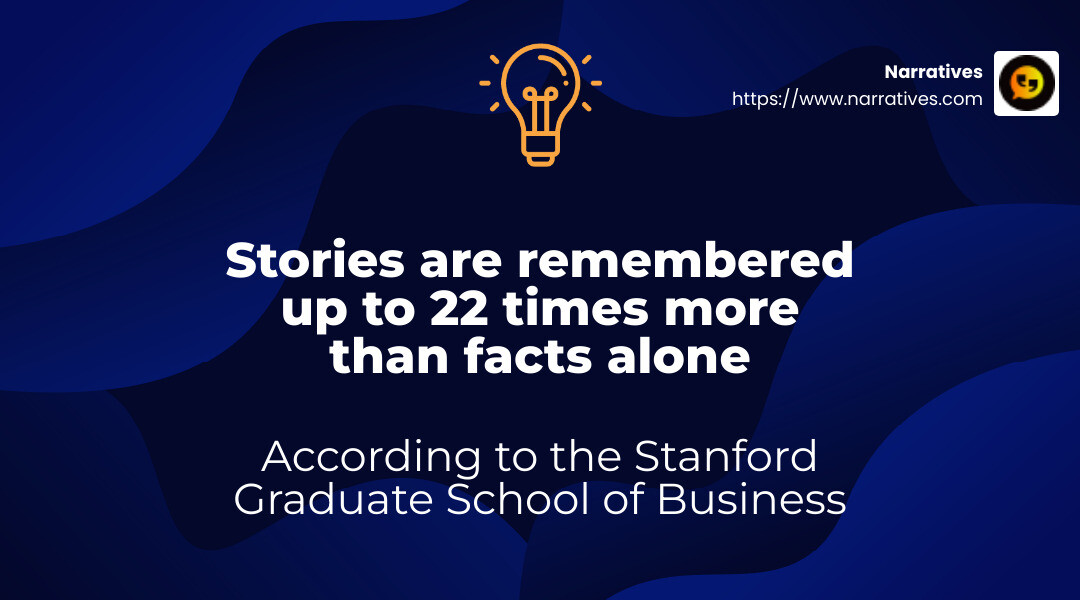
Storytelling for a Cause can significantly boost nonprofit fundraising efforts by creating emotional connections with potential donors. According to the Stanford Graduate School of Business, stories are remembered up to 22 times more than facts alone. This means that while statistics and data are important, weaving them into a narrative can make them more memorable and impactful.
Emotional Engagement: Stories evoke empathy and inspire action. By sharing real-life experiences, nonprofits can help potential donors see the human side of their cause, making them more likely to contribute.
Transparency and Trust: Storytelling improves transparency by illustrating the journey of donations from inception to impact. This builds trust with donors, who appreciate knowing how their contributions make a difference.
Inspiring Action: Great stories don't just inform; they motivate. By highlighting the challenges faced by beneficiaries and the positive outcomes of donations, nonprofits can inspire individuals to take action, whether it's through donating, volunteering, or advocating for the cause.
What role does visual content play in storytelling for a cause?
Visual content is a powerful tool in the Storytelling for a Cause arsenal. It improves narratives by providing a visual representation of stories, making them more engaging and relatable.
Photos and Videos: These elements can bring stories to life by showing real people and real impact. A video of a family benefiting from a food pantry, for instance, can be more compelling than written words alone.
Graphic Design: Eye-catching designs make stories stand out, especially on social media. A well-designed infographic can succinctly convey complex information, making it easier for audiences to understand and remember.
User-Generated Content: Allowing beneficiaries or volunteers to share their stories through photos or videos can add authenticity and a personal touch. This approach not only engages the audience but also empowers the storytellers.
How can nonprofits ensure ethical storytelling?
Ethical storytelling is crucial in maintaining trust and credibility. Nonprofits must be mindful of how they present stories to ensure they are respectful and truthful.
Consent and Privacy: Always obtain consent from individuals featured in stories. Respect their privacy and ensure they understand how their stories will be used.
Accuracy and Honesty: Avoid exaggerating or altering details to make stories more dramatic. Authenticity builds trust, while misleading narratives can harm credibility.
Cultural Sensitivity: Be aware of cultural contexts and avoid stereotypes. Ensure that stories are respectful and represent the subjects accurately and fairly.
By focusing on ethical storytelling, nonprofits can create compelling narratives that not only drive social change but also uphold the dignity and integrity of those they aim to help.
Conclusion
At Narratives, we believe in the transformative power of community-driven storytelling. By elevating underrepresented voices, we create content that not only tells a story but also drives real social impact. Our mission is to partner with nonprofits and purpose-driven organizations to share their stories in ways that inspire action, build trust, and increase visibility.
Narratives isn't just about telling stories; it's about creating a platform for change. Through our high-quality video and multimedia content, we aim to humanize the news and bring empathy to the forefront. Our approach is rooted in authenticity and transparency, ensuring that every story we tell is both impactful and respectful.
Community-driven storytelling is at the heart of what we do. By involving the communities we serve in the storytelling process, we ensure that their voices are heard and their stories are told accurately and respectfully. This not only empowers the community but also fosters a deeper connection with audiences, driving greater social impact.
By focusing on social impact, we help nonprofits demonstrate their value and the real-world difference they make. Through compelling narratives, we show the challenges faced and the successes achieved, motivating support and action.
To learn more about how we can help your organization harness the power of storytelling, visit our service page. Together, we can create stories that not only captivate but also catalyze change.


.avif)