Brand Building Through Storytelling: Creating Emotional Connections

Storytelling for brand building is a powerful strategy that allows brands to connect deeply with their audience. It's not just about promoting products or services; it’s about crafting stories that resonate on an emotional level, fostering trust and commitment.
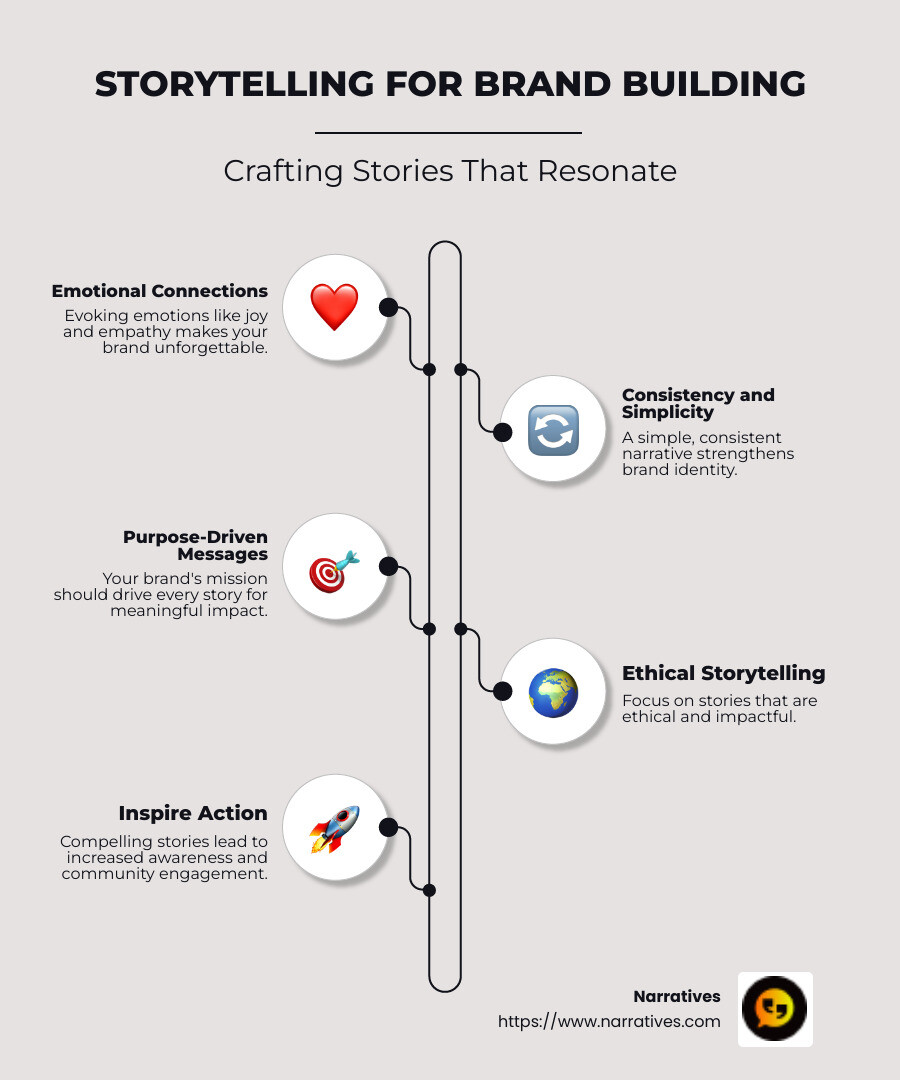
Here’s a quick snapshot of how storytelling can improve your brand:
- Emotional Connections: Stories that evoke joy, empathy, or inspiration can make your brand unforgettable.
- Consistency and Simplicity: A consistent, simple narrative strengthens brand identity across all platforms.
- Purpose-Driven Messages: Your brand's mission should drive every story, highlighting the change you aim to make.
Marketers at non-profits or social impact organizations often feel they have limited resources but immense stories to tell. By focusing on ethical and impactful storytelling, they can lift their messages and inspire action.
Consider how Airbnb tells "Host Stories" to highlight real-life impacts of their services, or how Coca-Cola consistently ties happiness to its brand.
Stories with purpose can lead not just to increased brand awareness but also to creating community and driving real-world change.
Storytelling for brand building vocab explained:
- Digital storytelling for social impact
- Purpose-driven content marketing
- Innovative storytelling techniques
What is Storytelling for Brand Building?
Storytelling for brand building is about more than just selling a product. It's about creating a narrative that forms an emotional connection with your audience. This approach puts the customer at the heart of the story, making them the hero of the journey.
Brand Storytelling
Brand storytelling is like painting a picture with words. It involves sharing meaningful stories about people, events, and experiences that align with your brand's values. The goal is to make your audience feel something—whether it's joy, empathy, or nostalgia. This emotional connection can make your brand unforgettable and inspire loyalty.
For example, consider how Warby Parker shares stories about providing glasses to those in need. This narrative not only showcases their product but also their commitment to social impact.
Emotional Connection
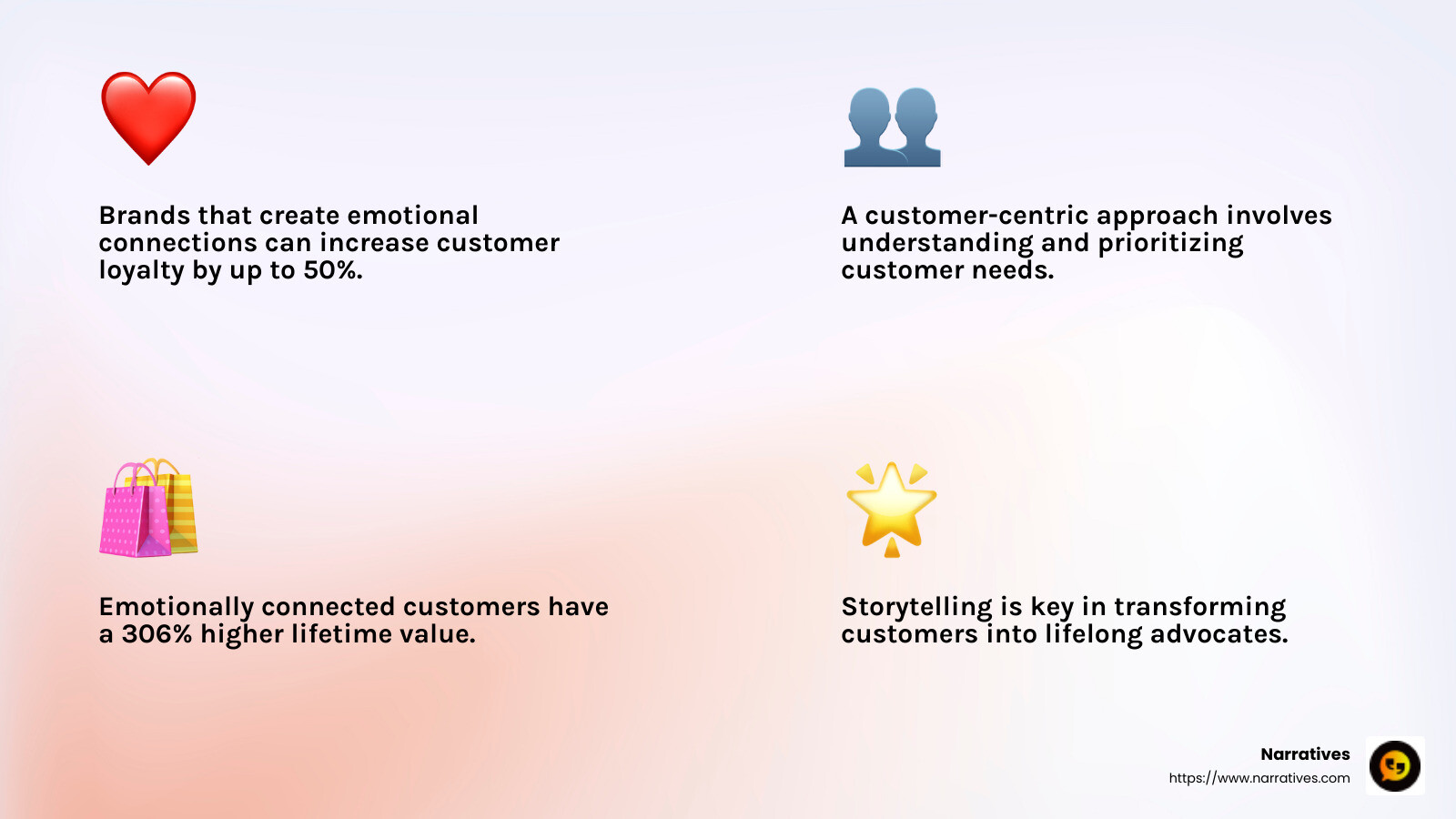
An emotional connection is the secret sauce of effective brand storytelling. It's what turns a one-time customer into a lifelong advocate. When people see their own values and experiences reflected in a brand's story, they are more likely to trust and engage with it.
Customer-Centric Approach
A customer-centric approach means focusing on the needs, values, and desires of your audience. Instead of making the brand the star of the story, the customer takes center stage. This means understanding what your audience cares about and crafting stories that resonate with their experiences and challenges.
Brands like Patagonia excel at this by highlighting their commitment to environmental causes, which aligns with the values of their audience. This approach not only builds trust but also fosters a sense of community among customers.
In summary, storytelling for brand building is a strategic way to create emotional connections and put the customer first. By focusing on authentic, relatable stories, brands can build loyalty and drive meaningful engagement.
The Importance of Emotional Connections in Storytelling
Emotional connections are at the heart of effective brand storytelling. They are the glue that binds a customer to a brand, fostering loyalty and trust.
Emotional Bonds
Building emotional bonds with your audience is crucial. These bonds are formed when your story resonates with your customers' values and experiences. For instance, brands that highlight stories of overcoming adversity or achieving success often create a deep emotional impact.
Consider the example of Salesforce's "The Ecopreneurs" campaign. This series showcased climate-action entrepreneurs and their innovative solutions, connecting with viewers on an emotional level by addressing global challenges. The campaign not only raised awareness but also strengthened Salesforce’s reputation as a brand committed to environmental, social, and governance (ESG) initiatives.
Brand Loyalty
Emotional connections lead to brand loyalty. When customers feel emotionally invested in a brand, they are more likely to stick around. They don't just buy products; they buy into the brand's story and mission.
Take Coca-Cola, for example. Its consistent message of happiness and togetherness has been a hallmark for over a decade, making it one of the most recognizable brands globally. This consistency in messaging reinforces loyalty by creating a familiar and emotionally rewarding experience for consumers.
Customer Trust
Trust is the foundation of any strong relationship, including those between brands and customers. Authentic storytelling helps build this trust. When brands share genuine stories about their values and impact, customers are more likely to believe in their intentions.
Sharing customer testimonials is a powerful way to build trust. Real-life stories of how your brand has positively impacted lives provide social proof and make your brand more relatable. For example, including customer testimonials in your storytelling can showcase the real-world benefits of your products or services, enhancing credibility.
In conclusion, emotional connections in storytelling are essential for brand building. They foster emotional bonds, cultivate loyalty, and establish trust, creating a lasting impact on your audience. By integrating authentic, customer-centric narratives, brands can not only attract but also retain loyal customers.
How to Craft a Compelling Brand Story
Creating a compelling brand story is both an art and a science. It involves blending authenticity, relatability, emotional connection, simplicity, and consistency into a narrative that resonates with your audience.
Authenticity: Be Genuine
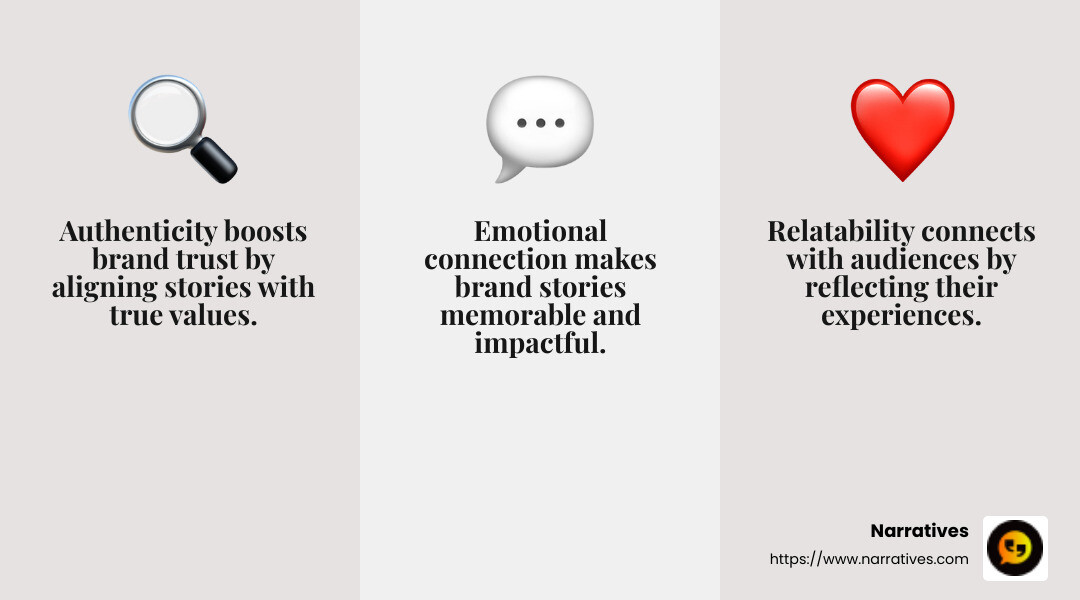
Authenticity is the cornerstone of storytelling for brand building. Customers can easily spot inauthentic stories, which can damage trust. Your story should reflect your brand's true values and mission.
For example, Patagonia Provisions' storytelling focuses on its commitment to environmental conservation. By sharing real stories about sustainable farming practices, Patagonia connects authentically with eco-conscious consumers.
Relatability: Connect with Your Audience
To make your story relatable, it should mirror your audience's experiences, aspirations, and challenges. This means understanding your target audience deeply.
Airbnb's "Belong Anywhere" campaign is a great example. By sharing real customer stories, Airbnb illustrated how travelers can feel at home anywhere, resonating with those who value authentic travel experiences.
Emotional Connection: Stir Emotions
An emotional connection makes your brand story memorable. Whether it's joy, inspiration, or empathy, tapping into emotions can motivate your audience to act.
Nike's "Just Do It" campaign is iconic for a reason. It tells stories of determination and overcoming challenges, aligning with Nike's brand values of motivation and empowerment, and connecting emotionally with its audience.
Simplicity: Keep It Clear
In a world full of information, simplicity stands out. A clear, concise story is more likely to be remembered and shared. Avoid jargon and focus on a straightforward message that encapsulates your brand's essence.
Apple is known for its simple yet powerful storytelling. Its narratives focus on innovation and design, communicated through straightforward and visually appealing content.
Consistency: Reinforce Your Message
Consistency across all platforms reinforces your brand's identity. Whether it's on social media, your website, or in customer interactions, a consistent story builds trust and recognition.
Coca-Cola's message of happiness and togetherness is a prime example of consistency. This message has been a hallmark of its branding for years, making it instantly recognizable worldwide.
By weaving these elements into your brand story, you create a narrative that resonates, builds trust, and fosters lasting connections with your audience.
Top Examples of Effective Brand Storytelling
Let's explore how some top brands have mastered storytelling for brand building. These examples illustrate how powerful narratives can create emotional connections and foster brand loyalty.
Nike: Just Do It
Nike's "Just Do It" campaign is a textbook case of effective brand storytelling. Instead of focusing on products, Nike tells stories of athletes overcoming challenges. This approach aligns with their brand values of motivation and empowerment.
By sharing stories like Michael Jordan's rise to fame, Nike connects emotionally with its audience. The message is clear: anyone can achieve greatness with determination. This emotional connection makes the brand relatable and memorable.
Airbnb: Belong Anywhere
Airbnb's storytelling focuses on the concept of belonging. Their "Belong Anywhere" campaign uses real customer stories to show how the platform enables travelers to feel at home anywhere in the world.
This narrative resonates with people who value authentic travel experiences. By highlighting personal stories, Airbnb positions itself as more than just a service; it's a facilitator of meaningful connections and experiences.
Patagonia: Environmental Commitment
Patagonia is known for its dedication to environmental conservation. Their storytelling reflects this commitment by sharing real stories about sustainable practices.
For instance, Patagonia Provisions collaborates with small-scale farmers and fishers, highlighting their efforts in sustainable sourcing. This authentic storytelling connects with eco-conscious consumers and reinforces Patagonia's brand values.
Warby Parker: Buy a Pair, Give a Pair
Warby Parker's brand story began with a simple problem: expensive eyewear. One founder lost his glasses and couldn't afford a new pair. This led to creating affordable, stylish eyewear.
Their Buy a Pair, Give a Pair program further improves their storytelling. For every pair purchased, Warby Parker donates a pair to someone in need. This narrative not only addresses a social issue but also builds an emotional connection with customers who value giving back.
These examples show how effective brand storytelling can create emotional bonds and boost brand loyalty. By focusing on authenticity, relatability, and emotional connection, brands can craft compelling narratives that resonate with their audiences.
Frequently Asked Questions about Storytelling for Brand Building
What is brand storytelling?
Brand storytelling is a marketing technique where businesses use narratives to connect with their audience on a deeper level. Instead of just showcasing products, brands share stories that reflect their values and mission. These stories often revolve around the customer's experiences, making them the central character. This approach helps create emotional connections, as people are naturally drawn to stories that resonate with their own lives.
How does storytelling help in brand building?
Storytelling is a powerful tool for brand building because it goes beyond traditional advertising. It helps brands:
Build emotional connections: By sharing relatable stories, brands can tap into emotions like joy, nostalgia, or inspiration, which fosters a stronger bond with their audience.
Establish trust: Authentic stories that align with a brand's values can build credibility. When customers see their own values reflected in a brand's narrative, trust is established.
Differentiate from competitors: In a crowded market, a compelling brand story can set a company apart. It highlights what makes the brand unique and memorable.
Create a sense of community: Storytelling can bring people together, creating a community of loyal customers who share the brand's values and mission.
Why is emotional connection important in storytelling?
Emotional connection is crucial in storytelling because it makes the brand memorable and relatable. When a story evokes emotions, it leaves a lasting impression. Here’s why it matters:
Drives action: Emotional connections motivate customers to engage with the brand, whether it's making a purchase, sharing content, or becoming advocates.
Improves loyalty: Customers who feel an emotional bond with a brand are more likely to remain loyal over time. This loyalty is built on shared values and experiences.
Strengthens brand identity: Emotional storytelling reinforces a brand's identity by consistently conveying its core values and mission. This helps solidify the brand's position in the minds of consumers.
Incorporating emotional elements into brand storytelling can make narratives more impactful and meaningful, ultimately leading to stronger brand loyalty and customer trust.
These insights into storytelling for brand building highlight the importance of crafting narratives that resonate emotionally with audiences. By understanding and leveraging the power of storytelling, brands can create lasting connections with their customers.
Conclusion
At Narratives, we believe in the transformative power of storytelling, especially for non-profits and purpose-driven organizations. Storytelling for brand building is not just about sharing a message; it’s about creating emotional connections that inspire action and drive social impact.
Narratives: Your Partner in Purpose-Driven Storytelling
We specialize in elevating underrepresented voices through high-quality, emotionally resonant multimedia content. Our focus is on helping non-profits share their impact stories in a way that builds trust and increases visibility. By partnering with us, organizations can effectively communicate their missions and engage their communities in meaningful ways.
The Role of Non-Profit Partnerships
Non-profit partnerships are at the heart of our strategy. We work closely with organizations to craft stories that highlight their missions and the communities they serve. This collaboration ensures that the narratives we create are authentic and resonate with audiences on a deeper level.
A great example of this is our work with organizations that promote environmental sustainability and social justice. Through storytelling, we help these groups showcase their efforts and the real-world impact of their initiatives.
Driving Social Impact Through Storytelling
Storytelling is a powerful tool for driving social impact. By sharing stories that reflect the struggles and triumphs of communities, we can foster empathy and inspire action. Our narratives are designed to not only inform but also to motivate audiences to get involved and support causes they care about.
When the internet often feels overwhelming, Narratives aims to bring more empathy and human connection to digital spaces. Our commitment to storytelling for brand building helps non-profits and purpose-driven organizations create lasting emotional connections with their audiences.
For more information on how we can help your organization tell its story, learn more about our services. Let’s work together to create stories that make a difference.


.avif)