The Digital Storytelling Playbook: Art, Craft, and Creativity

The art of digital storytelling is breathing new life into the age-old craft of storytelling. With the rise of digital media, this narrative renaissance is empowering individuals and organizations alike, changing how stories are told and shared. If you're looking for a quick overview, here’s what you need to know:
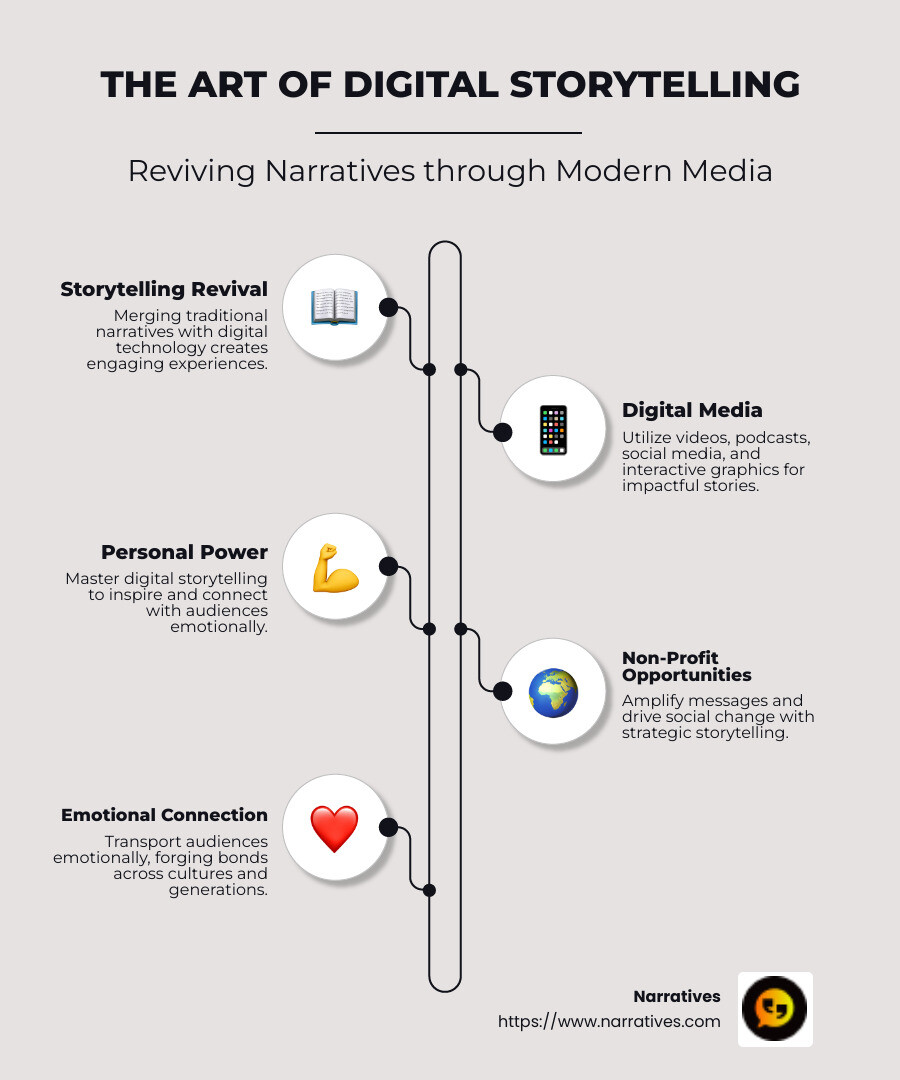
Storytelling Revival: Stories have always been an integral part of human culture. Digital storytelling blends traditional narratives with modern technology to create immersive experiences.
Digital Media: The use of digital platforms, from videos and podcasts to social media and interactive graphics, has broadened the scope and reach of storytelling.
Personal Power: By mastering digital storytelling, storytellers harness the power to inform, inspire, and motivate their audience in ways that create lasting connections.
Stories connect us. They allow us to share experiences and emotions, forging bonds across cultures and generations. In today’s world, the ability to tell a story that resonates is more powerful than ever. Digital storytelling enables you to not only narrate events but also emotionally transport your audience into the story's world.
As you dig deeper into digital storytelling, you'll find how this fusion of personal narrative and digital innovation can be a game changer, especially for non-profits and advocacy groups seeking to amplify their message and drive social change.
The art of digital storytelling word guide:
The Art of Digital Storytelling
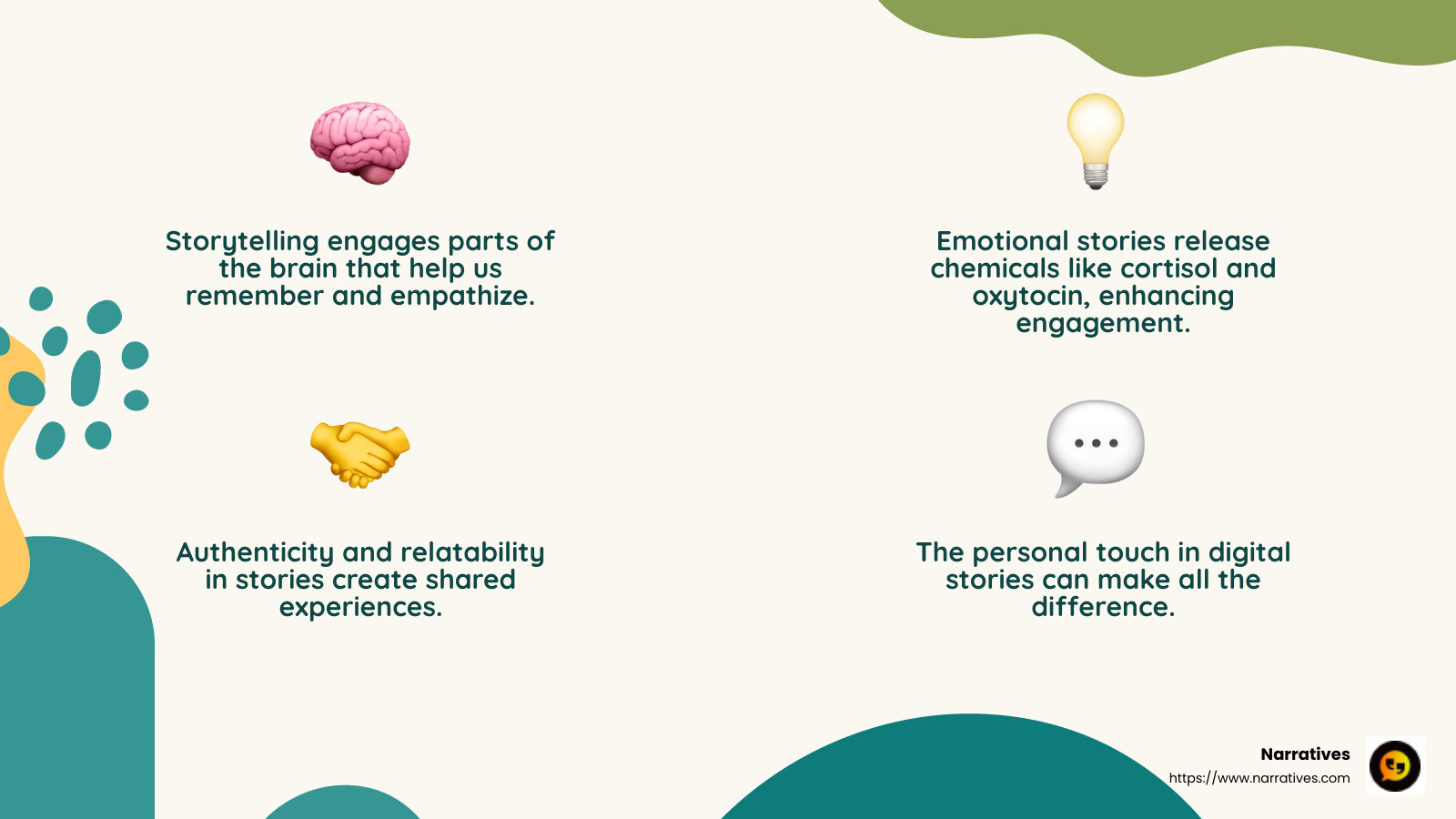
Digital storytelling is more than just a buzzword—it's a powerful tool that taps into our emotions and connects us on a deeper level. At the heart of this art is the ability to create an emotional connection with your audience. When we tell stories that resonate emotionally, we engage parts of the brain that help us remember and empathize. This is why storytelling is so effective in creating lasting impressions.
Emotional Connection
To create an emotional connection, storytellers must focus on authenticity and relatability. When your audience can see themselves in your story, it becomes more than just words or images; it becomes a shared experience. This is where the magic happens—where cortisol, dopamine, and oxytocin come into play. These chemicals are released in the brain during storytelling, helping us form memories, stay engaged, and build empathy.
"The personal touch in digital stories can make all the difference."
Narrative Voice
A strong narrative voice is essential in digital storytelling. It's the thread that weaves your story together, guiding your audience through the journey. A well-crafted narrative voice is personal and authentic, allowing your audience to feel what you feel. This voice should come from the heart, not just the head, to truly resonate with your audience.
Daniel Pink describes story grammar as the ability to encapsulate, contextualize, and emotionalize information. By doing this, you give your story "sticking power," making it memorable and impactful.
Multimedia Elements
In digital storytelling, the use of multimedia elements—such as images, sound, and video—improves the storytelling experience. These elements should be carefully chosen to support and amplify the narrative voice. Think of digital storytelling as a symphony, where each component—be it a photograph, a voice-over, or background music—plays a role in creating a harmonious experience.
Visuals and Sound
Visuals: A picture can tell a thousand words. Use images to convey emotions and set the scene without overloading your narrative with unnecessary details.
Sound: Ambient sounds or a well-timed soundtrack can transport your audience into the story, making them feel as though they're right there with you.
Voice-overs: This is the linchpin of digital storytelling, guiding your audience through the narrative and providing context and depth.
By blending these multimedia elements with a strong narrative voice and emotional resonance, digital storytelling becomes a powerful tool for connection and change. Whether you're an individual, a brand, or a non-profit, mastering this art can help you tell stories that matter and make an impact.
As we continue to explore the key techniques and innovative strategies in digital storytelling, we'll uncover how these elements come together to create immersive experiences that captivate and engage audiences.
Key Techniques and Innovative Strategies
Digital storytelling is an evolving art that combines immersive experiences, audience engagement, and innovative storytelling techniques. These elements are crucial in making stories not just heard, but felt and remembered.
Immersive Experiences
Creating an immersive experience means pulling your audience into the story so deeply that they feel part of it. This can be achieved through:
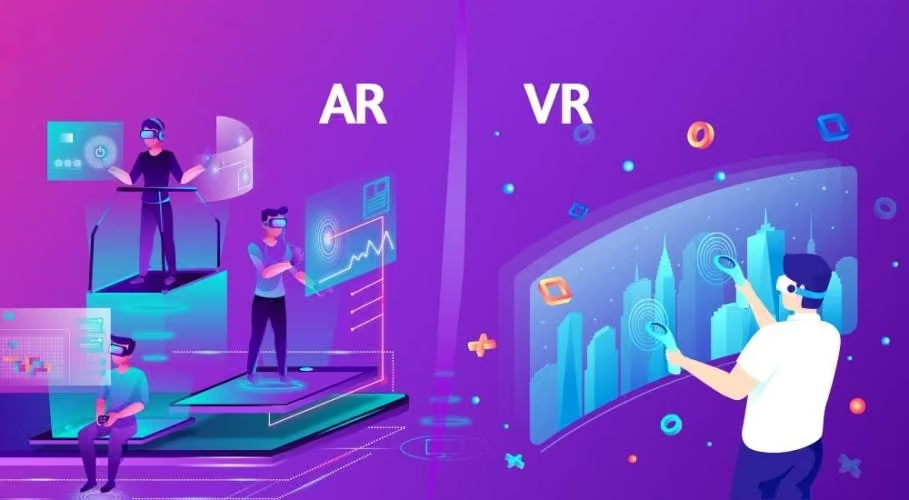
Virtual Reality (VR): VR allows audiences to step inside the story, experiencing it firsthand. Imagine walking through a historical event or exploring a new world as if you were really there.
Augmented Reality (AR): AR overlays digital content onto the real world, enhancing the storytelling experience. For instance, scanning a book cover to reveal a 3D character from the story.
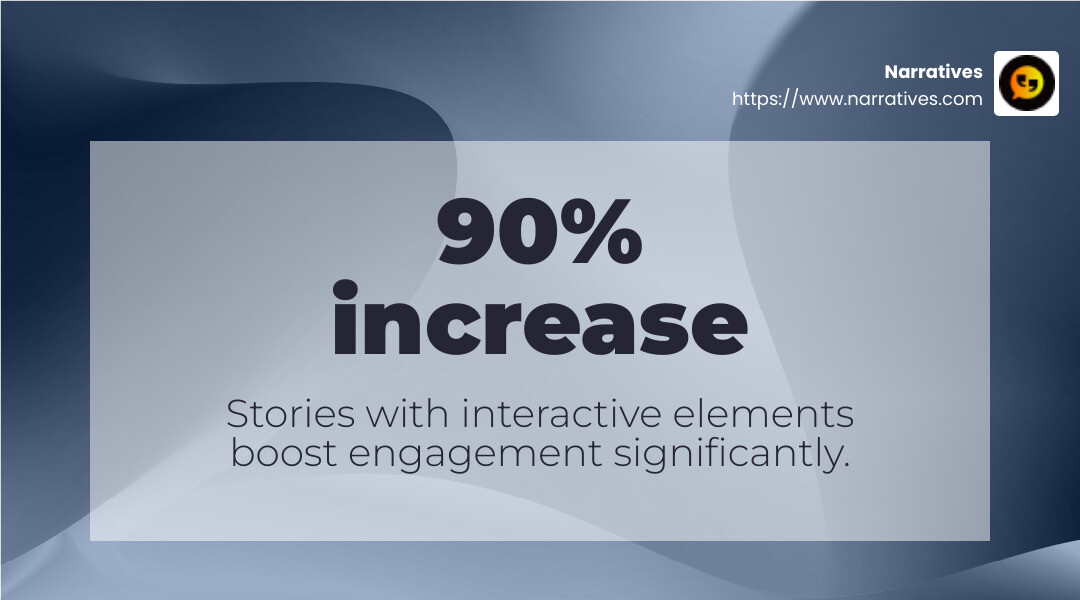
Interactive Storytelling: Let your audience choose their path. This "choose-your-own-trip" style can make the experience more personal and engaging.
Audience Engagement
Engagement is about changing passive viewers into active participants. Here are some ways to boost engagement:
Two-Way Dialogue: Encourage comments and feedback. Responding to your audience fosters a community and makes them feel valued.
Social Media Integration: Use platforms like Instagram or Twitter to extend your story's reach. Encourage sharing and participation through hashtags and challenges.
User-Generated Content: Invite your audience to contribute their own stories or perspectives. This not only enriches the narrative but also builds a sense of ownership.
Storytelling Techniques
Mastering storytelling techniques can lift your digital narratives. Consider these strategies:
Hero's Journey: A classic structure that resonates with audiences. It involves a hero who goes on an adventure, faces a crisis, and returns transformed.
Story Mapping: Use storyboards to plan the visual and audio elements of your story. This ensures a cohesive and compelling narrative.
Emotional Hooks: Start with a powerful image or quote that grabs attention. This sets the tone and draws your audience in from the get-go.
By weaving together immersive experiences, engaging your audience, and employing effective storytelling techniques, you can craft digital stories that captivate and inspire. This blend not only improves the storytelling process but also ensures your message resonates long after the story ends.
Next, we'll explore how digital storytelling can be a powerful tool for non-profits, amplifying social impact and giving voice to underrepresented communities.
Digital Storytelling for Non-Profits
Digital storytelling is a powerful tool for non-profits. It can amplify social impact, drive community engagement, and provide a platform for underrepresented voices.
Social Impact
Non-profits often aim to create change. Digital stories can highlight issues, showcase solutions, and inspire action. For instance, Narratives collaborates with organizations to craft content that highlights community strife and how the public can help. By sharing these stories, non-profits can attract support and drive meaningful change.
- Case Study: PARS Equality Center uses storytelling to empower Persian-speaking immigrants. Their stories of cultural integration and legal assistance help raise awareness and support for their initiatives.
Community-Driven Narratives
Community-driven stories are authentic and relatable. They allow audiences to see the real impact of a non-profit's work. Digital storytelling can bring these stories to life, making them more engaging and memorable.
User-Generated Content: Invite community members to share their experiences. This not only enriches the narrative but also fosters a sense of belonging and ownership.
Interactive Platforms: Use platforms that allow for community interaction and feedback. This two-way dialogue can strengthen community ties and improve the story's impact.
Amplifying Underrepresented Voices
Digital storytelling can give a voice to those who are often unheard. It provides a platform for sharing diverse perspectives and experiences.
Quote: "The internet needs more empathy. It starts by humanizing the news." - Narratives
Example: The Doe is a sister brand of Narratives that shares anonymous stories to break echo chambers and highlight diverse experiences.
By focusing on social impact, community-driven narratives, and amplifying underrepresented voices, non-profits can use digital storytelling to create powerful connections and inspire change. Next, let's dig into the role of technology in enhancing storytelling.
The Role of Technology in Storytelling
Technology is a game-changer for storytelling. It provides tools and platforms that transform how stories are told and experienced. Let's explore how these digital tools, platforms, and media elements shape The Art of Digital Storytelling.
Digital Tools
Digital tools are the backbone of modern storytelling. They help creators produce, edit, and share stories with ease. Tools like video editing software, audio recorders, and graphic design apps allow storytellers to combine visuals, sounds, and words into a cohesive narrative.
Example: Quality recording equipment improves video production, making stories more engaging and professional.
Pro Tip: Use analytics tools to gain insights into audience behavior. This helps refine stories to better connect with viewers.
Platforms
Platforms are where stories come to life. They provide the stage for sharing narratives with the world. From social media to dedicated storytelling websites, platforms determine how and where stories are consumed.
Social Media: Platforms like TikTok and Instagram are popular for their short, impactful stories. They require a hook within seconds to capture attention.
Interactive Platforms: Some platforms allow for audience interaction, creating a two-way dialogue that improves engagement. This interaction can deepen the connection between the storyteller and the audience.
Media Elements
Media elements such as video, images, and sound are crucial in digital storytelling. They add layers to the narrative, making it more immersive and impactful.
Multimedia Symphony: Think of digital storytelling as a symphony. Different media elements play in harmony, with each taking center stage at different times.
Sound and Pictures: Ambient sounds and well-chosen visuals can transport audiences to the story's setting, creating a sense of place and emotion.
By leveraging digital tools, choosing the right platforms, and thoughtfully integrating media elements, storytellers can craft narratives that resonate deeply with audiences. These technologies not only improve storytelling but also open new possibilities for creativity and connection.
Next, let's dive into frequently asked questions about The Art of Digital Storytelling.
Frequently Asked Questions about The Art of Digital Storytelling
What is Digital Storytelling?
Digital Storytelling combines the traditional art of telling stories with digital media. It uses tools like videos, audio, images, and text to create engaging narratives online. The goal is to connect with audiences emotionally and make stories memorable.
Media Use: Digital storytelling often involves multiple media formats. This can include combining video clips, soundtracks, and animations to bring a story to life. By using these elements, storytellers can create a more vivid experience that captures attention and imagination.
Narrative Techniques: Effective digital storytelling involves using narrative techniques such as a clear beginning, middle, and end. This structure helps guide the audience through the story, keeping them engaged and interested.
How can digital storytelling benefit non-profits?
Digital storytelling can be a powerful tool for non-profits to share their mission and impact. It helps in building connections and trust with the audience.
Impact Stories: By sharing real-life stories of individuals or communities they have helped, non-profits can highlight their impact in a compelling way. These stories can inspire action and encourage support from donors and volunteers.
Trust Building: Authentic storytelling fosters trust. When non-profits share genuine experiences and challenges, it creates transparency. This openness can lead to stronger relationships with supporters who feel more connected to the cause.
What are the essential elements of a good digital story?
A good digital story is more than just facts; it resonates emotionally and has a clear narrative arc.
Emotional Resonance: The story should connect with the audience on an emotional level. This could be through relatable characters, touching moments, or inspiring outcomes. Emotions help make the story memorable and impactful.
Narrative Arc: A well-structured narrative arc is crucial. It involves setting up the scene, building tension, and delivering a satisfying resolution. This structure keeps the audience engaged from start to finish.
By focusing on these elements, digital storytellers can craft stories that not only inform but also move and inspire their audience. This approach ensures that the story has a lasting impact and reaches the hearts of those who experience it.
Conclusion
At Narratives, we believe in the transformative power of storytelling. As a dedicated storytelling partner, we aim to lift the voices of those who are often unheard. Our focus is on helping non-profits and purpose-driven organizations share their stories with the world.
We understand that the art of digital storytelling is about more than just technology. It's about creating an emotional connection and crafting narratives that resonate. By combining multimedia elements like video, audio, and images, we help organizations tell their stories in a way that captures attention and inspires action.
Our mission is to lift underrepresented voices through high-quality, emotionally resonant content. We work closely with non-profits to create impactful stories that highlight their work and the communities they serve. This approach not only increases visibility but also builds trust and encourages support.
If you're ready to share your organization's story in a way that inspires change and builds community, partner with us at Narratives. Together, we can create stories that make a difference.

.avif)