Picture Perfect: Visual Storytelling Techniques Unveiled

Visual storytelling techniques are quickly becoming indispensable tools for engaging audiences. With the rise of digital media, the power of visuals to convey complex narratives simply and effectively has never been more profound. For those in non-profits, philanthropy, and social impact, telling your story visually can transform how your mission connects with your audience.
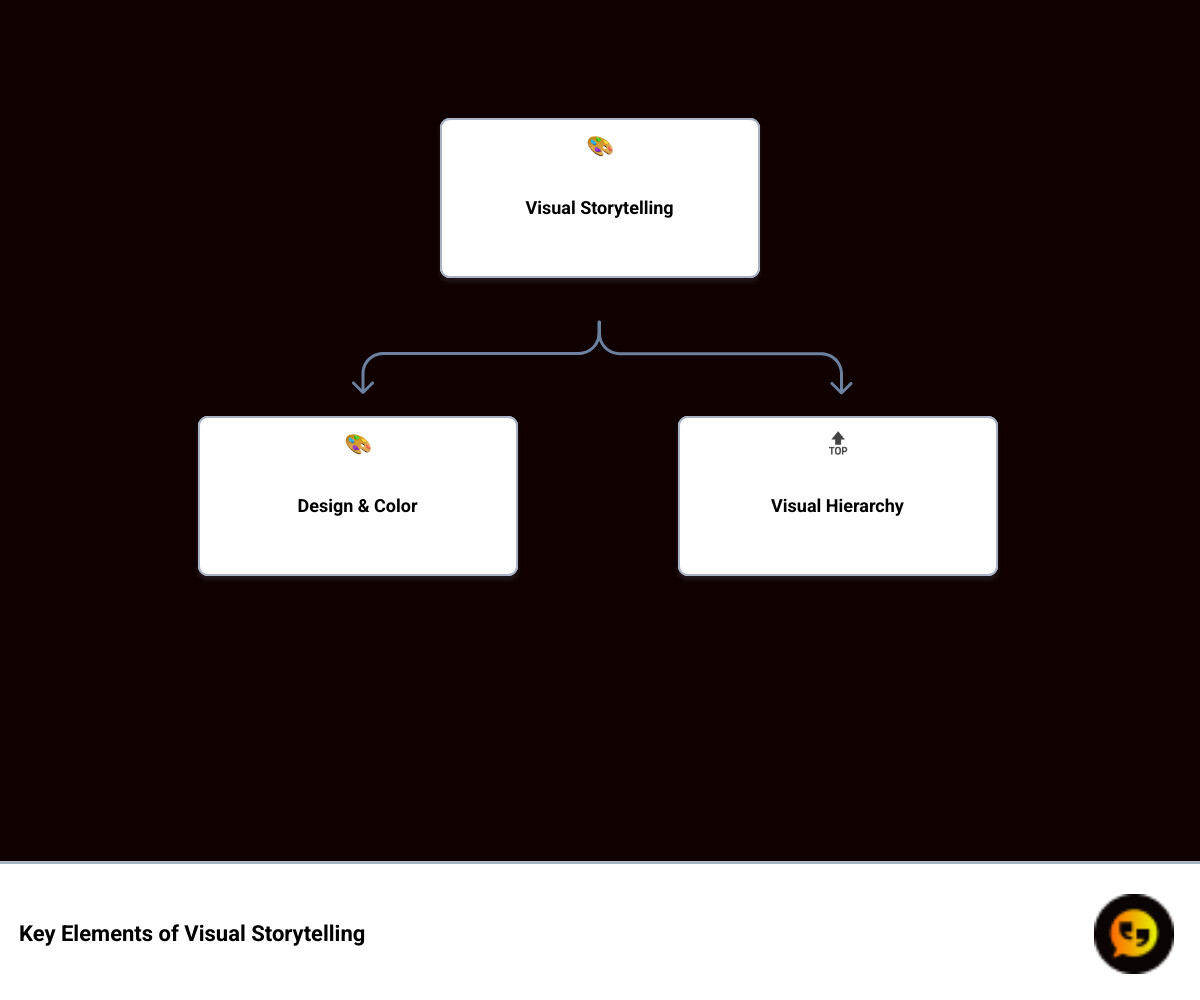
Here are some key elements of visual storytelling:
- Design and color: Choose elements that improve your message without overwhelming it.
- Visual hierarchy: Guide your audience to the most important parts of your story.
- Clear subjects: Ensure viewers immediately understand the core of your visual narrative.
- Audience interaction: Engage viewers to become active participants in the story.
Telling a story visually isn’t just about using pictures; it’s about crafting a narrative that speaks directly to people’s emotions and encourages action. Mastering these techniques offers non-profits an opportunity to lift brand awareness, drive community growth, and inspire donations.
Remember, your story matters. Together, let's unveil the techniques that will help you share it with power and clarity.
Easy visual storytelling techniques word list:
Understanding Visual Storytelling
Visual storytelling is about more than just pretty pictures. It's a way to connect with your audience on a deeper level, using images, symbols, colors, and movement to convey emotions and messages that words alone might miss.
Images and Symbols
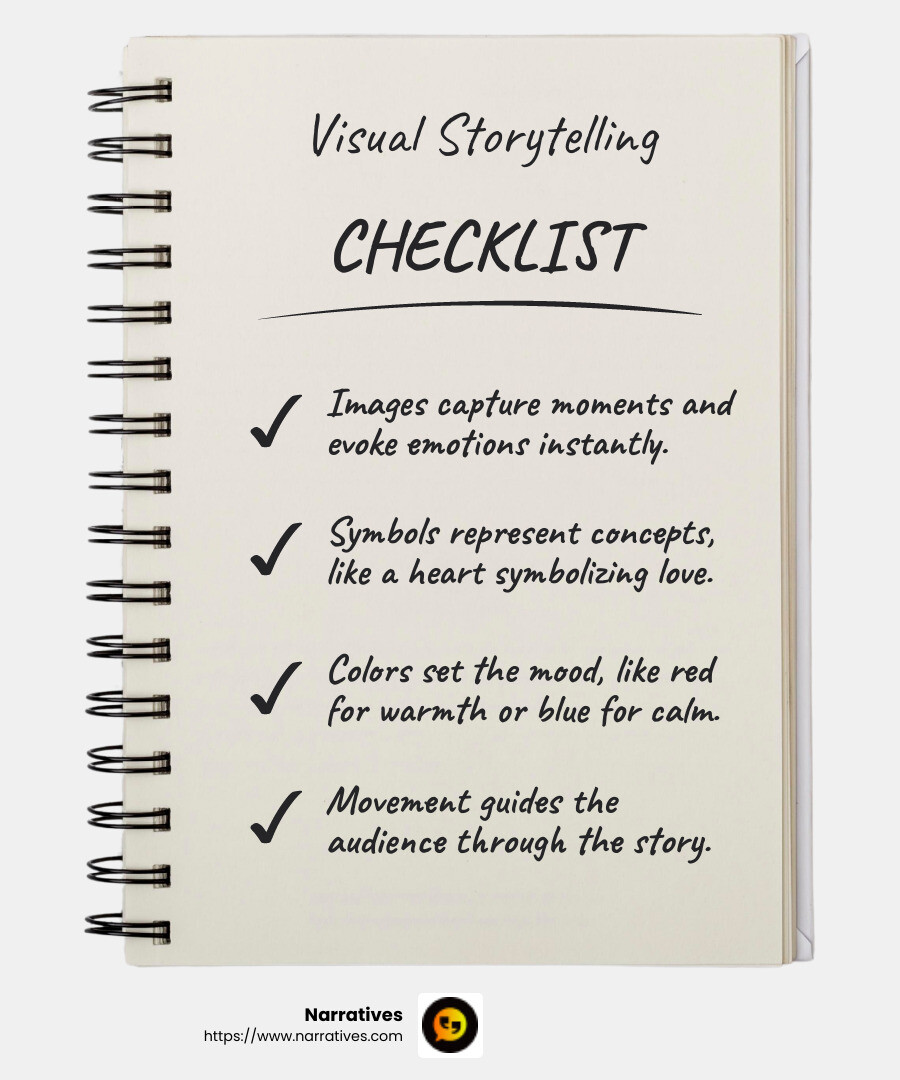
Images serve as the backbone of visual storytelling. They can capture a moment, evoke a feeling, or tell a story all on their own. Think of a powerful photograph that instantly brings a story to life. A well-chosen image can communicate complex ideas quickly and effectively.
Symbols are equally important. They can represent ideas or concepts that resonate with your audience. For example, a heart symbol universally represents love or compassion, making it a powerful tool in storytelling.
Colors
Colors are more than just decoration. They set the mood and tone of your story. Warm colors like red and orange can evoke feelings of warmth and excitement, while cool colors like blue and green can create a sense of calm and peace. Choosing the right color palette can improve the emotional impact of your story.
Movement
Movement adds a dynamic element to visual storytelling. It can be literal, like the motion in a video or animation, or implied, like a line in a drawing that leads the eye from one part of the image to another. Movement keeps your audience engaged and guides them through your story.
Emotional Resonance
At its core, visual storytelling is about emotional resonance. It’s about making your audience feel something. Whether it’s joy, sadness, or inspiration, the goal is to create a connection that compels your audience to engage with your story on a deeper level.
In non-profits, these elements are crucial. They help convey the impact of your work and inspire others to join your cause. By understanding and utilizing these techniques, you can craft stories that not only inform but also move your audience to action.
Visual Storytelling Techniques
Visual storytelling is a powerful way to communicate ideas and emotions, and there are several techniques you can use to achieve this. Let's explore some of the most effective visual storytelling techniques: photography, cinema, comics, infographics, and animation.
Photography
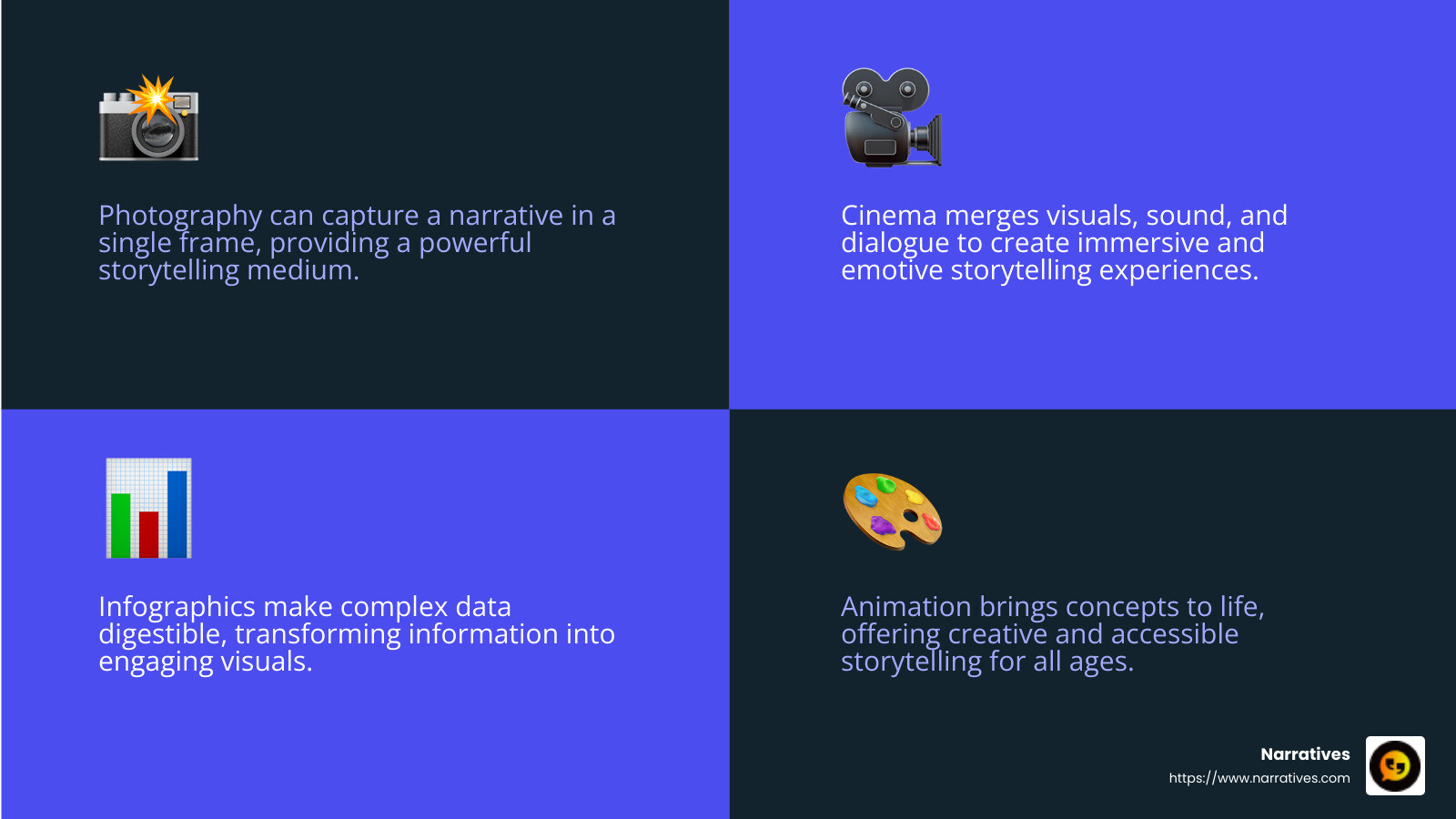
Photography captures moments and emotions in a single frame. A well-taken photograph can tell a story without needing a single word. Remember the iconic photo of the sailor kissing a nurse in Times Square at the end of World War II? That image alone conveys a powerful narrative of relief and celebration.
Cinema
Cinema combines moving images and sound to create immersive stories. Movies like "Schindler's List" use visual storytelling to evoke deep emotions and convey complex historical narratives. The combination of visuals, dialogue, and music can transport audiences into different worlds and perspectives.
Comics
Comics merge art and text to tell sequential stories. They are not just for superheroes; they can address serious topics too. Consider Art Spiegelman's "Maus," a graphic novel depicting the Holocaust. Using simple drawings and speech bubbles, it conveys a poignant and impactful story.
Infographics
Infographics present data visually, making complex information easier to digest. They use charts, icons, and concise text to communicate ideas quickly. For example, an infographic about climate change might use graphs and illustrations to show rising temperatures and their effects, making the data more accessible and engaging.
Animation
Animation brings illustrations to life through motion. It can simplify complex ideas and engage audiences of all ages. Think of Pixar's "Inside Out," which uses animated characters to explain emotions and mental processes. Animation's flexibility allows for creative storytelling that can simplify and improve understanding.
By leveraging these techniques, you can create stories that captivate and resonate with your audience. Whether you're using photography to capture a moment or animation to explain a complex concept, visual storytelling can bring your narratives to life in a compelling way.
The Role of Visual Storytelling in Non-Profits
Visual storytelling plays a crucial role in non-profits, helping them to create a social impact by connecting with communities and driving emotional engagement.
Social Impact
Non-profits often aim to raise awareness and inspire action on important issues. Visual storytelling can make these goals more achievable. By using powerful images and compelling narratives, non-profits can highlight the challenges faced by the communities they serve. For instance, Pars Equality Center uses visual content to showcase their initiatives supporting Persian-speaking immigrants. This approach not only informs but also motivates the public to contribute to their cause.
Community-Driven
A community-driven approach is essential for non-profits, and visual storytelling helps bring this focus to life. By featuring real stories and experiences from within the community, non-profits can create content that resonates on a personal level. Interactive visual stories, like those crafted by Narratives, allow audiences to engage more deeply, spending longer on the page and feeling more connected to the narrative. This engagement is key to building a sense of community ownership and involvement.
Emotional Connection
Emotional connection is at the heart of effective storytelling. Non-profits can use visual storytelling techniques to evoke emotions such as empathy, hope, or urgency. A well-crafted visual narrative can transcend cultural and language barriers, speaking directly to the viewer's heart. Whether through photos, videos, or animations, these stories can inspire individuals to take action, volunteer, or donate. As Giles Wilson from Harpoon Productions notes, the most engaging stories are those that don't rely on complex visuals but instead offer a clear and emotional journey.
By leveraging visual storytelling, non-profits can effectively communicate their mission, engage their audience, and drive meaningful change in their communities.
Key Elements of Effective Visual Storytelling
Visual storytelling is more than just pretty pictures. It's about creating a connection and conveying a message that sticks. Here are some key elements to focus on:
Compelling Imagery
Compelling imagery is the backbone of visual storytelling. Every image should serve a purpose, whether it’s setting the scene, illustrating a point, or evoking an emotion. High-quality, on-brand, and contextually relevant visuals are crucial. For instance, Emergence Magazine uses powerful photos and videos to highlight the importance of healthy forests and climate change, making the story both informative and visually engaging.
Narrative Connection
A strong narrative connection is the golden thread that ties your images together. Think of it like a movie with a clear beginning, middle, and end. This structure guides viewers through the story, keeping them engaged. NBC's report on segregation in Detroit is a great example, using a mix of maps, videos, and photos to create a cohesive and impactful narrative.
Emotional Resonance
The best stories are those that make us feel something. Emotional resonance is about evoking emotions like joy, sadness, or inspiration. This connection turns casual viewers into loyal fans. For non-profits, this can mean inspiring action or donations. As noted, the most engaging stories are those that offer a clear and emotional journey, not just complex visuals.
Clear Message
Every story needs a clear message. This isn't the time for ambiguity. The message should be unmistakable, leaving the audience with a clear understanding of what they need to do next. Whether it's a call to action or a key takeaway, clarity is key. For example, Nulab’s infographic on product launches simplifies complex data, making it easy for viewers to grasp the main points and take action.
By focusing on these elements, visual storytelling can be a powerful tool to engage audiences and convey meaningful messages.
Frequently Asked Questions about Visual Storytelling Techniques
What is visual storytelling?
Visual storytelling is the art of using images, colors, symbols, and movement to tell a story. It involves crafting a narrative that resonates emotionally with the audience, often making complex ideas easier to understand. This technique is ancient, dating back to cave paintings, but it has evolved dramatically with technology. Today, it spans various mediums like photography, cinema, and even social media platforms. A good visual story captivates, informs, and inspires, creating an immersive experience that words alone might not achieve.
How can visual storytelling be used effectively?
To use visual storytelling techniques effectively, start by knowing your audience and the message you want to convey. Here are some tips:
- Choose the Right Medium: Whether it's photography, animation, or comics, select the medium that best suits your story and audience.
- Focus on Clarity: Keep your message clear and straightforward. Avoid overloading with too much information or distracting visuals.
- Create Emotional Connections: Use visuals that evoke emotions, making the audience feel connected to the story.
- Incorporate Interactivity: Engage your audience with interactive elements, like scroll-based animations or clickable graphics, to keep them interested.
For example, Arab News uses scroll-based animations to bring stories to life, enhancing engagement and understanding.
What are the benefits of visual storytelling for non-profits?
For non-profits, visual storytelling is a powerful tool to drive social impact and community connection. Here’s why:
- Emotional Engagement: Visuals can evoke empathy and compassion, motivating people to support a cause.
- Simplified Communication: Complex issues are broken down into understandable visuals, making it easier for audiences to grasp and act on information.
- Increased Reach: Engaging visuals are more likely to be shared on social media, expanding the reach of your message.
Defy Ventures, for example, uses visual storytelling to share inspiring stories of inmates turning into entrepreneurs, helping to reduce recidivism and gain support for their cause.
By using these techniques, non-profits can effectively tell their stories and make a lasting impact on their communities.
Conclusion
Narratives is committed to being the go-to digital storytelling partner for non-profits and purpose-driven organizations. By focusing on elevating underrepresented voices through high-quality, emotionally resonant video and multimedia content, we help non-profits share their impact stories in a way that inspires action, builds trust, and increases visibility.
In the field of non-profits, visual storytelling is not just a tool; it's a bridge to deeper community impact. It allows organizations to connect emotionally with their audience, making complex social issues more relatable and compelling. Through the power of visual storytelling techniques, non-profits can transform their messages into engaging narratives that resonate with supporters and drive meaningful change.
Our approach at Narratives is centered around creating content that not only informs but also moves people. By partnering with us, non-profits gain access to a storytelling strategy that amplifies their mission and reaches a broader audience.
To learn more about how we can help your organization harness the power of visual storytelling, visit our service page. Together, we can craft stories that make a difference.


.avif)