Crafting Compelling Tales: A Guide to Developing Storytelling Skills

Developing storytelling skills is essential for crafting narratives that resonate, connect, and inspire. Whether you’re looking to amplify a nonprofit mission, promote social justice, or drive advocacy, honing your storytelling abilities can create meaningful impacts. Here's a quick overview:
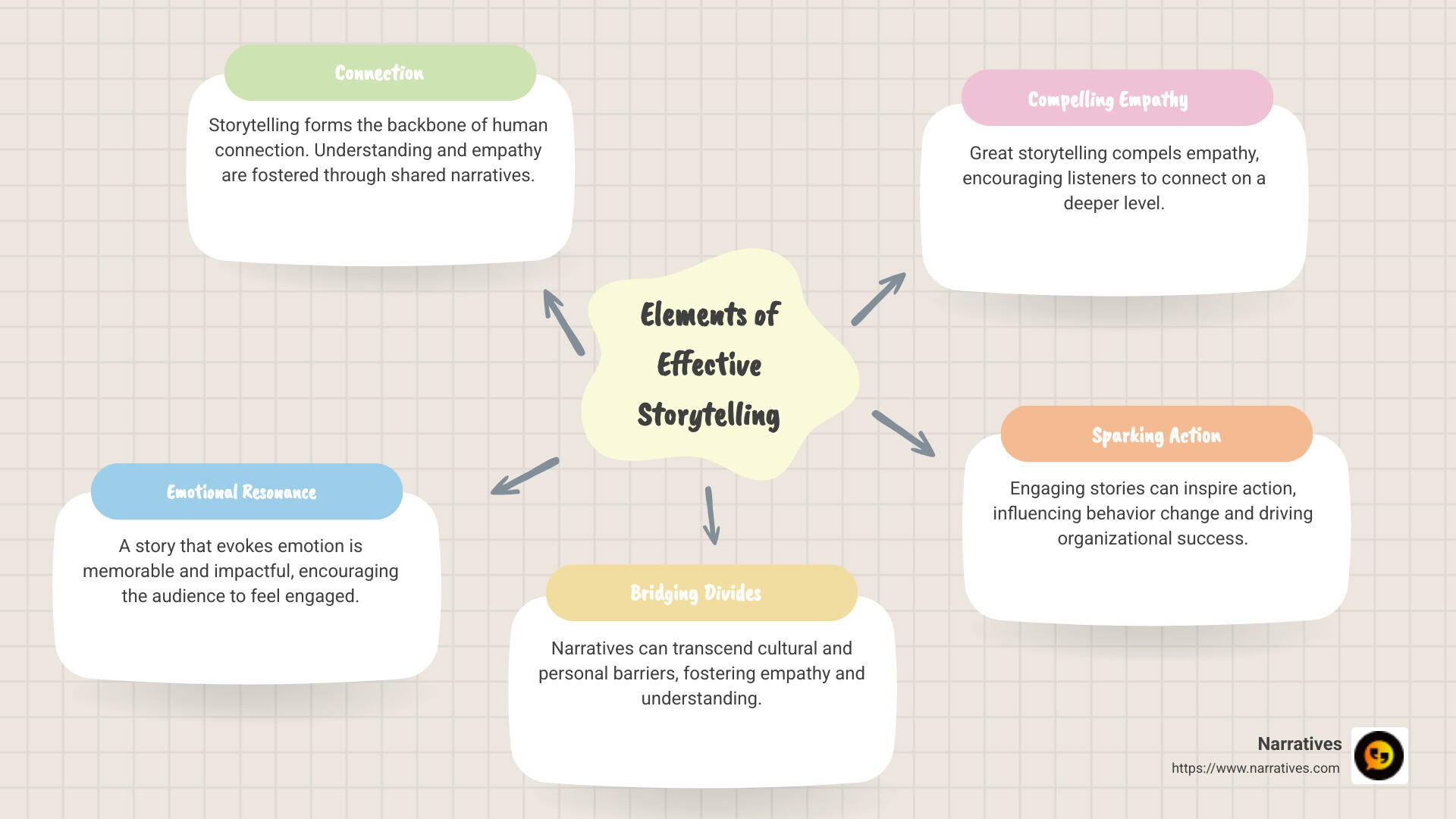
- Storytelling forms the backbone of human connection. It’s through sharing stories that we understand each other better.
- Emotional resonance is key. A story that evokes feelings stays with the audience longer, ensuring your message is both memorable and impactful.
- Connection through storytelling can transcend cultural and personal divides, bridging gaps and fostering empathy.
Why does storytelling matter?
At its heart, storytelling is about connection. It’s an ancient tool for bridging gaps between cultures, times, and people, making individuals feel seen and understood. Today, these connections are crucial as they significantly affect our emotional well-being. With studies showing that 43% of people feel disconnected at work, storytelling becomes a powerful way to close the emotional gap.
Great storytelling doesn’t just tell a story; it compels empathy and sparks action. When distractions are rampant, the ability to tell an engaging story can set your organization apart, leading to increased awareness and support.
From influencing behavior change to driving organizational success, the capacity to weave a compelling narrative is a cornerstone of effective communication in any medium or platform.
Developing storytelling skills terms to learn:
Understanding the Basics of Storytelling
To truly master storytelling, it’s important to grasp the core elements that make stories compelling. These basics include narrative structure, plot and characters, and the various mediums through which stories can be told.
Narrative Structure
At the heart of any great story is its structure. Think of it as the backbone that holds everything together. A well-structured narrative guides the audience from beginning to end, ensuring they remain engaged throughout.
One effective framework to consider is the ABT framework: And, But, Therefore. This simple yet powerful structure helps set the context, introduce a problem, and then resolve it. For instance, in the story of Adam and Eve, the narrative begins with them living peacefully in the Garden of Eden AND enjoying its bounty. BUT they are tempted and eat from the forbidden tree. THEREFORE, they face consequences and are exiled.
Plot and Characters
Plot and characters are the soul of a story. The plot is the sequence of events that unfold, while characters are the beings who drive these events. A compelling plot keeps the audience curious and eager to know what happens next. Meanwhile, relatable and well-developed characters evoke empathy and connection.
Consider the classic tale of the Titanic. The plot involves a ship journey that turns disastrous, while the characters—a struggling artist and a socialite—bring human emotion and depth to the narrative. Their love story amidst a life-threatening situation captivates and moves audiences.
Mediums of Storytelling
Stories can be shared through various mediums, each offering unique opportunities to connect with an audience. Some common mediums include:
- Oral storytelling: Traditional and personal, often used in speeches or live performances.
- Written storytelling: Books, articles, and blogs allow for detailed exploration of themes and characters.
- Visual storytelling: Films, television, and art convey stories through powerful imagery.
Choosing the right medium depends on your audience and the message you want to convey. Each medium has its strengths and can be used to improve the emotional impact of your story.

By understanding these basics, you lay the foundation for developing storytelling skills that captivate and inspire. Up next, we’ll explore techniques for making your storytelling even more effective, tapping into emotional triggers and utilizing the ABT framework to its fullest potential.
Developing Storytelling Skills
Techniques for Effective Storytelling
Developing storytelling skills involves more than just knowing the basics. It's about honing techniques that make your stories resonate deeply with your audience. Here’s how you can improve your storytelling craft:
Audience Awareness
Understanding your audience is crucial. Knowing who they are, what they care about, and how they prefer to receive information allows you to tailor your story for maximum impact. This means considering their values, interests, and emotional triggers. As Paige O’Neill from Sitecore suggests, empathy in your content strategy can lead to stronger connections.
Practice Regularly
Practice is key to becoming a better storyteller. Like any skill, storytelling improves with repetition and reflection. As the saying goes, "practice makes perfect," or at least better. Regularly engaging in storytelling exercises helps you refine your narrative style and identify what resonates with your audience.
Feedback and Improvement
Feedback is a powerful tool for growth. Seek input from trusted colleagues or mentors to understand what works in your storytelling and what doesn't. Constructive criticism provides insights that can help you adjust and improve your delivery. Feedback is a sign that someone cares about your success and wants to see you thrive.
ABT Framework
The ABT framework—And, But, Therefore—is an effective method for structuring stories. It sets the stage, introduces conflict, and provides resolution. This framework not only keeps your narrative clear and engaging but also ensures your story has a logical flow that captures and maintains audience interest.
Emotional Triggers
Stories that evoke emotions are more likely to be remembered. Whether it's joy, sadness, or surprise, tapping into emotions makes your story compelling. As Renata Milicevic from Post For Rent notes, an emotional hook is essential for your story to resonate. Identify the emotions you want to evoke and weave them naturally into your narrative.
Storytelling Feedback
Incorporating ongoing feedback into your storytelling process helps you develop a keen sense of what captivates your audience. Before presentations or storytelling sessions, ask for specific feedback on what you did well and where you could improve. This iterative process of feedback and refinement sharpens your skills and improves your storytelling effectiveness.
By focusing on these techniques, you can lift your storytelling to new heights. Whether you're connecting with an audience emotionally or using the ABT framework to structure your narrative, these strategies will help you craft stories that leave a lasting impact.
Next, we'll dig into the role of storytelling in social impact, exploring how powerful narratives can drive change and inspire action within communities.
The Role of Storytelling in Social Impact
Storytelling isn't just for entertainment. In the field of social impact, it becomes a powerful tool for change. Let's explore how non-profit storytelling, community-driven narratives, and purpose-driven content play a crucial role in making a difference.
Non-Profit Storytelling
Non-profits rely heavily on storytelling to convey their mission and impact. By sharing real stories of the individuals and communities they serve, non-profits can effectively communicate their purpose and the importance of their work. For instance, Pars Equality Center uses storytelling to empower and support Persian-speaking immigrants, highlighting their journey and challenges. This approach not only informs but also inspires action and support from the audience.
Community-Driven Narratives
Community-driven narratives are stories that originate from within the community itself. They highlight local voices and experiences, ensuring that the narrative is authentic and relatable. These stories foster a sense of belonging and unity, encouraging community members to engage and participate in collective efforts. Margaret Atwood, in her exploration of storytelling, emphasizes that stories help us make sense of reality and connect deeply with others. By focusing on shared experiences, community-driven narratives can strengthen bonds and motivate collective action.
Purpose-Driven Content
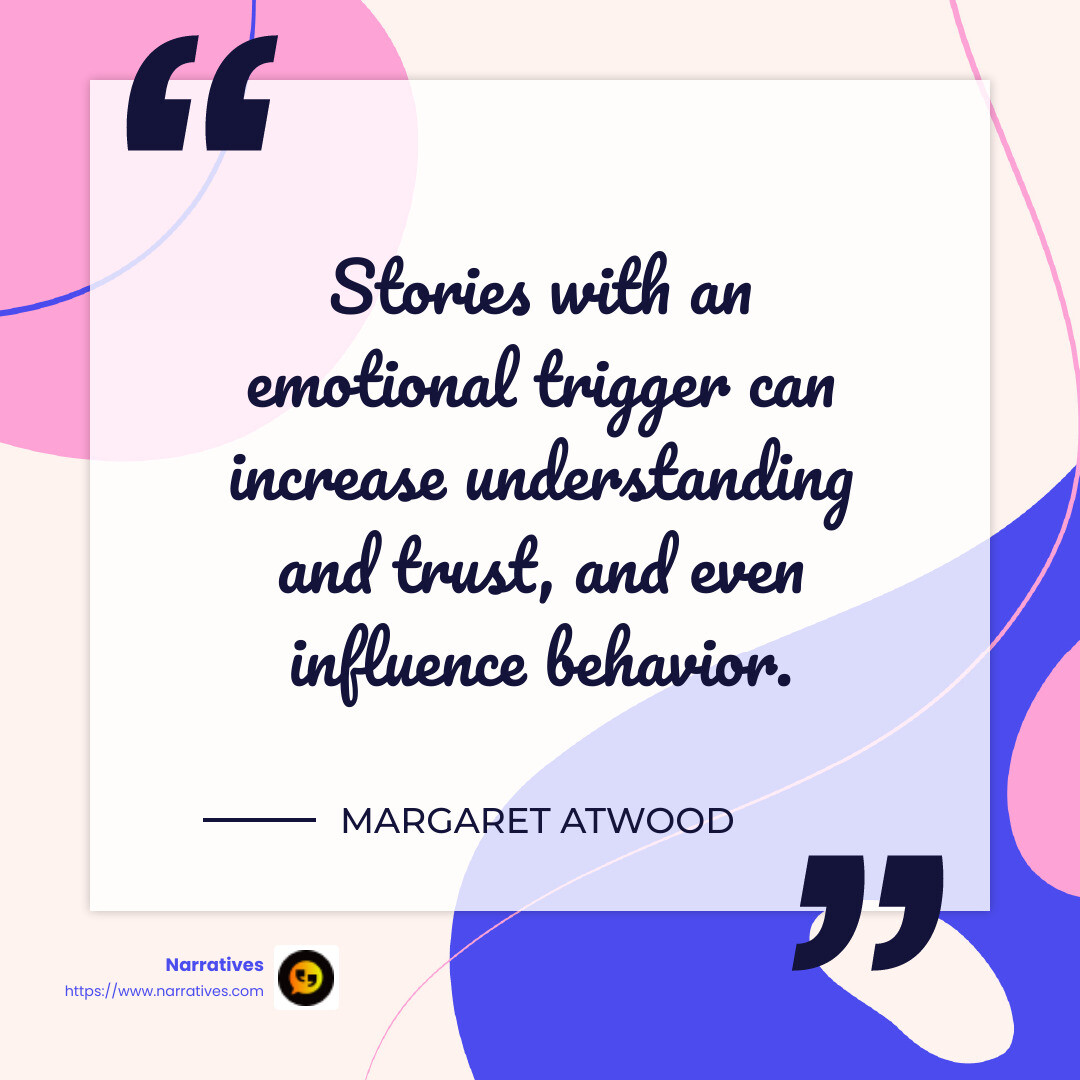
Purpose-driven content goes beyond just telling a story; it aligns with a larger mission or goal. This type of storytelling is about creating content that not only informs but also motivates and inspires change. It taps into the audience's values and emotions, making them more likely to engage and support the cause. As Margaret Atwood points out, stories with an emotional trigger can increase understanding and trust, and even influence behavior. By crafting purpose-driven content, organizations can effectively drive social impact and foster a more empathetic and connected world.
In summary, storytelling in social impact is about more than just sharing information. It's about creating connections, inspiring action, and driving change. Whether through non-profit storytelling, community-driven narratives, or purpose-driven content, powerful stories have the potential to transform individuals and communities alike.
Next, we'll explore the qualities that make a great storyteller, from empathy and creativity to adaptability and clarity.
10 Qualities of a Good Storyteller
Great storytellers have unique qualities that set them apart. Let's explore five key traits: enthusiasm, empathy, clarity, adaptability, and creativity.
Enthusiasm
A storyteller's enthusiasm is contagious. It draws the audience in and keeps them engaged. When you tell a story with passion, it shows. Enthusiasm can turn an ordinary tale into something memorable. It's about being genuinely excited about what you're sharing and letting that excitement shine through.
Empathy
Empathy is the ability to understand and share the feelings of others. It's crucial for connecting with your audience. A storyteller with empathy can express emotions in a way that resonates with listeners. They can make characters come alive by understanding their motivations and challenges. This deep sense of empathy helps make stories more relatable and impactful.
"A great storyteller has a deep sense of empathy, which allows them to understand and express the emotions of the characters in the story."
Clarity
Clarity is all about making sure your audience understands your story. It's about communicating ideas effectively without unnecessary complexity. A clear story is easy to follow and leaves a lasting impression. Great storytellers use simple language and straightforward narratives to ensure their message is understood.
Adaptability
Adaptability is the ability to adjust your story to fit the audience or situation. A skilled storyteller can change the tone, pacing, or elements of a story based on real-time feedback. This flexibility ensures that the story remains engaging and relevant. For example, a comedian might tweak their jokes based on audience reactions, similar to how a storyteller can adapt their narrative.
Creativity
Creativity is the magic ingredient that makes stories captivating. It's about inventing or reimagining stories in original ways. Creative storytellers use metaphors, analogies, and vivid imagery to improve the listener's experience. They bring stories to life with a creative flair that captures the imagination.
"They possess a creative flair that allows them to invent or reimagine stories in ways that are original and captivating."
These qualities—enthusiasm, empathy, clarity, adaptability, and creativity—are the building blocks of a great storyteller. They help create stories that not only entertain but also connect and inspire.
Next, let's address some frequently asked questions about developing storytelling skills.
Frequently Asked Questions about Developing Storytelling Skills
How can I improve my storytelling skills?
Improving your storytelling skills is like building a muscle—it takes regular practice and feedback. Here are some straightforward steps to consider:
Practice Regularly: Just like any other skill, storytelling improves with practice. Use stories in your everyday conversations with friends or colleagues. Andrea d’Agostini suggests using stories to explain things, which helps you understand their power.
Seek Feedback: Feedback is crucial for growth. Share your stories with others and ask for honest opinions. Notice their reactions. Are they engaged? Do they ask questions? Tynan advises that if people are not showing interest, it might be time to tweak your approach.
Engage Your Audience: Audience engagement is key. Observe their body language and listen to their feedback. Adjust your story based on their reactions to make it more relatable and interesting.
What makes a story compelling?
A compelling story has a few essential ingredients that captivate the audience:
Emotional Connection: A story should evoke emotions. Whether it's joy, sadness, or excitement, an emotional hook keeps the audience invested. Renata Milicevic highlights the importance of provoking an emotional reaction to make your story memorable.
Clear Structure: A well-structured story is easy to follow. It should have a beginning, middle, and end. Clarity ensures that your audience understands and remembers your story.
Relatable Content: Stories that resonate with the audience are often the most powerful. They should be able to see themselves in the characters or situations. As Tynan notes, even ordinary experiences can be turned into interesting stories with the right delivery.
Why is storytelling important for non-profits?
For non-profits, storytelling is a powerful tool to create impact and build connections:
Impact Stories: Sharing real stories of change can inspire action. Highlighting the human side of your work helps people see the difference they can make.
Building Trust: Trust is essential for non-profits. Genuine stories that show transparency and authenticity can build trust with your audience and supporters.
Increasing Visibility: A good story can spread far and wide, increasing your organization's visibility. As seen in Maggie Doyne’s book, storytelling can be a key fundraising tool, illustrating the good that can be achieved.
Storytelling is not just about telling stories; it's about creating connections and inspiring change. By honing your skills, you can make your stories resonate deeply with your audience.
Next, we'll explore the role of storytelling in social impact.
Conclusion
In digital storytelling, especially for non-profits, the power of narratives cannot be overstated. At Narratives, we believe that storytelling is more than just a tool—it's a bridge that connects people, fosters empathy, and drives social change.
Narratives are at the heart of what we do. They are the threads that weave together the experiences and voices of underrepresented communities. By crafting compelling tales, we help non-profits share their impact stories in a way that not only informs but also inspires action. This approach builds trust and increases visibility, crucial elements for any purpose-driven organization.
Digital storytelling offers a dynamic platform to reach broader audiences. Through high-quality, emotionally resonant multimedia content, we lift the voices that need to be heard. Whether it's a video showcasing the journey of a community or a blog post highlighting a success story, digital storytelling allows us to engage audiences in meaningful ways.
Our focus on non-profit partnerships sets us apart. We work closely with organizations to understand their unique missions and help them tell their stories authentically. By doing so, we support their goals and amplify their impact. Our collaborative efforts ensure that the stories we tell are not just heard but felt, resonating deeply with those who encounter them.
At Narratives, we are committed to being the go-to digital storytelling partner for non-profits and purpose-driven organizations. Through our work, we aim to make a difference, one story at a time.
Want to learn more about how we can help your organization share its story? Explore our services and find the power of storytelling with Narratives.


.avif)