Digital Engagement Solutions: The How-To Guide

Digital engagement solutions are changing the way organizations connect with their audience. These solutions involve using digital channels to interact with customers, creating meaningful and personalized experiences. This not only meets but often surpasses the expectations of modern, tech-savvy consumers.
Here's a quick rundown of why digital engagement is crucial:
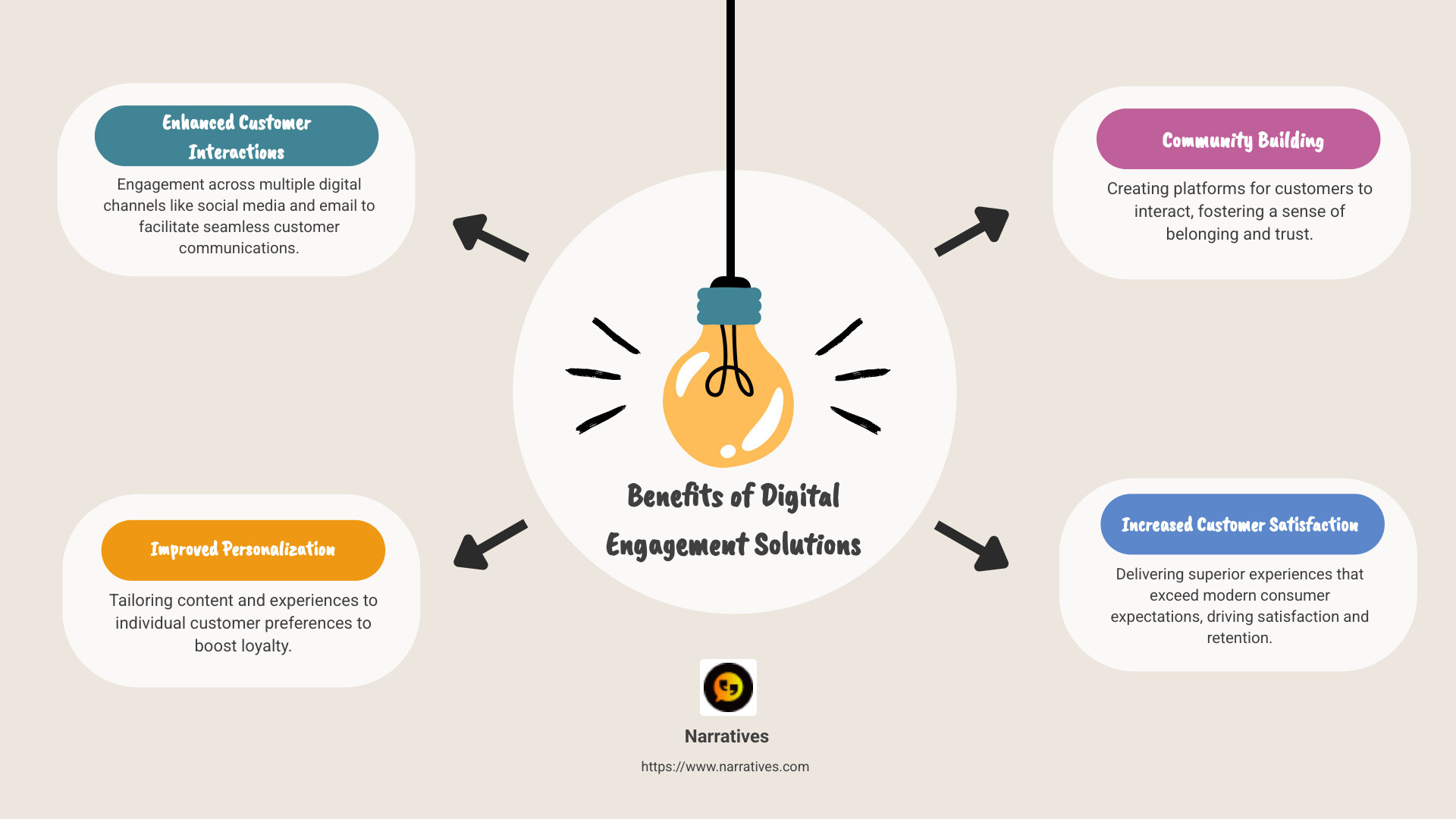
Boosts customer interactions: By using digital engagement, businesses can reach their audience through various channels like social media, chat, and email, ensuring a seamless experience.
Improves personalization: Tailor content to your audience's needs, making them feel valued and increasing brand loyalty.
Fosters community: Create spaces for customers to connect and engage, strengthening your brand's community and customer base.
Customer interactions are at the heart of growth. Businesses that accept digital engagement find themselves in stronger relationships with their customers, ultimately driving trust and satisfaction.
Digital engagement solutions definitions:
Understanding Digital Engagement Solutions
Digital engagement solutions are all about connecting with your customers in a meaningful way. At their core, these solutions focus on using digital channels to improve customer engagement and create personalized experiences that resonate with your audience.
Customer Engagement
Imagine walking into a store where the staff knows your name, remembers your preferences, and offers you exactly what you need. Digital engagement does this online. It allows businesses to interact with customers through various digital platforms, ensuring that every interaction is relevant and valuable.
A key component of customer engagement is understanding your audience. By leveraging data and insights, businesses can tailor their communications and offerings. This personalized approach not only meets customer expectations but often exceeds them, leading to increased loyalty and satisfaction.
Digital Channels
Customers are everywhere—on social media, email, websites, and even in virtual spaces. Digital engagement solutions make it possible to meet your audience wherever they are.
Social Media: Platforms like Facebook and Instagram are powerful tools for engaging with customers. They offer opportunities for real-time interaction and feedback.
Email: A well-crafted email can be a direct line to your customer, offering personalized content and exclusive offers.
Live Chat: Instant messaging on websites provides immediate support and guidance, enhancing the customer experience.
These channels work together to create an omnichannel presence, ensuring that customers have a consistent and seamless experience across all touchpoints.
Personalized Experiences
Personalization is not just a trend; it's a necessity. Customers expect experiences that are custom to their needs and preferences. According to the Digital Engagement Benchmarks report, personalized experiences can lead to a 68% increase in engagement with calls-to-action and a nearly fourfold increase in demo requests. 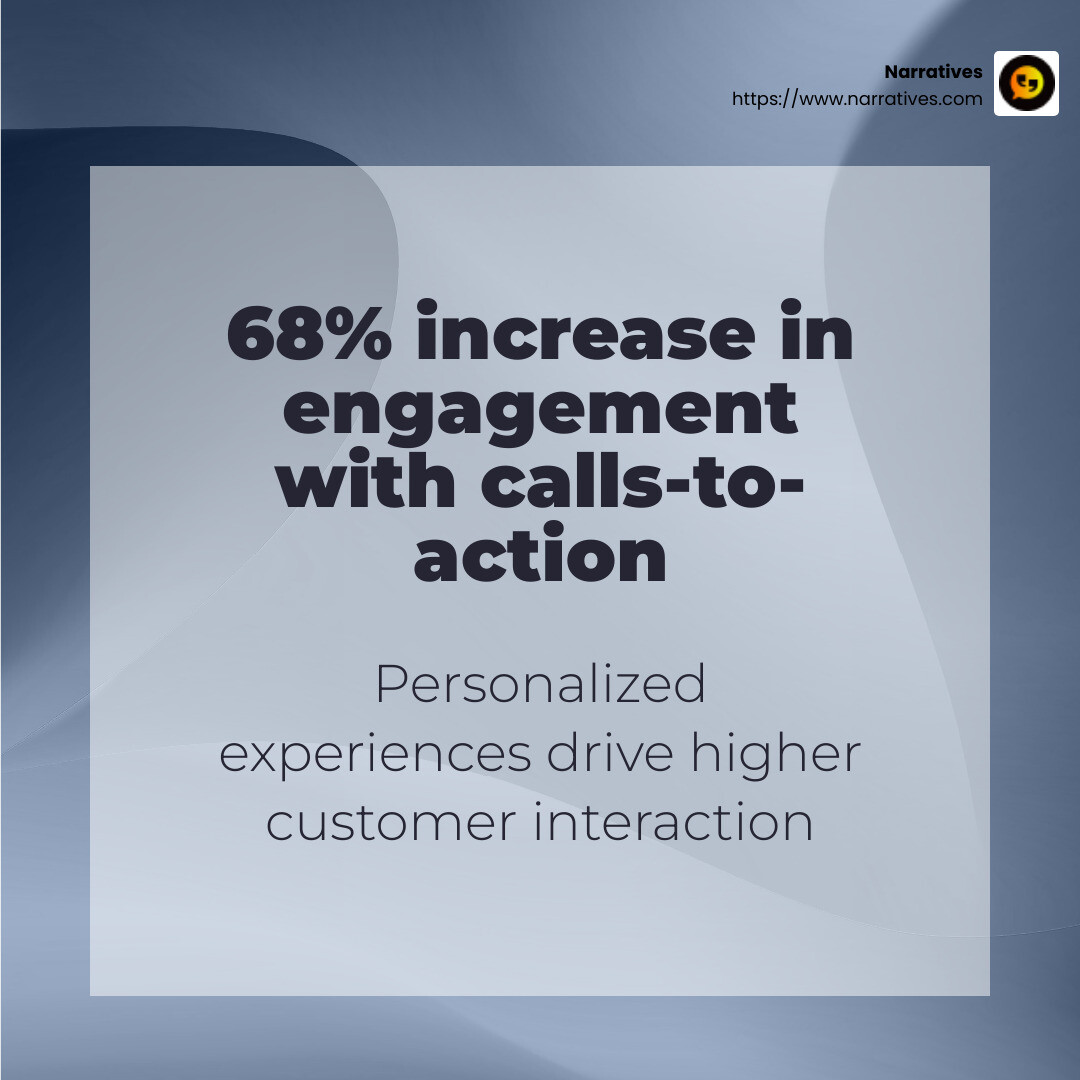
By using data-driven insights, businesses can deliver content and offers that are relevant to each customer. This approach not only improves the customer experience but also drives conversions and builds long-term relationships.
In summary, digital engagement solutions are about making every interaction count. By leveraging the right channels and personalizing experiences, businesses can create meaningful connections with their customers, driving engagement and loyalty.
Key Strategies for Effective Digital Engagement
To succeed in digital engagement, businesses need to employ key strategies that ensure customer interactions are seamless, personalized, and effective. Let's explore some of these essential strategies.
Omnichannel Presence
An omnichannel presence is crucial for delivering a unified customer experience across all digital platforms. Whether your customer is on social media, email, chat, or phone, they should enjoy a consistent and seamless interaction. An omnichannel approach ensures that customers can switch between channels without losing context, leading to improved customer satisfaction and engagement.
Consider a customer who starts an inquiry on social media, continues it via email, and finalizes it on a phone call. With an omnichannel strategy, each interaction is connected, reducing response times and enhancing the overall experience.
Interactive Chatbots
Interactive chatbots are changing customer support by providing instant assistance. These AI-powered tools can handle routine inquiries, book appointments, and even offer product recommendations. By automating simple tasks, chatbots free up human agents to focus on more complex issues, ultimately improving efficiency and customer satisfaction.
For example, a chatbot can quickly answer frequently asked questions, ensuring customers get the information they need without delay. This not only improves the user experience but also reduces the workload on support teams.
Personalized Experiences
Personalization is key to engaging customers effectively. By tailoring interactions based on customer preferences, behavior, and history, businesses can offer more relevant and meaningful experiences. Personalized recommendations, location-based services, and special offers based on past purchases can significantly boost customer satisfaction and loyalty.
According to research, personalized experiences can lead to higher conversion rates and increased loyalty. This strategy not only meets customer expectations but often exceeds them, fostering long-term relationships.
Customer Feedback
Gathering customer feedback is essential for understanding the needs and preferences of your audience. Feedback forms, surveys, and Net Promoter Score (NPS) surveys provide valuable insights into the customer experience. These insights help businesses identify areas for improvement and tailor their strategies to better meet customer expectations.
Incorporating customer feedback into your digital engagement strategy ensures that you are not only meeting but anticipating customer needs, leading to better service and stronger relationships.
Proactive Communication
Proactive communication involves reaching out to customers with relevant information before they even ask for it. This could be in the form of personalized product recommendations, updates on service changes, or reminders for upcoming events. By being proactive, businesses can improve the customer experience and prevent potential issues before they arise.
For example, sending a reminder email about an upcoming appointment or notifying customers about a sale can keep them engaged and informed, showing that you value their time and interests.
In conclusion, these strategies are the backbone of effective digital engagement. By implementing an omnichannel presence, leveraging interactive chatbots, personalizing experiences, seeking customer feedback, and engaging in proactive communication, businesses can create meaningful and lasting connections with their customers.
Top Digital Engagement Tools
In digital engagement, having the right tools is essential. These tools not only streamline operations but also improve the customer experience. Let's explore some of the top digital engagement tools that can transform your customer interactions.
Virtual Agents
Virtual agents are AI-powered tools that help customers resolve issues quickly and efficiently. These agents can answer questions, guide users through processes, and even handle transactions—all without human intervention. By using advanced AI and machine learning, virtual agents understand customer queries in real-time and provide immediate, accurate responses.
For instance, virtual agents allow customers to find solutions on their own, reducing wait times and improving satisfaction.
Workforce Management
Managing a contact center's workforce can be challenging, but workforce management tools make it easier. These tools help optimize agent schedules, ensuring that the right number of agents are available when needed. Features like forecasting, scheduling, and real-time monitoring enable managers to make informed decisions and adapt to changing volumes of customer interactions.
Workforce management tools are renowned for their ability to reduce costs, minimize wait times, and improve overall customer satisfaction by ensuring efficient resource allocation.
Reports and Analytics
Understanding the performance of your digital engagement strategies is crucial, and that's where reports and analytics come in. Tools offer customizable dashboards and detailed reports that track key performance indicators (KPIs), monitor agent performance, and analyze customer feedback.
This data-driven approach helps businesses identify trends, measure the effectiveness of their strategies, and continuously optimize their processes. With robust analytics, you can make informed decisions that lead to better customer experiences.
Intelligent Routing
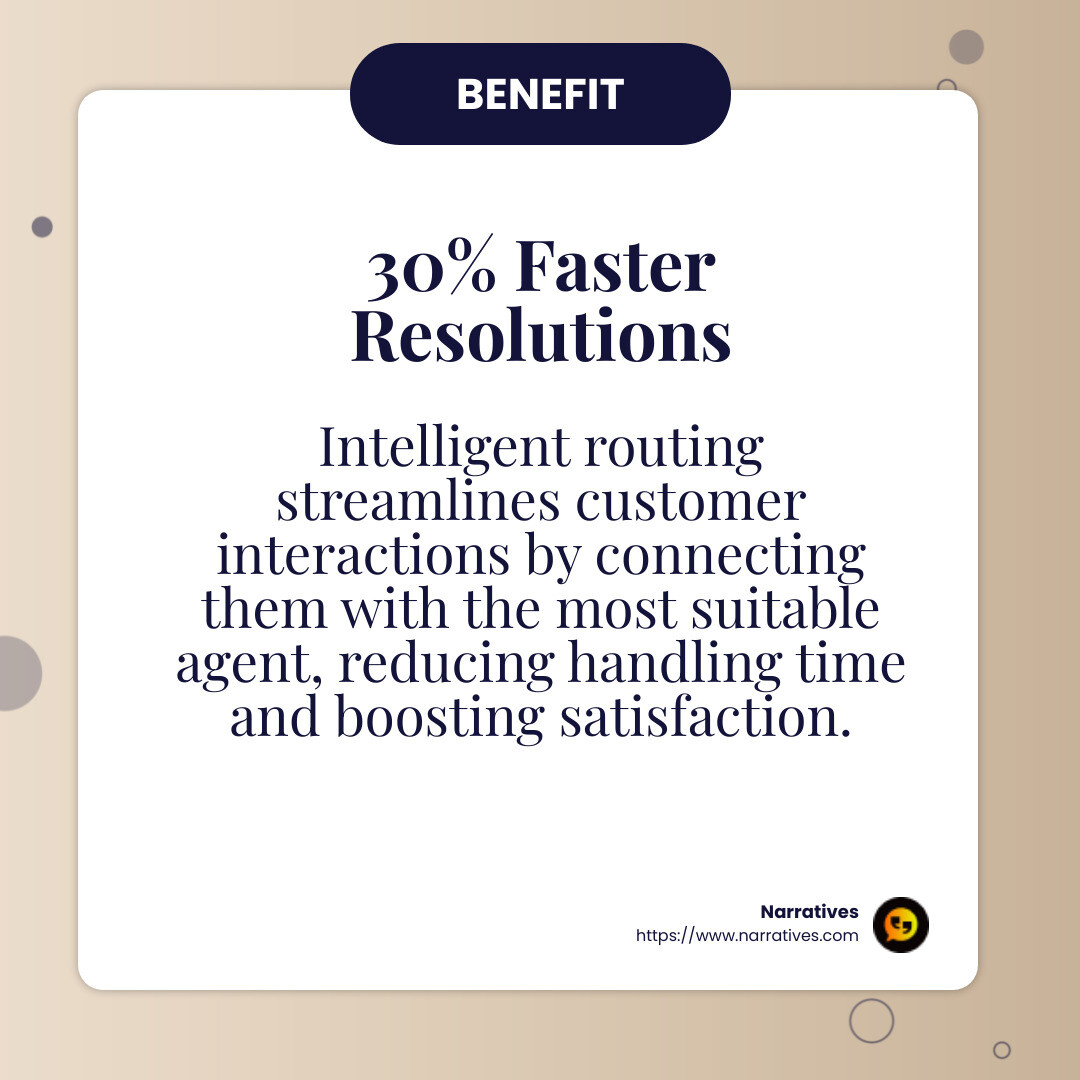
Intelligent routing is a game-changer in ensuring that customers are connected to the most suitable agent. This system uses factors like agent skills, language preferences, and customer history to match customers with the best available agent for their needs.
By ensuring that each interaction is handled by the right person, intelligent routing improves the customer experience and improves resolution rates. Intelligent routing systems exemplify how this tool can streamline operations and boost customer satisfaction.
Incorporating these digital engagement tools into your strategy can significantly improve the way you interact with customers. By leveraging virtual agents, optimizing workforce management, utilizing reports and analytics, and implementing intelligent routing, businesses can provide exceptional customer experiences and drive growth.
Benefits of Digital Engagement Solutions
Digital engagement solutions offer a multitude of benefits that go beyond just enhancing customer interactions. They play a crucial role in boosting customer satisfaction, building trust, gaining a competitive advantage, and driving business growth.
Customer Satisfaction
When you tailor experiences to meet individual needs, customer satisfaction naturally rises. Personalized experiences, powered by real-time data and AI, make customers feel valued and understood. This leads to higher satisfaction levels as customers receive relevant recommendations and solutions. For example, virtual agents can resolve queries instantly, reducing wait times and improving the overall experience.
Trust Building
Trust is the backbone of any successful business relationship. By providing consistent and reliable service across all digital channels, businesses can foster trust with their customers. Proactive communication—like sending timely updates and personalized offers—shows customers that you care about their needs. This consistent engagement builds a strong foundation of trust, encouraging customers to return.
Competitive Advantage
Having a robust digital engagement strategy sets you apart from competitors. Businesses that leverage tools like intelligent routing and interactive chatbots can streamline operations and offer superior customer service. This not only improves the customer experience but also positions your brand as a leader in the market. Companies that excel in digital engagement are often seen as more innovative and customer-focused.
Business Growth
Effective digital engagement strategies drive sales and revenue growth by keeping customers engaged throughout their journey. By understanding customer behavior through reports and analytics, businesses can make data-driven decisions that lead to better outcomes. Engaged customers are more likely to become loyal advocates, promoting your brand and contributing to sustained business growth.
By embracing digital engagement solutions, businesses can achieve higher customer satisfaction, build trust, gain a competitive edge, and fuel business growth. These benefits are not just theoretical—they're backed by real-world examples and case studies that demonstrate the transformative power of digital engagement.
Frequently Asked Questions about Digital Engagement Solutions
What is digital customer engagement?
Digital customer engagement is all about how businesses interact with their customers using digital channels. Think of it as the bridge that connects companies to their audience through platforms like social media, email, and live chat. This engagement is not just about responding to queries. It's about creating personalized experiences that make customers feel special and understood.
When businesses understand what their customers like and need, they can deliver the right information at the right time. This makes interactions more meaningful and helps build lasting relationships.
What are examples of digital customer engagement?
Digital customer engagement can take many forms. Here are a few examples:
Chatbots: Many companies use chatbots on their websites to answer common questions. This allows customers to get answers quickly without waiting for a human agent.
Social Media Interactions: Customers often reach out to brands via social media. Whether it's a tweet asking for help or a Facebook message with a question, these interactions are key to digital engagement.
Personalized Emails: Sending emails custom to customer preferences is another example. These emails might include special offers or recommendations based on past purchases.
Each of these examples shows how businesses can use digital channels to connect with their audience in a meaningful way.
How can digital engagement improve customer service?
Digital engagement solutions can significantly improve customer service. Here's how:
Faster Response Times: With tools like virtual agents, customers can get help instantly, reducing wait times and frustration.
Personalized Support: By using data to understand customer preferences, businesses can offer more personalized support. This makes customers feel valued and understood.
Seamless Communication: An omnichannel approach ensures that customers have a seamless experience across all platforms. Whether they start a conversation on social media and continue it via email, the experience remains consistent.
Proactive Communication: By reaching out to customers with updates and offers, businesses show they care. This proactive approach can prevent issues before they become problems.
By implementing effective digital engagement strategies, businesses can transform their customer service, making it more efficient and customer-centric.
Conclusion
In digital engagement solutions, the power of storytelling cannot be overstated. At Narratives, we believe that storytelling is the heart of connecting with audiences, especially for non-profits and purpose-driven organizations. By elevating underrepresented voices through high-quality, emotionally resonant content, we help non-profits share their impact stories in a way that inspires action and builds trust.
Our approach to storytelling is not just about creating content; it's about forging partnerships that amplify social impact. By collaborating with non-profits, we focus on crafting narratives that highlight their missions and the communities they serve. This not only increases visibility but also fosters a deeper connection with their audience.
Digital engagement solutions play a crucial role in this journey. They allow us to reach audiences across various digital channels, ensuring that every story we tell resonates with the right people at the right time. Whether it's through interactive videos, personalized messaging, or engaging multimedia content, our goal is to create experiences that are both meaningful and impactful.
Through our partnerships, we aim to create a ripple effect of positive change. By sharing stories of resilience, hope, and change, we empower communities and drive social impact. This is the essence of what we do at Narratives.
For non-profits looking to harness the power of storytelling and digital engagement, we invite you to learn more about our services. Together, we can turn your stories into powerful tools for change, building a brighter future for the communities you serve.

.avif)