The Good in Multimedia: Stories that Inspire Change
Multimedia for social good leverages digital storytelling and social media to drive positive change worldwide. For those looking for a quick takeaway:
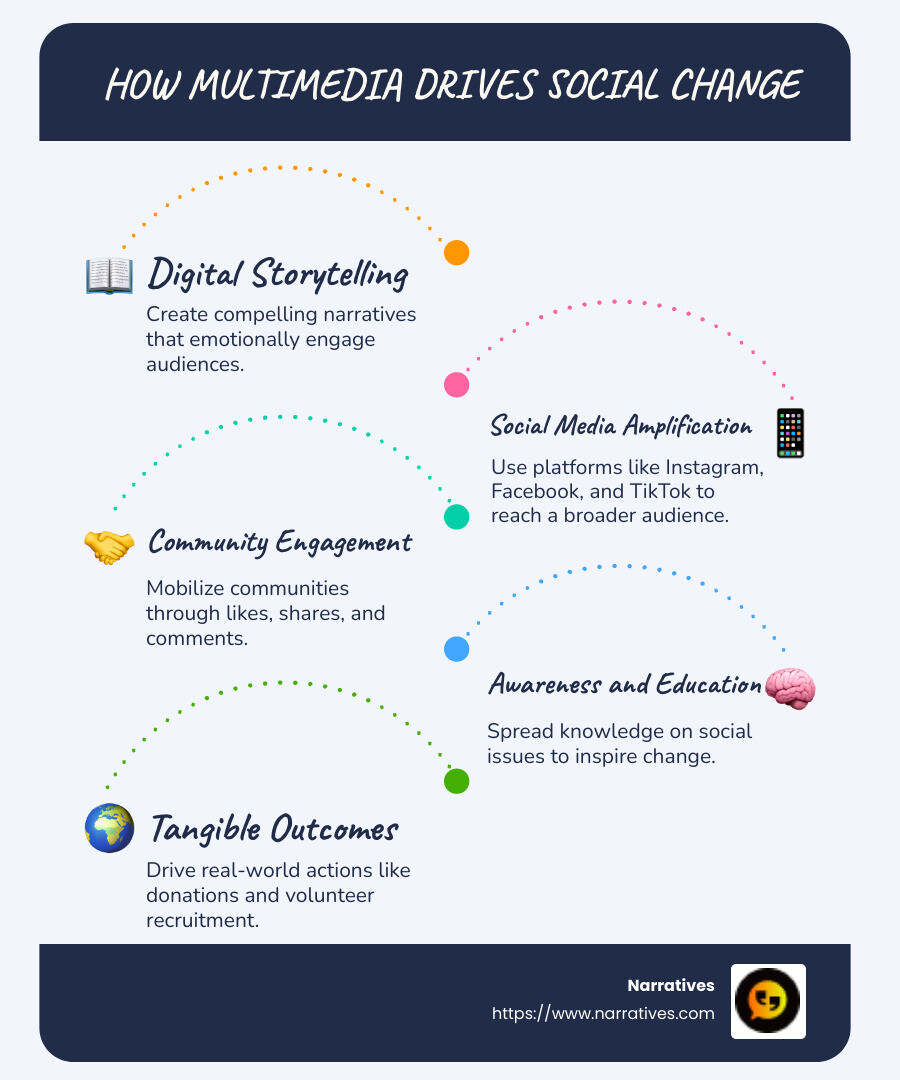
- Digital Storytelling: Crafting powerful narratives that engage audiences emotionally and inspire action.
- Social Media: Amplifying these stories across platforms to reach a wider audience and mobilize support.
In today's interconnected world, stories are no longer confined to the pages of books or screens of films. Thanks to the explosion of digital media, anyone can share their story with the world in an instant. Social media channels like Instagram, Facebook, and TikTok have transformed how we communicate, providing nearly limitless opportunities for individuals and organizations to connect and engage.
Why does this matter? Because narratives hold the power to change hearts and minds. They can turn a passive observer into an active participant, converting interest into real-world impact. As leaders in non-profits and social impact organizations often find, translating the significance of their work into compelling content is crucial yet challenging. Digital storytelling, when done right, meets this need.
Social media becomes the megaphone for these stories. It offers platforms where causes can not only raise awareness but also drive tangible outcomes, whether through donations, volunteer recruitment, or broader community engagement.
Explore more about multimedia for social good:
The Power of Multimedia for Social Good
In today's interconnected world, multimedia for social good acts as a catalyst for change. It's more than just sharing content—it's about creating waves of awareness that lead to action. When used effectively, multimedia can spotlight issues, mobilize communities, and inspire individuals to make a difference.
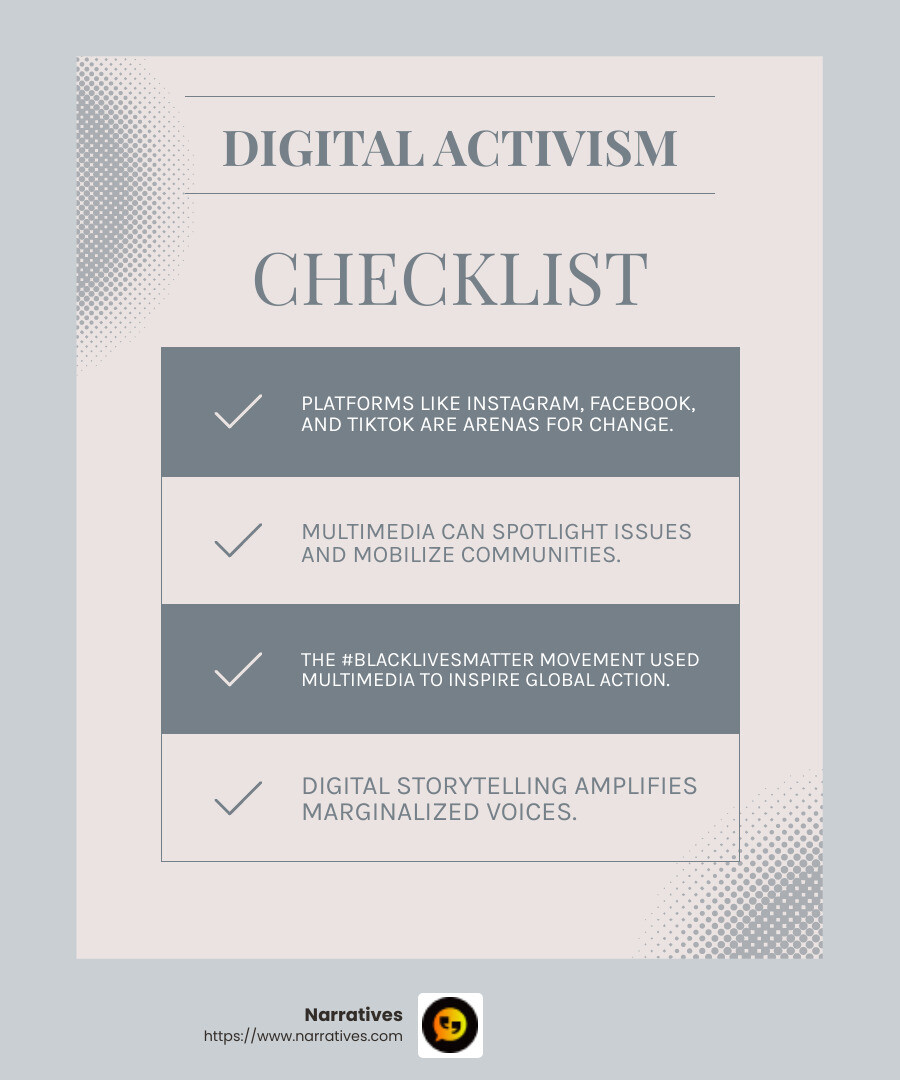
Why is multimedia so powerful for social good? It's simple: multimedia reaches people where they already are. Platforms like Instagram, Facebook, and TikTok are not just spaces for entertainment; they are arenas for change. They allow stories to be told in ways that are engaging and relatable, capturing the attention of diverse audiences.
Take the example of the #BlackLivesMatter movement. Born on Twitter, it used multimedia to highlight systemic racism and police brutality. This digital activism sparked global protests and conversations around racial justice. It's a testament to how multimedia can amplify marginalized voices and drive societal change.
Awareness is the first step toward change. Multimedia campaigns educate and inform by presenting complex issues in digestible formats. UNICEF's #VaccinesWork campaign is a prime example. By using engaging content and influencer partnerships, they effectively raised awareness about the importance of vaccines, ultimately saving lives.
Moreover, multimedia provides a platform for humanitarian aid. During crises, social media becomes a lifeline. Google's Person Finder, for instance, helps reunite families during disasters by allowing individuals to post and search for information about loved ones.
The corporate world is also joining the movement. Companies like TOMS Shoes use multimedia to promote their "One for One" model, encouraging customers to be part of a global giving movement. Similarly, Coca-Cola's #WorldWithoutWaste campaign uses social media to engage consumers in recycling efforts, aligning their brand with sustainability.
In summary, multimedia for social good is not just a buzzword—it's a powerful tool for awareness and action. By using the reach and influence of digital platforms, stories of change can inspire new advocates and create real-world impact.
Effective Strategies for Using Multimedia in Social Good Campaigns
When it comes to multimedia for social good, it's all about using the right strategies to maximize impact. Let's explore how networking, storytelling, and community engagement can lift your social good campaigns.
Networking
Networking is crucial in spreading your message far and wide. Social media platforms like Instagram and Facebook are perfect for connecting with like-minded individuals and organizations. By building a network, you can amplify your message and reach a broader audience.
Consider using platforms like LinkedIn for professional connections. It's a great way to find partners and collaborators who share your vision for social change. Collaborations can lead to joint campaigns that have a more substantial impact.
Storytelling
Storytelling is at the heart of every successful social good campaign. A compelling story can inspire action and create an emotional connection with your audience. Use multimedia tools to bring your stories to life.
For example, video content is incredibly engaging. Visual content is more than 40 times more likely to get shared than text-only content.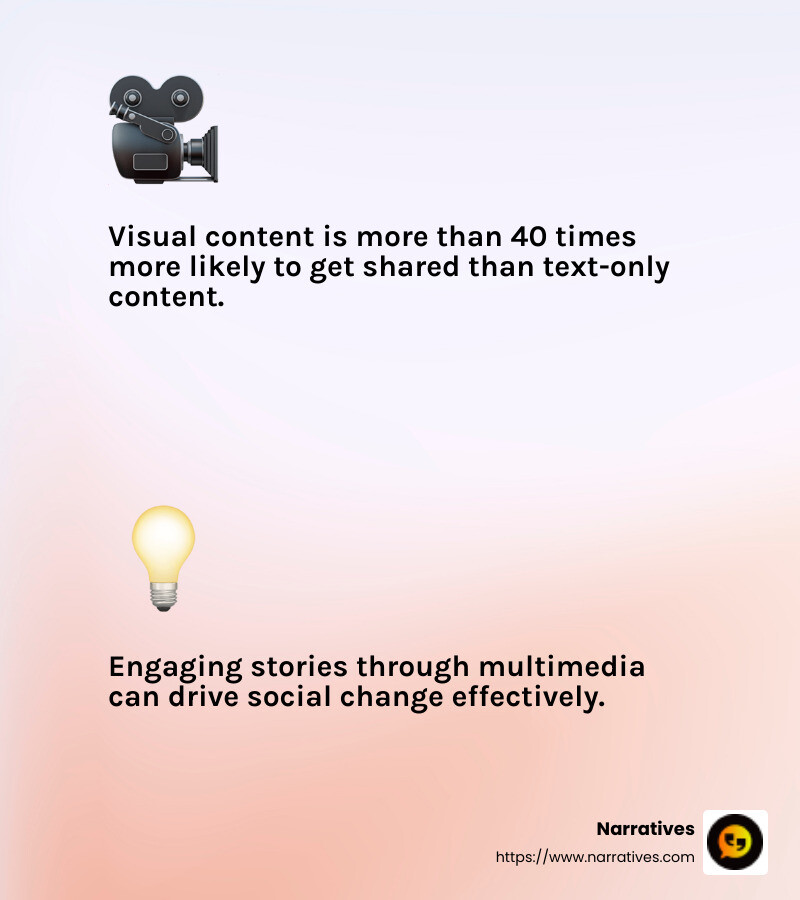 Short videos on platforms like TikTok can quickly capture attention and communicate your message effectively.
Community Engagement
Engaging with your community is essential for sustaining momentum in your campaigns. Social media allows for two-way communication, making it easier to interact with your audience. Encourage discussions and feedback to foster a sense of community.
Use platforms like Twitter for real-time engagement. Hosting tweet chats or Q&A sessions can spark conversations and deepen connections with your audience. It's also an opportunity to learn from your community and adapt your strategies based on their input.
In conclusion, by leveraging networking, storytelling, and community engagement, you can harness the power of multimedia for social good. These strategies will help you create campaigns that not only raise awareness but also inspire meaningful action.
Multimedia Platforms and Their Impact
Social media platforms are powerful tools for driving multimedia for social good. Let's take a closer look at how Instagram, Facebook, and TikTok are making a difference.
Instagram is a visual platform that thrives on photos and videos. It's perfect for sharing compelling stories that can spark change. Many organizations use Instagram to showcase their work and connect with supporters.
Visual Storytelling: Images and videos can evoke emotions and tell stories in ways words alone cannot. This makes Instagram an ideal platform for raising awareness about social issues.
Hashtags for Awareness: By using hashtags, organizations can reach wider audiences. Hashtags like #ClimateChange or #SocialGood help people find and join conversations about important topics.
Facebook is all about building communities. It offers numerous features that help organizations engage with their audience.
Facebook Groups: Groups are a great way to create communities around specific causes. They provide a space for people to share ideas, support each other, and organize events. For example, the "Family Lockdown Tips and Ideas" group became a hub for sharing advice during the pandemic.
Live Videos: Live streaming on Facebook allows organizations to interact with their audience in real-time. This can be used for Q&A sessions, updates, or virtual events, making the audience feel involved.
TikTok
TikTok is known for its short, engaging videos. It's a platform where creativity shines, and it's increasingly being used for social good.
Viral Challenges: TikTok's challenge format can be used to raise awareness. For instance, the "TikTok for Good" campaign encouraged users to create videos about social issues, turning entertainment into activism.
Youth Engagement: TikTok is popular among younger audiences, making it a valuable platform for reaching and inspiring the next generation of changemakers.
By effectively using these platforms, organizations can improve their reach and impact. Whether it's through visual storytelling on Instagram, community building on Facebook, or engaging youth on TikTok, multimedia for social good is a powerful catalyst for change.
Next, let's explore some inspiring examples of how these strategies come to life in real-world campaigns.
Multimedia for Social Good: Inspiring Examples
When it comes to multimedia for social good, some campaigns truly stand out. Let's explore three inspiring examples: Fridays for Future, TikTok for Good, and Family Lockdown Tips.
Fridays for Future
Fridays for Future is a global climate strike movement that began with one student, Greta Thunberg, sitting outside the Swedish parliament. It quickly grew, thanks to the power of social media.
Global Reach Through Hashtags: The hashtag #FridaysForFuture helped unite climate activists worldwide. It allowed people to share their stories, photos, and videos of climate strikes, creating a global community focused on environmental change.
Empowering Youth: The movement empowered young people to take action for their future. Through platforms like Instagram and Twitter, students organized strikes and shared educational content, raising awareness about climate issues.
TikTok for Good
TikTok for Good is an initiative by TikTok to encourage users to create content that makes a positive impact.
Viral Challenges with Purpose: TikTok's format for challenges is perfect for spreading messages quickly. For example, campaigns like #CreateKindness encouraged users to share acts of kindness, promoting positivity and social change.
Engaging Storytelling: Users on TikTok create short, engaging videos that highlight social issues. This storytelling approach makes complex topics accessible and relatable, especially to younger audiences.
Family Lockdown Tips
During the COVID-19 pandemic, the "Family Lockdown Tips & Ideas" Facebook group became a lifeline for families.
Building a Supportive Community: This group allowed families to share creative ideas for activities during lockdown. It became a place for support, advice, and sharing experiences, helping people feel less isolated.
Real-time Interaction: Members used Facebook's features to host live discussions and share videos, making the group dynamic and engaging. This real-time interaction fostered a sense of community and connection, even when physical distancing was necessary.
These examples show the incredible potential of multimedia for social good. By leveraging platforms like Instagram, TikTok, and Facebook, individuals and organizations can inspire change and build communities around important causes.
Next, we'll address some frequently asked questions about using multimedia to inspire social change.
Frequently Asked Questions about Multimedia for Social Good
How can multimedia be used to inspire social change?
Multimedia is a powerful tool for raising awareness and sparking engagement. By combining visuals, sound, and storytelling, it captures attention and conveys messages effectively.
Raise Awareness: Platforms like Instagram and Facebook allow users to share compelling images and videos, making complex issues more understandable. For example, during the #BlackLivesMatter movement, social media became a megaphone for marginalized voices, highlighting systemic racism through personal stories and live videos.
Drive Engagement: Interactive content, like polls and live streams, encourages audience participation. This engagement turns passive viewers into active participants, fostering a sense of community and shared purpose.
What are some successful examples of multimedia for social good?
Some campaigns have successfully used multimedia to create significant social impact:
Fridays for Future: This movement used hashtags and social media to unite climate activists globally. The campaign empowered youth to organize climate strikes and share educational content, raising environmental awareness.
TikTok for Good: TikTok's initiative encourages users to create content with a positive impact. Viral challenges like #CreateKindness promote acts of kindness and highlight social issues, engaging younger audiences through relatable storytelling.
How can organizations measure the impact of their multimedia campaigns?
Measuring the impact of multimedia campaigns is crucial for understanding their effectiveness and improving future efforts.
Analytics: Platforms like TikTok and Instagram offer analytics tools that track engagement metrics such as views, likes, shares, and comments. These insights help organizations assess the reach and impact of their campaigns.
Feedback: Gathering feedback from the audience is essential. Surveys, comments, and direct messages can provide valuable insights into how the campaign resonates with viewers and what improvements can be made.
By leveraging multimedia for social good, organizations can inspire change and create meaningful connections. In the next section, we'll explore how Narratives collaborates with non-profits to harness the power of digital storytelling.
Conclusion
Multimedia for social good is more than just a trend—it's a movement. At Narratives, we believe in the power of digital storytelling to create meaningful change. Our mission is to lift underrepresented voices and amplify the stories that matter most.
Non-profit partnerships are at the heart of what we do. By working closely with purpose-driven organizations, we help them tell their stories in a way that resonates with audiences and inspires action. Our multimedia content—whether it's a compelling video, a thought-provoking article, or a powerful image—serves as a catalyst for raising awareness and fostering community engagement.
Digital storytelling is a unique tool that bridges the gap between organizations and their audiences. It builds trust, improves visibility, and drives social impact. With platforms like Instagram, Facebook, and TikTok, we can reach diverse communities and create a global dialogue around important issues.
By partnering with us at Narratives, non-profits can leverage our expertise in multimedia to lift their campaigns and maximize their impact. Together, we can craft stories that not only inform but also inspire change.
Let's continue to harness the power of multimedia for good, and make a difference one story at a time.

.avif)