From Connection to Commitment: Mastering Donor Engagement

Nonprofit engagement strategies are vital for building strong connections with donors and amplifying the mission's impact. At the heart of these strategies lies a fundamental understanding: engagement fosters lasting relationships, which are crucial for a nonprofit’s success.
Here are a few key strategies for effective engagement:
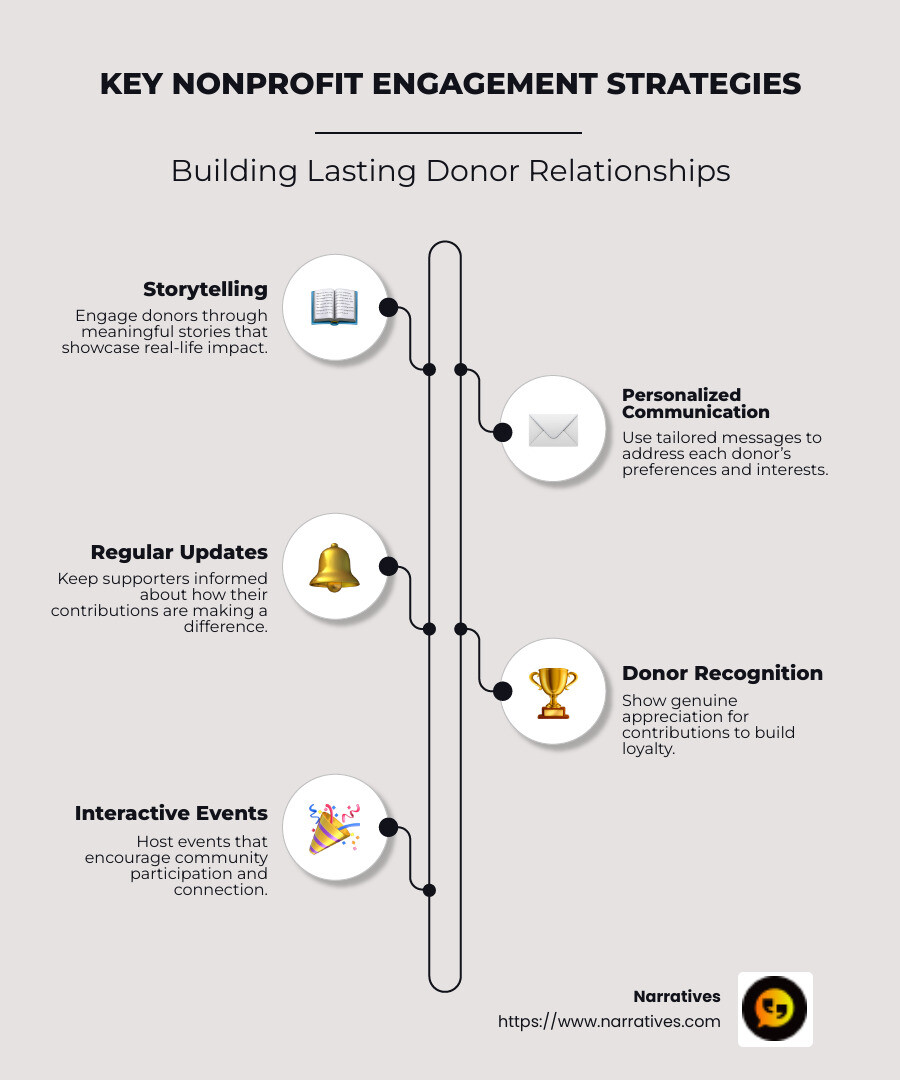
- Storytelling: Engage donors through meaningful stories that showcase real-life impact.
- Personalized Communication: Use custom messages to address each donor’s preferences and interests.
- Regular Updates: Keep supporters informed about how their contributions are making a difference.
- Donor Recognition: Show genuine appreciation for contributions to build loyalty.
- Interactive Events: Host events that encourage community participation and connection.
Nonprofit organizations depend on these strategies to turn connections into commitments, ensuring they can drive positive change within their communities. By fostering emotional connections and highlighting tangible impacts, nonprofits not only maintain their existing supporter base but also attract new donors who are passionate about their cause.
This article will explore various approaches to improve these strategies, offering insights into effectively connecting with donors. Whether you're a social impact org or a story-driven brand focused on advocacy and justice, mastering donor engagement is key to sustaining and expanding your mission's reach.
Nonprofit engagement strategies vocabulary:
Understanding Donor Engagement
Donor engagement is all about building strong, lasting relationships. It's not just about getting donations—it's about creating a journey that donors want to be a part of.
Relationship Building
At the core of donor engagement is relationship building. Nonprofits need to treat donors as partners, not just sources of funding. This means listening to their needs, valuing their opinions, and making them feel like an integral part of the mission.
Building relationships with donors involves:
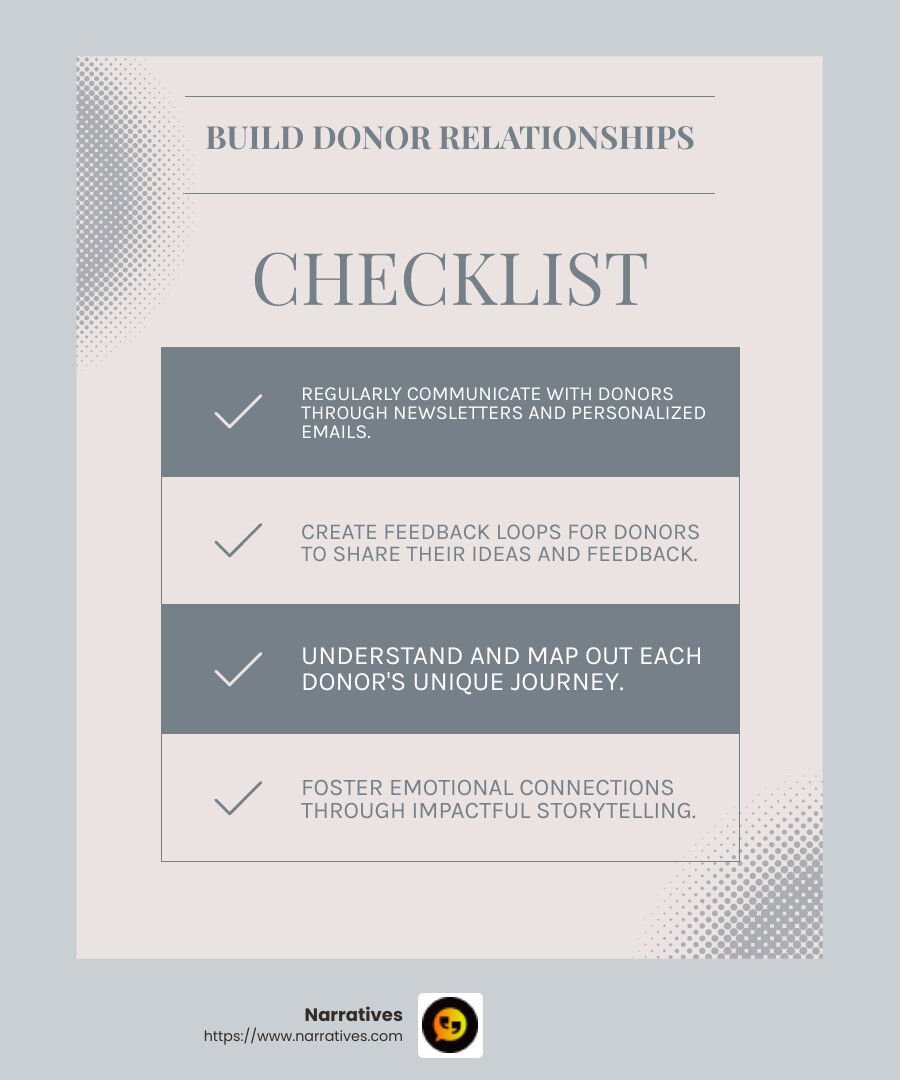
- Regular Communication: Keep donors updated with newsletters, personalized emails, or phone calls. Let them know how their contributions are making a difference.
- Feedback Loops: Create channels for donors to express their feedback and ideas. This can be through surveys or direct conversations.
The Donor Journey
Every donor has a unique journey. Understanding this journey can help nonprofits tailor their engagement strategies to meet donors where they are.
The donor journey typically includes:
- Awareness: The stage where potential donors first learn about the nonprofit and its mission.
- Consideration: Donors evaluate whether they want to contribute.
- Engagement: Donors start to interact with the organization, perhaps through events or volunteering.
- Commitment: The point where donors decide to give, often leading to recurring donations.
- Advocacy: Long-term donors who become advocates for the nonprofit, spreading the word to others.
Mapping out this journey helps nonprofits understand how to nurture donors at each stage.
Emotional Connection
Creating an emotional connection is crucial for donor engagement. People give because they feel a connection to the cause.
Nonprofits can foster emotional connections by:
- Storytelling: Share compelling stories that highlight the impact of donations. Real-life stories about individuals or communities benefiting from the nonprofit’s work can be powerful.
- Personal Touch: Use personalized messages and thank-you notes to make each donor feel special and appreciated.
- Impact Demonstrations: Show concrete examples of how donations are making a difference. This could be through videos, photos, or reports.
By focusing on relationship building, understanding the donor journey, and creating emotional connections, nonprofits can master donor engagement. This approach ensures that donors feel valued and motivated to continue supporting the cause.
Nonprofit Engagement Strategies
Nonprofits can lift their engagement strategies by focusing on storytelling, personalized communication, and donor recognition. These elements help create meaningful connections with donors, ensuring they feel valued and motivated to contribute.
Storytelling
Storytelling is a powerful tool for nonprofits. It transforms statistics and data into relatable narratives that resonate with donors on a personal level. Sharing stories about individuals or communities positively impacted by a nonprofit's work can inspire donors to take action and feel a part of the mission.
- Impact Stories: Highlight real-life examples of how donations have changed lives. For instance, a nonprofit might share a story about a family that received essential support during a crisis, illustrating the tangible impact of donor contributions.
- Visual Storytelling: Use images and videos to improve stories. Visuals can evoke emotions and make stories more memorable.
Personalized Communication
Personalized communication helps build strong relationships with donors by making them feel seen and appreciated. Tailoring messages to individual donors can significantly increase engagement.
- Customized Messages: Address donors by name and reference their past contributions or interactions with the organization. This personal touch can make a big difference in how donors perceive their relationship with the nonprofit.
- Segmented Outreach: Use needs-based segmentation to tailor communications to different donor groups. This approach allows nonprofits to address specific interests and motivations, resulting in more effective engagement.
Donor Recognition
Recognizing and appreciating donors is crucial for maintaining long-term relationships. When donors feel valued, they are more likely to continue supporting the cause and even become advocates for the organization.
- Thank-You Notes: Send personalized thank-you notes or emails after each donation. A simple acknowledgment can go a long way in showing appreciation.
- Public Recognition: Highlight donors in newsletters, on social media, or during events. Public recognition not only makes donors feel appreciated but also encourages others to contribute.
By leveraging storytelling, personalized communication, and donor recognition, nonprofits can improve their engagement strategies and foster a committed donor base. These practices not only strengthen relationships but also ensure that donors feel like integral partners in the mission.
Creating Impactful Community Videos
Creating videos that tell a story is a game-changer for nonprofits. Videos have the power to evoke strong emotions and connect with viewers on a deeper level. By focusing on video storytelling, nonprofits can share their mission in a way that's both engaging and memorable.
Video Storytelling
Video storytelling is about more than just filming; it's about crafting a narrative that captures the essence of your mission.
Highlight Real Stories: Use videos to showcase real stories from the communities you serve. For instance, a nonprofit helping immigrants might feature a video of a family sharing their journey to a new country, highlighting the challenges they overcame and the support they received.
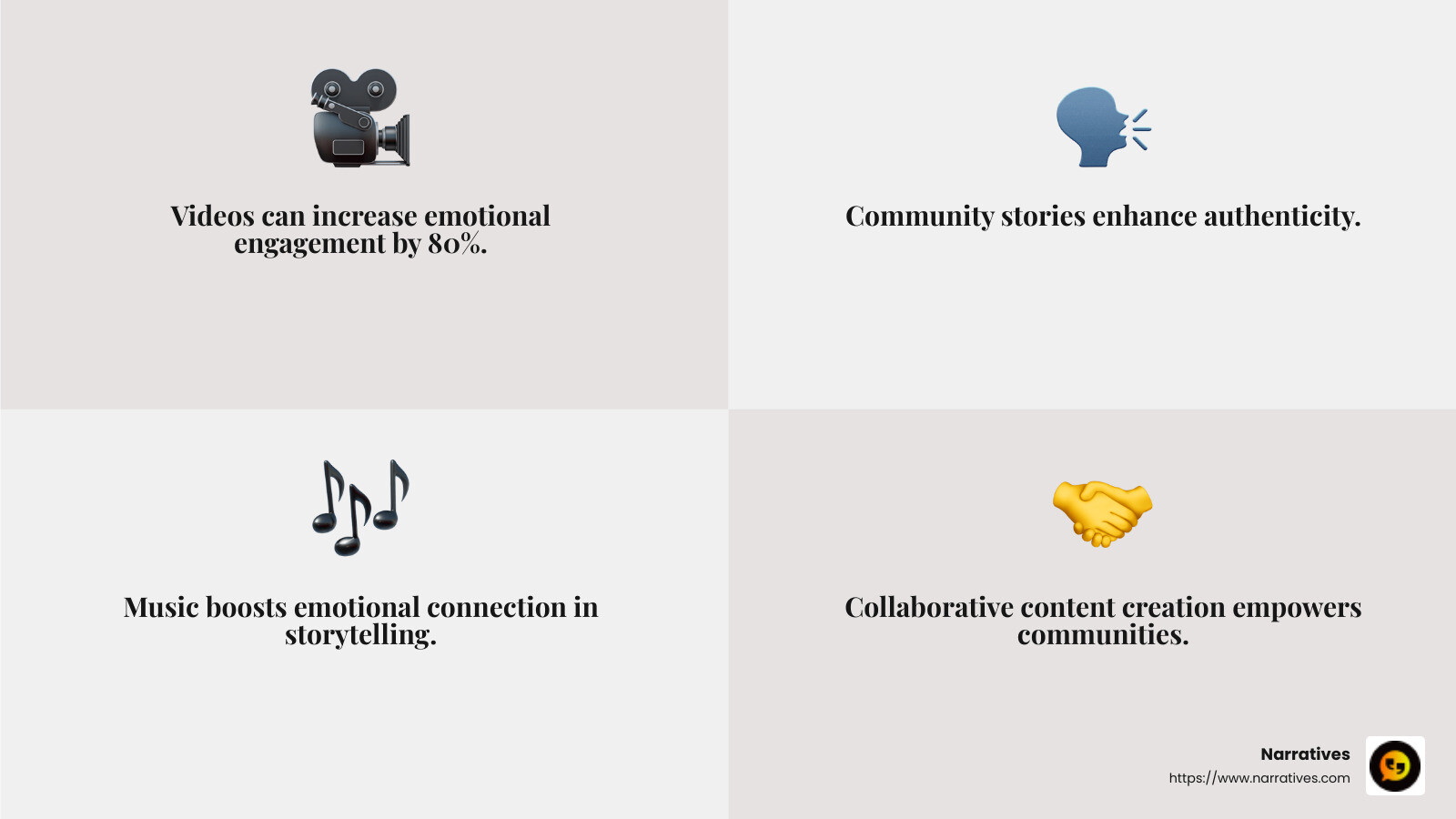
Engage Emotions: Videos can evoke emotions that words alone might not. Incorporate elements like music and personal testimonials to create an emotional connection with viewers.
Emotional Resonance
To make videos impactful, they need to resonate emotionally with the audience. This connection can inspire viewers to take action, whether that’s donating, volunteering, or spreading the word.
Authentic Voices: Use the voices of those directly impacted by your work. This authenticity helps viewers feel a genuine connection to the cause.
Visual Impact: Powerful visuals can leave a lasting impression. Use imagery that reflects the core of your mission and the real-life impact of your work.
Community-Driven Content
Community-driven content involves the people you serve in the storytelling process. This approach not only enriches the narrative but also empowers the community.
Collaborative Creation: Engage community members in creating content. This could mean having them share their stories or participate in the filming process. Their involvement adds depth and authenticity to the videos.
Showcase Diversity: Highlight the diversity within the community. Different perspectives and experiences can broaden the appeal and relevance of your message.
By focusing on video storytelling, emotional resonance, and community-driven content, nonprofits can create powerful videos that not only inform but also inspire. These videos can be a key part of a successful nonprofit engagement strategy, helping to build stronger connections with both current and potential donors.
Leveraging Digital Storytelling for Nonprofits
Digital storytelling is a powerful tool for nonprofits. It combines multimedia content with the voices of those often unheard, creating a significant social impact.
Multimedia Content
Using various forms of media is essential. It’s not just about words on a page anymore. Combining text, images, videos, and sound can create a richer experience.
Dynamic Presentations: Use slideshows and infographics to present data and stories in a visually appealing way. This makes complex information easier to digest and more engaging.
Interactive Elements: Incorporate elements like clickable maps or timelines in your content. These can guide viewers through stories or data, making the experience more interactive and memorable.
Underrepresented Voices
Giving a platform to those who are often unheard is crucial. This not only enriches the narrative but also ensures that diverse stories are told.
Empower Local Storytellers: Allow individuals from the communities you serve to share their stories. Their accounts can provide unique insights and foster empathy.
Highlight Diversity: Showcase a variety of voices and experiences. This not only broadens the appeal of your content but also reflects the true scope of your work.
Social Impact
Digital storytelling can drive change. By sharing compelling stories, nonprofits can inspire action and build a community of supporters.
Call to Action: Every story should have a clear call to action. Whether it’s donating, volunteering, or simply sharing the story, make it easy for viewers to get involved.
Measure Impact: Track the reach and engagement of your storytelling efforts. This can help you understand what resonates with your audience and refine your strategies accordingly.
By leveraging digital storytelling, nonprofits can create content that is not only informative but also transformative. This approach can amplify the voices of the underrepresented and drive meaningful change.
Frequently Asked Questions about Nonprofit Engagement Strategies
How can nonprofits improve donor engagement?
Improving donor engagement is all about building strong relationships. Nonprofits can start by ensuring their communication is personalized. This means addressing donors by name, acknowledging their previous contributions, and tailoring messages to their interests and values.
Another key strategy is to recognize donors. This can be as simple as a thank-you note or as elaborate as a recognition event. Public acknowledgment not only shows appreciation but also encourages continued support.
Tracking engagement is crucial. Use metrics like conversation rates and engagement levels to understand what resonates with your audience. Tools like TrueSocialMetrics can help nonprofits analyze competitor engagement and optimize their own strategies.
What role does storytelling play in donor engagement?
Storytelling is at the heart of effective donor engagement. It creates an emotional connection by sharing real-life stories of those impacted by the nonprofit's work. This not only highlights the organization's mission but also makes it relatable and memorable.
For example, Defy Ventures uses storytelling to share how they help reduce recidivism through entrepreneurship. By telling stories of individuals like Quan Huynh, they illustrate the personal impact of their programs.
Visual storytelling is especially powerful. Incorporate images and videos to bring stories to life, making them more engaging and easier to share.
How can videos improve nonprofit engagement strategies?
Videos are a dynamic way to improve nonprofit engagement strategies. They capture attention quickly and can convey complex stories in a short time. Videos can showcase the organization's impact, share testimonials, and highlight upcoming projects.
Creating community-driven content is vital. Involve the community in your videos to ensure authenticity and relevance. This not only builds trust but also encourages community members to share the content, increasing its reach.
Videos also allow for emotional resonance. A well-crafted video can evoke emotions and drive viewers to action, whether it's donating, volunteering, or spreading the word.
By integrating these strategies, nonprofits can significantly improve donor engagement and foster a committed community of supporters.
Conclusion
At Narratives, we believe that digital storytelling is the key to inspiring action and driving change. We are proud to partner with nonprofits and purpose-driven organizations to lift underrepresented voices through high-quality, emotionally resonant multimedia content.
By focusing on storytelling, we help nonprofits connect with their audiences on a deeper level. Our approach is all about making stories relatable and impactful, which in turn, builds trust and encourages engagement. Whether it's through a heartfelt video or a compelling narrative, we aim to showcase the incredible work nonprofits do and the communities they serve.
Our mission is to be the go-to partner for organizations looking to improve their nonprofit engagement strategies. By sharing the right stories in the right way, we can inspire people to act, support, and make a difference.
Explore how we can help you create impactful community videos and more by visiting our service page. Let's work together to tell stories that inspire action and create lasting change.

.avif)