Storytelling in Marketing: Connecting with Customers Emotionally

Storytelling as a marketing tool is a powerful way to connect with your audience on an emotional level. By weaving a narrative that resonates, brands can engage their audience, build loyalty, and stand out in a crowded marketplace. If you're looking to understand this concept right off the bat:
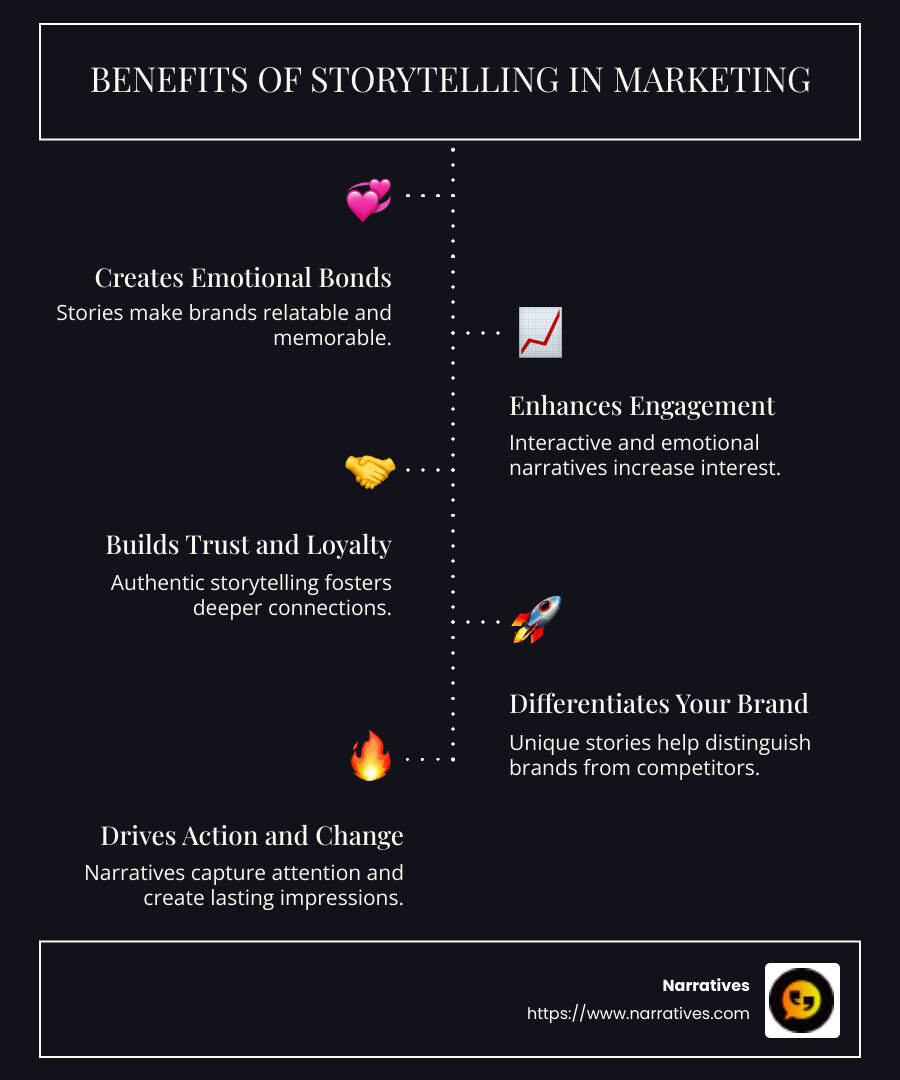
- Creates emotional bonds: Stories make brands relatable and memorable.
- Improves engagement: Interactive and emotional narratives increase interest.
- Builds trust and loyalty: Authentic storytelling fosters deeper connections.
- Differentiates your brand: Unique stories help distinguish brands from competitors.
In the marketing world, facts and figures can highlight a product's features, but stories are what make consumers care. Whether it's Coca-Cola's heartwarming "Share a Coke" campaign or Dove's empowering "Real Beauty" message, effective storytelling has a way of changing brands from commodities into beloved friends. By tapping into emotions, storytelling not only captures attention but also creates lasting impressions that drive action and change.
Storytelling as a marketing tool word guide:
The Power of Storytelling as a Marketing Tool
Storytelling as a marketing tool is more than just a buzzword; it's a strategic way to forge emotional connections with your customers. Here's why it works:
Emotional Engagement
When brands tell stories, they tap into the emotional centers of the brain. A well-crafted narrative can make the audience feel joy, sadness, excitement, or empathy. This emotional engagement is crucial because it makes the message more memorable. According to a study by the Content Marketing Institute, 41% of marketers are improving their storytelling skills to create more impactful connections with their audience.
Example: The "Real Beauty" campaign by Dove used real women's stories to challenge beauty stereotypes, creating a powerful emotional bond with its audience.
Brand Loyalty
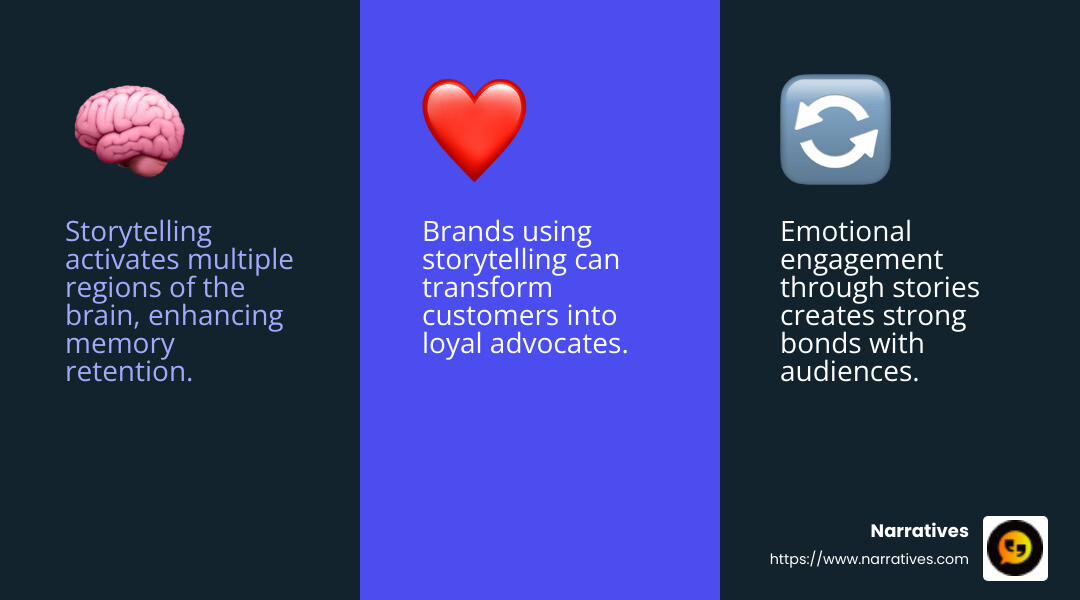
Stories have the power to transform customers into loyal advocates. When a brand tells a story that aligns with the values and beliefs of its audience, it fosters a sense of belonging and loyalty. Customers are more likely to stick with a brand that resonates with their personal narrative.
Example: Apple's iconic 1984 commercial didn't just introduce a product; it invited consumers to be part of a revolution against conformity, building a loyal customer base that sees themselves as part of the brand's story.
Narrative Impact
The impact of narrative is profound. Stories activate multiple regions of the brain, making the information more vivid and easier to remember. This is why storytelling is so effective in marketing—it makes the brand's message stick.
Case Study: Nike's "Breaking2" project followed athletes attempting to break the two-hour marathon barrier. The story engaged millions of viewers and highlighted Nike's role in pushing the limits of human performance.
Why It Matters
Incorporating storytelling into your marketing strategy can lead to increased engagement, loyalty, and brand differentiation. By creating narratives that resonate emotionally, brands can not only capture attention but also inspire action.
In the next section, we'll explore how storytelling can improve brand awareness by shaping brand identity and fostering customer loyalty.
How Storytelling Improves Brand Awareness
Storytelling as a marketing tool plays a significant role in shaping brand awareness. Let's explore how it improves brand identity, fosters customer loyalty, and creates emotional resonance.
Brand Identity
A compelling story helps define what your brand stands for. When you share stories that reflect your values and mission, you create a distinct identity that sets you apart from competitors. This identity becomes a guide for customers who share similar values.
Example: National Geographic's use of virtual reality to create immersive travel experiences not only engages viewers but also solidifies its identity as a leader in trip and exploration.
Customer Loyalty
Stories have the power to turn casual customers into loyal advocates. When a brand's narrative aligns with a customer's personal story, it creates a connection that goes beyond transactions.
Case Study: Lume, a deodorant company, shared a touching story of a young girl with a rare disorder. This narrative not only showcased the product's effectiveness but also built a loyal customer base that felt emotionally connected to the brand.
Emotional Resonance
Emotional resonance is the secret sauce of effective storytelling. When a story evokes strong emotions, it becomes memorable and shareable. This emotional connection can amplify brand awareness as customers are more likely to talk about and recommend brands that make them feel something.
Statistic: Research shows that 65% of people are visual learners, highlighting the importance of using visuals in storytelling to improve emotional impact. 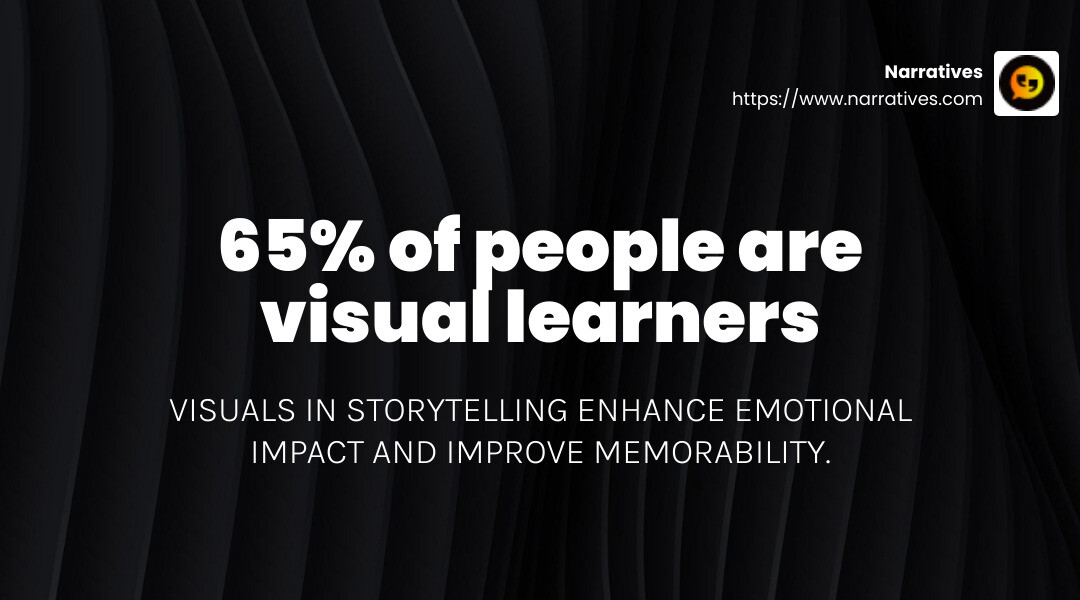
By crafting stories that resonate emotionally, brands can improve their visibility and create lasting impressions on their audience. In the next section, we'll dig into storytelling techniques specifically designed for non-profits, focusing on authenticity and community-driven narratives.
Storytelling Techniques for Non-Profits
Non-profits have a unique opportunity to use storytelling to make a real difference. Let's explore how authenticity, community-driven stories, and social impact can lift a non-profit's message.
Authenticity
Authenticity is crucial for non-profits. People want to support causes that feel genuine and transparent. Telling real stories from the heart can build trust and credibility.
Example: Pars Equality Center, a non-profit organization, shares authentic stories of Persian-speaking immigrants. By highlighting real struggles and triumphs, they connect deeply with their audience and foster trust.
Community-Driven Narratives
Community-driven stories allow the voices of those directly impacted to be heard. This approach not only empowers the community but also creates a sense of belonging and participation.
Case Study: Narratives, a content agency, works with underrepresented storytellers to highlight the communities they serve. This method not only amplifies their stories but also encourages public support and involvement.
Social Impact
Stories that highlight social impact can inspire action and change. By showcasing the tangible effects of their work, non-profits can motivate donors and volunteers to contribute.
Statistic: According to research, stories that emphasize social responsibility and sustainability can build trust and loyalty among supporters. Non-profits that highlight their impact in these areas are more likely to attract and retain supporters.
By focusing on authenticity, community-driven narratives, and social impact, non-profits can harness the power of storytelling to connect with their audience on a deeper level. This approach not only raises awareness but also drives meaningful engagement and support for their cause.
In the next section, we'll explore examples of effective storytelling in marketing, highlighting successful campaigns and brand stories that have made a significant emotional impact.
Examples of Effective Storytelling in Marketing
Storytelling is a powerful marketing tool that can make campaigns unforgettable. Let's explore some successful examples where emotional narratives and brand stories have left a lasting impact.
Coca-Cola: "Share a Coke"
Coca-Cola's "Share a Coke" campaign is a classic example of effective storytelling. By printing people's names on bottles, Coca-Cola created a personal connection with their audience. This simple idea encouraged people to share a Coke with friends and family, sparking conversations and emotional connections. The result? A massive increase in social media engagement and sales.
Dove: "Real Beauty"
Dove's "Real Beauty" campaign challenged conventional beauty standards by featuring real women and their stories. This approach resonated with many, as it celebrated authenticity and diversity. By sharing these emotional narratives, Dove built a loyal customer base and promoted body positivity. The campaign became a symbol of empowerment and acceptance, showcasing how storytelling can drive social change.
Hyundai: Super Bowl Ad
In 2017, Hyundai aired a Super Bowl ad that focused on connecting troops with their families through virtual reality. The ad didn't highlight Hyundai's cars; instead, it told a touching story that tugged at viewers' heartstrings. This emotional narrative made the ad memorable and showcased how focusing on emotions rather than products can create a strong connection with the audience.
Warby Parker: Company Culture
Warby Parker's video, "How Warby Parker Glasses Are Made," is a great example of using brand stories to connect with customers. The video not only explained the process of making glasses but also highlighted the company's culture and values. By sharing their mission of donating a pair of glasses for every pair sold, Warby Parker created an emotional bond with consumers, emphasizing their commitment to social good.
These examples demonstrate the power of storytelling in marketing. By crafting emotional narratives and authentic brand stories, companies can build strong connections with their audience and differentiate themselves from the competition.
Next, we'll answer some frequently asked questions about storytelling as a marketing tool, diving into how it creates emotional connections and its benefits for brands.
Frequently Asked Questions about Storytelling as a Marketing Tool
How does storytelling create emotional connections?
Storytelling is like inviting someone into a world where they can feel, see, and understand things from a different perspective. Empathy plays a crucial role here. When a story is told well, it can make listeners feel what the characters feel. This emotional bond is what marketers aim to create with their audience. For instance, Dove's "Real Beauty" campaign didn't just show products; it shared real women's stories, creating a deep emotional connection with viewers.
Narrative immersion is another key factor. When people get lost in a story, they become part of it. This immersion makes the story memorable and impactful. Hyundai's Super Bowl ad is a perfect example. By focusing on soldiers' emotional reunions with their families, the ad created a memorable experience that resonated with viewers long after it aired.
What are the benefits of storytelling in marketing?
The benefits of using storytelling in marketing are numerous. First, it improves memorability. Research shows that stories are remembered up to 22 times more than facts alone. This means that a well-told story can stick with your audience much longer than a list of features and benefits.
Second, storytelling boosts engagement. When a story resonates, people are more likely to interact with it, whether by sharing it on social media or discussing it with friends. Coca-Cola's "Share a Coke" campaign is an excellent example. By personalizing the experience, the campaign sparked conversations and increased engagement significantly.
How can non-profits leverage storytelling?
Non-profits can harness the power of storytelling to create impact stories that highlight their mission and achievements. By sharing real-life stories of those they've helped, non-profits can build trust with their audience. This trust is crucial for encouraging donations and support.
Moreover, storytelling helps in trust-building by showcasing transparency and authenticity. When people see the genuine impact of their contributions, they are more likely to continue supporting the cause. For example, organizations like the Pars Equality Center share stories of how they empower immigrant communities, creating a compelling narrative that fosters trust and encourages ongoing support.
By leveraging storytelling, non-profits can not only raise awareness but also create a lasting emotional connection with their supporters, driving long-term engagement and loyalty.
Conclusion
Storytelling is more than just a marketing buzzword—it's a powerful tool that can drive social impact and foster genuine connections. At Narratives, we understand the profound role that ethical storytelling plays in shaping perceptions and inspiring action. By focusing on authentic and community-driven narratives, we help non-profits amplify their voices and share their impact stories in a way that resonates deeply with audiences.
Ethical storytelling is about transparency and honesty. It's about avoiding stereotypes and harmful narratives, and instead, promoting positive values. When done right, storytelling can shape culture and influence attitudes, making it a vital component for any purpose-driven organization.
Our mission is to lift underrepresented voices through high-quality, emotionally resonant content. By doing so, we help non-profits not only increase visibility but also build trust and inspire action. This approach not only benefits the organizations we partner with but also contributes to a broader social impact, fostering empathy and understanding in a world that truly needs it.
If you're looking to harness the power of storytelling for your organization, learn more about how Narratives can help. Together, we can create stories that matter.
By focusing on ethical storytelling, we can help non-profits and purpose-driven organizations make a real difference. Let's continue to use the power of stories to connect, inspire, and drive change.


.avif)