How Storytelling as a Service Transforms Communication

Storytelling as a service has emerged as a transformative tool in the field of communication, revolutionizing how brands connect with their audiences. This approach leverages the innate power of narratives to craft messages that not only inform but also engage and inspire. Here’s a quick overview:
- Transformative Communication: Storytelling transcends basic marketing to foster deeper connections.
- Emotional Resonance: Effective storytelling taps into emotions, making messages memorable and impactful.
- Cross-Functional Value: From marketing to user experience design, storytelling enriches every touchpoint.
In today's digital landscape, capturing attention requires more than just facts and figures; it demands narratives that resonate on a human level. Stories have the unique ability to simplify complex ideas, evoke emotions, and inspire action. This emotional connection builds brand loyalty and fosters long-term relationships.
For organizations devoted to social impact and advocacy, aligning your mission with compelling stories can lift your cause, drive donations, and grow community support. Effective storytelling bridges the gap between awareness and action, providing a powerful way to amplify your mission.
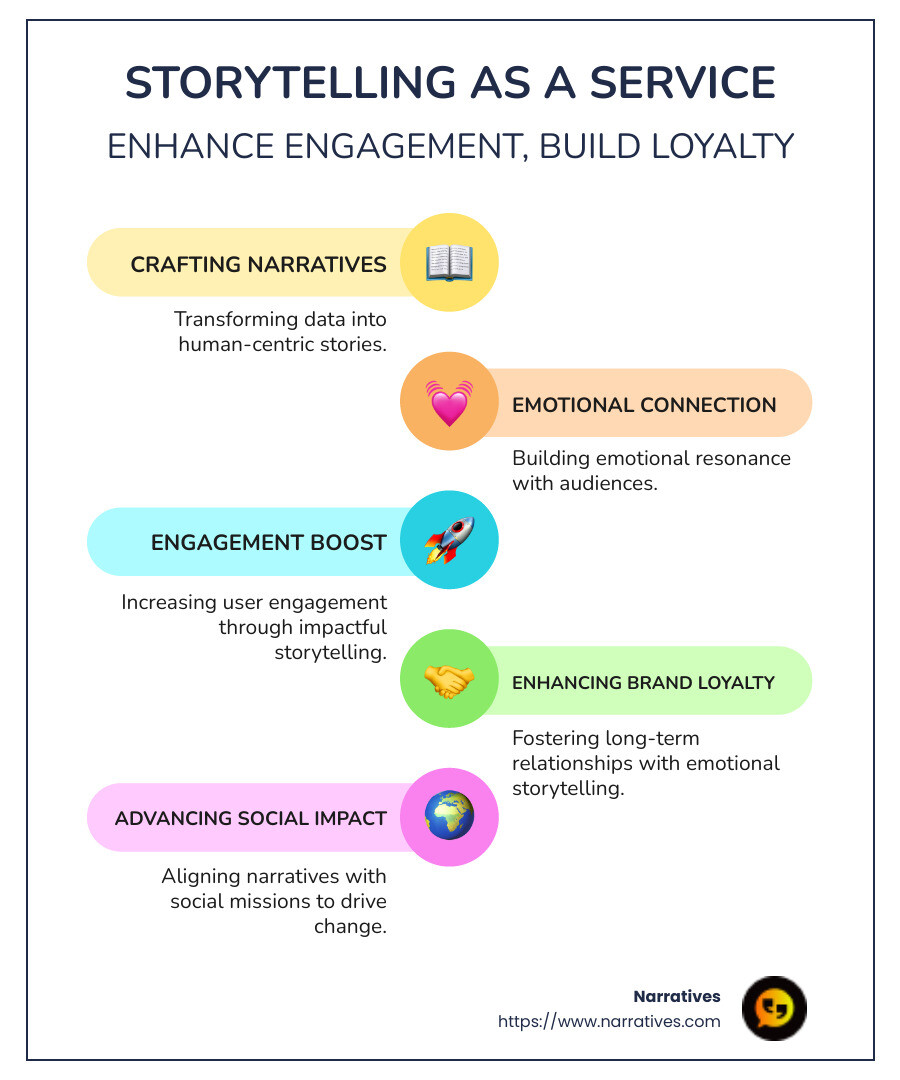
Storytelling as a service glossary:
In modern marketing, storytelling isn't just a buzzword—it's a game-changer. By embedding brand values into narratives, companies can connect with their audiences on a deeper level. This connection isn't just about selling a product; it's about creating emotional bonds that last.
Brand Values and Emotional Connections
When a brand shares its values through stories, it becomes more than just a company—it becomes a part of the customer's life. Take, for example, TOMS Shoes. Their origin story, where founder Blake Mycoskie was inspired to start the company after seeing children without shoes in Argentina, resonates deeply. Customers feel they're part of a larger mission, which nurtures a sense of belonging and purpose.

Building Customer Loyalty
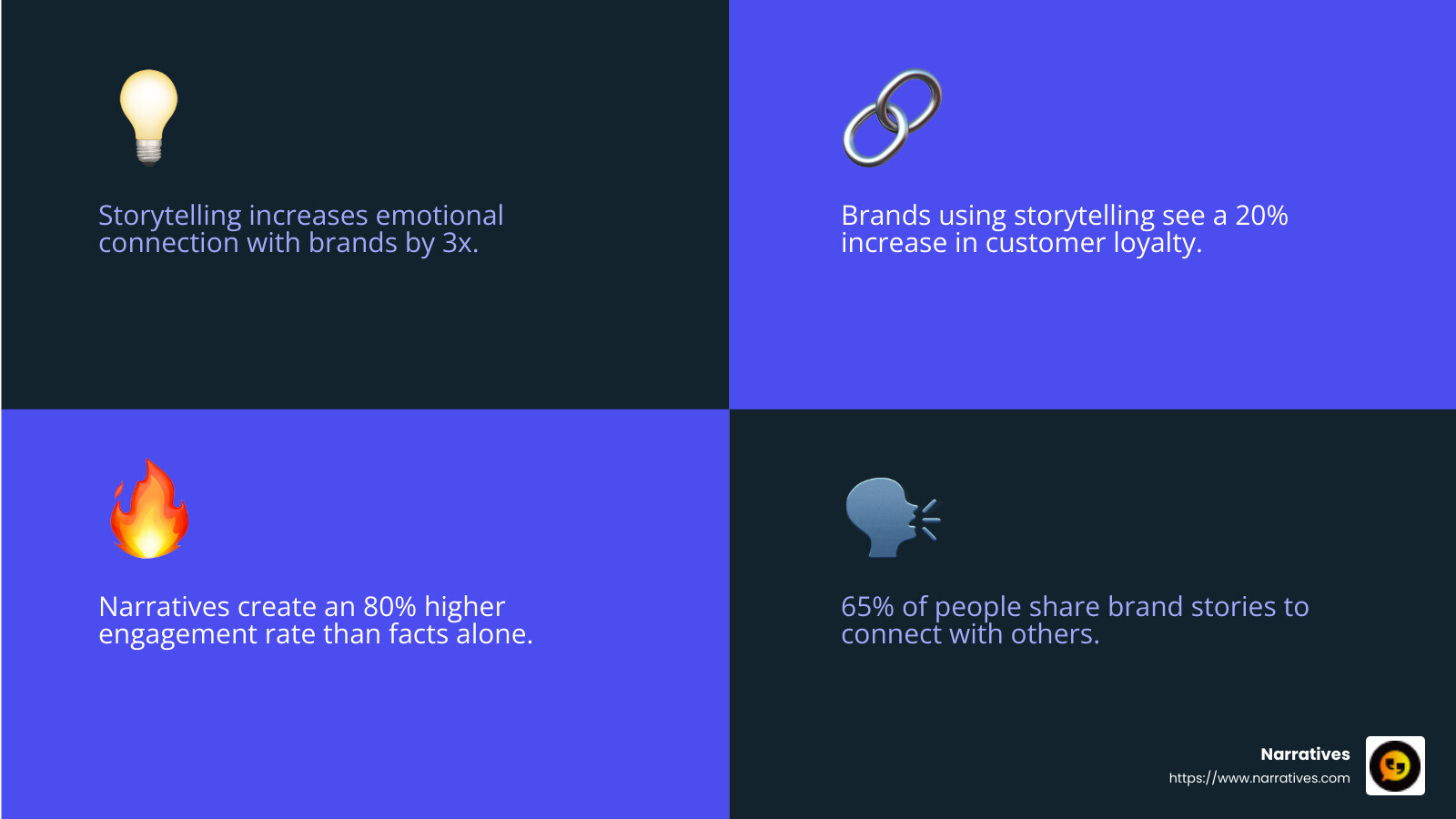
Emotional connections foster loyalty. When customers see themselves in a brand's story, they are more likely to stay loyal and even become advocates. Dove's Real Beauty campaign is a perfect example. By celebrating beauty in all forms, Dove created an emotional bond with women worldwide, leading to increased brand loyalty and advocacy.

The Impact on Customer Experience
Storytelling transforms the customer experience from a transactional interaction to a meaningful journey. It allows customers to see how they fit into the brand's narrative, creating positive associations and building trust. This approach not only differentiates a brand but also makes it memorable.
Storytelling in modern marketing is about more than just conveying brand values. It's about creating emotional connections that drive customer loyalty and improve the overall customer experience. Through strategic storytelling, brands can differentiate themselves, build trust, and foster long-term relationships with their audience.
Next, we'll explore how Storytelling as a Service is making these benefits more accessible and affordable for businesses of all sizes.
Storytelling as a Service: A New Approach
Storytelling as a Service is revolutionizing how businesses communicate. It's not just about telling stories; it's about making storytelling accessible and strategic for everyone, regardless of size or budget.
Affordable Storytelling
Traditionally, crafting compelling narratives required big budgets and in-house teams. But with Storytelling as a Service, even startups can afford to weave powerful stories. By offering different plans, businesses can choose what fits their needs and resources. For as little as £5,000 a month, companies can access essential storytelling services like strategy, brand narrative, and visual identity. This approach levels the playing field, allowing smaller companies to compete with giants in creating emotional connections with their audience.
Strategic Storytelling
Storytelling isn't just about creativity; it's a strategic tool to achieve business goals. With Storytelling as a Service, companies can tailor their narratives to align with their mission and vision. This strategy involves understanding the audience, crafting compelling plots, and delivering them through the right channels. By focusing on strategic storytelling, businesses can ensure their messages resonate and drive action.
Crafting a Brand Narrative
A strong brand narrative is the backbone of effective storytelling. It defines who you are, what you stand for, and why you matter. Storytelling as a Service helps companies develop and maintain a consistent brand narrative across all platforms. This includes everything from website content to social media posts. By keeping the story consistent yet fresh, businesses can build trust and credibility with their audience. This is crucial for brand differentiation and long-term success.
In summary, Storytelling as a Service is not just a trend—it's a transformative approach that makes storytelling affordable and strategic. By focusing on brand narratives, businesses can create lasting emotional connections, differentiate themselves, and build trust with their audiences.
Next, we'll dive into the benefits of this innovative service and how it fosters human connections, brand differentiation, trust, and credibility.
Benefits of Storytelling as a Service
Storytelling as a Service offers several key benefits that can transform how businesses engage with their audiences. Let's explore how it fosters human connections, aids in brand differentiation, and builds trust and credibility.
Human Connections
Storytelling is a powerful tool for creating emotional bonds. By weaving narratives that resonate with people's experiences and emotions, businesses can foster deeper connections with their audiences. As noted in the research, stories humanize technology, making it relatable and accessible. This emotional engagement not only improves user experience but also builds brand loyalty. When customers feel understood and valued, they are more likely to become repeat clients and advocates for the brand.
Brand Differentiation
In a crowded marketplace, standing out is essential. Storytelling as a Service helps businesses craft unique brand narratives that highlight their values and mission. By consistently sharing these stories across various channels, companies can differentiate themselves from competitors. A compelling brand story turns customers into believers and advocates. This differentiation is not just about being different; it's about being memorable and meaningful.
Trust and Credibility
Trust is the foundation of any successful business relationship. Stories that showcase real customer experiences and testimonials build credibility. By sharing authentic narratives, businesses can demonstrate their commitment to solving customer problems and delivering value. Integrating customer stories into marketing strategies can significantly improve credibility. When audiences see real results and genuine stories, they are more likely to trust the brand and its offerings.
Storytelling as a Service is more than just a communication tool; it's a strategic approach to building lasting relationships. By fostering human connections, differentiating brands, and enhancing trust, storytelling can drive business success in today's competitive landscape.
Next, we'll explore the different types of storytelling in business and how they can be leveraged effectively.
Types of Storytelling in Business
Storytelling isn't just for bedtime. In business, it's a way to connect with customers and share what makes a brand special. Let's explore the different types of storytelling that businesses use to engage their audiences.
Brand Storytelling
Brand storytelling is all about the heart of the company. It shares the brand's history, values, mission, and personality. This type of storytelling helps customers understand who the brand is and what it stands for.
A compelling brand story can emotionally engage customers and add meaning to a company's offerings. According to the research, a strong brand story can make customers true believers and loyal advocates. To achieve this, brands should keep their stories consistent yet fresh, authentic, and empathetic.
Customer Stories
Customer stories build trust and credibility. These stories showcase real customers who have had positive experiences with the brand. By focusing on challenges faced and specific results achieved, businesses can make their offerings more tangible.
When customers describe their emotional experiences and connection to a brand, it creates a powerful narrative. Sharing these stories across marketing channels, like the website and social media, can improve credibility, as noted by HubSpot.
Product Storytelling
Product storytelling zeroes in on how a product solves a specific problem. It's about explaining features and benefits in a relatable way. By linking the brand story to the product, businesses can effectively weave together their brand, customers, and product.
A great example of this is how some companies use narratives to engage and inspire audiences in the tech field, as highlighted in the research.
Employee Stories
Employee stories humanize the brand. They showcase the brand’s values and culture, making it more relatable to customers. By enlisting employees as storytellers, businesses can share their brand narrative during customer interactions.
Sharing employee stories not only highlights the brand’s culture but also connects with audiences on a personal level. This approach can make the brand more approachable and trustworthy.
Community Storytelling
Community storytelling focuses on the brand's relationship with its community and the positive impact it has. This type of storytelling can build brand loyalty and increase customer engagement.
By highlighting how a brand contributes to its community, businesses can demonstrate their commitment to social responsibility. This not only strengthens customer relationships but also attracts new audiences who value community involvement.
Each of these storytelling types plays a unique role in business communication. Together, they create a rich mix of narratives that can engage, inspire, and connect with audiences on a deeper level.
Next, we'll address some frequently asked questions about Storytelling as a Service and why it's important in business.
Frequently Asked Questions about Storytelling as a Service
What is Storytelling as a Service?
Storytelling as a Service (STaaS) is a strategic approach where businesses use storytelling techniques to convey complex information, engage users, and create meaningful connections. This service involves crafting narratives that captivate audiences, inspire action, and improve overall user experience. By employing narratives, characters, and plots, businesses can communicate messages that evoke emotions and drive desired outcomes. STaaS is versatile and can be applied in marketing, user experience design, product development, and corporate communication.
Why is storytelling important in business?
Storytelling is crucial in business because it transforms how brands communicate with their audience. Here’s why:
Emotional Connections: Stories make emotional connections that facts and figures alone cannot achieve. They help brands resonate with their audience on a personal level, fostering loyalty and long-term relationships. As noted in the research, storytelling can humanize technology and make it more relatable.
Brand Differentiation: In a crowded market, storytelling helps businesses stand out by highlighting their unique values, history, and personality. This differentiation is key to capturing attention and engaging potential customers.
Trust and Credibility: Through authentic narratives, businesses can build trust and credibility. Sharing stories of real customer experiences or community involvement can improve a brand's reputation and reliability.
How can storytelling improve customer experience?
Storytelling improves customer experience by making interactions more engaging and memorable. Here's how:
Guiding User Journeys: By designing user journeys as narratives, businesses can create cohesive and engaging experiences that lead users toward their desired goals. This approach ensures a memorable and enjoyable interaction.
Simplifying Complex Concepts: Stories can simplify complex information, making it easier for customers to understand and relate to a product or service. This is particularly important in technology, where abstract concepts can be intimidating.
Communicating Values and Vision: Storytelling provides a powerful vehicle to communicate a company's values and vision. By showcasing purpose and impact through stories, businesses can inspire customers and align them with their mission.
These elements highlight the transformative power of Storytelling as a Service in business communication. Next, we'll explore how Narratives collaborates with non-profits to create social impact through storytelling.
Conclusion
At Narratives, we believe that Storytelling as a Service is more than just a tool—it's a catalyst for change. Our focus is on partnering with non-profits and purpose-driven organizations to amplify voices that often go unheard. By crafting compelling narratives, we help these organizations share their impact stories in a way that not only informs but also inspires action.
Narratives and Non-Profit Partnerships
Working closely with non-profits, we understand the unique challenges they face in reaching and engaging their audiences. Our storytelling approach is custom to highlight the core missions and achievements of these organizations. Through high-quality video and multimedia content, we bring their stories to life, making them accessible and relatable to a broader audience. This collaboration not only improves visibility but also strengthens community ties and support.
Driving Social Impact
The power of storytelling lies in its ability to evoke emotions and drive change. By showcasing the real-life impact of non-profit initiatives, we aim to foster a deeper understanding of social issues and encourage community involvement. Our work with organizations that promote environmental sustainability, aid vulnerable populations, and advocate for social justice is a testament to our commitment to creating meaningful content that resonates.
When digital noise is constant, Narratives stands out by focusing on stories that matter. We invite you to explore how we can help your organization lift its message and make a lasting impact.
Together, let's harness the power of storytelling to transform communication and drive social change.


.avif)