Once Upon a Brand: Mastering Storytelling in Content Creation

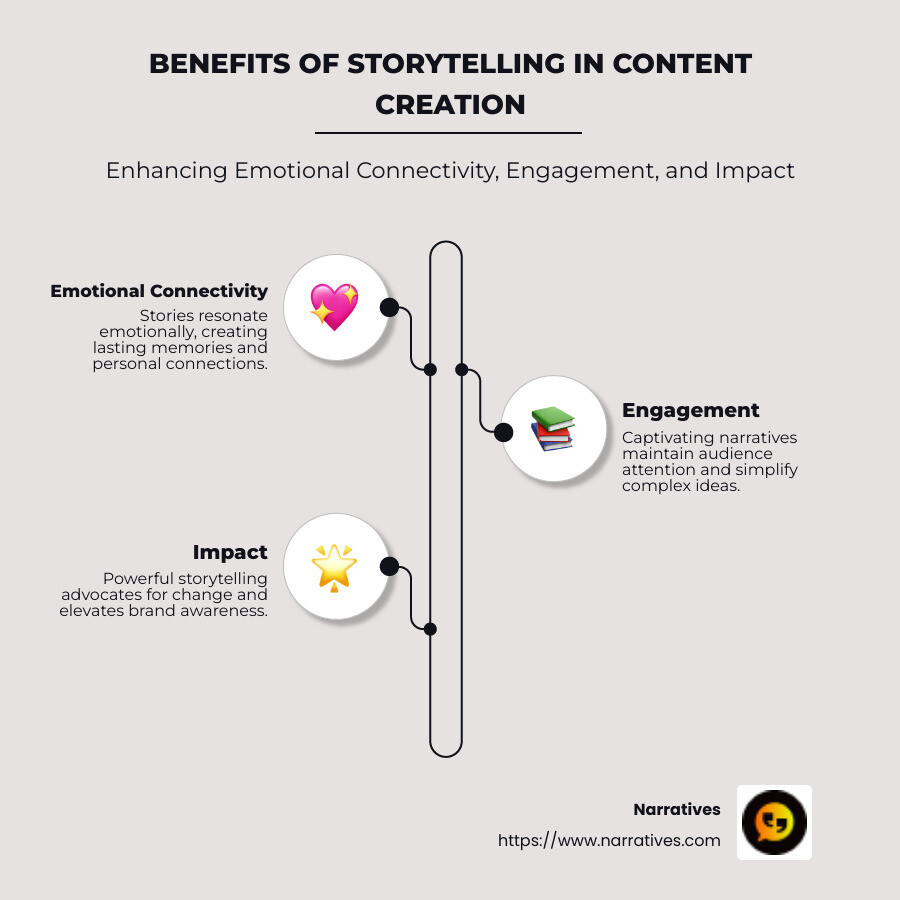
Storytelling content creation is the heart of crafting compelling narratives that captivate audiences and inspire action. At its core, storytelling leverages powerful narratives to forge emotional connections, turning viewers into dedicated supporters of your mission. Here’s why it matters:
Emotional Connectivity: People remember feelings, not facts. Stories evoke emotions that resonate on a personal level.
Engagement: Engaging stories hold attention, making complex messages relatable and memorable.
Impact: Through storytelling, your brand can leave a lasting impact, advocating for change and raising awareness.
In today’s digital landscape, storytelling bridges the gap between facts and emotions, making it crucial for non-profits aiming to amplify their missions. By connecting with audiences on a personal level, storytelling transforms passive listeners into active participants in your cause.
Key Storytelling content creation vocabulary:
The Power of Storytelling in Content Creation
Storytelling content creation is more than just words on a page. It's about creating an emotional appeal that connects deeply with your audience. When done right, storytelling can build brand loyalty that lasts.
Emotional Appeal
Emotions drive action. Whether it's joy, sadness, or excitement, tapping into feelings makes content memorable. Think about a time when a story moved you. It wasn't just the facts; it was how it made you feel. Lockheed Martin's "The Field Trip To Mars" is a great example. By using virtual reality, they transported kids to Mars, sparking wonder and excitement. This emotional journey made their message unforgettable.
Audience Connection
Connecting with your audience is about understanding their needs and values. It's like having a conversation where you listen first. When you know what your audience cares about, you can craft stories that speak directly to them. Relatable characters and situations make stories resonate. For instance, Salesforce uses real customer stories to show how their solutions solve real-world problems. This approach makes their content engaging and relevant.
Brand Loyalty
Stories create bonds. When your audience feels connected to your story, they are more likely to trust and support your brand. Authenticity plays a key role here. People love brands that are genuine and transparent. By sharing stories that align with your brand values, you reinforce your identity and build trust.
Consider how Cisco's "Never Better" campaign uses storytelling to show their impact through digital interactions and videos. This not only highlights their services but also solidifies their authority in the tech industry.
Incorporating storytelling into your content strategy isn't just about telling any story. It's about creating a narrative that aligns with your brand and resonates with your audience. This connection fosters brand loyalty and turns casual viewers into dedicated supporters.
Next, we'll explore the techniques and strategies that make storytelling content creation effective.
Storytelling Content Creation: Techniques and Strategies
Creating stories that captivate requires more than just creativity. It's about using structured techniques that ensure your narrative hits home. Let's explore the key strategies that make storytelling content creation a success.
Narrative Structure
Every good story has a clear structure. Think of it as a roadmap guiding your audience from start to finish. A classic narrative arc includes:
- Beginning: Introduce the setting and characters.
- Middle: Develop the plot with rising action and conflict.
- Climax: Reach the story's peak where tension is highest.
- Resolution: Conclude by resolving the conflict.
This structure keeps your audience engaged, providing a logical flow that is easy to follow. For example, in the "How Warby Parker Glasses Are Made" video, Warby Parker uses this structure to take viewers on a journey from raw materials to finished product, showcasing their process and values.
Character Development
Characters are the heart of any story. Well-developed characters can make your audience care and invest emotionally in the narrative. To create compelling characters, focus on:
- Relatability: Characters should reflect the audience’s own experiences and emotions.
- Motivation: What drives them? Understanding their goals and struggles makes them more real.
- Growth: Show how characters evolve throughout the story.
Take Hyundai's Super Bowl ad, which connects troops with their families. The characters' genuine emotions and experiences pull viewers in, creating a strong emotional connection.
Conflict and Tension
Conflict is the engine of your story. It introduces problems that need solving, keeping your audience on the edge of their seats. Here’s how to use conflict effectively:
- Introduce a Challenge: Present a problem that resonates with your audience.
- Build Suspense: Use tension to maintain interest and keep viewers guessing.
- Resolve the Conflict: Provide a satisfying conclusion that aligns with your brand message.
Lego's storytelling strategy, with its magazine and "The Lego Movie," showcases how conflict can be used to engage audiences, making children and adults alike eager to see how the story unfolds.
Incorporating these techniques makes your storytelling content not only engaging but also impactful. When you master narrative structure, character development, and conflict, your stories will resonate deeply, forging lasting connections with your audience.
Next, we'll explore how these strategies can be applied specifically in the non-profit sector for crafting compelling narratives.
Crafting Compelling Narratives for Non-Profits
In storytelling content creation, non-profits have a unique opportunity to craft narratives that not only engage but also inspire action. Here, authenticity, social impact, and community-driven storytelling are key to making these stories resonate.
Authenticity
Authenticity is the cornerstone of compelling non-profit narratives. People connect with genuine stories that reflect real challenges and triumphs. When your storytelling is authentic, it builds trust and credibility. For example, Lume's story about Maren, a young girl with a rare metabolic disease, showcases authenticity by focusing on real-life struggles and the positive impact of their product.
To ensure authenticity:
- Use Real Stories: Highlight real people and their experiences.
- Be Transparent: Share both successes and challenges.
- Stay True to Your Mission: Align stories with your organization's goals and values.
Social Impact
Non-profits thrive on making a difference, and your storytelling should reflect this. Highlighting social impact not only informs but also motivates your audience to become part of the change.
For instance, Defy Ventures uses storytelling to showcase how they reduce recidivism by changing inmates into entrepreneurs. This narrative not only educates but also demonstrates the tangible impact of their efforts.
To effectively convey social impact:
- Show Results: Use statistics and outcomes to illustrate your impact.
- Tell Human Stories: Focus on the individuals and communities affected by your work.
- Inspire Action: Encourage your audience to contribute, whether through donations, volunteering, or advocacy.
Community-Driven Storytelling
Community-driven storytelling places the spotlight on the people and communities you serve. This approach fosters a sense of belonging and collective effort.
Narratives, for example, partners with underrepresented storytellers to share their experiences, humanizing news and creating empathy. By focusing on the community, they build powerful connections that drive change.
To harness community-driven storytelling:
- Involve the Community: Let those impacted by your work share their stories.
- Highlight Collaboration: Show how your organization works with others to achieve goals.
- Celebrate Diversity: Reflect the diverse voices and experiences within your community.
Incorporating authenticity, social impact, and community-driven storytelling into your narratives can transform how non-profits engage with their audience. These elements not only make your stories more compelling but also amplify your mission, inspiring others to join your cause.
Next, we'll dive into top examples of effective storytelling in content marketing, showcasing successful campaigns and innovative narratives.
Top Examples of Effective Storytelling in Content Marketing
Storytelling is a powerful tool in content marketing, changing ordinary messages into engaging narratives that captivate audiences. Let's explore some successful campaigns that have mastered this art.
Coca-Cola: Journalistic Storytelling
Coca-Cola has acceptd journalistic storytelling to connect with a global audience. By treating their website as a digital magazine, they share stories about the people behind the brand. This approach humanizes the company and fosters a deeper connection with consumers. Doug Musk, Coca-Cola's global group director of digital communications, describes their strategy as a "global network of brand journalists" telling authentic stories that resonate worldwide.
Lego: Imaginative Trips
Lego has successfully tapped into the power of storytelling through its magazine and The Lego Movie. The magazine encourages children to share their own creations, making them part of the story. Meanwhile, The Lego Movie brought their brand to life, capturing the imagination of both kids and adults. This creative storytelling not only promotes their products but also builds a vibrant community around the Lego brand.
Hyundai: Emotional Connection
In 2017, Hyundai's Super Bowl ad demonstrated the power of emotional storytelling. The ad connected troops with their families during the game, creating a heartwarming narrative that focused on family and togetherness rather than the brand itself. This emotional appeal left a lasting impression on viewers, highlighting how storytelling can evoke powerful emotions and build brand loyalty.
Warby Parker: Cultural Insight
Warby Parker's video, "How Warby Parker Glasses Are Made," offers more than just a look at their products. It dives into the company culture and values, showcasing their commitment to social good. By donating a pair of glasses for every pair sold, Warby Parker shares a compelling narrative that aligns with their mission and resonates with socially conscious consumers.
These examples illustrate how innovative storytelling can transform content marketing campaigns. By focusing on authentic, emotional, and engaging narratives, brands can create meaningful connections with their audiences. As we continue to explore storytelling content creation, we'll uncover more strategies to improve your brand's storytelling prowess.
Frequently Asked Questions about Storytelling Content Creation
How can storytelling improve brand awareness?
Storytelling is more than just a marketing buzzword; it's a way to connect with audiences on a personal level. When brands tell compelling stories, they create memorable experiences that resonate with consumers. This emotional connection helps brands stand out in a crowded market, increasing their visibility and recall.
Coca-Cola is a prime example. By sharing stories that highlight the people behind the brand, they foster a sense of community and relatability. This approach not only humanizes the brand but also improves its visibility across diverse audiences.
What are the key elements of a compelling story?
A compelling story often includes a few essential elements:
Characters: Relatable figures that the audience can connect with. These characters are often the customers themselves, as seen in many successful campaigns.
Conflict and Tension: Introducing a problem or challenge keeps the audience engaged. As Brandy Hastings noted, tension is crucial for making content interesting and relatable.
Resolution: A satisfying conclusion that ties back to the brand's message or mission. This can be a solution to the conflict or a transformative experience for the character.
Authenticity: Genuine stories that reflect the brand's values build trust and credibility. As Olga Gonzalez suggests, featuring real customer stories adds authenticity and social proof.
How does storytelling impact consumer behavior?
Storytelling can significantly influence how consumers perceive and interact with a brand. According to Ozzin Jun, storytelling builds connection, trust, and credibility, which are crucial for fostering brand loyalty. When consumers feel a personal connection with a brand, they are more likely to engage with its content and become loyal customers.
For instance, Hyundai's Super Bowl ad focused on emotional storytelling by connecting troops with their families. This approach evoked strong emotions, leaving a lasting impression and reinforcing brand loyalty.
Moreover, storytelling can drive action. By presenting a narrative that aligns with the audience's values and emotions, brands can nudge consumers towards specific actions, such as making a purchase or supporting a cause. As Richard Carey highlights, stories tap into emotions, making them memorable and effective in driving change.
By leveraging these elements, brands can master the art of storytelling content creation, enhancing their connection with audiences and driving meaningful engagement.
Conclusion
In today's digital landscape, mastering storytelling content creation is not just an advantage—it's essential. At Narratives, we believe in the transformative power of stories to lift voices, especially within non-profits and purpose-driven organizations. Our mission is to help these groups share their impact stories in ways that inspire action, build trust, and increase visibility.
By focusing on authentic, emotionally resonant content, we help organizations establish domain authority. This means crafting stories that not only captivate audiences but also improve search engine rankings. Our approach involves using broad, underused keywords related to storytelling, which helps our partners stand out in the crowded digital space.
Non-profit partnerships are at the heart of what we do. We work closely with these organizations to create high-quality multimedia content that highlights their missions and the communities they serve. This collaboration not only amplifies their messages but also strengthens their connection with supporters and stakeholders.
By differentiating ourselves through content focused on social impact and community-driven storytelling, we're positioning Narratives as the go-to digital storytelling partner. Our long-term strategy includes using blog content to rank for long-tail, high-intent, and location-specific keywords. This builds consistent, organic traffic that supports inbound lead generation and brand awareness.
Join us in our mission to transform the way stories are told and shared. Learn more about how we can help your organization make a lasting impact through storytelling by visiting our Narratives service page. Let's create stories that matter, together.


.avif)