From Clicks to Confidence: Building Trust Online

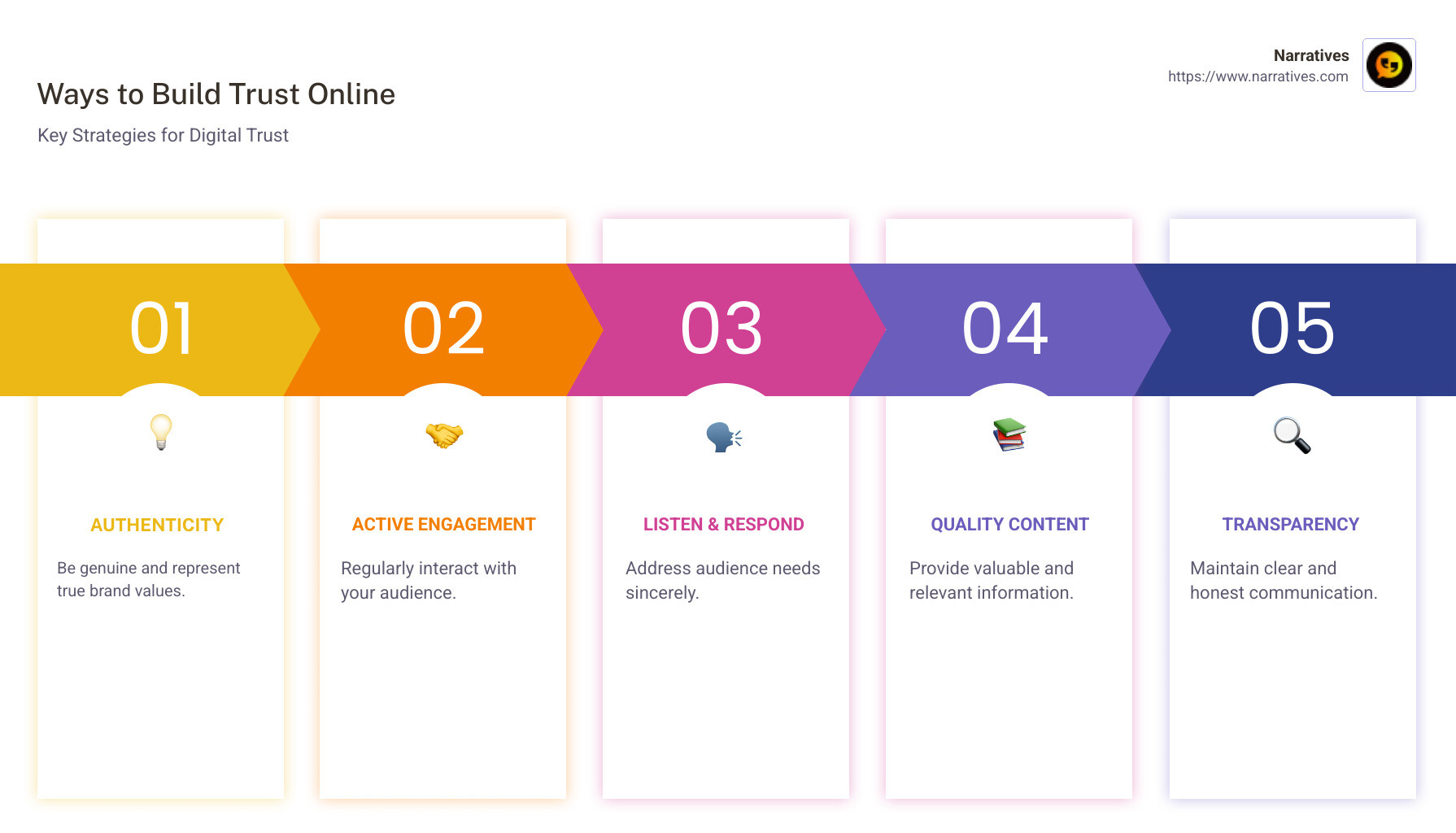
How to build trust online is a crucial question for organizations reaching out to audiences in a digital world. Trust isn’t just given; it’s earned through thoughtful strategy and connection. It is especially vital for values-driven professionals in non-profits, social impact, and philanthropic foundations. If you're looking for quick insights to get started, here’s how you can immediately begin to build trust online:
- Authenticity Matters: Be genuine in communication and represent your true brand values.
- Engage Actively: Regular interaction with your audience through social media and other platforms builds rapport.
- Listen and Respond: Pay attention to your audience’s needs and reply sincerely.
- Provide Quality Content: Offer valuable, informative, and relevant content consistently.
- Be Transparent: Clear, honest communication about your intentions and operations bolsters trust.
In today’s digital age, trust-building is fundamental to forming online relationships. The internet may initially seem faceless, but the potential for authentic connection is vast. As the landscape of marketing has evolved, so too has the way we establish and nurture trust. Human beings have an intrinsic suspicion of the unfamiliar, a plight amplified in online spaces where traditional, face-to-face interactions are absent. However, as highlighted by experts like Natalie Doyle Oldfield, building trust in how we communicate and serve online is possible and critical.
It's the small actions over time, the consistency in messaging, and the authentic portrayal of a mission that anchors an organization's trustworthiness. Organizations need to transform this understanding into their online narratives. Creating a digital presence that embodies authenticity, transparency, and engagement can forge connections that rival those formed in person.
Common How to build trust online vocab:
The Importance of Digital Trust
In the digital field, trust is the cornerstone of successful online relationships. Whether you're a non-profit organization, a social enterprise, or a business, building trust is essential to connect with your audience. This section will explore why digital trust matters, how setting clear goals can improve trust, and the role of transparency in fostering genuine connections.
Why Digital Trust Matters
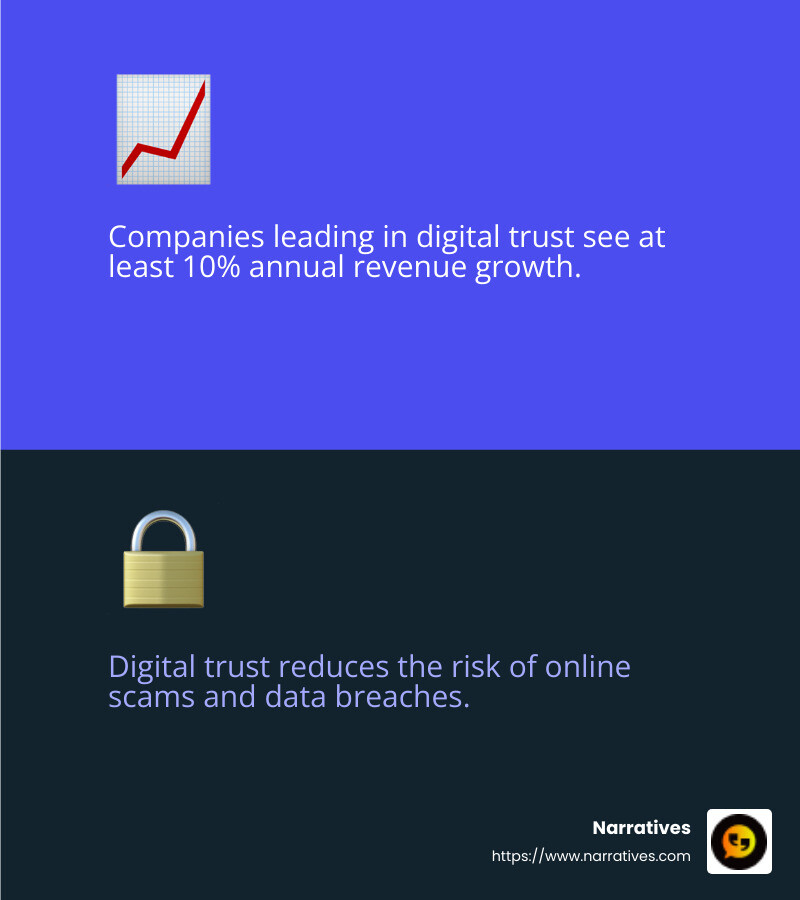
When online scams and data breaches are rampant, digital trust is more crucial than ever. According to a study by McKinsey, companies that lead in digital trust not only experience fewer negative incidents but also enjoy significant growth. These organizations see revenue and EBIT growth rates of at least 10% annually, showing that trust isn't just a nice-to-have—it's a business imperative.
Setting Clear Goals for Trust
Goals aren't just for business metrics; they are vital for building trust. Digital-trust leaders set twice as many goals for trust-building compared to other organizations. These goals focus on strengthening relationships, acquiring new customers, and recovering quickly from disruptions. By setting clear, value-driven goals, you create a roadmap for building and maintaining trust with your audience.
The Role of Transparency
Transparency is the bedrock of trust. Being open about your operations, intentions, and challenges helps build credibility. As Jeff Klubeck from Get A Klu, Inc. suggests, being transparent and available is key to earning trust online. This means being honest about your offerings, admitting mistakes, and being accessible to your audience.
Incorporating transparency into your digital strategy can involve:
- Sharing behind-the-scenes content to humanize your brand.
- Providing clear and honest product or service descriptions.
- Being upfront about data usage and privacy policies.
These actions not only reassure your audience but also demonstrate your commitment to integrity and openness.
Digital trust is not a one-time achievement but a continuous effort. By focusing on goal setting and transparency, you lay the foundation for a trustworthy digital presence. This trust-building journey continues as we explore specific strategies and practices in the next section.
How to Build Trust Online
Building trust online is essential for any organization looking to form meaningful connections. Let's explore three key strategies: authenticity, emotional intelligence, and customer service.
Authenticity
Authenticity is about being genuine and true to your brand's values. It's like having a real conversation with your audience, not just a sales pitch.
Why is authenticity important? People can sense when something feels fake. Just like in face-to-face interactions, if you want someone to trust you, you need to be real. According to Jedidiah Alex Koh, allowing your true voice to shine is crucial. Customers prefer knowing they're engaging with a real person who has genuine emotions and a unique perspective.
How to be authentic online:
Share personal stories. Talk about your journey, including your struggles and failures. This makes you relatable and human. Jordan Carroll from The Remote Job Coach emphasizes the power of storytelling, especially stories of failure, to build trust.
Be consistent. Keep your messaging and branding aligned across all platforms. This consistency reassures your audience that you stand by your word.
Emotional Intelligence
Emotional Intelligence (EQ) is your secret weapon for building trust. It's the ability to connect with people on a deeper level by understanding their emotions and needs.
Why is EQ important? In a digital world, where personal interactions are limited, EQ helps bridge the gap. It allows you to anticipate customer needs and respond in a way that makes them feel understood and valued.
How to use EQ in your online strategy:
Listen actively. Pay attention to customer feedback and concerns. This shows you care about their experience.
Communicate empathetically. Use language that resonates with your audience. Show that you understand their challenges and are there to help.
Customer Service
Exceptional customer service is a cornerstone of trust-building. It's about going above and beyond to meet customer needs and resolve their issues promptly.
Why is customer service crucial? Customers remember how you make them feel. Positive experiences lead to trust and loyalty, while negative ones can quickly erode trust.
How to improve customer service online:
Be available. Offer multiple channels for customer support, like chat, email, and social media. Jeff Klubeck notes that being accessible and approachable is vital for building trust.
Follow through. If you promise something, deliver it. Consistency in actions is key to maintaining trust.
By focusing on authenticity, emotional intelligence, and excellent customer service, you can effectively build trust online. These elements create a solid foundation for long-lasting relationships with your audience. Next, we'll explore 20 specific ways to improve trust with your website visitors.
20 Ways to Build Trust with Your Website Visitors
Building trust online can be a game-changer for your website. Here are 20 practical ways to improve trust with your website visitors, focusing on HTTPS security, high-quality images, testimonials, certifications, and educational content.
1. HTTPS Security
Why it matters: The first impression of your website starts with its URL. An HTTPS URL, marked by a padlock symbol, signals security and reliability. It's crucial for protecting visitor data and building initial trust.
How to implement: If your site isn't HTTPS-secure, make the switch. Many providers offer this service, and it's worth the investment. In fact, 50% of the web is now encrypted with HTTPS. If you're unsure how to proceed, consider hiring professionals to handle the transition for you.
2. High-Quality Images
Why it matters: Low-quality images can undermine your brand's credibility. High-quality visuals, on the other hand, improve perception and trust in your products or services.
How to implement: Use high-resolution images that are relevant to your content. There are plenty of free stock image resources and editing tools available to ensure your visuals are top-notch.
3. Testimonials
Why it matters: Testimonials are powerful social proof. They show potential customers that others have had positive experiences with your brand.
How to implement: Gather and display testimonials from satisfied customers prominently on your site. Consider using third-party review sites like Trustpilot or Google Reviews to add credibility.
4. Certifications and Awards
Why it matters: Certifications and awards act as badges of credibility. They show that your brand meets industry standards and is recognized for excellence.
How to implement: Display any relevant certifications and awards on your website. This could be in the form of logos or dedicated sections that explain their significance.
5. Educational Content
Why it matters: Providing valuable, educational content positions your brand as an authority in your field. It helps build trust by demonstrating expertise and a willingness to help.
How to implement: Create blog posts, guides, or videos that educate your audience about your industry or products. Ensure the content is easy to understand and accessible to a global audience by avoiding jargon and complex language.
By implementing these strategies, you can significantly improve trust with your website visitors. Next, we'll dig into the role of emotional intelligence in building trust online.
Building Trust through Emotional Intelligence
Emotional Intelligence (EQ) is a social superpower that can transform how you connect with customers online. It's about understanding emotions—both yours and others'—to build deeper, more meaningful relationships.
Why EQ Matters
In the digital world, where face-to-face interactions are rare, EQ helps bridge the gap. It allows you to connect with your audience on a personal level, which is crucial for building trust. When customers feel understood and valued, they're more likely to trust your brand.
How to Use EQ to Build Trust
Listen Actively
Engage with your audience by listening to their needs and concerns. Use social media and customer feedback to understand what matters to them. This shows that you care and are willing to improve based on their input.
Show Empathy
Empathy is about seeing things from your customers' perspective. Share stories or experiences that resonate with them. For example, if your brand has faced challenges similar to theirs, talk about it. This creates a connection and shows that you genuinely understand their struggles.
"Tell stories, especially stories of failure... you're much more likely to gain trust with them in helping them find the solution." - Jordan Carroll, The Remote Job Coach
Be Transparent
Honesty is key to building trust. Be open about your business practices, and don't shy away from admitting mistakes. Transparency fosters a sense of authenticity and reliability.
"Be transparent... if you are hiding something, it will show." - Jeff Klubeck, Get A Klu, Inc.
Communicate Clearly
Use simple language and avoid jargon. Clear communication is essential for ensuring your message is understood. This helps in building a rapport and makes your audience feel comfortable engaging with you.
Create a Sense of Intimacy
Personalize your interactions. Address customers by name and tailor your messages to their preferences. This small effort can make a big difference in how your audience perceives your brand.
"Use the time to create a sense of intimacy, showcasing your credibility and insight into their issues." - Edyta Pacuk, MarchFifteen Consulting Inc.
By leveraging EQ, you can create a trustworthy online presence that resonates with your audience. Next, we'll explore frequently asked questions about building trust online.
Frequently Asked Questions about Building Trust Online
How can I make my website trustworthy?
Building trust online starts with creating a website that looks and feels secure. Here are some key steps:
Use HTTPS Security
Ensure your website is HTTPS-secured. This shows visitors that their data is protected. A secure site is a basic yet crucial step for building trust.
Showcase High-Quality Images
Use clear, professional images. Poor visuals can make your site seem untrustworthy. Quality images help convey professionalism and attention to detail.
Display Testimonials and Case Studies
Share positive experiences from past customers. Testimonials and case studies act as social proof, showing potential customers that others trust you.
Highlight Certifications and Awards
If your business has received certifications or awards, display them prominently. These accolades reinforce your credibility.
Provide Educational Content
Offer valuable information through blogs or guides. This not only helps your audience but also positions you as a knowledgeable authority in your field.
What role does emotional intelligence play in building trust?
Emotional Intelligence (EQ) is vital in building trust online. It involves understanding and managing emotions to connect with your audience. Here's how EQ contributes:
- Active Listening: Engaging with customer feedback shows you value their opinions, which builds trust.
- Empathy: Understanding and sharing the feelings of your audience creates a personal connection.
- Transparency: Being open about your processes and mistakes fosters authenticity.
- Clear Communication: Simple, jargon-free language ensures your message is understood, making interactions more trustworthy.
- Personalization: Tailoring interactions to individual preferences creates a sense of intimacy and trust.
Why is HTTPS important for trust?
HTTPS is essential for online security. It encrypts the data exchanged between your website and its visitors, protecting sensitive information. This security feature is indicated by a padlock icon in the browser address bar, signaling to users that their data is safe.
- Trust Signal: Visitors are more likely to trust a site with HTTPS, as it shows you prioritize their security.
- SEO Benefits: Search engines often rank HTTPS-secured sites higher, increasing visibility and credibility.
- Data Protection: HTTPS prevents data breaches, safeguarding both your business and your customers.
By following these guidelines, you can create a trustworthy online presence that resonates with your audience.
Conclusion
When digital interactions often take the place of face-to-face meetings, building trust online becomes not just an option, but a necessity. At Narratives, we understand the power of storytelling in forging these connections. Our mission is to amplify underrepresented voices through compelling multimedia content, helping non-profits and purpose-driven organizations share their impactful stories.
Storytelling, when done right, can be a powerful tool to inspire action and foster trust. By sharing authentic stories, especially those of challenges and triumphs, organizations can connect with their audience on a deeper level. As Jordan Carroll, The Remote Job Coach, suggests, telling stories of failure can resonate with audiences who have faced similar struggles, creating a bond of shared experiences.
Moreover, our focus on non-profit partnerships allows us to work closely with organizations that are making a real difference in their communities. By showcasing their efforts through emotionally resonant content, we not only increase their visibility but also build a foundation of trust with their audience. This approach aligns with the insights of Kathryn Gorges from Essentials³, who emphasizes the importance of showing your audience that you truly understand their challenges and aspirations.
Incorporating emotional intelligence into our storytelling strategy further strengthens these bonds. By actively listening, showing empathy, and maintaining transparency, we ensure that our content not only informs but also connects on a human level.
Narratives is committed to being the go-to digital storytelling partner for non-profits. We believe that by elevating these impactful stories, we can help organizations build trust and inspire action. If you're ready to share your story and build trust with your audience, we invite you to find more about how Narratives can help.
Trust is the cornerstone of any relationship, and in the digital age, it's built through authenticity, empathy, and a commitment to making a positive impact. By focusing on these principles, we can create a more connected and trusting online community.


.avif)