Mastering Inbound Lead Generation: A Comprehensive Guide

Inbound lead generation strategies are key to building sustainable relationships and driving meaningful impact, especially for organizations focused on social change and advocacy. Unlike outbound tactics, which can feel intrusive, inbound strategies are all about drawing people in naturally.
Here's a quick look at why they matter:
- Organic Growth: Attract leads genuinely interested in your mission.
- Cost-Effectiveness: Spend less compared to outbound methods.
- Longevity: Efforts like SEO and content creation pay off over time.
- Trust Building: Encourage authentic engagement with your audience.
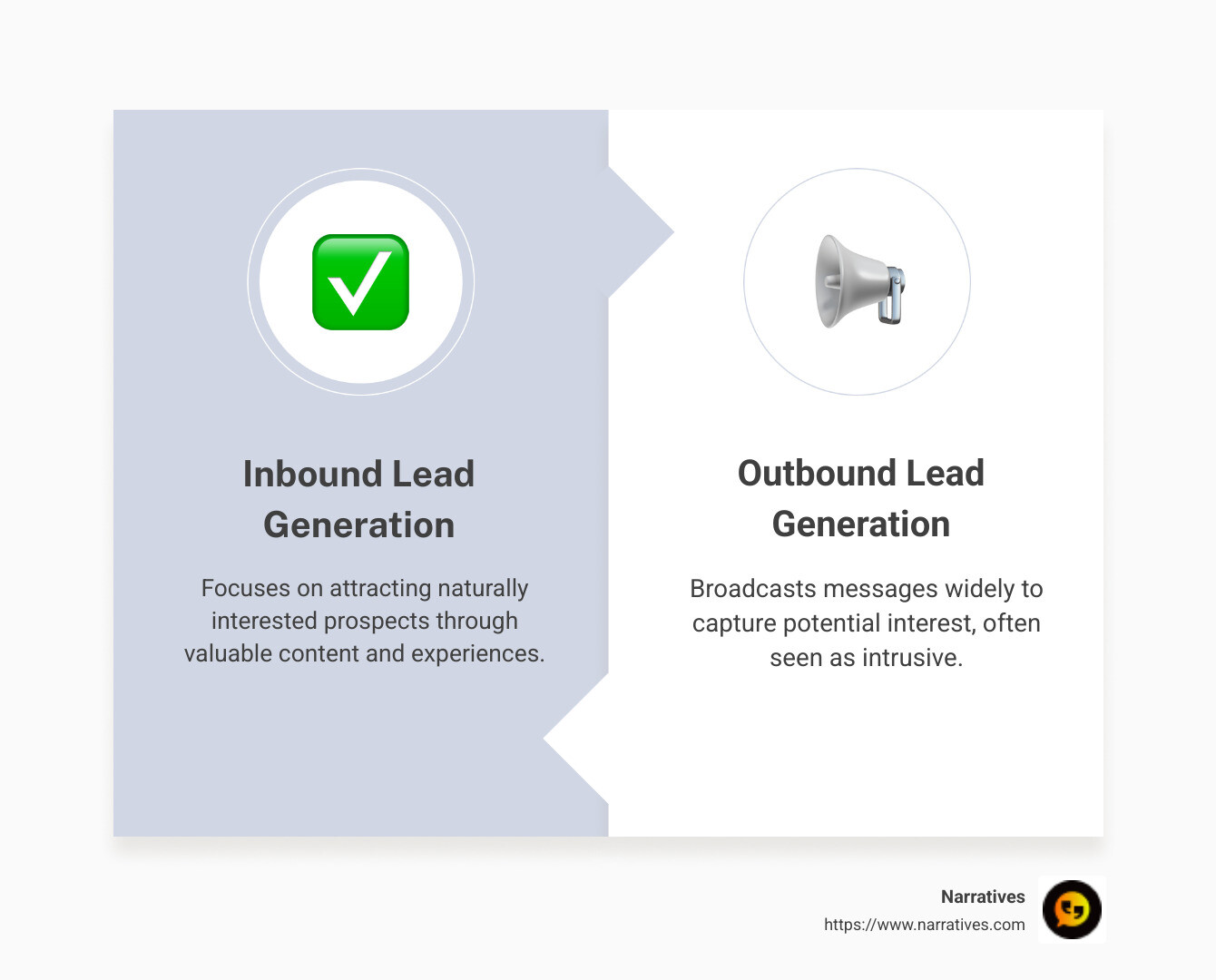
Navigating the difference between inbound and outbound approaches is vital. Inbound lead generation focuses on creating valuable content and experiences custom to your audience. It's like a magnet—drawing in those who are truly interested in what you offer. On the flip side, outbound methods are like a loudspeaker—broadcasting your message to a wide audience, hoping something sticks.
In the landscape of advocacy and social impact, crafting compelling narratives through inbound tactics not only amplifies your mission but also aligns with ethical storytelling. As a non-profit or socially driven organization, directing your efforts toward inbound methods can help lift your story authentically and reach the individuals who genuinely resonate with your purpose.
Find more about Inbound lead generation strategies:
- Digital marketing for social causes
- Digital storytelling for fundraising
- Multimedia storytelling ideas
Understanding Inbound Lead Generation
Inbound lead generation strategies are all about attracting customers by creating content that resonates with them. Instead of chasing after potential leads, you draw them in with valuable information. This approach is crucial for building meaningful connections, especially for organizations focused on social impact.
Attracting Customers
Imagine your brand as a guide of light. Your goal is to attract people who are genuinely interested in what you have to offer. This is achieved by crafting content that speaks directly to their needs and interests. Whether it's through blogs, eBooks, or videos, the idea is to provide something of value that encourages prospects to engage with you.
Content Marketing
Content marketing is at the heart of inbound lead generation. It's about creating and sharing valuable, relevant content to attract and engage your target audience. By offering insights and solutions, you position yourself as an authority in your field.
- Blogs: Regularly updated blogs can answer questions your audience might have and provide solutions to their problems.
- eBooks: These offer more in-depth information and are a great way to capture leads through downloads.
- Videos: Engaging and easy to digest, videos can explain complex topics simply and effectively.

SEO: Search Engine Optimization
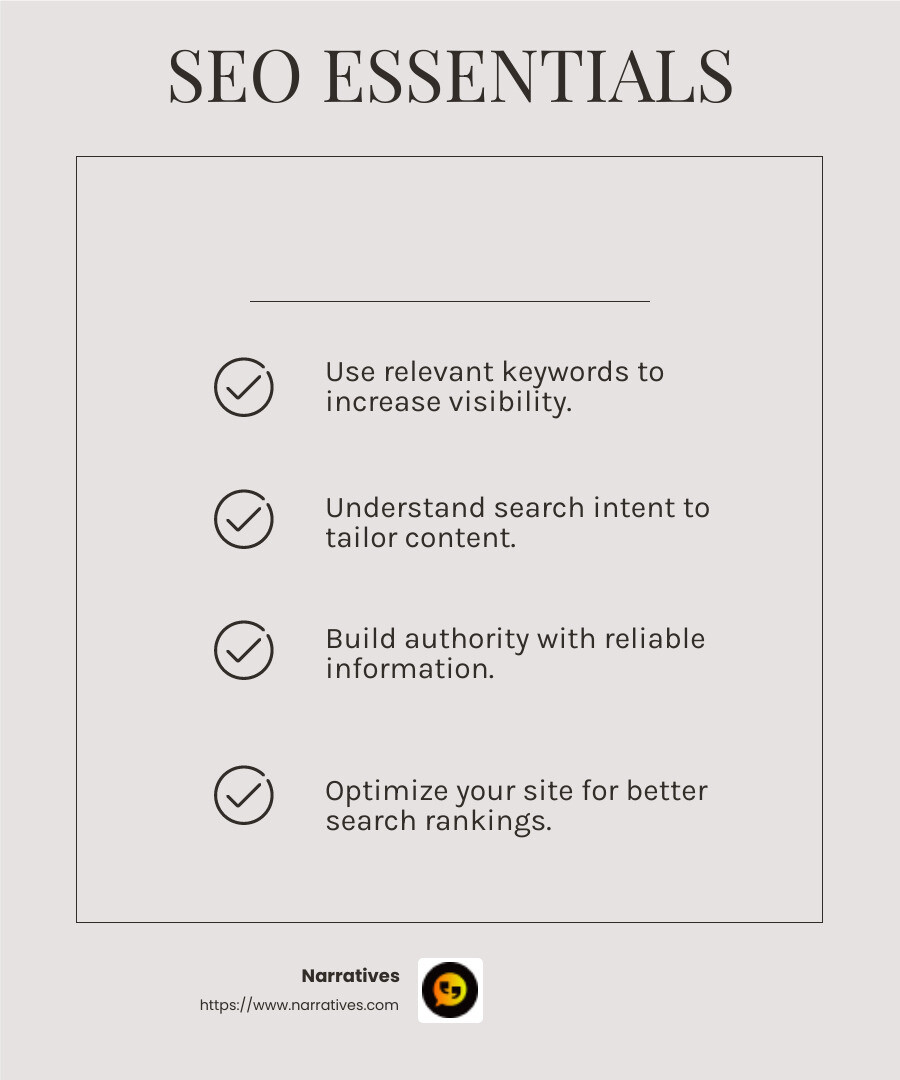
SEO is the engine that drives your content to the top of search results. It's about making sure your content is easy to find and relevant to what people are searching for. This involves using the right keywords, understanding search intent, and building your site's authority.
- Keywords: Use words and phrases your audience is likely to search for. This helps your content show up in search results.
- Search Intent: Understand what your audience is really looking for and tailor your content to meet those needs.
- Authority: Build trust by providing reliable and accurate information.
By focusing on these elements, you can create a powerful inbound lead generation strategy that not only attracts potential customers but also builds trust and credibility. This approach is particularly effective for non-profits and socially driven organizations, as it allows them to share their mission and values with a wider audience, creating a lasting impact.
Top Inbound Lead Generation Strategies
When it comes to inbound lead generation strategies, there are several key components that can help your organization attract and engage potential customers effectively. Let's explore some of the most impactful strategies: content marketing, social media, SEO, email marketing, and webinars.
Content Marketing
Content marketing is all about delivering valuable and relevant content to your audience. This strategy is crucial for establishing your brand as a trusted authority.
Blogs: Regularly updated blogs can address common questions and provide solutions, drawing in readers who are searching for answers.
eBooks: Offering more detailed insights, eBooks are excellent for capturing leads. They provide value in exchange for contact information, helping you build a list of interested prospects.
Videos: Videos are a powerful medium for explaining complex topics in a simple way. They can engage viewers and keep them coming back for more.
Social Media Engagement
Social media platforms are essential for building relationships and expanding your reach. They allow you to connect with your audience on a personal level.
Platforms: Choose platforms where your audience is most active. Each platform has its own unique user base and content style.
Engagement: Engage with your followers by responding to comments, sharing user-generated content, and participating in conversations.
Brand Building: Use social media to showcase your brand's personality and values. This helps build trust and loyalty among your audience.
SEO: Search Engine Optimization
SEO is the backbone of making your content findable. By optimizing your content for search engines, you increase the chances of attracting organic traffic.
Keywords: Identify and use relevant keywords that your audience is searching for. This improves your content's visibility in search results.
Search Intent: Understand what your audience wants and create content that meets those needs. This ensures that your content is relevant and useful.
Authority: Establish your site as a credible source by consistently providing accurate and valuable information.
Email Marketing Techniques
Email marketing is a direct way to communicate with your audience and nurture leads through personalized messages.
Automation: Use automation tools to send timely and relevant emails to your subscribers. This keeps your audience engaged without requiring constant manual effort.
Personalization: Tailor your emails to address the specific needs and interests of each recipient. Personalized content is more likely to resonate and convert.
Lead Nurturing: Keep your leads engaged with a series of emails that gradually build trust and guide them through the sales funnel.
Webinars and Online Events
Webinars and online events are excellent for showcasing your expertise and directly engaging with potential leads.
Engagement: Interactive elements like Q&A sessions and polls can keep your audience engaged and interested throughout the event.
Expertise: Hosting webinars positions your organization as a thought leader in your industry. This builds credibility and trust with your audience.
Lead Capture: Use webinars to collect contact information from attendees, turning them into valuable leads for your organization.
By leveraging these inbound lead generation strategies, you can effectively attract and engage potential customers. Whether you're a non-profit or a socially driven organization, these strategies will help you share your mission and values with a wider audience, creating meaningful connections and lasting impacts.
Content Marketing for Inbound Leads
In inbound lead generation strategies, content marketing plays a pivotal role. By creating valuable content, you can attract and engage potential customers. Let's explore how blogs, eBooks, and videos can help you achieve this.
Blogs
Blogs are one of the most effective tools for attracting inbound leads. A well-crafted blog post can answer questions and solve problems for your audience.
Regular Updates: Consistently update your blog with fresh content to keep your audience engaged and returning for more. This also boosts your SEO, helping your site rank higher in search results.
Authority Building: Use your blog to establish your brand as an authority in your field. Share insights, tips, and expert opinions to build trust with your audience.
Engagement: Encourage readers to comment and share your posts. This interaction not only builds community but also broadens your reach.
eBooks
eBooks offer a deeper dive into topics of interest and are excellent for capturing leads.
Lead Magnet: Offer eBooks as free downloads in exchange for contact information. This helps you build a list of qualified leads who are genuinely interested in your offerings.
In-Depth Content: Provide detailed insights and valuable information that your audience can't find elsewhere. This positions your brand as a thought leader.
Promotion: Promote your eBooks through your website, social media, and email marketing to reach a broader audience.
Videos
Videos are a dynamic and engaging way to communicate with your audience. They can simplify complex topics and hold the viewer's attention.
Visual Appeal: Use videos to visually explain concepts that might be difficult to convey through text alone. This can make your content more accessible and engaging.
Storytelling: Tell stories through your videos to connect emotionally with your audience. This can make your message more memorable and impactful.
Distribution: Share your videos across multiple platforms, including your website, social media, and YouTube, to maximize your reach and engagement.
By incorporating these content marketing tactics into your strategy, you can effectively attract and nurture inbound leads. Next, we'll explore how social media engagement can further improve your inbound lead generation efforts.
Social Media Engagement
When it comes to inbound lead generation strategies, social media engagement is a powerful tool. It allows you to connect with your audience, build your brand, and ultimately generate leads. Let's explore the key elements of social media engagement: platforms, engagement, and brand building.
Platforms
Choosing the right social media platforms is crucial for reaching your target audience. Each platform attracts different demographics and serves unique purposes:
Facebook: Great for reaching a broad audience with diverse interests. It's ideal for sharing a mix of content, from articles to videos.
Instagram: Perfect for visually-driven content. Use it to showcase your brand's personality through images and short videos.
LinkedIn: Best for B2B connections. It's the go-to platform for professional networking and sharing industry insights.
Twitter: Excellent for real-time engagement. Use it to join conversations and share quick updates.
Engagement
Engagement is about more than just posting content—it's about starting conversations and building relationships.
Interactive Content: Create polls, quizzes, and Q&A sessions to encourage interaction. This not only boosts engagement but also provides insights into your audience's preferences.
Respond Promptly: Reply to comments and messages quickly. This shows that you value your audience's input and are eager to engage with them.
User-Generated Content: Encourage your followers to share their own content related to your brand. This builds community and trust.
Brand Building
Social media is a powerful platform for building and reinforcing your brand identity.
Consistent Branding: Use consistent colors, logos, and messaging across all platforms. This helps reinforce your brand's identity.
Storytelling: Share stories that highlight your brand's values and mission. This creates an emotional connection with your audience.
Influencer Collaborations: Partner with influencers who align with your brand. Their endorsement can widen your reach and add credibility.
By leveraging social media, you can improve your brand's visibility and foster meaningful connections with your audience. This engagement not only builds brand loyalty but also drives inbound leads. Next, we'll explore how SEO optimization plays a vital role in attracting potential customers.
SEO Optimization for Inbound Lead Generation
Search Engine Optimization (SEO) is a cornerstone of inbound lead generation strategies. When done right, it helps attract potential customers by making your content more visible and trustworthy. Let's explore the key elements of SEO: keywords, search intent, and authority.
Keywords
Keywords are the bridge between what people are searching for and the content you provide. They are crucial for SEO because they help search engines understand what your content is about.
Keyword Research: Start by identifying the terms your target audience is searching for. Tools like Ahrefs can help you find relevant keywords and assess their search volume and competition.
Keyword Placement: Once you have your keywords, strategically place them in your content. This includes titles, headers, and throughout the body text. But remember, keyword stuffing can hurt your rankings, so use them naturally.
Long-Tail Keywords: These are longer, more specific keyword phrases. They might have lower search volumes, but they often attract more qualified leads. For example, "best email marketing software for small businesses" targets a specific audience.
Search Intent
Understanding search intent is about knowing what users are looking for when they type a query into a search engine. This helps you create content that matches their needs.
Informational Intent: Users are looking for information. Create detailed blog posts or guides that provide valuable insights.
Navigational Intent: Users want to find a specific website. Ensure your brand's site is easy to find and steer.
Transactional Intent: Users are ready to make a purchase. Optimize product pages with clear calls to action and detailed product descriptions.
By aligning your content with search intent, you can improve your chances of ranking higher in search results and attracting relevant traffic.
Authority
Building authority involves creating content that is trustworthy and reliable. Google’s E.E.A.T principles—Experience, Expertise, Authoritativeness, and Trustworthiness—are key here.
Quality Content: Publish high-quality, in-depth content that showcases your expertise. This not only helps with SEO but also builds trust with your audience.
Backlinks: Earning links from reputable sites boosts your authority. Consider guest blogging or collaborating with thought leaders in your industry.
Consistent Updates: Regularly update your content to keep it fresh and relevant. This signals to search engines that your site is active and reliable.
By focusing on these aspects of SEO, you can improve your website’s visibility and attract more inbound leads. Next, we’ll dive into how email marketing techniques can further nurture these leads and drive conversions.
Email Marketing Techniques
Email marketing is a powerful tool in inbound lead generation strategies. It allows you to connect with potential customers on a personal level. Let's break down the key techniques: automation, personalization, and lead nurturing.
Automation
Automation is like having a virtual assistant who works around the clock. It saves time and ensures no lead is left behind.
Set up Drip Campaigns: Use "if this, then that" logic to automate emails. For example, if a lead downloads a guide, they can automatically receive a series of emails introducing your brand and offering more resources.
Quick Follow-ups: According to a survey from Zapier, 37% of marketers use automation to quickly follow up with leads. This keeps your brand top-of-mind and increases the chances of conversion.
Tools for Automation: Platforms like HubSpot and MailChimp make it easy to design and monitor your campaigns. They allow you to set triggers and send personalized emails at just the right time.
Personalization
Personalization is all about making your emails feel like they were written just for the recipient. It's a simple way to build a connection.
Use Names: Always include the recipient’s name in the introduction. This small touch can make a big difference in how your email is perceived.
Segment Your List: Ask a few extra questions when collecting contact information. Segment your email list based on interests or industry to send relevant content.
Custom Content: If a lead is interested in a specific topic, ensure they only receive emails about that subject. This prevents them from feeling overwhelmed and increases engagement.
Lead Nurturing
Lead nurturing is the process of building relationships with your leads and guiding them through the sales funnel.
Lead Scoring: Assign points to leads based on their actions, like downloading a lead magnet or scheduling a consultation. This helps you identify which leads are ready for more sales-oriented content.
Educational Content: For leads at the top of the funnel, provide educational content. Once they’re more engaged, introduce them to your products or services.
Consistent Communication: Best practices suggest sending no more than one email per week. This keeps leads engaged without overwhelming them.
By implementing these email marketing techniques, you can effectively nurture leads and increase your chances of conversion. Next, we'll explore how webinars and online events can further engage your audience and capture valuable leads.
Webinars and Online Events
Webinars and online events are a powerhouse in inbound lead generation strategies. They engage audiences, showcase expertise, and capture valuable leads. Let's break it down.
Engagement
Webinars are all about interaction. Unlike static content, they offer a platform for real-time conversation.
Live Q&A Sessions: Encourage attendees to ask questions during the event. This not only keeps them engaged but also provides insights into their needs and pain points.
Polls and Surveys: Use these tools to gauge audience opinions and preferences. It’s a simple way to keep the audience involved and gather valuable data.
Interactive Content: Incorporate slides, videos, and live demos to make the webinar more dynamic. This keeps attendees' attention and makes the content memorable.
Expertise
Hosting a webinar positions you as an industry expert. It’s a chance to share knowledge and build trust with your audience.
Thought Leadership: Choose topics that highlight your expertise and address common industry challenges. This helps establish your brand as a go-to resource.
Guest Speakers: Invite experts to co-host or participate in panel discussions. Their insights can add depth to the content and attract a wider audience.
Educational Value: Focus on providing value and actionable insights. Attendees should leave feeling more informed and confident in your expertise.
Lead Capture
Webinars are not just about sharing knowledge; they’re also an effective way to capture leads.
Registration Forms: Collect essential information like names, emails, and job titles during the registration process. This data is crucial for follow-up communication.
Post-Event Surveys: Send a survey after the webinar to gather feedback and identify potential leads. It’s a great way to understand what resonated with your audience.
Follow-Up Emails: Send personalized follow-ups to attendees and even non-attendees. Include a recording of the webinar and additional resources to keep the conversation going.
By leveraging webinars and online events, you can engage your audience, showcase your expertise, and capture leads effectively. Next, we'll tackle frequently asked questions about inbound lead generation to further clarify this powerful strategy.
Frequently Asked Questions about Inbound Lead Generation
What are inbound leads?
Inbound leads are potential customers who reach out to your business first. They are attracted by your content and marketing efforts. Unlike outbound leads, who are approached by the company, inbound leads show interest by engaging with your marketing materials or reaching out for more information.
There are three main types of inbound leads:
Marketing Qualified Leads (MQLs): These leads have interacted with your marketing content, like signing up for newsletters or downloading resources. They show potential interest but are not yet ready to buy.
Sales Qualified Leads (SQLs): These leads have shown a stronger intent to purchase. They might have contacted your sales team or requested a quote, indicating they are closer to making a decision.
Product Qualified Leads (PQLs): These are leads who have used your product through a free trial or freemium model. Their direct interaction with your product suggests a higher likelihood of conversion.
How does inbound lead generation work?
Inbound lead generation involves attracting and engaging potential customers through various marketing channels. The process typically follows these steps:
Attract: Use content marketing, SEO, and social media to draw attention to your brand. Create valuable content like blog posts, videos, and guides that answer your audience's questions.
Engage: Once you have their attention, engage them further with personalized emails, webinars, and interactive content. This step is about building a relationship and understanding their needs.
Convert: Qualify the leads based on their interactions and readiness to buy. Use lead scoring to prioritize the most promising leads and guide them through the sales funnel.
Delight: Even after conversion, continue to engage and support your customers. Happy customers become advocates, generating more inbound leads through word-of-mouth and reviews.
Why are inbound leads valuable?
Inbound leads are particularly valuable for several reasons:
Trust: They come to you already interested in your product or service, which means they trust your brand. This trust can lead to higher conversion rates.
Cost-Effective: Inbound marketing is generally more affordable than outbound marketing. It relies on organic channels like content and social media, reducing the cost per lead.
Higher Conversion Rates: Since inbound leads are already interested, they require less convincing and are more likely to convert into paying customers.
By understanding and implementing effective inbound lead generation strategies, you can attract high-quality leads that are more likely to convert and become loyal customers. Next, we’ll explore how inbound marketing impacts conversion rates and overall business growth.
Conclusion
Inbound lead generation is more than just a marketing strategy; it's a way to build meaningful connections. At Narratives, we believe in the power of storytelling to lift underrepresented voices and drive social impact. Our focus on non-profit partnerships allows us to create content that not only captures attention but also inspires action.
Storytelling is at the heart of our approach. Through high-quality, emotionally resonant videos and multimedia content, we help purpose-driven organizations share their impact stories. This form of storytelling is essential for building trust and increasing visibility. When non-profits share authentic stories, they connect with audiences on a deeper level, turning casual viewers into passionate advocates.
Our partnerships with non-profits are rooted in a shared commitment to social impact. By focusing on community-driven storytelling, we differentiate ourselves from competitors. We don't just create content; we help organizations amplify their missions and reach more people who care about their causes.
Inbound lead generation strategies, when done right, can transform how non-profits engage with their audiences. By leveraging content marketing, SEO, and social media, we help organizations attract and nurture leads who are genuinely interested in making a difference.
Social impact is not just a buzzword for us; it's a mission. Through our storytelling expertise, we aim to support organizations that promote environmental sustainability, aid vulnerable populations, and advocate for social justice. Our goal is to empower these organizations to tell their stories in a way that resonates and drives real change.
For those interested in learning more about how we can help your organization harness the power of storytelling, learn more about our services. Together, we can create stories that matter and inspire action.


.avif)