Creating Waves: How Media Drives Social Impact

How Digital Media Creates Social Impact
Media for social impact is more than just a trendy buzzword. It's a powerful tool that transforms how stories shape our world.
Key points to understand media for social impact:
- Digital Media: Platforms like social media, interactive storytelling, and virtual reality are central to spreading impactful messages.
- Social Impact: Effective media usage can inspire change, empower communities, and advocate for social justice.
- Storytelling: Emotional and ethical storytelling can connect audiences with causes, motivating them to act and support change.
In our rapidly evolving media landscape, the power of storytelling is more crucial than ever. Stories influence public opinion and can drive policy changes. They inspire action, shift cultural norms, and create waves of change that ripple through communities.
Consider the poignant campaigns presented at the Media for Social Impact Summit, where media professionals collaborate to highlight pivotal social issues. This annual event, co-organized with the United Nations, underscores the undeniable potential of media to enact social change.
These insights help non-profit leaders, social organizations, and mission-driven brands steer the complexities of media engagement. By leveraging the right platforms and narratives, they can authentically lift their impact, connecting deeply with audiences and driving measurable results.
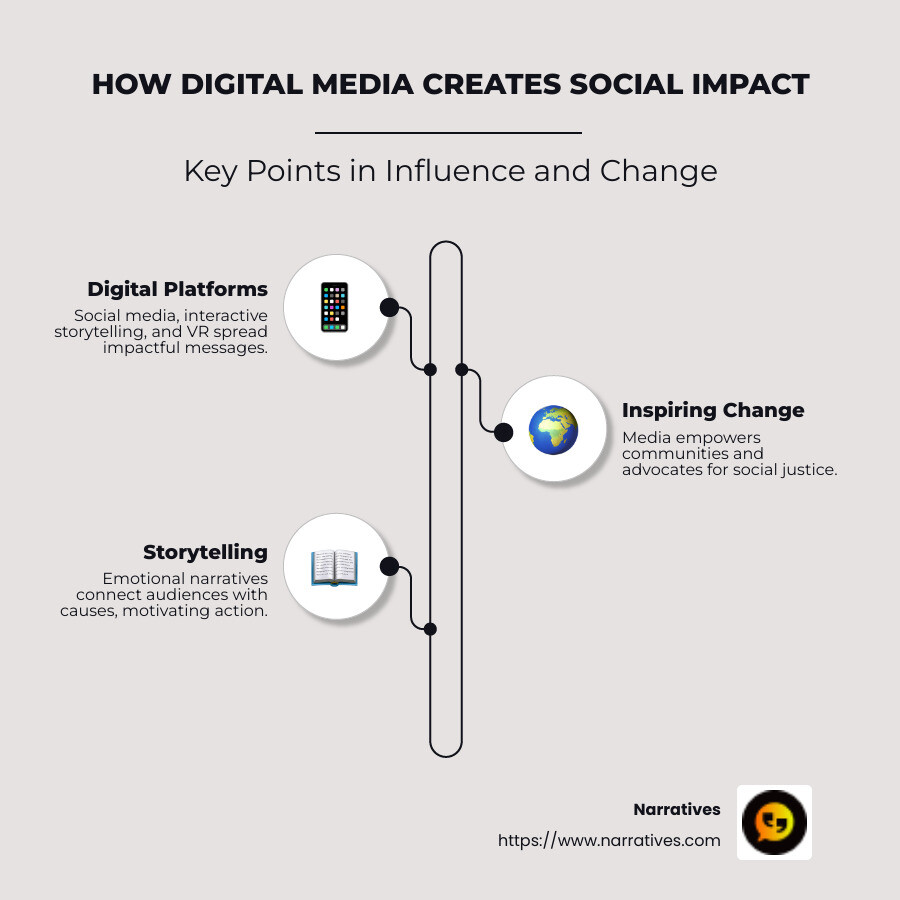
Simple media for social impact word guide:
The Power of Media for Social Impact
Media influence is a game-changer in today's world. It shapes what we know, how we feel, and even what we do. Media can change minds and, in turn, change society.
Storytelling is at the heart of this influence. A well-told story can be more powerful than a thousand statistics. It connects us emotionally and ethically to causes that matter. Stories have the power to shift public opinion, inspire action, and even change laws.
Take, for example, the Media for Social Impact Summit at the United Nations. This annual gathering brings together media professionals and UN officials to strategize on using media to drive change. They showcase campaigns that highlight social issues, proving how media can be a force for good.
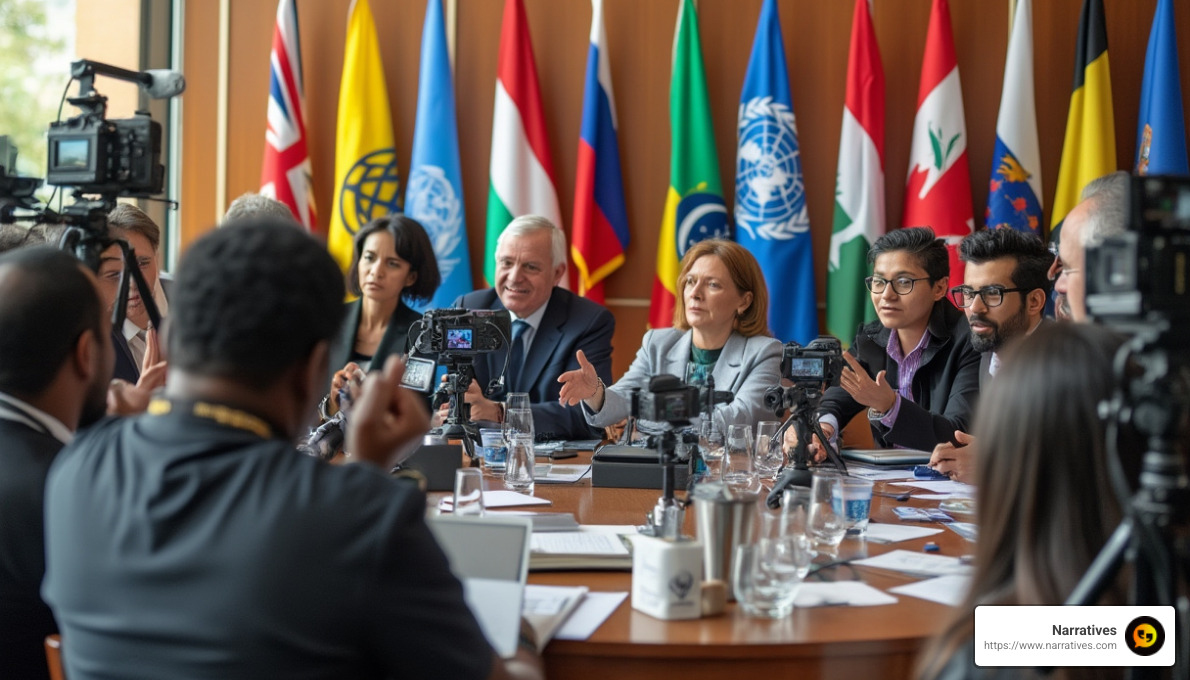
Social change doesn't happen overnight, but media can speed up the process. It brings attention to important issues and gives a voice to those who might not otherwise be heard. It can bridge gaps between communities and foster understanding across different cultures and backgrounds.
Imagine a world where media isn't just about entertainment but also about empowerment and education. This is the vision of many organizations working at the intersection of media and social impact. They use media to highlight stories of resilience and hope, encouraging people to take action.
Media for social impact is a dynamic tool. It’s not just about the stories we tell but how these stories can transform lives. By understanding and using this power, we can create a more informed, empathetic, and just society.
Strategies for Effective Media Engagement
Engaging media effectively is crucial for making a difference in society. Let's explore some ways to do this using digital tools, strategic communication, and creative projects.
Digital Tools
Digital tools are changing how we create and share stories. Platforms like social media, blogs, and podcasts allow us to reach a global audience quickly and easily. These tools help amplify voices that might otherwise go unheard.
For instance, the Executive Program in Digital Media for Social Impact focuses on teaching changemakers how to use these tools effectively. Participants learn to develop digital strategies that align with their goals and values. Imagine using social media not just to share updates but to engage communities and drive action.
Strategic Communication
Strategic communication is all about delivering the right message to the right people at the right time. It's not just about what you say but how you say it. This involves understanding your audience and crafting messages that resonate with them.
The Media for Social Impact Summit is a great example of strategic communication in action. Media experts and UN officials come together to design campaigns that highlight global issues. They focus on storytelling that can shift public opinion and inspire change.
Creative Projects
Creative projects are essential for capturing attention and sparking interest. Whether it's a documentary, interactive media, or virtual reality experience, creativity can make complex issues more accessible and engaging.
Organizations like the Center for Media & Social Impact are at the forefront of this movement. They develop innovative storytelling methods that highlight social justice issues. By blending art with activism, they create compelling narratives that drive social impact.
In summary, effective media engagement requires a mix of digital tools, strategic communication, and creative projects. When used together, these strategies can amplify the impact of media, making it a powerful force for social change.
Case Studies: Media Initiatives Driving Change
Let's explore some real-world examples of how media for social impact is making waves. We'll explore initiatives involving UN partnerships, innovative campaigns, and local impacts.
UN Partnerships
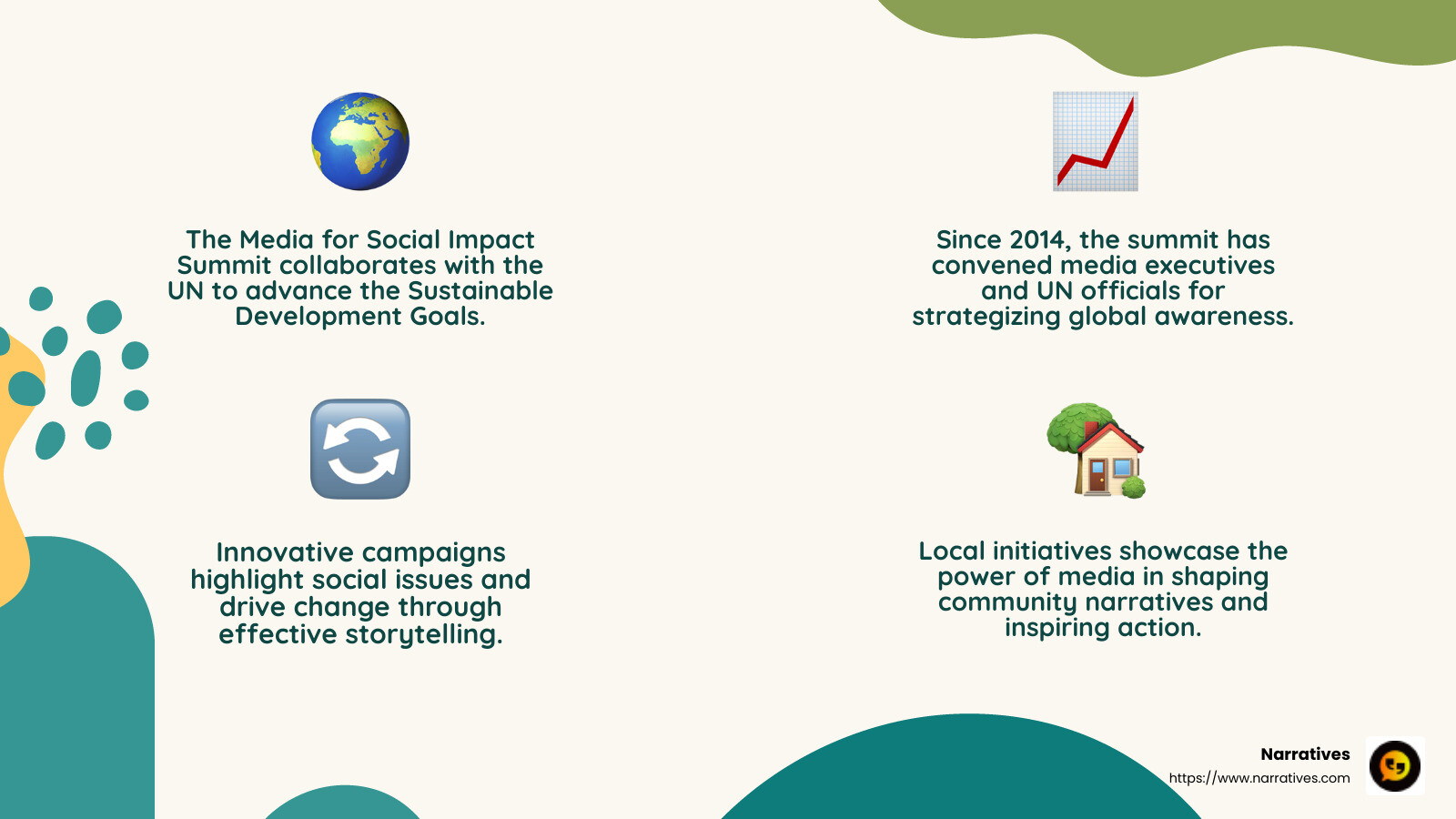
The Media for Social Impact Summit is a prime example of how media can collaborate with global organizations like the United Nations to drive social change. Since its inception in 2014, this summit has brought together hundreds of media executives and UN officials to strategize on using media to advance the Sustainable Development Goals (SDGs). Through dynamic roundtables and networking opportunities, participants create partnerships that promote the 2030 Agenda and SDGs. This collaboration showcases the power of media in shaping policies and driving global awareness.
Innovative Campaigns
Innovative media campaigns are essential for highlighting social issues and sparking change. One standout example is the partnership between Defy Ventures and media platforms to tell the transformative story of Quan Huynh, a former prison lifer turned successful entrepreneur. This campaign not only raised awareness about recidivism but also inspired others to see the potential for change and redemption.
Another compelling campaign involved the PARS Equality Center, which used media to share the urgent story of Haris Shirzai and his family's asylum struggle. By leveraging storytelling, these campaigns reach broad audiences and elicit empathy and action.
Local Impact
On a local level, media initiatives can have a profound impact on communities. For instance, SABMiller's collaboration with The Nature Conservancy to protect Colombia's Cauca River is a notable example. By using media to highlight the importance of sustainable water management, the initiative mobilized local stakeholders, including municipalities and community groups, to take action. This effort not only ensured access to clean water but also fostered community engagement and environmental stewardship.
Through these case studies, we see how media for social impact can drive meaningful change. Whether through global partnerships, innovative storytelling, or local initiatives, media plays a crucial role in addressing pressing social issues.
The Role of Technology in Media for Social Impact
Technology is a game-changer for media for social impact. It helps create deeper connections and drive change in new ways. Let's explore how AI technologies, digital platforms, and immersive experiences transform this space.
AI Technologies
Artificial Intelligence (AI) is revolutionizing how media can drive social impact. AI's ability to analyze data and predict trends allows media creators to tailor content that resonates with audiences. This precision targeting can amplify messages that promote social change, making them more effective and widespread.
For example, AI can help identify patterns in public sentiment, enabling media to address social issues more proactively. It can also optimize content distribution, ensuring that impactful stories reach the right people at the right time. This is crucial for campaigns aiming to influence public opinion or policy.
Digital Platforms
Digital platforms are at the heart of today's media landscape. They offer a space where stories can be shared instantly and globally. Platforms like social media and streaming services have become vital for spreading messages that promote social change.
A key benefit of digital platforms is their ability to connect diverse audiences. They break down geographical barriers, allowing people from different backgrounds to engage with content that highlights social issues. This fosters a sense of global community and shared responsibility.
Moreover, digital platforms enable interactive storytelling. Audiences can participate in discussions, share their experiences, and contribute to the narrative. This engagement is essential for building movements and driving collective action.
Immersive Experiences
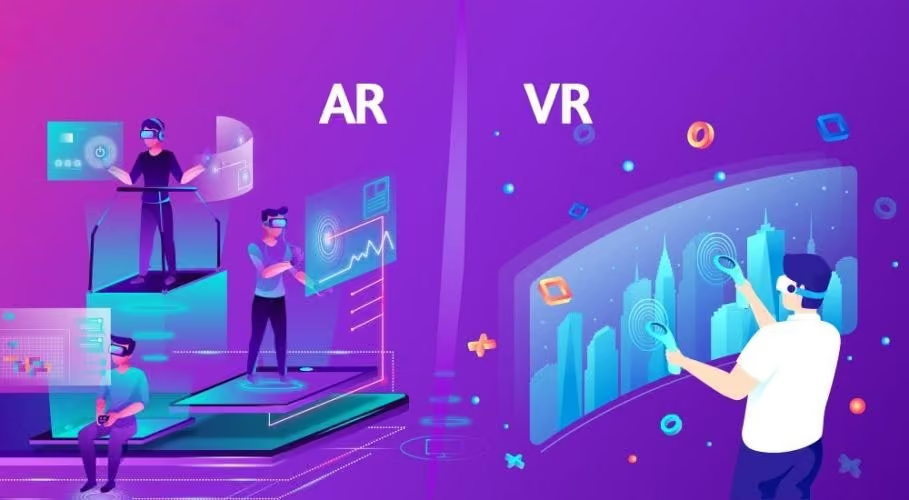
Immersive experiences, such as virtual reality (VR) and augmented reality (AR), offer new ways to engage audiences. These technologies create environments where people can experience social issues firsthand, leading to greater empathy and understanding.
For instance, VR can simulate the experiences of marginalized communities, allowing users to "walk in their shoes." This powerful tool can change perceptions and inspire action by making abstract issues more tangible.
Organizations can use immersive experiences to highlight the urgency of issues like climate change, inequality, and public health. By providing a visceral understanding of these challenges, immersive media can motivate audiences to support solutions and become active participants in social change.
As technology continues to evolve, its role in media for social impact will only grow. By leveraging AI, digital platforms, and immersive experiences, media can reach wider audiences, tell more compelling stories, and drive meaningful change.
Frequently Asked Questions about Media for Social Impact
How does media influence social change?
Media plays a crucial role in shaping public opinion and influencing social change. It serves as a powerful tool for storytelling, which can raise awareness about pressing social issues and motivate people to take action. By sharing stories of injustice, success, or community efforts, media can inspire empathy and drive collective action.
The Center for Media & Social Impact highlights that media influences what we know, believe, and value. It shapes cultural norms and public policies by framing issues in ways that resonate with audiences. For instance, documentaries and news stories can bring attention to topics like climate change or social justice, prompting discussions and policy changes.
What are some examples of media-driven social impact initiatives?
There are numerous examples of how media has driven social impact. One notable initiative is the Media for Social Impact Summit organized by the United Nations. This event brings together media executives and UN officials to strategize on campaigns that address global issues, such as the Sustainable Development Goals (SDGs).
Another example is the work of Columbia College Chicago, which offers a Master's program focused on equipping students with the skills to create media strategies for social change. Their alumni have gone on to work with organizations like NPR and the Disability Visibility Project, using media to advocate for various causes.
Moreover, digital platforms like social media have been instrumental in amplifying voices and movements. Campaigns like #MeToo and Black Lives Matter gained momentum through social media, highlighting the power of digital storytelling in driving social change.
How can organizations leverage media for social impact?
Organizations can leverage media for social impact by creating strategic communication plans that use various media platforms. Here are some strategies:
Engage with Digital Platforms: Use social media, blogs, and video platforms to share stories and connect with audiences. This can help spread messages quickly and engage a global audience.
Collaborate with Media Professionals: Partner with journalists, filmmakers, and influencers who can help tell your story in compelling ways. Their expertise can improve the reach and impact of your message.
Use Data and AI: Analyze data to understand audience preferences and tailor content that resonates with them. AI can help optimize content distribution, ensuring that your message reaches the right people.
Create Immersive Experiences: Use technologies like VR and AR to create engaging experiences that highlight social issues. These tools can foster empathy and motivate action by making issues more relatable.
By adopting these strategies, organizations can effectively use media for social impact to raise awareness, inspire change, and drive meaningful action.
Conclusion
At Narratives, we believe in the power of community-driven storytelling to make a real difference. By partnering with non-profits and purpose-driven organizations, we help lift underrepresented voices and share their impact stories in ways that resonate and inspire. This approach not only builds trust but also increases visibility for important causes.
Non-profit partnerships are at the heart of what we do. We collaborate with organizations to create high-quality, emotionally engaging video and multimedia content. This content shines a light on community efforts and showcases the real stories of those making a difference. By doing so, we help these organizations connect with broader audiences and encourage action.
Our work is about more than just telling stories—it's about creating waves of change. With our focus on media for social impact, we aim to transform passion into action and help build a better world. Through strategic storytelling, we empower communities and foster a deeper understanding of the challenges they face, driving collective action and social progress.
To learn more about how we can help your organization harness the power of storytelling, visit our service page. Let's work together to make your stories heard and drive meaningful change.

.avif)