The Art of Influence: Media Strategies for Social Transformation

Media strategies for social change serve as the catalyst for amplifying important issues and driving societal change. Whether you're working within a non-profit or spearheading a social impact initiative, understanding these strategies is pivotal. Here's a quick insight:
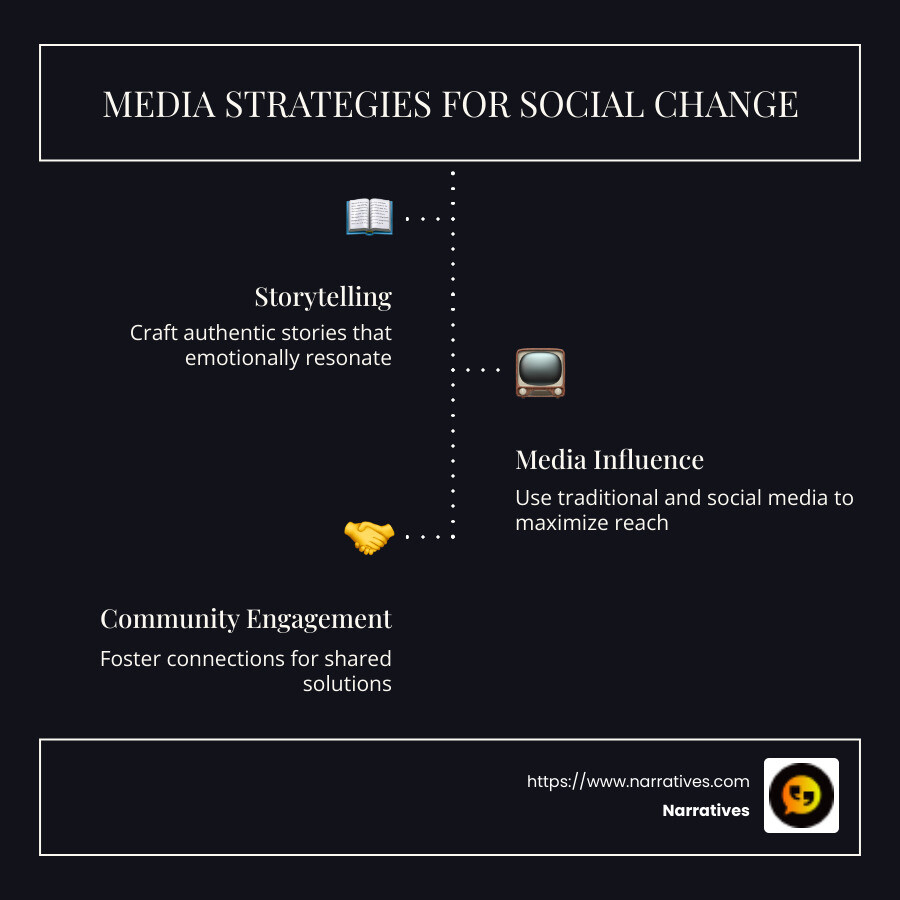
- Storytelling: Craft authentic and compelling stories that resonate emotionally.
- Media Influence: Leverage both traditional and social media to maximize reach.
- Community Engagement: Foster connections with the community for shared solutions.
Imagine the power of Orson Welles' broadcast of War of the Worlds in 1938, where storytelling mingled seamlessly with media technology to captivate an entire nation. This event underscores the potential of the right narrative told through the right channels at the right time.
In today's digital landscape, similar principles apply. The fusion of social and traditional media, combined with robust storytelling, can effectively champion causes and inspire social change.
Non-profit marketing leads and social impact organizations often find themselves acknowledging the importance of their work but struggling to convey it effectively. This is where strategic media use becomes crucial.
Techniques like leveraging familiarity, emotional engagement, and video content can turn stories into movements.
Understanding media strategies for social change is crucial to aligning ethical storytelling with measurable outcomes. As we dig deeper, we'll explore how media campaigns successfully translate narratives into actions, shaping a more equitable and just society.
Glossary for Media strategies for social change:
Understanding Media Strategies for Social Change
To reinvent tomorrow, we need to rethink how we use media today. Media strategies for social change are not just about broadcasting messages; they're about creating an ecosystem of influence that can reshape society.
Social Strategy: Building the Framework
A social strategy involves more than just having a presence on social media platforms. It's about crafting a narrative that aligns with your mission and resonates with your audience. For example, consider how environmental organizations use compelling visuals and stories to highlight the impact of climate change. These narratives are designed to not only inform but also engage and motivate action.
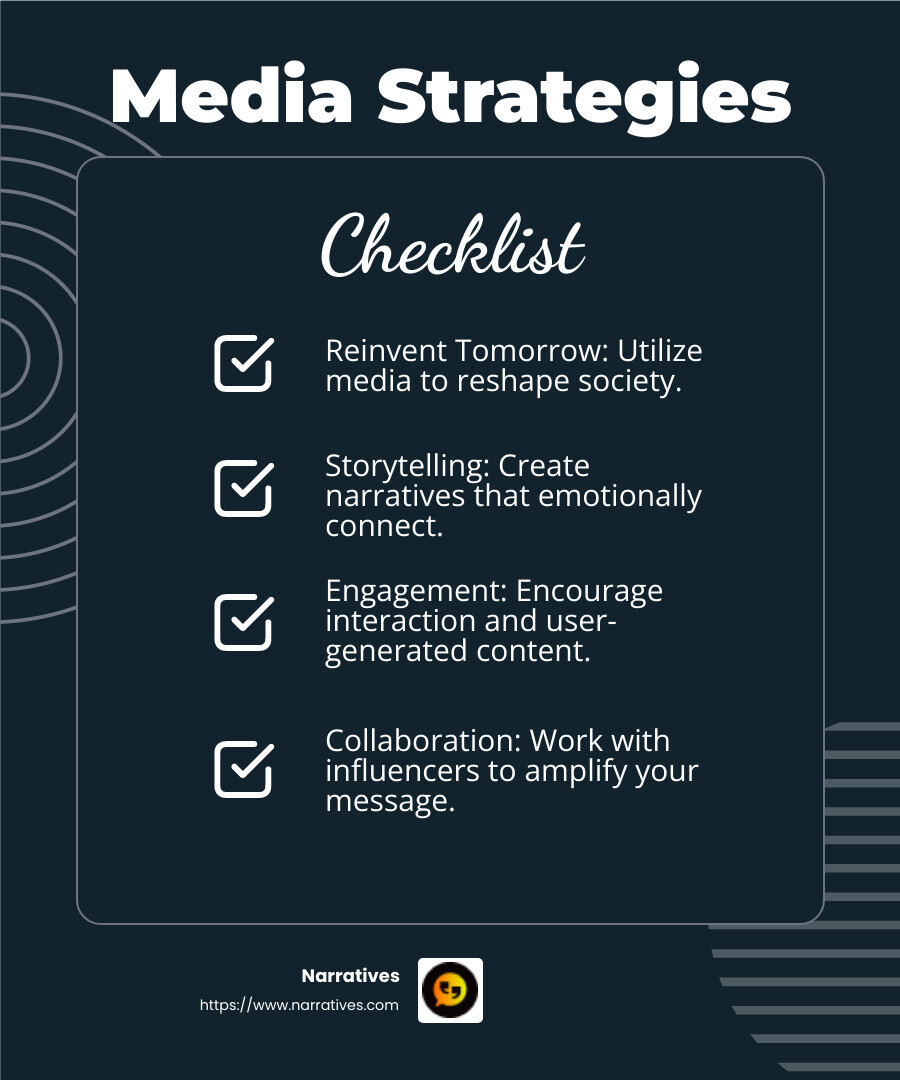
- Storytelling: The backbone of any effective social strategy. It’s about creating a compelling narrative that connects emotionally with the audience.
- Engagement: Encourage interaction and participation. This can be through comments, shares, or even user-generated content.
- Collaboration: Partner with influencers and other organizations to amplify your message.
Ecosystem Change: A Holistic Approach
Creating ecosystem change means looking at the broader picture. It's about understanding how different media channels can work together to create a unified message.
- Cross-Platform Consistency: Ensure your message is consistent across all media channels. This builds trust and reinforces your narrative.
- Integrated Campaigns: Use a mix of traditional media (like TV and radio) and digital platforms (such as social media and blogs) to reach a wider audience.
- Feedback Loops: Monitor engagement and be ready to adapt your strategy based on audience feedback and changing dynamics.
By focusing on these elements, organizations can create powerful media strategies that not only raise awareness but also drive real-world change. We'll see how storytelling and media campaigns come together to create impactful movements.
The Role of Storytelling in Social Change
Storytelling is a powerful tool for social change. It goes beyond just sharing information—it's about creating a connection that can inspire action and transform perspectives.
Narrative Impact: The Heart of Change
At the core of every successful media strategy for social change is a compelling narrative. A well-crafted story can captivate an audience, making complex issues relatable and urgent. Take the example of Orson Welles' 1938 radio broadcast of War of the Worlds. This story, told at the right time and in the right way, convinced listeners of an alien invasion. It demonstrates the profound impact a narrative can have when it taps into the audience's emotions and beliefs.
- Engagement: Stories that resonate emotionally encourage people to engage more deeply with the content. They are more likely to share it, discuss it, and act on it.
Emotional Resonance: Connecting with the Audience
Emotional resonance is key to storytelling. It's the difference between a story that informs and one that transforms. When people feel something, they are more inclined to take action. For instance, highlighting personal stories of those affected by an issue can make the content more relatable and urgent.
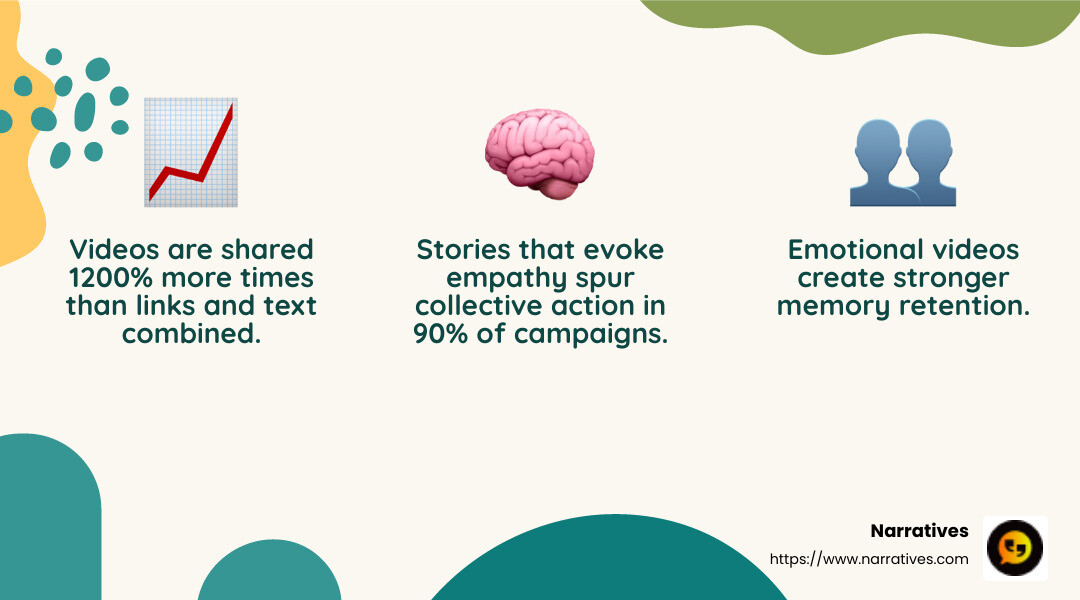
- Empathy: Stories that evoke empathy can bridge gaps between different communities and encourage collective action.
Video Content: A Visual Storytelling Medium
Video content is a powerful medium for storytelling. Videos can quickly convey emotions and messages in a way that text alone cannot. They are engaging and easily shareable, making them an ideal tool for spreading social change narratives.
- Visuals: Use visuals to create immediate impact. A short video clip can illustrate a problem, show a solution, and inspire viewers to get involved—all in a matter of seconds.
By leveraging the power of storytelling, organizations can create meaningful connections with their audience. This connection is crucial for driving social change, as it transforms passive viewers into active participants in the cause. As we explore further, we'll see how effective media campaigns use these storytelling elements to raise awareness and inspire action.
Effective Media Campaigns for Social Change
Media campaigns are essential for raising awareness and driving social change. They harness the power of storytelling to engage audiences and inspire action. Let's explore how these campaigns work and their impact on society.
Raising Awareness: The First Step to Change
Effective media campaigns start by raising awareness about a specific issue. They highlight problems that may be overlooked or misunderstood by the public. By shining a light on these issues, campaigns can spark interest and concern.
- Example: The Ice Bucket Challenge raised awareness for ALS by encouraging people to pour ice water over their heads and share videos on social media. This simple, engaging activity made a complex disease more visible and personal.
Media Campaigns: Crafting the Message
A successful media campaign requires a clear, compelling message. This message should be easy to understand and share. It often includes a call to action, encouraging people to get involved.
Strategy: Use simple and relatable language. Avoid jargon. The goal is to make the message accessible to everyone.
Visuals: Incorporate eye-catching images or videos. These elements can grab attention and make the message more memorable.
Social Media Advocacy: Expanding the Reach
Social media is a powerful tool for advocacy. It allows campaigns to reach a broad audience quickly and cost-effectively. Platforms like Twitter, Facebook, and Instagram provide opportunities to engage with supporters and spread the message further.
Networking: Connect with influencers and partners who share your cause. Their support can amplify the message and reach new audiences.
Engagement: Encourage followers to share content, comment, and participate in discussions. This interaction helps maintain interest and momentum.
Case Study: #MeToo Movement
The #MeToo movement is an example of a social media campaign that achieved significant impact. It started as a way for survivors of sexual harassment and assault to share their experiences. The hashtag went viral, leading to widespread discussions and policy changes.
- Impact: The movement raised awareness about sexual violence and encouraged systemic change in workplaces and beyond.
By combining storytelling, clear messaging, and social media advocacy, media campaigns can effectively raise awareness and drive social change. These elements work together to transform passive audiences into active participants, paving the way for meaningful societal change.
Next, we will explore how to measure the impact of these media strategies, ensuring that efforts lead to tangible results.
Measuring the Impact of Media Strategies
Understanding the impact of media strategies for social change is crucial. It helps organizations see what's working and what needs improvement. Let's explore how we can measure this impact using key performance indicators and other metrics.
Key Performance Indicators (KPIs)
KPIs are specific, measurable goals that track progress. They vary depending on the campaign's objectives but often include:
Engagement Rates: This includes likes, shares, and comments on social media posts. High engagement means the audience is interacting with and spreading the message.
Conversions: This measures how many people take action after seeing the campaign, such as signing a petition or making a donation.
Audience Growth: Tracking the increase in followers or subscribers can show how well a campaign attracts new supporters.
Advertising Value Equivalents (AVE)
Advertising Value Equivalents estimate how much it would cost to achieve the same reach through paid advertising. Though debated, AVE can provide a rough value of earned media coverage:
- Example: If a campaign gains media coverage equivalent to $50,000 in advertising, this shows significant earned media value.
Reach and Impressions
Reach and impressions are key metrics to understand the scope of a campaign:
Reach: The total number of unique people who see the campaign content. It shows how far the message is spreading.
Impressions: The total number of times the content is displayed, regardless of clicks. High impressions suggest the campaign is visible, but not necessarily engaging.
Case Study: Ice Bucket Challenge
The Ice Bucket Challenge is a great example of using these metrics effectively. It reached millions and raised over $115 million for ALS research.
Reach: Videos were shared globally, reaching millions of people.
Engagement: The challenge inspired over 17 million videos, showing high audience interaction.
Conversions: The campaign significantly increased donations, demonstrating successful conversion from awareness to action.
By focusing on these metrics, organizations can better understand their campaign's impact and refine strategies for greater social change. Next, let's address some common questions about media strategies for social change.
Frequently Asked Questions about Media Strategies for Social Change
How do different types of media drive social change?
Different media types have unique strengths in driving social change. Traditional media like newspapers and TV reach a broad audience and lend credibility. For example, a TV segment on environmental issues can raise awareness among millions in a short time.
Digital media, including blogs and online news sites, offer speed and interactivity. They allow for real-time updates and audience engagement. Social media platforms excel in creating viral content and community-driven campaigns. A single tweet or post can spark a movement, as seen with hashtags like #BlackLivesMatter.
Art and film also play vital roles. Documentaries and short films can evoke strong emotions and inspire action. Art installations in public spaces can challenge societal norms and provoke thought.
What are the benefits of social media advocacy?
Social media advocacy is powerful for several reasons:
Wide Reach: Platforms like Facebook, Instagram, and Twitter connect with billions worldwide. This allows messages to spread quickly and widely.
Cost-Effective: Unlike traditional advertising, social media campaigns can be launched with minimal budgets. This is crucial for non-profits and grassroots organizations.
Engagement: Social media encourages interaction. People can comment, share, and create content, fostering a sense of community and ownership.
Real-Time Feedback: Instant feedback helps organizations adapt and refine their strategies. This responsiveness can increase the campaign's relevance and impact.
Storytelling: Platforms support multimedia content, allowing for rich storytelling through videos, images, and text.
How can organizations measure the success of their media campaigns?
Measuring success in media campaigns involves several metrics:
Engagement Metrics: Track likes, shares, comments, and mentions. High engagement indicates strong audience interest.
Conversion Rates: Measure actions taken, such as signing petitions or attending events. High conversion rates show effective message delivery.
Audience Growth: Monitor increases in followers or subscribers. This reflects the campaign's ability to attract new supporters.
Sentiment Analysis: Use tools to gauge the tone of discussions about the campaign. Positive sentiment suggests a favorable reception.
Case Study Example: The Ice Bucket Challenge exemplified successful measurement. It reached millions, engaged audiences through viral videos, and converted awareness into $115 million in donations for ALS research.
By using these methods, organizations can gauge the effectiveness of their media strategies and adjust for greater impact. Now, let's explore how Narratives can assist in crafting impactful media campaigns.
Conclusion
In today's digital world, Narratives stands out as a guide for organizations seeking to harness the power of media for social change. Our approach centers around community-driven storytelling, where the voices of those often unheard are amplified. This is not just about telling stories; it's about creating connections and inspiring action.
Community-driven storytelling is at the heart of what we do. By collaborating with non-profits and purpose-driven organizations, we help them share their impact stories in a way that resonates deeply with audiences. This method not only builds trust but also encourages communities to rally around a cause, creating a ripple effect of positive change.
Non-profit partnerships are essential to our mission. We believe that by working closely with organizations that share our values, we can create more meaningful and effective media campaigns. These partnerships allow us to blend our storytelling expertise with the on-the-ground knowledge of our partners, resulting in content that is both authentic and impactful.
Our commitment to elevating underrepresented voices through high-quality, emotionally resonant video and multimedia content sets us apart. We aim to inspire action, increase visibility, and drive social impact.
If you're looking to make a difference and want to learn more about how Narratives can help your organization craft impactful media campaigns, click here to explore our services. Together, we can transform stories into powerful tools for change.


.avif)