Mastering the Art of Digital Storytelling: Essential Tips and Tricks

Why Digital Storytelling is Vital
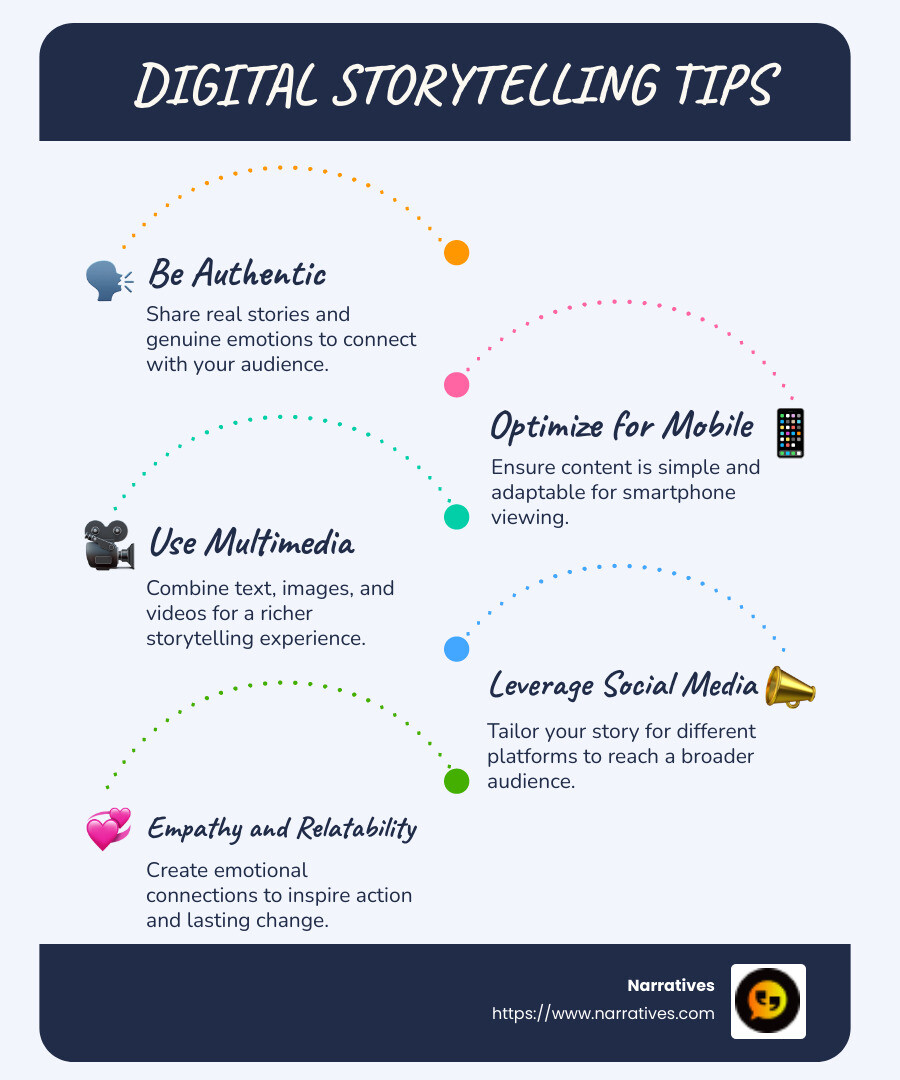
Digital storytelling tips have become essential for anyone looking to craft compelling narratives in the digital age. Whether you're part of a non-profit aiming to amplify your mission or a brand championing social justice, telling your story digitally is crucial. Here’s a quick look at the top tips to get your digital storytelling right:
- Be authentic and relatable: People connect with real stories and genuine emotions.
- Optimize for mobile: Most content is now viewed on smartphones. Keep it simple and adaptable.
- Use multimedia: Combine text, images, and videos for a more engaging experience.
- Leverage social media: Tailor your story for different platforms to reach a broader audience.
In today's world, cutting through the noise isn't easy. The stories we tell shape our impact and define our legacy. By applying classic storytelling techniques, your narrative can not only reach more people but resonate deeply with them. Combining authenticity with strategic use of digital tools, you can transform your message into a story that truly matters.
At the heart of effective digital storytelling is empathy and relatability. Empathy allows your audience to see themselves in your story, making it more impactful. As more information floods the internet every day, it's the human connection—the authentic portrayals and emotional truths—that make a story stand out.
Mastering digital storytelling requires understanding your audience, being purposeful with your storytelling strategies, and creating emotional connections. It's about changing your message into a narrative that inspires action and creates lasting change.
Simple guide to Digital storytelling tips:
Understanding Digital Storytelling
Digital storytelling is more than just a buzzword; it's the art of weaving narratives using digital tools. This approach allows storytellers to create engaging, emotional, and impactful stories that resonate with audiences across platforms.
Definition
At its core, digital storytelling is about using computer-based tools to tell stories. It often involves short-form content that leverages multimedia to bring narratives to life. Unlike traditional storytelling, digital storytelling can include images, audio, video, and interactive elements, making it a versatile and powerful method to communicate.
Multimedia Tools
The digital age offers a plethora of tools to improve storytelling. From video editing software to graphic design platforms, these tools allow creators to craft stories that are visually and audibly engaging. For instance, using vertical videos and carousel images can make your content more mobile-friendly, which is crucial as most digital content is consumed on smartphones.
Here's a quick list of multimedia tools commonly used in digital storytelling:
- Video Editors: Tools like Adobe Premiere Pro and Final Cut Pro help in crafting compelling narratives through video.
- Graphic Design Software: Adobe Express and Canva make it easy to create stunning visuals.
- Audio Tools: Audacity and GarageBand are popular for editing audio clips and integrating sound into stories.
Emotional Content
Emotion is the heartbeat of any story. It's what makes a narrative memorable and impactful. By incorporating real-life experiences, testimonials, and authentic emotions, digital storytellers can create a deeper connection with their audience.
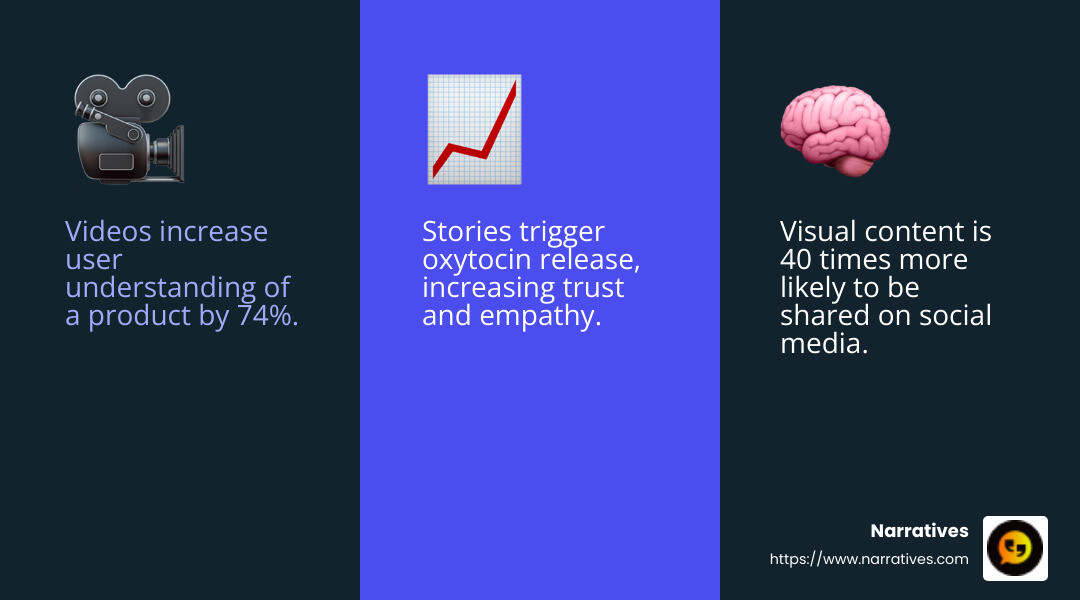
Consider using characters or case studies to humanize your story. This approach not only adds authenticity but also helps in addressing the concerns and emotions of your audience. By being raw and genuine, you avoid the trap of overly polished content, which can sometimes feel distant and unrelatable.
In summary, understanding digital storytelling involves mastering the use of multimedia tools to craft emotional and engaging narratives. It's about connecting with your audience on a human level and using digital platforms to amplify your message. By doing so, you can create stories that not only inform but also inspire and drive action.
Essential Digital Storytelling Tips
Creating compelling digital stories involves more than just using the right tools; it requires a strategic approach. Here are some digital storytelling tips to ensure your narratives resonate with your audience:
Audience-Specific
Understanding your audience is crucial. Tailor your story to meet their interests and needs. Ask yourself: Who are they? What do they care about?
By crafting your message specifically for them, you increase the chances of engagement and connection. For example, a university might use student testimonials to engage prospective students, showcasing authentic campus life and experiences.
Contextualize
Every story needs context. Without it, your audience might feel lost or disconnected. Provide background information and set the scene for your story. This helps your audience understand the "why" behind your narrative.
Consider using data to support your story, but ensure it's presented in a way that improves understanding. For instance, a nonprofit organization can use statistics to highlight the impact of their work, making the story more compelling and relatable.
Humanize
People connect with people. To make your story relatable, incorporate real people or personal examples. This human element adds depth and authenticity, making your narrative more impactful.
Use characters or case studies to bring your story to life. This approach not only engages your audience but also builds trust and emotional connection.
Action-Oriented
A great story inspires action. Clearly define what you want your audience to do after engaging with your content. Whether it's sharing your story, donating, or signing up for more information, an action-oriented approach ensures your story has a purpose.
Make your call to action clear and compelling. For example, a digital campaign might end with a prompt for viewers to share their own stories, encouraging community participation and further engagement.
Humble
Keep your storytelling humble and genuine. Avoid overly polished or scripted content. Instead, focus on authenticity and empathy. This approach helps build a deeper connection with your audience, making your content more memorable.
By addressing the concerns, struggles, or emotions your audience may be facing, you demonstrate understanding and empathy, further enhancing the impact of your story.
Incorporating these digital storytelling tips can transform your narratives, making them more engaging, relatable, and impactful. This leads us to explore how these principles can be applied in various fields, from education to healthcare, to create meaningful digital experiences.
Creating Impactful Digital Stories
Crafting a digital story that leaves a lasting impression involves several key elements. Let's explore how you can make your stories resonate deeply with your audience.
Universal Concepts
Tap into universal themes that everyone can relate to, such as love, loss, or the quest for belonging. These themes have the power to evoke empathy and connection across diverse audiences.
For example, Honda's digital storytelling efforts led to an 85% increase in dwell time and a 47% rise in click-through rates. This success was partly due to their focus on universal experiences that resonate broadly.
Personal Perspectives
Start small to go big. Use personal stories to draw your audience in before expanding to larger themes. This approach builds empathy and trust.
Imagine an environmental campaign beginning with an individual's journey to reduce waste, then expanding to show community-wide efforts. This narrative arc can inspire viewers to take action in their own lives.
Pacing
Maintain a steady pace to keep your audience engaged. A well-paced story with a clear beginning, middle, and end helps maintain interest.
Editing is crucial here. Storyboarding each part ensures the narrative flows smoothly without overwhelming the viewer with too much information at once.
Audience Knowledge
Know who you’re talking to. Tailor your story to your audience's values and interests. This means understanding what resonates with them and crafting your message accordingly.
For instance, a nonprofit targeting young adults might use social media platforms like Instagram or TikTok to share short, visually appealing stories, while an organization focused on professionals might opt for detailed articles on LinkedIn.
Creating impactful digital stories is about more than just telling a tale. It's about connecting with your audience on a deeper level by using universal themes, personal stories, and strategic pacing, all while keeping their preferences in mind. Now, let's explore how these storytelling principles can be applied across various fields to create meaningful digital experiences.
Practical Applications of Digital Storytelling
Digital storytelling isn't just a buzzword; it's a powerful tool that can transform various fields. Let's explore how it can be applied in education, business marketing, nonprofits, personal branding, and healthcare.
Education
In the classroom, digital storytelling turns lessons into engaging and interactive experiences. Teachers can use storytelling tools to simplify complex topics, making learning more accessible. For instance, students might create their own stories to express their understanding creatively. This approach not only boosts engagement and motivation but also fosters creativity and critical thinking.
Benefits:
- Improves student engagement.
- Encourages creativity and critical thinking.
- Simplifies complex topics.
Business Marketing
For businesses, storytelling can create emotional connections with customers. By sharing brand stories and customer success stories, companies can differentiate themselves in a crowded market. This strategy helps build brand loyalty and improves customer retention.
Benefits:
- Builds emotional connections with customers.
- Differentiates the brand.
- Improves loyalty and retention.
Nonprofits and Advocacy
Nonprofits use storytelling to share the impact of their work, raising awareness and inspiring action. By telling personal stories of those they help, nonprofits can engage donors on a deeper emotional level.
Benefits:
- Inspires empathy and encourages donations.
- Humanizes social causes.
- Builds trust and credibility.
Personal Branding
Influencers and content creators use storytelling to share personal experiences and values, building a loyal following. Through social media, blogs, or videos, they create stories that resonate with their audience.
Benefits:
- Establishes a personal connection with the audience.
- Builds authenticity and trust.
- Strengthens personal branding.
Healthcare
In healthcare, storytelling educates patients and the public on medical conditions and treatments. Patients and caregivers share personal stories to offer support and foster understanding within their communities.
Benefits:
- Educates and informs patients.
- Builds a supportive community.
- Improves understanding of medical issues.
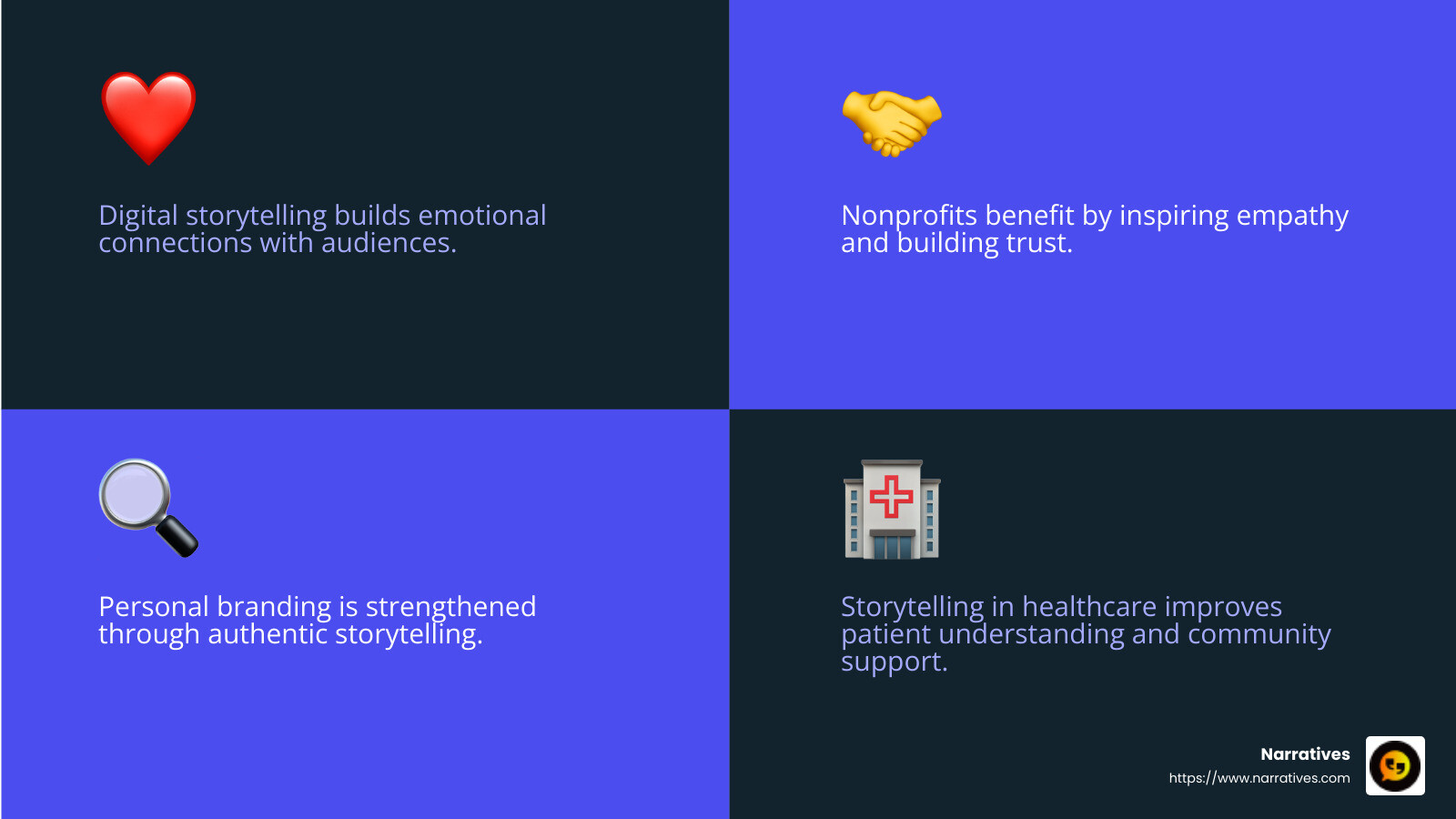
Digital storytelling is a versatile tool that can be custom to various fields, each benefiting from its ability to connect, inform, and inspire. Next, we'll answer some frequently asked questions to help you harness the full potential of digital storytelling.
Frequently Asked Questions about Digital Storytelling Tips
How can digital storytelling benefit non-profits?
Digital storytelling is a game-changer for non-profits. It helps them share the impact of their work in a way that's both engaging and memorable. By crafting personal stories of those they help, non-profits can pull at the heartstrings and inspire action.
Why is it effective?
- Inspires Empathy: Personal stories make causes relatable and urgent.
- Encourages Donations: When people feel connected, they are more likely to give.
- Builds Trust: Authentic stories create credibility and trust with audiences.
What are the key elements of a successful digital story?
A successful digital story has several key elements that work together to capture and maintain attention. Here are the essentials:
- Point of View: Who tells the story matters. The narrator's perspective shapes how the audience perceives the message.
- Purpose: Every story needs a clear goal. What do you want your audience to feel, know, or do?
- Emotional Content: Stories should connect emotionally. This keeps audiences engaged and makes the message memorable.
- Voice and Sound: The narrator's voice and background sounds add depth and nuance.
- Timing and Pacing: Good stories have a rhythm. They know when to slow down or pick up the pace to keep interest.
How do I choose the right format for my digital story?
Choosing the right format is crucial for effective storytelling. The format should align with your story's message and your audience's preferences.
Consider these tips:
- Know Your Audience: Different audiences prefer different formats. A younger audience might enjoy interactive content, while older audiences might prefer videos or podcasts.
- Match the Message: A complex story might need a detailed video, while a simple message could work well as an infographic.
- Platform Matters: Where will your story be shared? Social media platforms often favor short, visual content, while websites can host longer, more detailed stories.
By considering these factors, you can select a format that improves your story and resonates with your audience.
Next, we'll dig into the conclusion, exploring how Narratives harnesses the power of community-driven storytelling for social impact.
Conclusion
At Narratives, we believe in the transformative power of community-driven storytelling. By elevating underrepresented voices, we help non-profits and purpose-driven organizations share their stories in ways that truly resonate.
Why focus on community-driven storytelling?
Amplifies Diverse Voices: By showcasing stories from all walks of life, we bring attention to those who might otherwise go unheard. This not only enriches the narrative landscape but also fosters understanding and empathy across different communities.
Drives Social Impact: Storytelling is more than just sharing information; it's about inspiring change. When people see the real impact of a cause, they are more likely to get involved and support it.
Builds Strong Connections: Authentic stories create bonds between organizations and their audiences. This connection is crucial for building trust and encouraging ongoing support.
Social Impact through Storytelling
Narratives is committed to using storytelling as a tool for social good. Our approach is simple: tell stories that matter. By focusing on real people and real experiences, we help organizations make a lasting impact in their communities.
If you're looking to harness the power of storytelling to drive change and inspire action, explore how Narratives can help. Together, we can create stories that not only inform but also transform.


.avif)